

 Pregledaj u prostoru
 Pošalji
 Podeli
 Detalji o delu

 Преузми
 Slični predmeti
 Rendgenski snimak
 Slajdovi
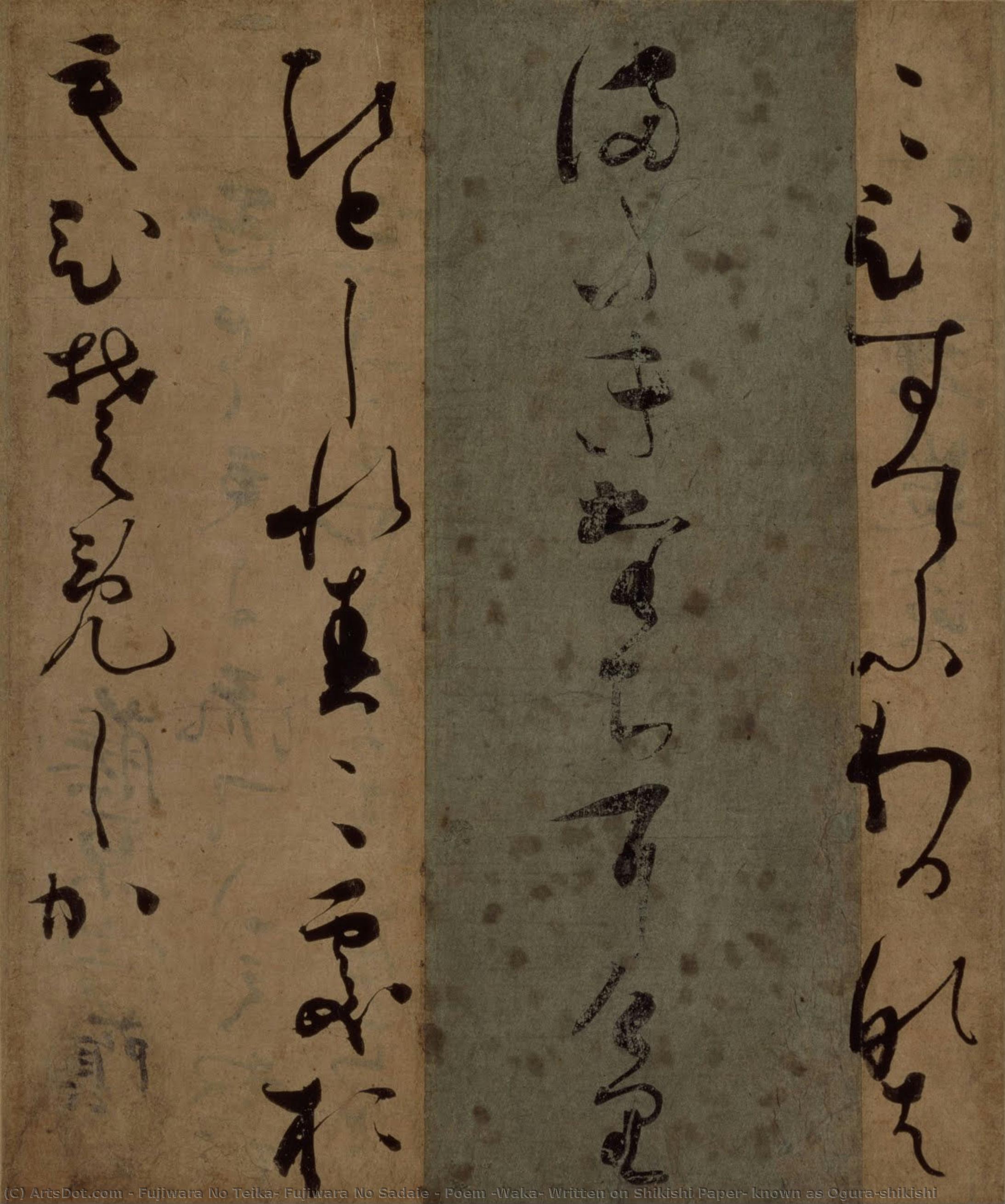
Poem (Waka) Written on Shikishi Paper, known as Ogura-shikishi


 Pročitaj više
Giclee štampa / Umetnički otisak
Giclée štampa ili print na platnu muzejskog kvaliteta uz brzu proizvodnju i fleksibilne opcije završne obrade. ( Kupi ručno naslikanu sliku Kupi digitalnu sliku)




































Izaberite jednu od naših unapred definisanih veličina koje odgovaraju originalnim proporcijama umetničkog dela.

Možete uneti sopstvene dimenzije kako biste umetničko delo prilagodili specifičnom okviru ili prostoru. Ako odabrani format ne odgovara proporcijama originalne slike, mi ćemo ili iscrtati deo dela ili proširiti sliku pomoću ogledane ivice ili jednobojnog popunjavanja. Digitalni prikaz će vam biti poslat na odobrenje pre početka proizvodnje.
Imajte na umu da pregled na ekranu ne odražava stvarno iscrtavanje ili proširivanje. Samo će prikaz (mockup) precizno pokazati finalnu kompoziciju.
Iako su prilagođene dimenzije dostupne, preporučujemo da odaberete dimenziju sa unapred definisane liste kako biste očuvali originalne proporcije.
Dostava širom sveta () za 2 nedelje umesto uobičajenih 4/5 nedelja. (4 септембар)

Besplatna ekspresna dostava širom sveta

Visokokvalitetno laneno platno

Kompletno osiguranje transporta

Garancija povraćaja carine i uvoznih dažbina

Garancija vernosti boja

Politika povrata u roku od 60 dana (samo u slučaju nedostataka)

Garancija povrata novca od 100%

Popust pri grupnoj kupovini
 Opcija sa staklom dostupna je samo za dimenzije manje od 110 cm

Poem (Waka) Written on Shikishi Paper, known as Ogura-shikishi
Giclee štampa / Umetnički otisak
Dimenzije reprodukcije
-


Konačna cena
$ 62
Srodna umetnička dela

Biografija umetnika
The Architect of Poetic Elegance
In the twilight of the Heian era and the burgeoning dawn of the Kamakura period, a figure emerged from the heart of Kyoto whose creative spirit would forever define the Japanese aesthetic. Born in 1162, Fujiwara no Teika—often known by his name Fujiwara no Sadaie—was far more than a mere scholar; he was a weaver of emotions and a master of the ephemeral. Descended from a prestigious lineage of poets, he was the son of the celebrated Fujiwara no Shunzei, and this heritage provided the fertile soil in which his genius would bloom. His early life was steeped in the rhythmic beauty of classical traditions, yet it was his unique ability to breathe new vitality into the waka form that set him apart from the masters who preceded him.The Convergence of Verse and Calligraphy
Teika’s artistry resided in a delicate, almost transcendent balance between the written word and the visual grace of calligraphy. As a profound critic and theorist, he developed influential ideas on the composition of poetry that would remain the standard for scholars well into the Meiji era. His approach was characterized by an exquisite sensitivity to traditional Japanese motifs and a deep, spiritual connection to the natural world. Yet, his contribution extended far beyond the structural perfection of verse; as a calligrapher, his hand moved with an expressive fluidity that transformed ink on paper into a living, breathing entity. To witness his calligraphy is to see the very essence of Japanese elegance—a dance of shadows and light captured in the deliberate yet flowing movement of the brush, where every stroke carries the weight of profound sentiment.An Enduring Literary Legacy
The life of Fujiwara no Teika was as dramatic and turbulent as the poetry he composed. His relationship with the imperial court, particularly his complex bond with the Retired Emperor Go-Toba, was a saga of high artistic commissions followed by the sting of political banishment. Despite these shifts in power, his literary output remained monumental and unyielding. Through landmark works such as the Hyakushi, a curated collection of one hundred poems, he captured the very heartbeat of Japanese sentiment for future generations. His influence rippled through centuries, shaping the work of countless poets and calligraphers who sought to emulate his depth and precision. Even today, the echoes of his creative spirit resonate across the globe, proving that true mastery is a flame that never truly fades.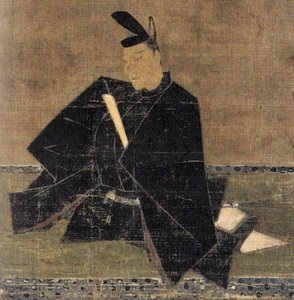
fujiwara no teika, fujiwara no sadaie
1162 - 1241 , Japan
Osnovne informacije
- Artistic Movement Or Style: Waka poetry
- Artists Or Movements Influenced By This Artist:
- Tsunetaka Ochi
- Keika Miyoshi
- Artists Who Influenced This Artist: ['Fujiwara Shunzei']
- Date Of Birth: 1162
- Full Name: Fujiwara Sadaie / Teika
- Nationality: Japanese
- Notable Artworks:
- Hyakushi
- Ogura-shikishi
- Place Of Birth: Kyoto, Japan
Povezani članci

Katsushika Hokusai: 25 Remek-dela Japanskog Umetnika za Vaš Dom | ArtsDot
Uronite u svet Katsushike Hokusaija! Otkrijte 25 remek-dela japanskog umetnika, uključujući čuveni 'Veliki talas'. Ukiyo-e štampe, pejzaži i istorija iza svakog dela. Pronađite inspiraciju za dekor enterijera i kupite reprodukcije slika vrhunskog kvaliteta na ArtsDot.com.
Serenity on Canvas: A Guide to the Timeless Beauty of Japanese Landscape Painting
Discover the serene beauty of Japanese landscape painting. From Hokusai's iconic woodblock prints to meditative sumi-e ink washes, explore a visual journey through the 'floating world' and learn how to bring this timeless Zen aesthetic into your modern home decor.
Ephemeral Expressions: Exploring the Nuances of Ink on Paper Through History & Contemporary Art
Explore the captivating world of ink wash painting – from its ancient origins to contemporary masters. Discover techniques, symbolism & conservation insights with ArtsDot.com.
Floating World: The Captivating Art and Legacy of Japanese Ukiyo-e
Explore the profound beauty of Japanese Ukiyo-e. Discover the history, masters like Hokusai, and the enduring legacy of the 'Floating World' through an expert art-historical lens.
Ukiyo-e: Exploring Japan's Floating World & Enduring Artistic Legacy
Explore the captivating world of Ukiyo-e – Japan's iconic woodblock prints! Discover masters like Hokusai & Hiroshige, learn about Edo period culture, and find expert art collecting guidance at ArtsDot.

