

 Pregledaj u prostoru
 Pošalji
 Podeli
 Detalji o delu

 Преузми
 Slični predmeti
 Rendgenski snimak
 Slajdovi
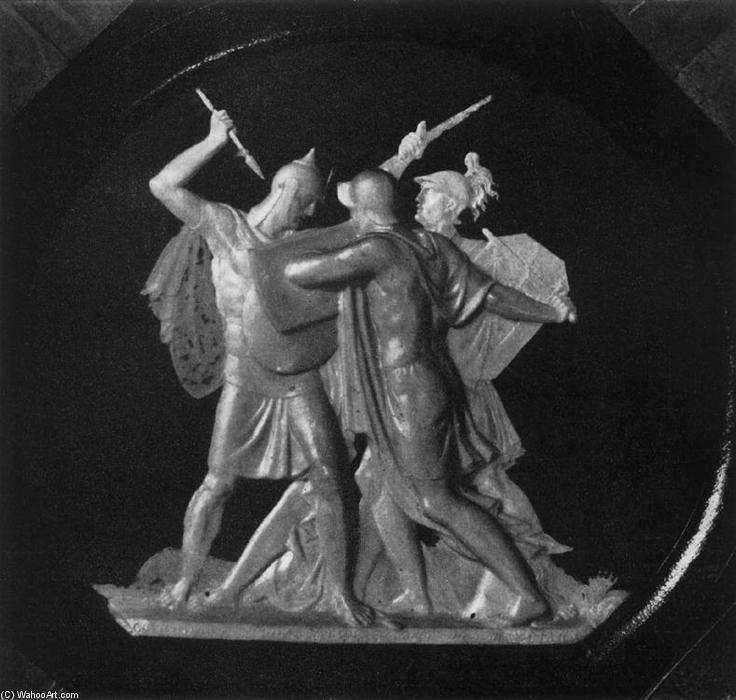
The Battle at Borodino


 Pročitaj više
Ručno rađena uljana reprodukcija
Ručno oslikano uljanim bojama na platnu u dimenzijama i okviru po vašem izboru, izrađeno po porudžbini od strane naših umetnika. ( Kupi print Kupi digitalnu sliku)




P118B $10

P118H $10

P118W $10

P438Z $10

P508JH $12

P508YH $12

P805H $10

P805Z $10

P919BZ $10

P919G $10

P919XJ $10

P959ZH $10

P968JZ $12

W106C $8

W218G $10

W218JH $8

W218Y $10

W307PJ $10

W316G $10

W316PJ $8

W316Y $10

W398PJ $8

W4111J $10

W500HY $15

W500JH $15

W692G $12

W849H $8

W940BG $15

W953PJ $8




Izaberite jednu od naših unapred definisanih veličina koje odgovaraju originalnim proporcijama umetničkog dela.

Можете унети сопствене димензије како бисте прилагодили дело одређеном оквиру или простору. Ако одабрана величина не одговара пропорцијама оригинала, слика ће бити исечена или проширена додатним елементима који се ручно насликавају. Дигитални prikaz ће вам бити послат на одобрење пре почетка производње.
Имајте на уму да преглед на екрану не одражава стварно исецање или проширење. Само приказ (mockup) ће тачно приказати коначну композицију.
Иако су доступне прилагођене величине, препоручујемо да одаберете димензију из дефинисане листе како бисте сачували оригиналне пропорције.
Nakon narudžbine, tim ArtsDot.com će klijentu putem e-pošte poslati uputstva i dostaviti prikaz predloženog rešenja
Isporuka širom sveta () za 3/4 nedelje umesto uobičajenih 5 nedelja. (27 август). Bez kompromisa po pitanju kvaliteta.

Besplatna ekspresna dostava širom sveta

Visokokvalitetno laneno platno

Kompletno osiguranje transporta

Garancija povraćaja carine i uvoznih dažbina

Garancija vernosti boja

Politika povrata u roku od 60 dana (samo u slučaju nedostataka)

Garancija povrata novca od 100%

Popust pri grupnoj kupovini
 Opcija sa staklom dostupna je samo za dimenzije manje od 110 cm

The Battle at Borodino
Tehnika reprodukcije
Dimenzije reprodukcije
-


Konačna cena
$ 313
A Frozen Moment of Fury: Fyodor Tolstoy’s “The Battle at Borodino”
Fyodor Petrovich Tolstoy's 1817 wax relief, "The Battle at Borodino," isn’t merely a depiction of a pivotal moment in the Napoleonic Wars; it’s a carefully constructed tableau of controlled chaos, a testament to the artist’s unwavering commitment to Neoclassical principles. This work, now meticulously reproduced for art lovers worldwide, transports us directly into the heart of one of history's most brutal clashes – the Battle of Borodino, fought on the outskirts of Moscow in 1812. Tolstoy, a member of the esteemed Tolstoy family and a key figure in establishing medal-making traditions within Russia, eschewed the dramatic flourishes of Romanticism, instead opting for a disciplined, almost austere approach that elevates the scene to a level of timeless grandeur.

A Study in Geometric Power: Technique and Composition
Tolstoy’s mastery lies not just in the subject matter, but in his meticulous execution. The relief is rendered primarily in cool tones – grays, browns, and ochres—creating a sense of somber intensity. Lines are paramount; they define the musculature of the warriors, the rigid forms of their armor, and the sharp edges of their weapons. The composition adheres rigidly to classical principles: a dynamic triangular arrangement focuses attention on the central clash, while flanking figures contribute to the overall balance. The use of shading is remarkably restrained, suggesting form and volume through subtle gradations rather than dramatic contrasts. This controlled approach lends an air of dignified severity to the scene – it’s not a chaotic brawl, but a carefully choreographed dance of death.
The choice of wax relief as the medium is significant. Wax allowed for incredible detail and precision, mirroring Tolstoy's commitment to classical ideals. The process itself demanded patience and skill, requiring meticulous layering and polishing to achieve the desired texture and luminosity. Furthermore, wax’s inherent fragility adds a layer of poignant beauty to the work; it speaks to the fleeting nature of life and the enduring power of memory.
Echoes of History: Context and Symbolism
The Battle of Borodino holds immense historical weight – a brutal, bloody encounter that shaped the course of Napoleon’s invasion of Russia. Tolstoy's depiction captures not just the physical violence of the battle, but also its psychological impact. The faces of the warriors are etched with grim determination and exhaustion, conveying the immense cost of conflict. The inclusion of figures like cuirassiers charging into the fray underscores the bravery and sacrifice inherent in warfare. The scene is a stark reminder of the human toll exacted by ambition and conquest.
Beyond its historical significance, “The Battle at Borodino” also carries symbolic weight. The classical style—with its emphasis on idealized forms and heroic narratives—reflects Tolstoy’s belief in the enduring values of order, discipline, and civic virtue. It's a work that speaks to the timeless struggle between good and evil, courage and fear, life and death.
Bringing History Home: Reproduction and Artistic Legacy
Today, ArtsDot offers high-quality reproductions of Tolstoy’s “The Battle at Borodino,” allowing art enthusiasts worldwide to experience this remarkable work firsthand. Each reproduction is meticulously crafted using state-of-the-art printing techniques to faithfully capture the artist's nuanced palette and intricate details. Whether adorning a grand salon or a cozy study, this iconic image serves as a powerful reminder of history’s dramatic moments and the enduring legacy of one of Russia’s most distinguished artists.
Srodna umetnička dela
Biografija umetnika
A Neoclassical Voice Amidst Russian Reform
Fyodor Petrovich Tolstoy (1783-1873) stands as a singular figure in 19th-century Russian art—a sculptor whose meticulous craftsmanship and unwavering adherence to classical ideals offered a profound counterpoint to the burgeoning Romantic fervor sweeping across Europe. Born into the illustrious and aristocratic Tolstoy family, his lineage traced back to influential landowners who wielded considerable sway within the Imperial Court. This noble upbringing instilled in him a disciplined intellect and an appreciation for artistic excellence from a remarkably young age. His father, Count Pyotr Andreyevich Tolstoy, served as Vice-Chancellor of Saint Petersburg University and held a prominent position in the Ministry of War Supplies, shaping Fyodor's worldview through early exposure to discussions on governance, societal responsibility, and the weight of historical legacy.
The seeds of his artistic journey were sown in the intimate setting of his childhood home. Evidence from his earliest sketches, which are now preserved within the esteemed Tretyakov Gallery, suggests that Fyodor’s inclinations were nurtured by his mother, Elizabeth Barbot-de-Marni. Recognizing his innate talent, she encouraged him to pursue painting with great diligence, providing a foundation of technical skill that would later expand into much more complex mediums. His education was remarkably comprehensive, far beyond the mere strokes of a brush; he immersed himself in the study of mathematics, astronomy, political economy, zoombology, archaeology, and numismatics. This multidisciplinary approach cultivated a discerning aesthetic sensibility, allowing him to approach sculpture and medal-making with a scientific precision that few of his contemporaries could match.
Mastery of Form and the Classical Ideal
As his career progressed, Tolstoy became a master of diverse and delicate mediums, including wax reliefs, watercolours, medallions, and silhouettes. His work is distinguished by a certain cool detachment and an economical use of form that epitomizes the Neoclassical style. While the era around him began to embrace the emotional turbulence and dramatic shadows of Romanticism, Tolstoy remained steadfast in his commitment to the clarity and balance of antiquity. This dedication was perhaps most evident in his celebrated wax reliefs, such as The Battle at Borodino (1817). In this work, he does not merely depict a pivotal moment of the Napoleonic Wars; rather, he constructs a carefully controlled tableau of chaos, using the soft, malleable nature of wax to capture the intensity of the conflict through a lens of disciplined composition.
His contributions to the art of the medal were equally transformative. As a pioneer of medal working in Russia, he brought a level of detail and historical gravity to the medium that elevated it from mere ornamentation to a significant form of historical documentation. His ability to translate monumental events into small, portable, yet deeply expressive objects allowed him to capture the spirit of his age with an intimacy that larger-scale monuments often lacked. This technical mastery was complemented by his long-standing leadership within the artistic community, having served as the Vice-President of the Imperial Academy of Arts for forty years between 1828 and 1868.
Legacy and Historical Significance
The life of Fyodor Petrovich Tolstoy was a bridge between the rigid traditions of the past and the evolving identity of the Russian Empire. His career spanned nearly a century of profound social and political change, yet his artistic output remained anchored in the enduring power of classical principles. Through his work, he provided a sense of continuity and stability, reflecting the values of an era that sought to find order within the shifting tides of history.
Today, the significance of his oeuvre is recognized through several key achievements:
- Foundational Role in Russian Numismatics: He is credited with establishing and refining the art of medal-making within the Russian imperial tradition.
- Institutional Leadership: His four-decade tenure as Vice-President of the Imperial Academy of Arts allowed him to shape the direction of artistic education and standards in Russia.
- Preservation of History: Through his wax reliefs and medallions, he created a permanent, tactile record of significant historical milestones, such as the 1812 uprising and the Battle of Borodino.
- Stylistic Integrity: He remains one of the most pure representatives of Neoclassicism in Russia, offering a sophisticated alternative to the more emotive movements of his time.
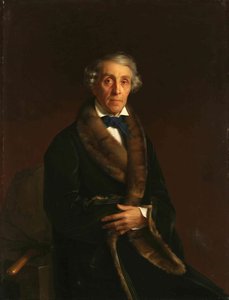
fyodor petrovich tolstoy
1783 - 1873
Osnovne informacije
- Artistic Movement Or Style: Neoclassical
- Artists Or Movements Influenced By This Artist: ['Classical Art']
- Artists Who Influenced This Artist: ['Orest Kiprensky']
- Date Of Birth: February 21, 1783
- Date Of Death: April 25, 1873
- Full Name: Fyodor Petrovich Tolstoy
- Nationality: Russian
- Notable Artworks:
- The Battle at Borodino
- The Uprising in 1812
- Place Of Birth: St. Petersburg, Russia
Povezani članci
Ivan Bilibin: A Synthesis of Folklore, Modernism & National Identity in Russian Illustration
Explore the enchanting world of Ivan Bilibin, a master Russian illustrator who synthesized folklore, Art Nouveau & national identity. Discover his iconic fairy tale illustrations and legacy with ArtsDot.
Victor Vasnetsov: Myth, Nationalism & the Revival of Russian Fairy Tale Painting
Explore the captivating world of Victor Vasnetsov, a co-founder of Russian folklorist painting. Discover his iconic works, influence on national identity, and lasting legacy in this expert guide.
Vladimir Makovsky: Realism, Social Commentary & Russian Life in Late 19th-Century Painting
Explore the captivating world of Vladimir Makovsky, a leading Russian realist painter. Discover his insightful depictions of 19th-century life, social commentary & legacy with ArtsDot.
Sculpting with Soul: An Expert Guide to the Tactile Elegance of Plaster Relief Art
Discover the captivating world of plaster relief art. Our expert guide explores the history, techniques, and curation of textured bas-relief, helping collectors bring depth, light, and soulful dimension to their modern interiors through sophisticated sculptural masterpieces.
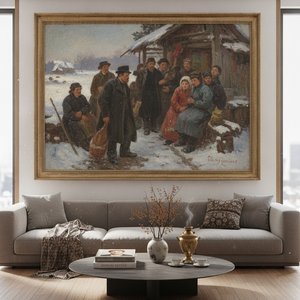
Discover Russian Realism: Soulful Masterpieces and the Timeless Spirit of the Peredvizhniki for Your Modern Home
Elevate your home with the soulful beauty of Russian Realism. Discover exquisite hand-painted reproductions of Peredvizhniki masterpieces, from lyrical landscapes to profound portraits, curated to bring historical depth and timeless elegance to your modern interior design.

