

 Pregledaj u prostoru
 Pošalji
 Podeli
 Detalji o delu

 Преузми
 Slični predmeti
 Rendgenski snimak
 Slajdovi
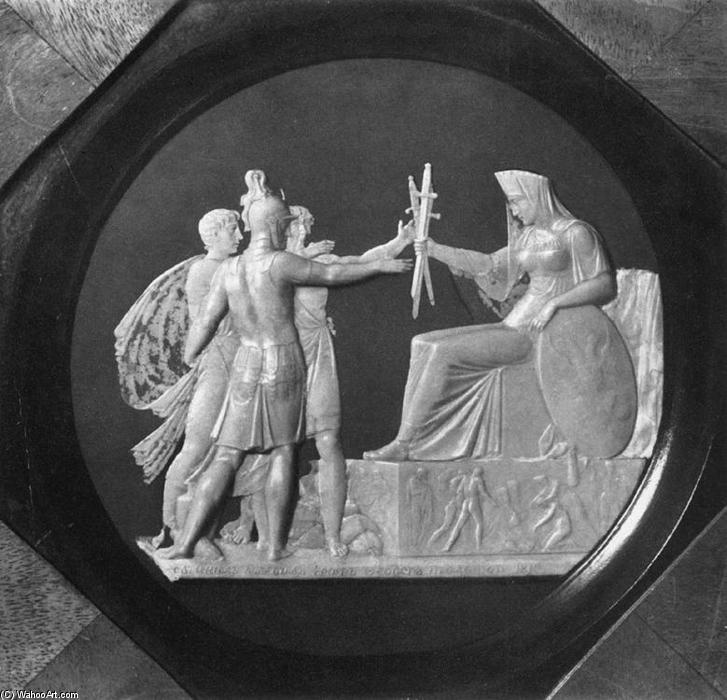
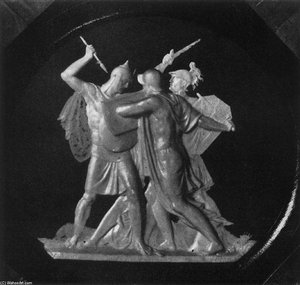
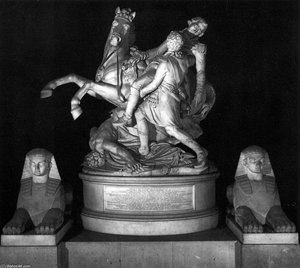
The Uprising in 1812


 Pročitaj više
Kupite digitalnu sliku visoke rezolucije i poboljšanog kvaliteta, koja je znatno superiornija od onoga što vidite u online prikazu.
Svaka datoteka je pedantno pripremljena od strane naših stručnjaka koristeći napredne alate i profesionalnu ručnu retušu. Osiguravamo da svaka slika ima izuzetnu oštrinu, preciznu reprodukciju boja i fine detalje.
Konačna datoteka se dostavlja putem e-pošte u roku od 72 sata, optimizovana za neposrednu upotrebu u profesionalnim, izdavačkim i štamparskim okruženjima. To je isti kvalitet kojem veruju vrhunski studiji dizajna, izdavači i galerije.
Digitalna slika
Preuzmite datoteku visoke rezolucije za ličnu upotrebu, štampanje i kreativne projekte. ( Kupi print Kupi ručno naslikanu sliku)
Uključeno uz svaku porudžbinu digitalne slike
Profesionalna digitalna isporuka, zagarantovana
Kada odaberete ArtsDot.com, ne dobijate samo sliku – vi primate profesionalno unapređeno digitalno umetničko delo, izrađeno sa najvećom preciznošću i uz garanciju zadovoljstva. Evo svega što automatski dolazi uz vašu porudžbinu:

Brza dostava putem e-pošte
Vaša digitalna slika visoke rezolucije biće vam poslata putem e-pošte u roku od 72 sata od poručivanja – spremna za trenutnu upotrebu.

Digitalna datoteka unapređena veštačkom inteligencijom
Vaše umetničko delo je profesionalno optimizovano korišćenjem naprednih AI alata i ručne obrade, čime se osiguravaju maksimalni detalji, oštrina i preciznost boja.

Besplatna ponovna isporuka doživotno
Slučajno ste obrisali ili izgubili svoju datoteku? Ne brinite – poslaćemo vam je ponovo u bilo kom trenutku, potpuno besplatno.

Bez troškova uvoza – zauvek
Uživajte u svojim umetničkim delima trenutno, bez carine, dažbina ili troškova dostave – digitalni download je uvek bez poreza.

Garancija vernosti boja
Uz pomoć profesionalnih alata i upravljanja bojama, osiguravamo da vaša digitalna slika što vernije odražava originalne boje.

Garancija zadovoljstva u roku od 60 dana
Ako niste zadovoljni svojom digitalnom slikom, revidirat ćemo je ili vratiti 100% novca u roku od 60 dana – bez ikakvih pitanja.

100% garancija povrata novca
Niste zadovoljni? Obezbedite pun povrat novca u roku od 60 dana od trenutka kada ste primili svoju digitalnu datoteku – bez suvišnih pitanja.

Popusti na velike porudžbine
Kupite 3 slike, uštedite 10% - Kupite 5 slika, uštedite 15% - Kupite 10+ slika, uštedite 20%. Odlično za kreativne projekte, galerije i agencije.
Fyodor Tolstoy: A Neoclassical Voice Amidst Russian Reform
Fyodor Petrovich Tolstoy (1783-1873) stands as a singular figure in 19th-century Russian art—a sculptor whose meticulous craftsmanship and unwavering adherence to classical ideals offered a counterpoint to the burgeoning Romantic fervor sweeping across Europe. Born into the aristocratic Tolstoy family, his lineage traced back to influential landowners who wielded considerable sway within the Imperial Court, Fyodor’s upbringing instilled in him a disciplined intellect and an appreciation for artistic excellence from a remarkably young age. His father, Pyotr Andreyevich Tolstoy, served as Vice-Chancellor of Saint Petersburg University and held a prominent position in the Ministry of War Supplies, shaping Fyedor's worldview with discussions on governance and societal responsibility. Early Artistic Training and Influences From his childhood sketches—now housed within the Tretyakov Gallery—evidence suggests that Fyodor’s artistic journey began early, nurtured by familial encouragement and exposure to intellectual discourse. Recognizing his innate talent, his father ensured he received a comprehensive education encompassing mathematics, astronomy, political economy, zoology, archaeology, and numismatics – disciplines deemed crucial for cultivating a discerning aesthetic sensibility. Notably, Tolstoy's formative years coincided with the rise of Romanticism, a movement prioritizing emotion and imagination over reason and form; however, Fyodor steadfastly championed Neoclassicism, mirroring the stylistic preferences of his time and reflecting a profound belief in the enduring power of classical ideals. This dedication to tradition would define his artistic output throughout his illustrious career. Notable Works and Artistic Style Tolstoy’s oeuvre is characterized by an exceptional level of detail and technical mastery—a testament to his unwavering commitment to classical principles. Among his most celebrated creations are “The Battle at Borodino” (1817) and “The Uprising in 1812” (1816), monumental wax reliefs depicting pivotal moments in Russian history with breathtaking realism. These sculptures exemplify Neoclassical aesthetics, employing idealized figures draped in flowing robes reminiscent of ancient Greek and Roman statues—a deliberate stylistic choice intended to convey grandeur, nobility, and moral virtue. The sculptor’s meticulous attention to shading and texture imbues the artworks with palpable depth and dimensionality, capturing the dynamism of battle and the solemn dignity of commemoration. Furthermore, Tolstoy skillfully utilized line to delineate forms, creating a harmonious balance between solidity and grace—a hallmark of Neoclassical sculpture. Symbolism and Emotional Impact Beyond mere representation, Tolstoy’s sculptures resonate with profound symbolic meaning. “The Battle at Borodino” portrays the heroic struggle against Napoleon's forces, embodying courage, resilience, and patriotism – virtues considered paramount by Fyodor and his contemporaries. The composition underscores the importance of duty and honor, reflecting the moral convictions instilled in him by his father’s intellectual pursuits. Similarly, "The Uprising in 1812" commemorates Russia’s defense against invasion, symbolizing faith, fortitude, and national unity—themes central to Tolstoy's artistic vision. The sculptor’s masterful execution evokes a powerful emotional response in the viewer, transporting them back to the tumultuous era of Napoleonic warfare and inspiring contemplation on themes of heroism and sacrifice. Conclusion: A Legacy of Classical Refinement Fyodor Tolstoy’s contribution to Russian art is undeniable—a beacon of Neoclassical elegance amidst the Romantic surge. His sculptures stand as enduring symbols of intellectual rigor, artistic excellence, and moral conviction—qualities he championed throughout his life and bequeathed to posterity. By upholding classical ideals while simultaneously capturing the spirit of his time, Tolstoy secured a place among Russia’s most revered sculptors, ensuring that his legacy continues to inspire admiration for generations to come.Srodna umetnička dela

Biografija umetnika
A Neoclassical Voice Amidst Russian Reform
Fyodor Petrovich Tolstoy (1783-1873) stands as a singular figure in 19th-century Russian art—a sculptor whose meticulous craftsmanship and unwavering adherence to classical ideals offered a profound counterpoint to the burgeoning Romantic fervor sweeping across Europe. Born into the illustrious and aristocratic Tolstoy family, his lineage traced back to influential landowners who wielded considerable sway within the Imperial Court. This noble upbringing instilled in him a disciplined intellect and an appreciation for artistic excellence from a remarkably young age. His father, Count Pyotr Andreyevich Tolstoy, served as Vice-Chancellor of Saint Petersburg University and held a prominent position in the Ministry of War Supplies, shaping Fyodor's worldview through early exposure to discussions on governance, societal responsibility, and the weight of historical legacy.
The seeds of his artistic journey were sown in the intimate setting of his childhood home. Evidence from his earliest sketches, which are now preserved within the esteemed Tretyakov Gallery, suggests that Fyodor’s inclinations were nurtured by his mother, Elizabeth Barbot-de-Marni. Recognizing his innate talent, she encouraged him to pursue painting with great diligence, providing a foundation of technical skill that would later expand into much more complex mediums. His education was remarkably comprehensive, far beyond the mere strokes of a brush; he immersed himself in the study of mathematics, astronomy, political economy, zoombology, archaeology, and numismatics. This multidisciplinary approach cultivated a discerning aesthetic sensibility, allowing him to approach sculpture and medal-making with a scientific precision that few of his contemporaries could match.
Mastery of Form and the Classical Ideal
As his career progressed, Tolstoy became a master of diverse and delicate mediums, including wax reliefs, watercolours, medallions, and silhouettes. His work is distinguished by a certain cool detachment and an economical use of form that epitomizes the Neoclassical style. While the era around him began to embrace the emotional turbulence and dramatic shadows of Romanticism, Tolstoy remained steadfast in his commitment to the clarity and balance of antiquity. This dedication was perhaps most evident in his celebrated wax reliefs, such as The Battle at Borodino (1817). In this work, he does not merely depict a pivotal moment of the Napoleonic Wars; rather, he constructs a carefully controlled tableau of chaos, using the soft, malleable nature of wax to capture the intensity of the conflict through a lens of disciplined composition.
His contributions to the art of the medal were equally transformative. As a pioneer of medal working in Russia, he brought a level of detail and historical gravity to the medium that elevated it from mere ornamentation to a significant form of historical documentation. His ability to translate monumental events into small, portable, yet deeply expressive objects allowed him to capture the spirit of his age with an intimacy that larger-scale monuments often lacked. This technical mastery was complemented by his long-standing leadership within the artistic community, having served as the Vice-President of the Imperial Academy of Arts for forty years between 1828 and 1868.
Legacy and Historical Significance
The life of Fyodor Petrovich Tolstoy was a bridge between the rigid traditions of the past and the evolving identity of the Russian Empire. His career spanned nearly a century of profound social and political change, yet his artistic output remained anchored in the enduring power of classical principles. Through his work, he provided a sense of continuity and stability, reflecting the values of an era that sought to find order within the shifting tides of history.
Today, the significance of his oeuvre is recognized through several key achievements:
- Foundational Role in Russian Numismatics: He is credited with establishing and refining the art of medal-making within the Russian imperial tradition.
- Institutional Leadership: His four-decade tenure as Vice-President of the Imperial Academy of Arts allowed him to shape the direction of artistic education and standards in Russia.
- Preservation of History: Through his wax reliefs and medallions, he created a permanent, tactile record of significant historical milestones, such as the 1812 uprising and the Battle of Borodino.
- Stylistic Integrity: He remains one of the most pure representatives of Neoclassicism in Russia, offering a sophisticated alternative to the more emotive movements of his time.
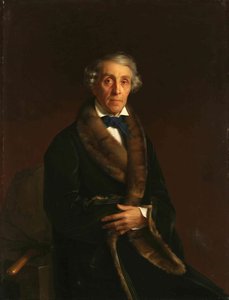
fyodor petrovich tolstoy
1783 - 1873
Kratke činjenice
- Artistic Movement Or Style: Neoclassical
- Artists Or Movements Influenced By This Artist: ['Classical Art']
- Artists Who Influenced This Artist: ['Orest Kiprensky']
- Date Of Birth: February 21, 1783
- Date Of Death: April 25, 1873
- Full Name: Fyodor Petrovich Tolstoy
- Nationality: Russian
- Notable Artworks:
- The Battle at Borodino
- The Uprising in 1812
- Place Of Birth: St. Petersburg, Russia

