

 Pregledaj u prostoru
 Pošalji
 Podeli
 Detalji o delu

 Преузми
 Slični predmeti
 Rendgenski snimak
 Slajdovi
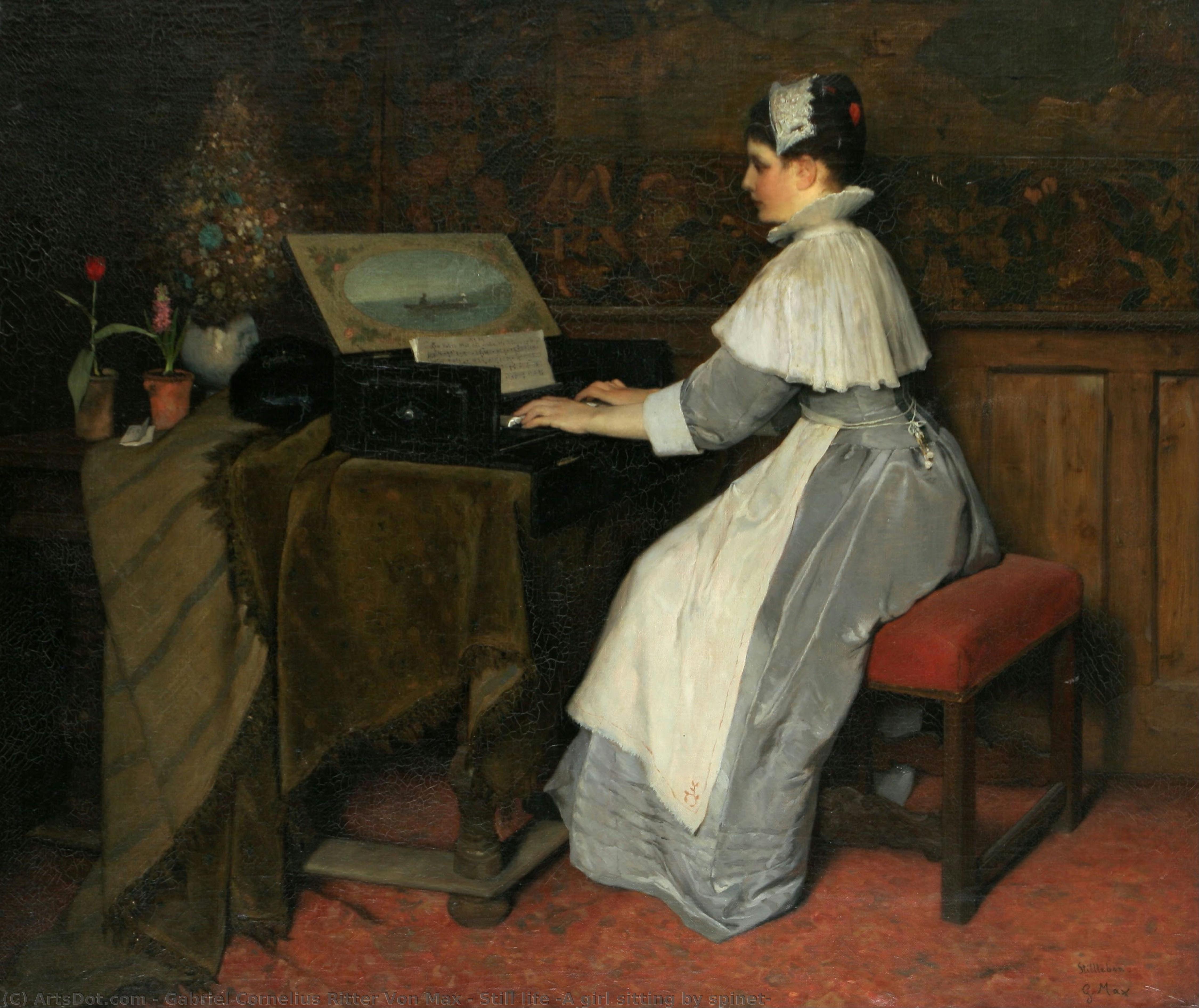
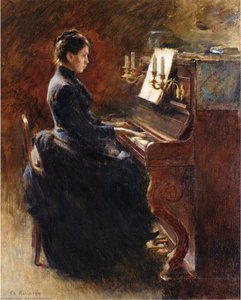
Still life (A girl sitting by spinet)


 Pročitaj više
Ručno rađena uljana reprodukcija
Ručno oslikano uljanim bojama na platnu u dimenzijama i okviru po vašem izboru, izrađeno po porudžbini od strane naših umetnika. ( Kupi print Kupi digitalnu sliku)




































Izaberite jednu od naših unapred definisanih veličina koje odgovaraju originalnim proporcijama umetničkog dela.

Можете унети сопствене димензије како бисте прилагодили дело одређеном оквиру или простору. Ако одабрана величина не одговара пропорцијама оригинала, слика ће бити исечена или проширена додатним елементима који се ручно насликавају. Дигитални prikaz ће вам бити послат на одобрење пре почетка производње.
Имајте на уму да преглед на екрану не одражава стварно исецање или проширење. Само приказ (mockup) ће тачно приказати коначну композицију.
Иако су доступне прилагођене величине, препоручујемо да одаберете димензију из дефинисане листе како бисте сачували оригиналне пропорције.
Nakon narudžbine, tim ArtsDot.com će klijentu putem e-pošte poslati uputstva i dostaviti prikaz predloženog rešenja
Isporuka širom sveta () za 3/4 nedelje umesto uobičajenih 5 nedelja. (22 август). Bez kompromisa po pitanju kvaliteta.

Besplatna ekspresna dostava širom sveta

Visokokvalitetno laneno platno

Kompletno osiguranje transporta

Garancija povraćaja carine i uvoznih dažbina

Garancija vernosti boja

Politika povrata u roku od 60 dana (samo u slučaju nedostataka)

Garancija povrata novca od 100%

Popust pri grupnoj kupovini
 Opcija sa staklom dostupna je samo za dimenzije manje od 110 cm

Still life (A girl sitting by spinet)
Tehnika reprodukcije
Dimenzije reprodukcije
-


Konačna cena
$ 263
Srodna umetnička dela
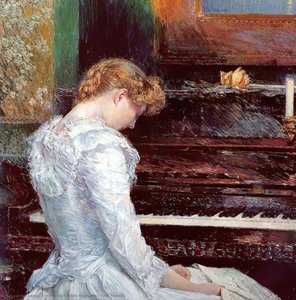
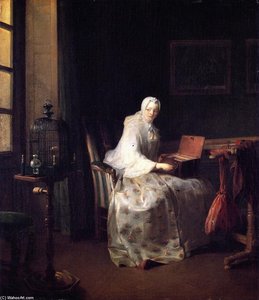
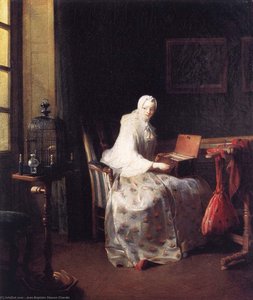
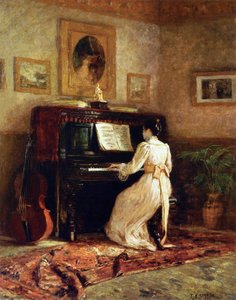
Biografija umetnika
Gabriel Cornelius Ritter von Max: A Visionary of Mysticism and Anthropology
Gabriel Cornelius Ritter von Max (1840-1915) was a profoundly singular figure in 19th-century Austrian art, an artist whose work defies easy categorization. Born in Prague to a sculptor father and a musician mother, his early life fostered a deep appreciation for both artistic expression and intellectual curiosity. He wasn’t simply a painter; he was a collector of anthropological artifacts, a student of esoteric philosophies, and a meticulous observer of the human condition – all these facets profoundly shaped his unique artistic vision. Max's oeuvre is characterized by a haunting beauty, often imbued with a sense of melancholy and spiritual yearning, reflecting his fascination with mysticism, symbolism, and the darker aspects of human experience. His distinctive style, dubbed “unglücksmalerei” (unhappiness painting) by critics, utilized a deliberately dark palette and psychologically charged imagery to explore themes of mortality, faith, and the mysteries of existence.Early Life and Artistic Training
Max’s artistic journey began with his father, Josef Max, a sculptor who instilled in him an early understanding of form and technique. However, it was at the Prague Academy of Arts that he truly discovered his intellectual passions. He immersed himself in subjects far removed from traditional academic painting – parapsychology, Darwinism, Asiatic philosophy, and the writings of Schopenhauer. This eclectic education, guided by his mentor Eduard von Engerth, laid the groundwork for his later exploration of mystical allegories. He then moved to Vienna’s Academy, studying under figures like Karl von Blaas and Karl Mayer, absorbing their technical skills while simultaneously forging his own distinctive path. Crucially, he encountered the ideas of Franz du Prel and Albert Keller, key figures in the burgeoning spiritual-mystical movement that would heavily influence his work. The Piloty School, where he studied briefly with Karl Theodor von Piloty, provided a foundation in composition and technique, but Max quickly diverged from the prevailing trends, establishing his own unique style rooted in psychological depth and symbolic richness.The Development of a Distinctive Style
Max’s artistic development can be traced through a fascinating evolution of palette and subject matter. Initially influenced by the “unglücksmalerei” – the dark, somber aesthetic championed by Karl Theodor von Piloty – he employed this technique to depict religious and mythological scenes with an intense emotional resonance. His early masterpiece, "Martyr at the Cross" (1867), exemplifies this shift, transforming a traditional subject into a psychologically complex meditation on suffering and faith. However, unlike Piloty, Max didn’t simply replicate darkness; he used it to create a profound sense of atmosphere and psychological depth. Later in his career, he moved towards a more muted palette, favoring subtle gradations of color and focusing on the interplay of light and shadow. His paintings often feature ethereal figures bathed in soft luminescence, conveying a sense of otherworldly beauty and spiritual transcendence. The influence of his extensive collection of anthropological artifacts is also evident in his work, particularly in depictions of animals – sometimes rendered as human-like figures – that reflect his fascination with the interconnectedness of nature and humanity.Notable Works and Influences
Several paintings stand out as testaments to Max’s unique artistic vision. “The Last Token” (Metropolitan Museum) is a prime example of his ability to imbue seemingly simple subjects with profound symbolic meaning, while "Light" (Odessa Museum of Western and Eastern Art) showcases his mastery of atmospheric effects and his exploration of spiritual themes. His fascination with monkeys—he kept a collection in his Munich home for many years—is vividly depicted in several works, blurring the boundaries between species and prompting reflections on human nature. Beyond his own artistic explorations, Max was deeply influenced by the Blue Rider movement, though he maintained a distinct identity within this broader circle of artists. The meticulous documentation of his monkey collection – hundreds of photographs and sketches – reveals his commitment to observation and his desire to translate reality into art.Legacy and Historical Significance
Gabriel von Max’s artistic legacy is one of quiet intensity and profound introspection. While he didn't achieve widespread fame during his lifetime, his work has since been recognized for its originality and emotional depth. His exploration of mystical themes, combined with his anthropological interests and distinctive style, established him as a significant figure in the Secessionist movement and a precursor to Expressionism. His collection of artifacts, now housed in the Reiss Engelhorn Museum in Mannheim, offers a fascinating glimpse into his intellectual pursuits and provides valuable context for understanding his artistic vision. Max’s life and work serve as a reminder that art can be both a reflection of the world around us and a window into the deepest mysteries of human experience.
gabriel cornelius ritter von max
1840 - 1915
Osnovne informacije
- Artistic Movement Or Style: Secessionist, Mystical Allegories
- Artists Or Movements Influenced By This Artist: ['Blue Rider Movement']
- Artists Who Influenced This Artist:
- Eduard von Engerth
- Karl von Blaas
- Franz von Lenbach
- Date Of Birth: 1840
- Date Of Death: 1915
- Full Name: Gabriel Cornelius Ritter von Max
- Nationality: Austrian-German
- Notable Artworks:
- Martyr at the Cross
- The Last Token
- Light
- Place Of Birth: Prague, Austria-Hungary
Povezani članci
Dante Gabriel Rossetti: 25 Remek-dela Pre-Raphaelita i Inspiracija za Vaš Dom
Istražite 25 remek-dela Dante Gabriel Rossettija, ikone Pre-Raphaelita! Otkrijte priče iza slika, simbolizam i inspiraciju za vaš dom. Kvalitetne reprodukcije na ArtsDot.com.
25 Remek-dela Maksa Ernsta: Surrealistička Vizija za Vaš Dom | ArtsDot
Istražite 25 remek-dela Maksa Ernsta, ikona surrealizma. Otkrijte priče iza apstraktnih slika, inovativnih tehnika i psiholoških vizija ovog nemačkog umetnika. Kupite reprodukcije vrhunskog kvaliteta za dekoraciju enterijera na ArtsDot.com!

The Enduring Legacy of Oil on Canvas: Technique, History & Aesthetic Impact
Explore the rich history & techniques of oil painting – from Renaissance masters to Impressionism. Discover pigments, layering methods, and why this timeless medium endures. Expert insights for artists & art enthusiasts.

Oil on Canvas: A Historical & Technical Exploration of a Timeless Artistic Medium
Explore the rich history & enduring techniques of oil painting on canvas. Discover the science behind its longevity, conservation practices, and contemporary relevance. Expert insights for art enthusiasts.

The Enduring Power of Painting: A Historical & Contemporary Exploration of Form and Emotion
Explore the rich history & enduring techniques of oil painting with ArtsDot. Discover masterpieces, learn about art collecting, and find authentic handmade reproductions crafted by skilled artists.

