

 Pošalji
 Podeli
 Detalji o delu

 Преузми
 Slični predmeti
 Slajdovi
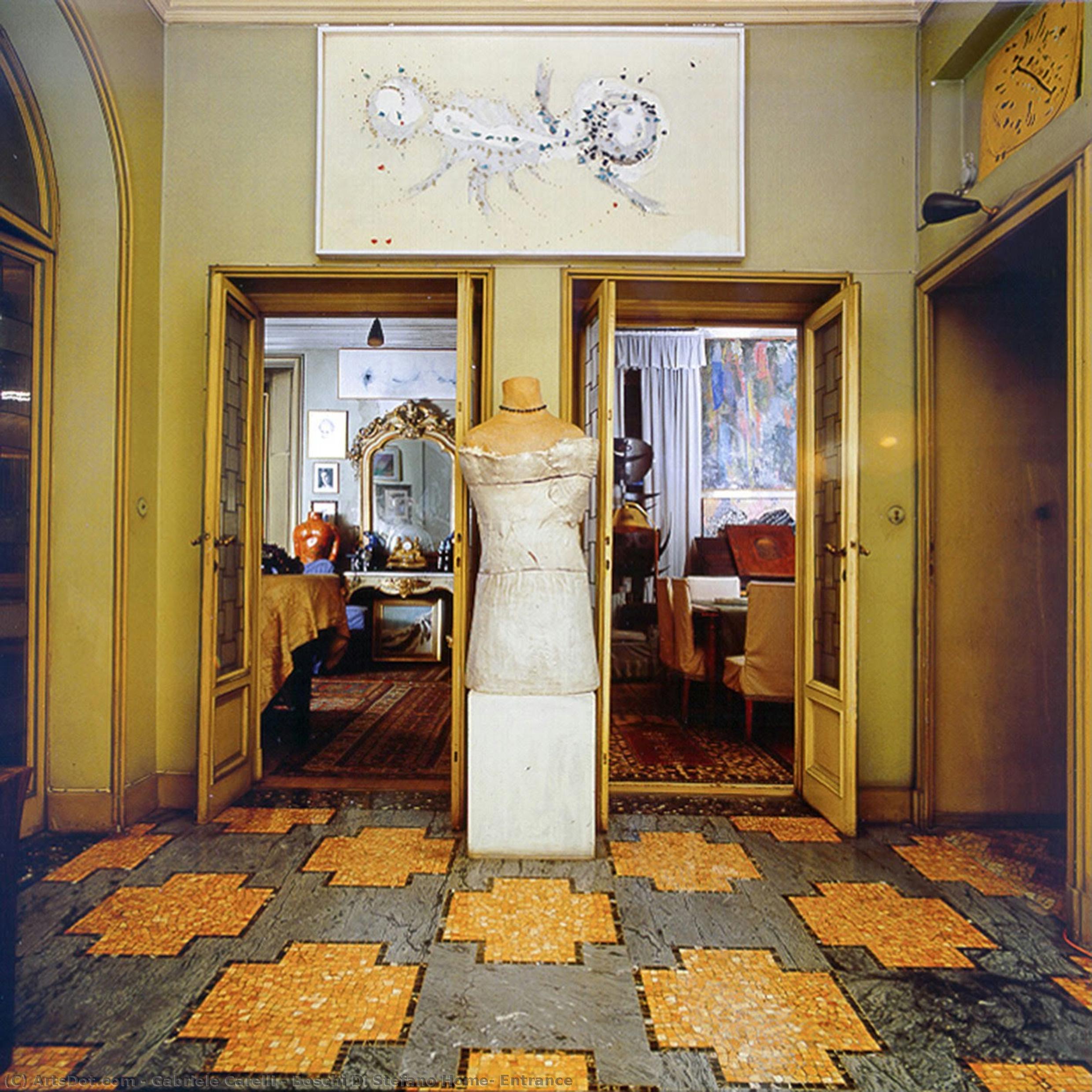
Boschi Di Stefano Home: Entrance


 Pročitaj više
Ručno rađena uljana reprodukcija
Ručno oslikano uljanim bojama na platnu u dimenzijama i okviru po vašem izboru, izrađeno po porudžbini od strane naših umetnika. ( Kupi print Kupi digitalnu sliku)




































Izaberite jednu od naših unapred definisanih veličina koje odgovaraju originalnim proporcijama umetničkog dela.

Можете унети сопствене димензије како бисте прилагодили дело одређеном оквиру или простору. Ако одабрана величина не одговара пропорцијама оригинала, слика ће бити исечена или проширена додатним елементима који се ручно насликавају. Дигитални prikaz ће вам бити послат на одобрење пре почетка производње.
Имајте на уму да преглед на екрану не одражава стварно исецање или проширење. Само приказ (mockup) ће тачно приказати коначну композицију.
Иако су доступне прилагођене величине, препоручујемо да одаберете димензију из дефинисане листе како бисте сачували оригиналне пропорције.
Nakon narudžbine, tim ArtsDot.com će klijentu putem e-pošte poslati uputstva i dostaviti prikaz predloženog rešenja
Isporuka širom sveta () za 3/4 nedelje umesto uobičajenih 5 nedelja. (22 август). Bez kompromisa po pitanju kvaliteta.

Besplatna ekspresna dostava širom sveta

Visokokvalitetno laneno platno

Kompletno osiguranje transporta

Garancija povraćaja carine i uvoznih dažbina

Garancija vernosti boja

Politika povrata u roku od 60 dana (samo u slučaju nedostataka)

Garancija povrata novca od 100%

Popust pri grupnoj kupovini
 Opcija sa staklom dostupna je samo za dimenzije manje od 110 cm

Boschi Di Stefano Home: Entrance
Tehnika reprodukcije
Dimenzije reprodukcije
-


Konačna cena
$ 263
Opis umetničkog dela
Gabriele Carelli’s “Boschi Di Stefano Home: Entrance” – A Window into Naples’ Aristocratic Soul
The photograph presented here, "Boschi Di Stefano Home: Entrance," offers a captivating glimpse into the meticulously crafted world of Gabriele Carelli, a pivotal figure in 19th-century Neapolitan landscape painting. Executed in 1982, this image, likely derived from one of Carelli’s numerous sketches and watercolors, transcends a simple architectural depiction; it's a carefully constructed tableau brimming with historical resonance and subtle symbolism. The scene unfolds within the entrance hall of the Boschi Di Stefano home, a residence that speaks volumes about the tastes and aspirations of Naples’ elite during Carelli’s lifetime – a period defined by opulent patronage and a deep connection to the region’s artistic heritage.
- The Artist's Context: Gabriele Carelli (1821-1900), born in Naples, was steeped in the traditions of the Posillipo school, renowned for its romanticized depictions of the Bay of Naples. His father, Raffaele Carelli, further solidified this lineage, shaping young Gabriele’s artistic sensibilities from an early age.
- A Traveler's Eye: Carelli’s travels, particularly his extended tours with the 6th Duke of Devonshire across Sicily, Greece, Asia Minor, and Constantinople, profoundly influenced his work. These expeditions broadened his palette, exposing him to diverse landscapes and architectural styles that he skillfully integrated into his paintings.
Composition and Technique – A Study in Controlled Detail
Carelli’s technique is immediately apparent: a meticulous attention to detail combined with a restrained color palette characteristic of the watercolor medium. The black-and-white photograph emphasizes the textures—the smooth surface of the mannequin, the worn fabric of the chairs, the aged wood of the dining table. The composition itself is deliberately formal, reflecting the aristocratic sensibilities of the era. The central placement of the mannequin, a recurring motif in Carelli’s work, suggests an interest in classical ideals of beauty and proportion. Notice how he uses light to create depth, highlighting specific objects while subtly obscuring others – a technique frequently employed by artists seeking to evoke a sense of mystery and contemplation.
- Watercolor Mastery: Carelli’s use of watercolor is particularly noteworthy. He skillfully layered washes to achieve subtle gradations in tone, creating a luminous effect that was highly valued during his time.
- Genre Blending: Like many artists of the period, Carelli seamlessly blended landscape elements with genre scenes – capturing not just the beauty of the surroundings but also the human activities within them.
Symbolism and Emotional Resonance
"Boschi Di Stefano Home: Entrance" is more than just a snapshot; it’s a carefully curated narrative. The mannequin, often interpreted as representing classical ideals or even a silent observer of domestic life, adds an element of timelessness to the scene. The presence of objects – the clock, the book, the vase – further enriches the composition, hinting at themes of time, knowledge, and refinement. The overall atmosphere evokes a sense of quiet contemplation, inviting the viewer to consider the lives lived within these walls. It’s a poignant reminder of a bygone era, when art played a central role in shaping domestic spaces and reflecting social status.
- Historical Significance: The image offers a valuable window into the interior design trends of 19th-century Naples – a period marked by a revival of classical motifs and an emphasis on luxurious materials.
- Emotional Impact: Despite its formal composition, the photograph possesses a subtle emotional resonance, inviting viewers to imagine the stories behind the objects and the people who once inhabited this space.
Perfect for Reproduction – Bringing Carelli’s Vision Home
ArtsDot offers a meticulously crafted hand-painted reproduction of “Boschi Di Stefano Home: Entrance,” allowing you to bring Carelli's masterful artistry into your own home or office. Our skilled artisans employ traditional techniques and archival quality materials to faithfully recreate the original image, ensuring that every detail – from the subtle nuances of light and shadow to the delicate textures – is preserved with exceptional accuracy. This reproduction isn’t merely a print; it’s a timeless work of art that will enrich your space for generations to come.
Srodna umetnička dela

Biografija umetnika
rani život i obuka
Gabriele Carelli, istinski majstor italijanske umetnosti, rođen je u Napulju 1821. godine. Njegov umetnički put bio je duboko ukorenjen u porodičnu tradiciju, kao sin Raffaele Carellija, istaknutog slikara škole Posillipo. Od najranijih dana, Gabrijel je bio oblikovan pod očevim stručnim okom i snažnim uticajem, što mu je omogućilo da se razvije u samostalnog i renomiranog pejzažnog slikara čiji su radovi postali sinonim za prefinjenost.umetnički stil i doprinos umetnosti
Carellijev umetnički izraz najviše je blistao kroz njegove pejzažne slike, u kojima je majstorstvo spajanja prirode i svakodnevnih scena pretvorio u čistu poeziju. Njegova avanturistička duša vodila ga je na prostrana putovanja; prateći š sixth duk od Devonšira, istraživao je Siciliju, Grčku, Aziju i Konstantinopolj. Svaki poseti svaki pejzaž beležio je nežnim akvarelima, čime su njegove umetničke vidike proširili nepoznati horizonti i raznolikost svetskih predela.istaknuta dela i izložbe
Njegov rad ostavio je neizbrisiv trag kroz remek-dela koja danas krasićemo u prestižnim galerijama, kao što su:- unutrašnjost sakristije crkve S. Maria del Parto sa spomenikom Jakovu Sannazaru (Palata Capodimonte, Napulj, Italija)
- ruine Paestuma (akvarel, Palata Capodimonte, Napulj, Italija)
- izložbe u Napulju (1841, 1845 i 1851-1859) i česte izložbe u Londonu (1866-1892)
nasleđe i kraljevski pokroviteljstvo
Carlijev talenat nije prošao neprimećen, jer je njegovo delo privuklo pažnju same kraljice Viktorije, koja je postala njegova pokroviteljka. Njegovi akvarelni prikazi Engleske, Italije i Francuske danas čine dragoceni deo kraljevske kolekcije u rezidencijama Osborne House i Windsor Castle, svedočeći o univerzalnoj lepoti njegovog stvaralaštva.pripadnost školi Posillipo
Kao značajan član škole Posillipo, Gabriele Carelli je igrao ključnu ulogu u razvoju pejzažnog slikarstva u Italiji. Ova grupa umetnika iz Napulja bila je posvećena suptilnom hvatanju duha i ljupke estetike italijanskog krajolika.- pogledajte više dela umetnika Gabriele Carelli na [https://ArtsDot.com/@/gabriele-carelli](https://ArtsDot.com/@/gabriele-carelli)
- istražite školu Posillipo i njen uticaj na italijansku umetnost na [https://en.wikipedia.org/wiki/school_of_posillipo](https://en.wikipedia.org/wiki/school_of_posillipo)
poslednji dani i smrt
Gabriele Carelli je preminuo 1900. godine, ali je za sobom ostavio neprolazno nasleđe prelepih pejzaža koji i danas, preko vekova, nesumnjivo inspirišu sve ljubitelje umetnosti širom sveta.
Gabrijele Kareli
1821 - 1900 , Italija
Osnovne informacije
- Artistic Movement Or Style: Škola Posilipo
- Artists Or Movements Influenced By This Artist: ['Škola Posilipo']
- Artists Who Influenced This Artist: ['Rafaele Kareli']
- Date Of Birth: 1821. u Napulju, Italija
- Date Of Death: 1900.
- Full Name: Gabrijel Kareli
- Nationality: Italijan
- Notable Artworks:
- Unutrašnjost sakristije Sv. Marije
- Ruševine Paestuma
- Place Of Birth: Napulj, Italija
Povezani članci

Monochrome Visions: Exploring the Aesthetic & Historical Significance of Black & White Photography
Explore the rich history & artistic power of black and white photography. From early techniques to iconic masters like Ansel Adams, discover why monochrome continues to captivate art lovers today. Expert insights for collectors.

Dante Gabriel Rossetti: 25 Remek-dela Pre-Raphaelita i Inspiracija za Vaš Dom
Istražite 25 remek-dela Dante Gabriel Rossettija, ikone Pre-Raphaelita! Otkrijte priče iza slika, simbolizam i inspiraciju za vaš dom. Kvalitetne reprodukcije na ArtsDot.com.

White on Canvas: 10 Masterpieces & Timeless Elegance for Your Home Decor
Explore 10 iconic white paintings by Monet, Whistler & Rothko! Discover the stories behind these serene masterpieces and their impact on art history. Find museum-quality reproductions for your home decor at .

Beyond the Lens: Photography's Enduring Influence on Modern & Contemporary Art
Explore photography's pivotal role in shaping modern & contemporary art. Discover key movements, influential artists like Stieglitz, and expert collecting advice from ArtsDot.

Dark Masterpieces: 10 Iconic Paintings Dominated by Black Tones |
Explore 10 iconic paintings dominated by black tones, from Rembrandt’s chiaroscuro to Goya's dark expressions. Discover the stories behind these masterpieces & find museum-quality art reproductions for your home at .

