

 Pregledaj u prostoru
 Pošalji
 Podeli
 Detalji o delu

 Преузми
 Slični predmeti
 Rendgenski snimak
 Slajdovi
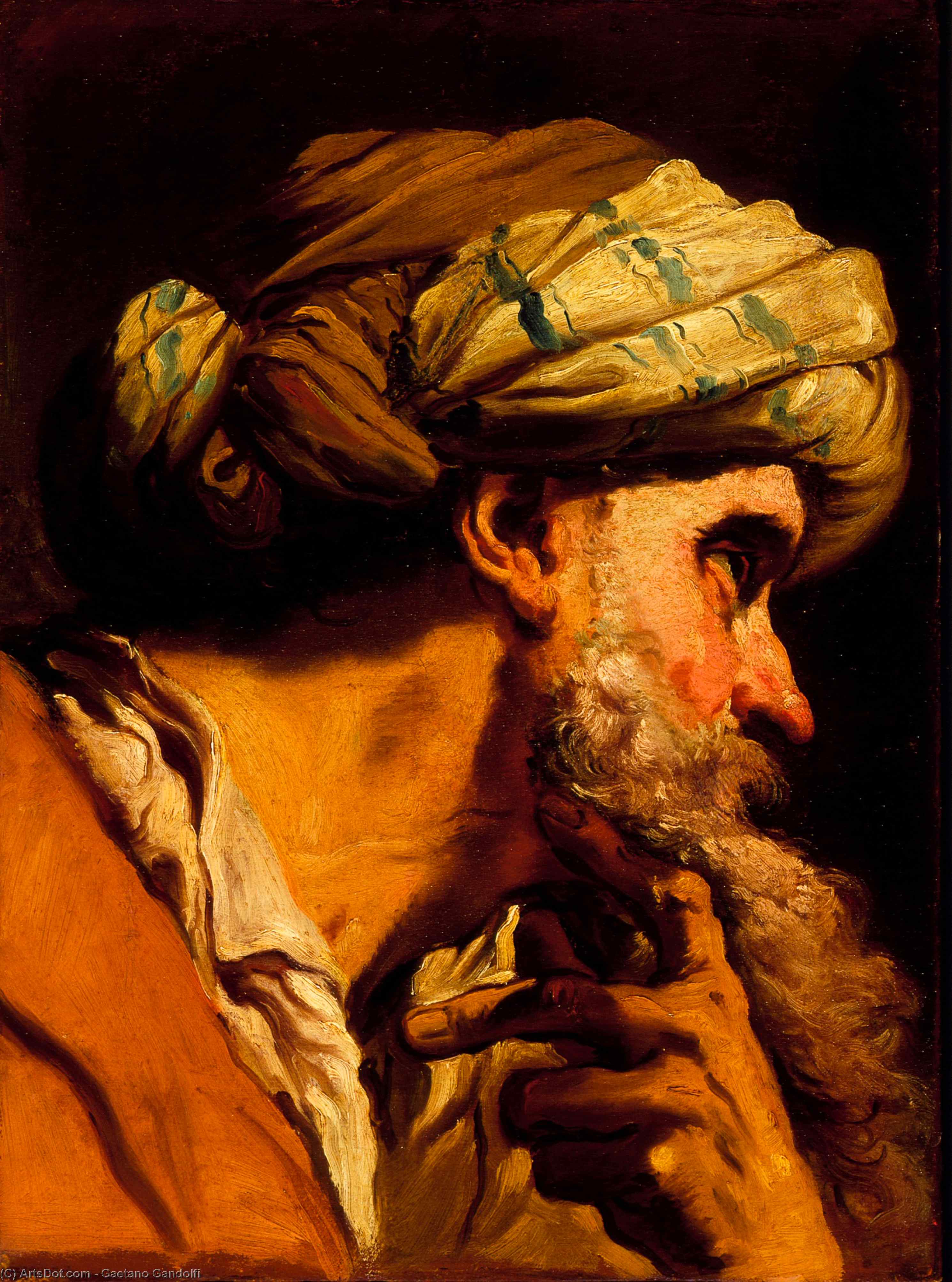
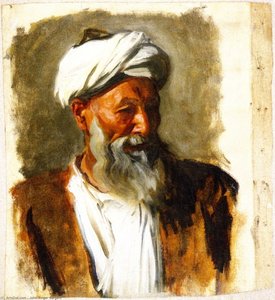
Study of an Oriental Head for 'The Marriage at Cana'
 Pročitaj više
Ručno rađena uljana reprodukcija
Ručno oslikano uljanim bojama na platnu u dimenzijama i okviru po vašem izboru, izrađeno po porudžbini od strane naših umetnika. ( Kupi print Kupi digitalnu sliku)




































Izaberite jednu od naših unapred definisanih veličina koje odgovaraju originalnim proporcijama umetničkog dela.

Можете унети сопствене димензије како бисте прилагодили дело одређеном оквиру или простору. Ако одабрана величина не одговара пропорцијама оригинала, слика ће бити исечена или проширена додатним елементима који се ручно насликавају. Дигитални prikaz ће вам бити послат на одобрење пре почетка производње.
Имајте на уму да преглед на екрану не одражава стварно исецање или проширење. Само приказ (mockup) ће тачно приказати коначну композицију.
Иако су доступне прилагођене величине, препоручујемо да одаберете димензију из дефинисане листе како бисте сачували оригиналне пропорције.
Nakon narudžbine, tim ArtsDot.com će klijentu putem e-pošte poslati uputstva i dostaviti prikaz predloženog rešenja
Isporuka širom sveta () za 3/4 nedelje umesto uobičajenih 5 nedelja. (27 август). Bez kompromisa po pitanju kvaliteta.

Besplatna ekspresna dostava širom sveta

Visokokvalitetno laneno platno

Kompletno osiguranje transporta

Garancija povraćaja carine i uvoznih dažbina

Garancija vernosti boja

Politika povrata u roku od 60 dana (samo u slučaju nedostataka)

Garancija povrata novca od 100%

Popust pri grupnoj kupovini
 Opcija sa staklom dostupna je samo za dimenzije manje od 110 cm

Study of an Oriental Head for 'The Marriage at Cana'
Tehnika reprodukcije
Dimenzije reprodukcije
-


Konačna cena
$ 263
Srodna umetnička dela
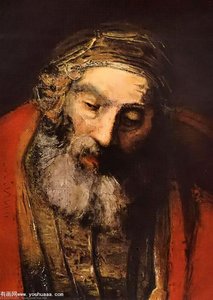
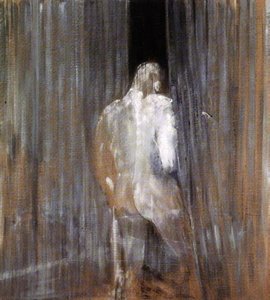
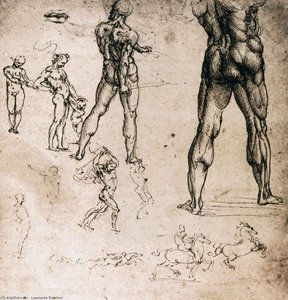
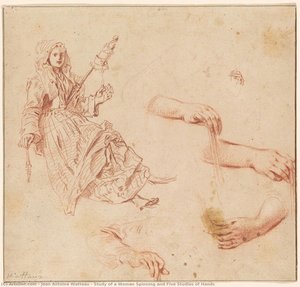
Biografija umetnika
The Visionary of Bologna: The Life and Legacy of Gaetano Gandolfi
In the vibrant heart of the Italian late Baroque, a period defined by theatrical grandeur and emotional depth, the name Gaetano Gandolfi resonates as a symbol of artistic transition and mastery. Born in 1734 in San Mateo della Decima, near the illustrious city of Bologna, Gandolfi was destined for a life steeped in the aesthetics of his era. His very lineage was woven into the fabric of Italian art; with a brother, Ubaldo, and a son, Mauro, also pursuing the brush, the creative impulse was a familial inheritance. This early immersion provided him with a profound understanding of the discipline required to navigate the complex demands of painting, sculpture, and draughtsmanship.
Gandolfi’s formal journey began within the hallowed halls of the Accademia Clementina in Bologna. It was here that his raw talent was refined through rigorous classical training under the guidance of masters such as Felice Torelli and Ercole Lelli. This academic foundation did more than teach him technique; it instilled in him a reverence for the human form and the structural integrity of composition. His early prowess was quickly recognized by the academy, where he earned prestigious accolades for his skill in figure drawing and sculpture, signaling the arrival of a formidable talent capable of bridging the gap between the exuberant Baroque and the emerging clarity of Neoclassicism.
A Journey Through Light and Grandeur
The evolution of Gandolfi’s style was profoundly shaped by his travels and his encounters with the monumental. One of the most transformative moments in his career occurred during his journey to England, where he was exposed to the breathtaking illusionistic frescoes of Andrea Pozzo in the Sant’Ignazio Basilica. This encounter with quadratura—the art of painting architectural perspectives—deeply moved him, sparking an admiration for the sweeping, theatrical compositions perfected by Tiepolo. As a result, Gandolfi’s work began to exhibit a unique synthesis: the dramatic lighting and opulent ornamentation characteristic of the Baroque, infused with a newfound sense of spatial grandeur and airy elegance.
His repertoire was as diverse as his influences, ranging from the sacred to the profane. He possessed a singular ability to breathe life into biblical narratives and mythological legends, imbuing them with an emotional intensity that captivated both clergy and nobility alike. Whether depicting the divine intervention of a saint or the ethereal beauty of a mythological deity, Gandolfi utilized light not merely as a tool for visibility, but as a narrative force capable of evoking awe and spiritual contemplation.
The Enduring Impression of a Master
Beyond his grand canvases, Gandolfi was a master of the intimate. His portraits serve as windows into the 18th-century soul, capturing the dignity, status, and psychological depth of his subjects with remarkable precision. This versatility—the ability to command a massive frescoed ceiling and a delicate portrait with equal grace—is what secures his place in the pantheon of Italian masters. His work stands as a testament to a period of profound cultural shift, where the heavy shadows of the past were beginning to yield to the luminous clarity of a new age.
The historical significance of Gaetano Gandolfi lies in his role as a bridge between eras. He did not merely replicate the styles of his predecessors; he synthesized them into a cohesive visual language that reflected the intellectual fervor of Bologna. Today, his oeuvre remains a vital study for anyone seeking to understand the transition from the dramatic flourishes of the Baroque to the disciplined grace of Neoclassicism, ensuring that his luminous legacy continues to inspire awe in the hearts of art lovers worldwide.
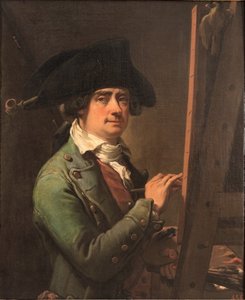
Gaetano Gandolfi
1734 - 1802 , Italy
Osnovne informacije
- Artistic Movement Or Style: Late Baroque & Neoclassical
- Artists Or Movements Influenced By This Artist: ['Tiepolo']
- Artists Who Influenced This Artist:
- Felice Torelli
- Ercole Graziani
- Date Of Birth: August 31, 1734
- Date Of Death: June 20, 1802
- Full Name: Gaetano Gandolfi
- Nationality: Italian
- Notable Artworks:
- Head of a Bishop
- Study of a Bearded Man
- Joseph's Dream
- Place Of Birth: San Mateo della Decima, Italy

