

 Pregledaj u prostoru
 Pošalji
 Podeli
 Detalji o delu

 Преузми
 Slični predmeti
 Rendgenski snimak
 Slajdovi
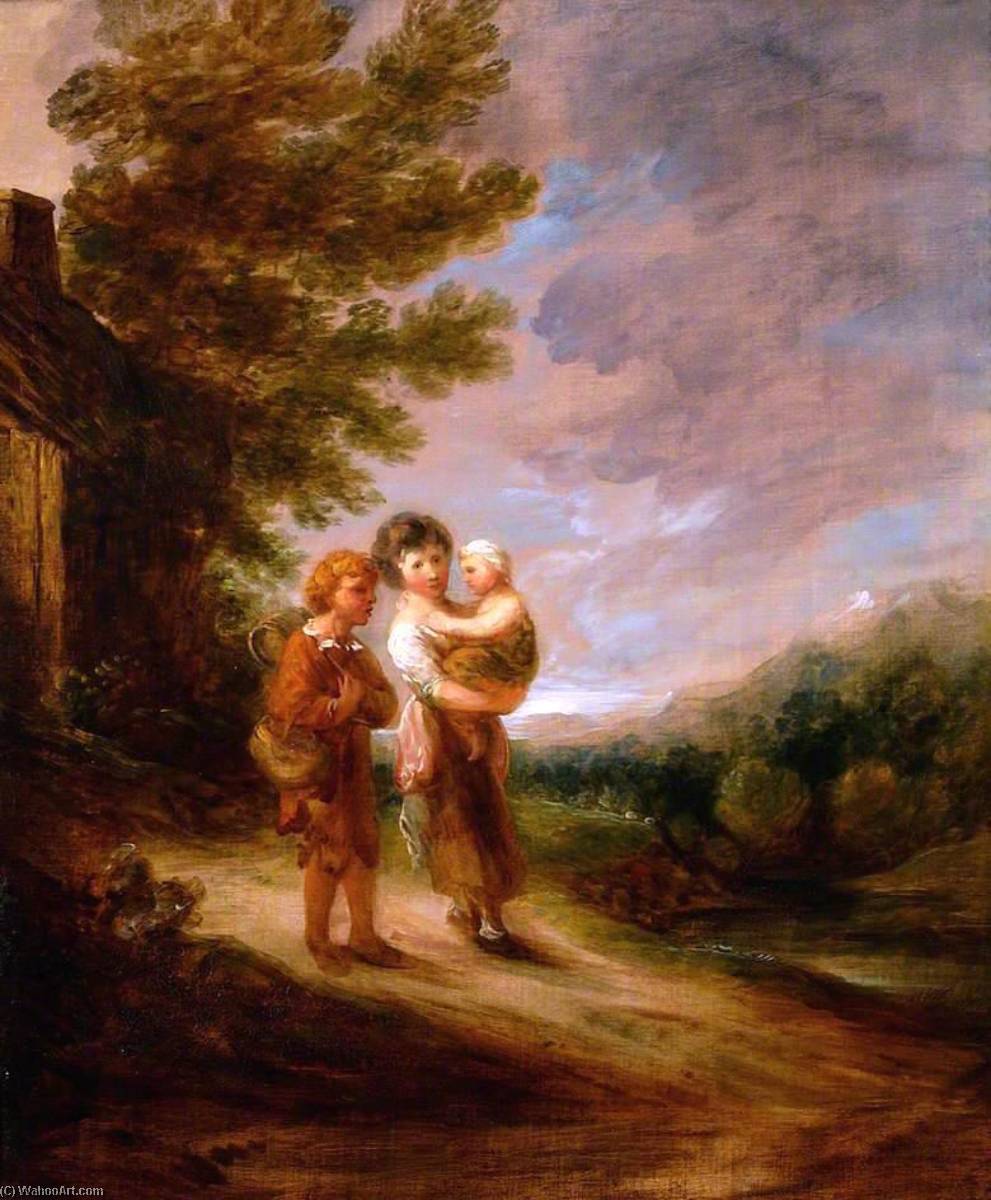
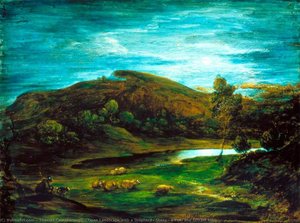
Landscape with Peasant Children outside a Cottage


 Pročitaj više
Ručno rađena uljana reprodukcija
Ručno oslikano uljanim bojama na platnu u dimenzijama i okviru po vašem izboru, izrađeno po porudžbini od strane naših umetnika. ( Kupi print Kupi digitalnu sliku)




































Izaberite jednu od naših unapred definisanih veličina koje odgovaraju originalnim proporcijama umetničkog dela.

Можете унети сопствене димензије како бисте прилагодили дело одређеном оквиру или простору. Ако одабрана величина не одговара пропорцијама оригинала, слика ће бити исечена или проширена додатним елементима који се ручно насликавају. Дигитални prikaz ће вам бити послат на одобрење пре почетка производње.
Имајте на уму да преглед на екрану не одражава стварно исецање или проширење. Само приказ (mockup) ће тачно приказати коначну композицију.
Иако су доступне прилагођене величине, препоручујемо да одаберете димензију из дефинисане листе како бисте сачували оригиналне пропорције.
Nakon narudžbine, tim ArtsDot.com će klijentu putem e-pošte poslati uputstva i dostaviti prikaz predloženog rešenja
Isporuka širom sveta () za 3/4 nedelje umesto uobičajenih 5 nedelja. (29 август). Bez kompromisa po pitanju kvaliteta.

Besplatna ekspresna dostava širom sveta

Visokokvalitetno laneno platno

Kompletno osiguranje transporta

Garancija povraćaja carine i uvoznih dažbina

Garancija vernosti boja

Politika povrata u roku od 60 dana (samo u slučaju nedostataka)

Garancija povrata novca od 100%

Popust pri grupnoj kupovini
 Opcija sa staklom dostupna je samo za dimenzije manje od 110 cm

Landscape with Peasant Children outside a Cottage
Tehnika reprodukcije
Dimenzije reprodukcije
-


Konačna cena
$ 313
Srodna umetnička dela

Biografija umetnika
The Legacy of Light: The Life and Art of Gainsborough Dupont
In the grand tapestry of eighteenth-century British art, certain names shine with an unparalleled brilliance, while others exist as delicate, luminous threads woven into the masterpieces of their mentors. Gainsborough Dupont (1754–1797) belongs to that evocative second category—a painter whose talent was inextricably linked to his uncle, the legendary Thomas Gainsborough, yet whose individual hand possessed a profound sensitivity to the fleeting nuances of light and atmosphere. Born in Sudbury, Suffolk, Dupont was more than just a relative; he was the nephew and the sole apprentice of one of England's greatest masters. This intimate connection provided him with an unparalleled education, allowing him to absorb the rhythmic brushwork and tonal mastery that would define his early development.
Dupont’s journey into the heart of the British art scene began in earnest in 1772 when he entered his uncle's studio. This period of apprenticeship was a formative crucible, where he learned to navigate the complexities of portraiture and the delicate balance of landscape. His training extended beyond the private studio to the prestigious Royal Academy Schools, where he became a student in 1775. Through this rigorous academic foundation, Dupont began to cultivate a style that, while echoing the grace of his uncle, started to reveal its own distinct character—a particular fascination with the dramatic interplay of shadow and light, often referred to as chiaroscuro, which lent his works a sense of quiet, psychological depth.
A Mastery of Portraiture and Landscape
As Dupont matured as an artist, his repertoire expanded into a sophisticated blend of portraiture and evocative landscapes. His portraits were celebrated for their ability to capture not merely the physical likeness of his subjects but their very essence, conveying a sense of gentlemanly composure and understated elegance. Whether depicting prominent local figures or aristocratic luminaries like Henry Fines Pelham Clinton, Earl of Lincoln, Dupont utilized soft lighting and rich textures to evoke the luxury and social consciousness of the late eighteenth century. His ability to render skin tones and fabric with such meticulous detail allowed him to create windows into a bygone era of refinement.
Parallel to his success in portraiture was his profound engagement with the natural world. Dupont’s landscapes often moved beyond simple topographical records, instead embracing the burgeoning spirit of the Romantic movement. He possessed an uncanny ability to capture the serenity of the English countryside, particularly in works that depicted pastoral scenes or architectural ruins. Influenced by the classical compositions of Nicolas Poussin and the atmospheric brilliance of Claude Lorrain, his landscapes often featured:
- Atmospheric Gradation: A masterful use of tonal shifts to suggest depth, moisture, and the changing time of day.
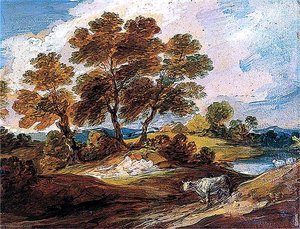
- Pastoral Serenity: Scenes such as his Wooded Landscape With Cows, which evoke a sense of tranquility and rural beauty.
- Classical Echoes: The inclusion of ruins and structured landscapes that reflected his studies in classical draughtsmanship.
The Final Act and Historical Significance
Following the death of Thomas Gainsborough in 1788, Dupont took on a significant responsibility, managing his uncle's studio at Schomberg House. This period marked a transition toward greater independence, as he moved to Bloomsbury in 1793 and continued to refine his unique artistic voice. Beyond the canvas, Dupont was also a skilled printmaker; from 1779 onwards, he produced a series of exquisite mezzotints after Gainsborough's most famous portraits, including works featuring George III and Queen Charlotte. These prints played a vital role in disseminating the aesthetic ideals of the era to a wider audience.
Though his life was tragically short, ending in London in 1797 at the age of forty-two, Dupont’s impact remains etched in the annals of British art history. He was buried in the same grave as his uncle at Kew churchyard, a poignant final union for two artists whose lives were so deeply intertwined. Today, we remember Gainsborough Dupont not merely as an assistant to a master, but as a pivotal figure of the Romantic era—an artist who captured the ephemeral beauty of light and the enduring spirit of the English landscape with a grace that continues to captivate the modern eye.
gainsborough dupont
1754 - 1797
Osnovne informacije
- Artistic Movement Or Style: Romanticism
- Artists Or Movements Influenced By This Artist: ['John Constable']
- Artists Who Influenced This Artist:
- Joshua Reynolds
- Nicolas Cochin
- Date Of Birth: 1727
- Date Of Death: 1788
- Full Name: Thomas Gainsborough
- Nationality: British
- Notable Artworks:
- Gainsborough Old Hall
- The Blue Boy
- Place Of Birth: Lincolnshire, England
Povezani članci
Golden Light & Dutch Skies: Bringing the Magic of Dutch Golden Age Landscapes into Your Home
Transform your home with the breathtaking light of Dutch Golden Age landscapes. Discover how hand-painted oil reproductions of masterworks like Ruisdael and Vermeer bring timeless elegance, atmosphere, and soulful texture to modern interiors. Elevate your space with museum-quality art.
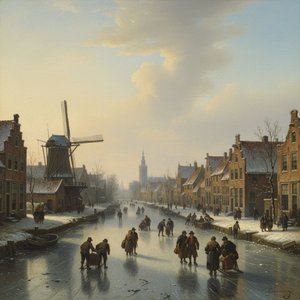
Charles Leickert: Capturing the Dutch Golden Age Light – A Comprehensive Study of Technique, Context, and Legacy
Explore the captivating winter landscapes of Charles Leickert, a master of Dutch Golden Age light & atmosphere. Discover his techniques, symbolism, and lasting legacy – a comprehensive study for art enthusiasts and collectors.
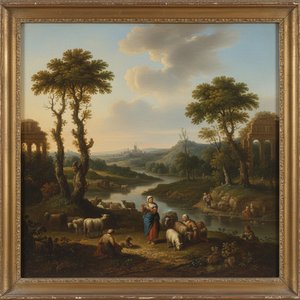
Nicolaes Berchem: Dutch Golden Age Pastoralism & the Evolution of Landscape Painting
Explore the captivating world of Nicolaes Berchem, a leading Dutch Golden Age painter. Discover his idyllic landscapes, masterful technique & lasting influence on art history. Learn more at ArtsDot.

25 Remek-dela Džona Konstebla: Lepota Engleske na Platnu | ArtsDot
Uronite u svet Džona Konstebla! Otkrijte 25 remek-dela engleskog pejzaža, romantizma i seoske idile. Kupite reprodukcije slika vrhunskog kvaliteta za dekoraciju enterijera na ArtsDot.com.

Zlatno doba Holandske umetnosti: Top 10 remek dela za vaš dom
Otkrijte remek dela Holandskog zlatnog doba! Uronite u svet Rembrandta, Vermeera i drugih majstora. 10 ikoničnih slika koje su definisale umetnost. Inspiracija za vaš dom i kolekciju - ekskluzivne reprodukcije na ArtsDot.com!

