

 Pregledaj u prostoru
 Pošalji
 Podeli
 Detalji o delu

 Преузми
 Slični predmeti
 Rendgenski snimak
 Slajdovi
 Stats
StatsOndulantes
 Acrylic
- WallArt
- Abstract Expressionism
 1954
1954 42.0 x 30.0 cm
 Centro Cultural Banco do Brasil Rio de Janeiro
 Pročitaj više
Kupite digitalnu sliku visoke rezolucije i poboljšanog kvaliteta, koja je znatno superiornija od onoga što vidite u online prikazu.
Svaka datoteka je pedantno pripremljena od strane naših stručnjaka koristeći napredne alate i profesionalnu ručnu retušu. Osiguravamo da svaka slika ima izuzetnu oštrinu, preciznu reprodukciju boja i fine detalje.
Konačna datoteka se dostavlja putem e-pošte u roku od 72 sata, optimizovana za neposrednu upotrebu u profesionalnim, izdavačkim i štamparskim okruženjima. To je isti kvalitet kojem veruju vrhunski studiji dizajna, izdavači i galerije.
Digitalna slika
Preuzmite datoteku visoke rezolucije za ličnu upotrebu, štampanje i kreativne projekte. ( Switch to Print Kupi ručno naslikanu sliku)
Uključeno uz svaku porudžbinu digitalne slike
Profesionalna digitalna isporuka, zagarantovana
Kada odaberete ArtsDot.com, ne dobijate samo sliku – vi primate profesionalno unapređeno digitalno umetničko delo, izrađeno sa najvećom preciznošću i uz garanciju zadovoljstva. Evo svega što automatski dolazi uz vašu porudžbinu:

Brza dostava putem e-pošte
Vaša digitalna slika visoke rezolucije biće vam poslata putem e-pošte u roku od 72 sata od poručivanja – spremna za trenutnu upotrebu.

Digitalna datoteka unapređena veštačkom inteligencijom
Vaše umetničko delo je profesionalno optimizovano korišćenjem naprednih AI alata i ručne obrade, čime se osiguravaju maksimalni detalji, oštrina i preciznost boja.

Besplatna ponovna isporuka doživotno
Slučajno ste obrisali ili izgubili svoju datoteku? Ne brinite – poslaćemo vam je ponovo u bilo kom trenutku, potpuno besplatno.

Bez troškova uvoza – zauvek
Uživajte u svojim umetničkim delima trenutno, bez carine, dažbina ili troškova dostave – digitalni download je uvek bez poreza.

Garancija vernosti boja
Uz pomoć profesionalnih alata i upravljanja bojama, osiguravamo da vaša digitalna slika što vernije odražava originalne boje.

Garancija zadovoljstva od 100 dana
Ako niste zadovoljni svojom digitalnom slikom, izvršićemo reviziju ili ćemo vam vratiti 100% novca u roku od 100 dana – bez ikakvih pitanja.

100% garancija povrata novca
Niste zadovoljni? Dobijte puni povraćaj novca u roku od 100 dana od prijema digitalne datoteke – bez suvišnih pitanja.

Popusti na velike porudžbine
Kupite 3 slike, uštedite 10% - Kupite 5 slika, uštedite 15% - Kupite 10+ slika, uštedite 20%. Odlično za kreativne projekte, galerije i agencije.
Gaspar Gasparian’s “Ondulantes”: A Dance of Abstract Energy
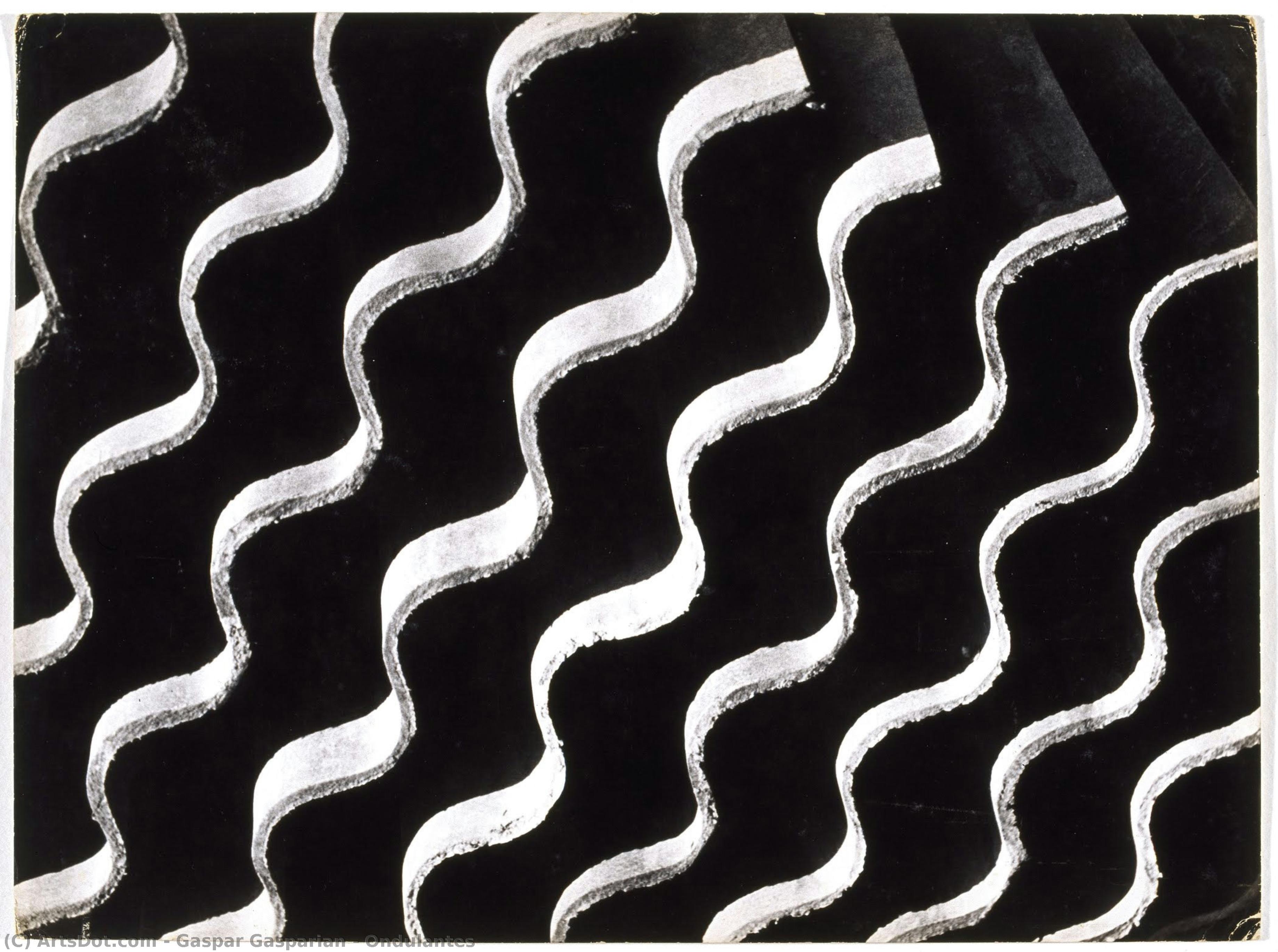
Gaspar Gasparian's "Ondulantes," painted in 1954, is more than just an abstract composition; it’s a visceral exploration of movement and emotion rendered with remarkable fluidity. Created during a pivotal moment in Brazilian art history – a period marked by burgeoning Abstract Expressionism alongside the rise of vibrant color fields – this work exemplifies Gasparian's unique approach to capturing intangible forces on canvas. Measuring 42 x 30 cm, the painting immediately draws the viewer into its swirling vortex of black and white, inviting contemplation of the underlying currents that shape our experience.
- Style & Movement: The piece firmly belongs to the Abstract Expressionist movement, a reaction against representational art’s constraints. Gasparian eschews traditional forms, instead focusing on the expressive potential of line and color.
- Technique – Layered Depth: Examination of the photograph reveals subtle textural nuances suggesting an impasto technique, where paint was applied thickly to build up volume and create a dynamic surface. This layering adds considerable depth to the seemingly flat composition.
Decoding the Swirls: Symbolism and Interpretation
The dominant motif – undulating waves – transcends a simple depiction of water; it’s a potent symbol of energy, chaos, and perhaps even emotional turbulence. Born in Angra do Reis, Brazil, in 1928, Gasparian's work is deeply rooted in the coastal landscape, yet he moves beyond mere representation to explore universal themes. The repetitive patterns evoke a sense of rhythm and flow, mirroring the ceaseless movement of the ocean – a force both beautiful and potentially destructive. The lack of a defined focal point encourages the viewer to become an active participant in the artwork’s interpretation, projecting their own emotions and experiences onto its surface.
Craftsmanship and Materials: A Legacy of Technique
While the exact medium used by Gasparian remains somewhat enigmatic – likely oil or acrylic based on contemporary practices – the photograph itself offers valuable insights into the artist's process. The monochrome palette, achieved through careful manipulation of light and shadow, highlights the textural qualities of the paint. The technique employed in creating this photographic reproduction ensures a faithful representation of the original artwork’s nuances, capturing the subtle variations in tone and texture that are crucial to understanding Gasparian’s vision. The use of film photography adds another layer of historical context, reflecting the artistic practices prevalent at the time of creation.
A Timeless Resonance: “Ondulantes” Today
"Ondulantes" possesses a captivating immediacy that continues to resonate with viewers today. Its dynamic composition and evocative symbolism make it an ideal addition to contemporary interiors, injecting a sense of movement and energy into any space. This hand-painted reproduction offers a unique opportunity to own a piece of Brazilian art history – a testament to Gasparian’s innovative spirit and his ability to translate abstract concepts into a powerfully expressive visual experience.
Srodna umetnička dela

![Decorative Fabric [“bird Bülow”] — Коломан Мозер, Secessionism](/media/artworks/images-thumb/fd/12/fd12986dc9b8c66b01e8a0df45e366d6.jpg)
Biografija umetnika
Andrew Warhola: A Pop Icon’s Transformation
Andrew Warhola, later known simply as Andy Warhol, emerged from the gritty industrial landscape of Pittsburgh in 1928, a city steeped in both artistic tradition and working-class resilience. Born to Andrej and Julia Warhola, immigrants from Slovakia, his early life was marked by a strong sense of family and a burgeoning interest in art – a passion nurtured initially through sketching and drawing. His father, a successful Slovakian steel executive, instilled in him a pragmatic approach to business, while his mother’s artistic background subtly shaped his aesthetic sensibilities. This unique blend of influences would prove crucial to Warhol's later success as a revolutionary artist. Initially pursuing a path as a commercial illustrator, Warhola quickly established himself as a highly sought-after designer for major brands like Tiffany & Co., *The New York Times*, and Bonwit Teller, mastering the art of capturing images with a cool, detached precision – a skill he would later repurpose to create his iconic silkscreen portraits. This early work demonstrated an understanding of mass media and its potential influence, foreshadowing his future exploration of celebrity culture and consumerism.The Rise of Pop Art and the Factory
Warhol’s transition into fine art began in the early 1960s, coinciding with the burgeoning movement known as Pop Art. Inspired by artists like Roy Lichtenstein and Jasper Johns, he embraced a bold, irreverent approach to subject matter, moving beyond traditional artistic conventions. His groundbreaking series of Campbell's Soup Cans (1962) – fourteen variations of twelve different soup varieties – immediately captured public attention, challenging notions of what constituted “serious” art and elevating everyday objects to the status of iconic imagery. This work, along with his portraits of Marilyn Monroe, Elvis Presley, and Elizabeth Taylor, demonstrated a fascination with celebrity, fame, and the pervasive influence of mass media. Crucially, Warhol established "The Factory," a sprawling studio space in New York City that served as both an artistic hub and a social gathering place for artists, musicians, filmmakers, and socialites – a microcosm of 1960s counterculture. This environment fostered experimentation, collaboration, and a blurring of boundaries between art, commerce, and entertainment.Technique and Innovation: Silkscreening and Beyond
Warhol’s artistic process was characterized by meticulous repetition and the innovative use of silkscreen printing. He initially learned the technique from screen printers in New York, adapting it to create his signature images – often multiple iterations of a single subject. This method allowed him to achieve vibrant colors and sharp lines, while also emphasizing the mechanical nature of image production. Beyond silkscreening, Warhol explored various media including film, photography, and performance art. His experimental films, such as *Sleep* (1963) and *Chelsea Girls* (1966-67), pushed the boundaries of cinematic storytelling, incorporating elements of music, fashion, and social commentary. His “Screen Tests” (1964-1966), intimate portraits filmed with subjects who were often unaware of the process, further explored themes of identity, perception, and the role of the artist.Legacy and Influence
Andy Warhol’s impact on 20th-century art and culture is undeniable. He fundamentally shifted the definition of “art,” blurring the lines between high and low culture and elevating popular imagery to a level of artistic significance. His exploration of celebrity, consumerism, and mass media continues to resonate today, particularly in an age dominated by digital images and social media. Warhol’s influence can be seen in countless contemporary artists who have embraced repetition, appropriation, and the manipulation of image – from Jeff Koons to Takashi Murakami. He remains a complex and enigmatic figure, simultaneously celebrated as a visionary artist and criticized for his detachment and commercialism. However, his legacy as one of the most influential and transformative figures in modern art is firmly established, solidifying his place as an icon of the 20th century. His work continues to be exhibited worldwide, studied by scholars, and enjoyed by audiences who recognize the enduring power of his bold vision.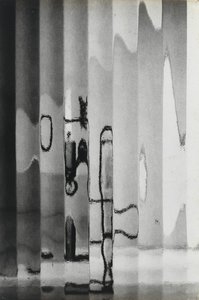
gaspar gasparian
1928 - 2010 , Brazil
Kratke činjenice
- Artistic Movement Or Style: Pop Art
- Artists Or Movements Influenced By This Artist:
- Jeff Koons
- Keith Haring
- Artists Who Influenced This Artist:
- Yves Klein
- Caravaggio
- Date Of Birth: August 6, 1928
- Date Of Death: February 22, 1987
- Full Name: Andrew Warhola Jr.
- Nationality: American
- Notable Artworks:
- Campbell's Soup Cans
- Marilyn Diptych
- Chelsea Girls
- Place Of Birth: Pittsburgh, PA, USA