

 Pregledaj u prostoru
 Pošalji
 Podeli
 Detalji o delu

 Преузми
 Slični predmeti
 Rendgenski snimak
 Slajdovi
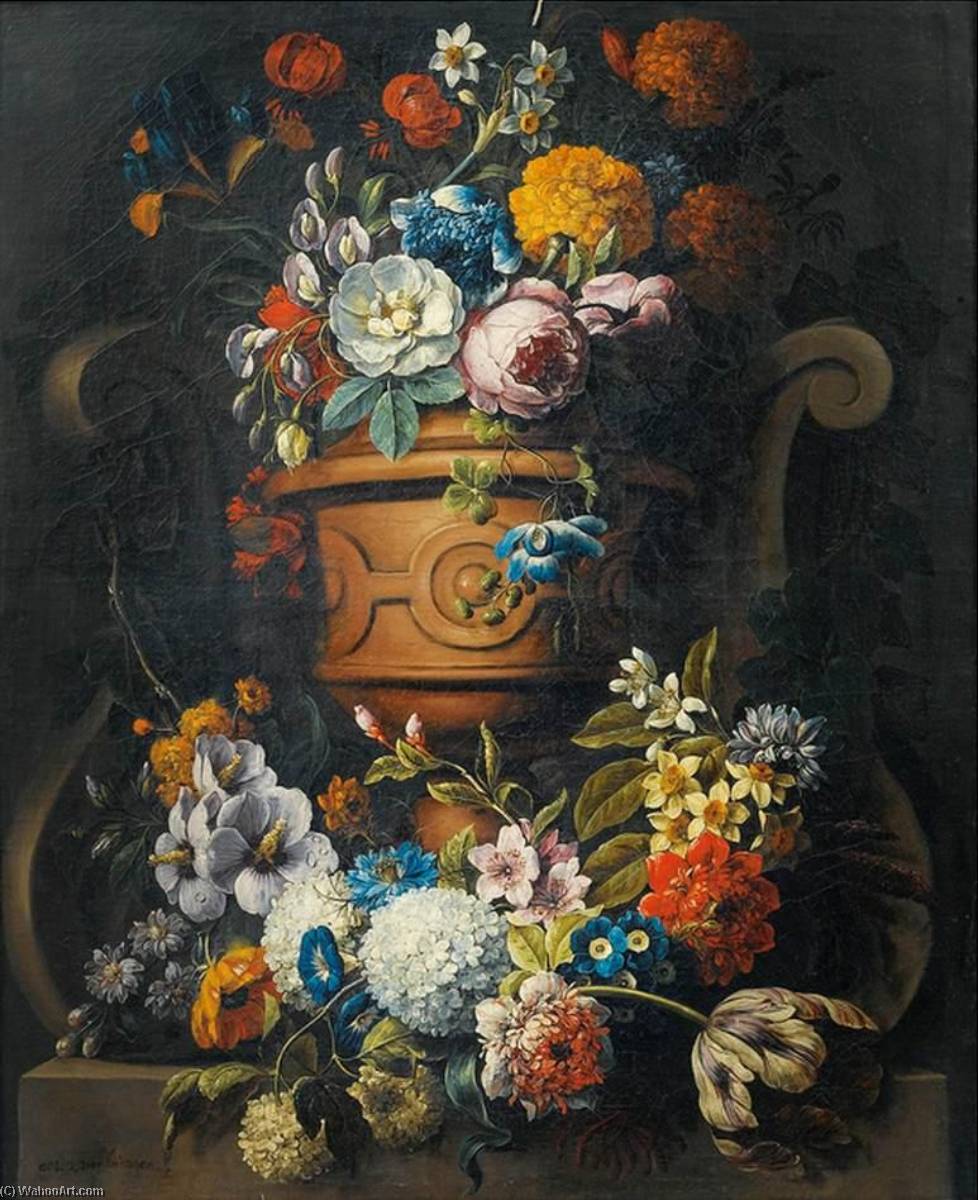
Still Life with Flowers in a Vase
 Flemish Baroque
 86.0 x 69.0 cm
 Pročitaj više
Ručno rađena uljana reprodukcija
Ručno oslikano uljanim bojama na platnu u dimenzijama i okviru po vašem izboru, izrađeno po porudžbini od strane naših umetnika. ( Kupi print Kupi digitalnu sliku)




P118B $10

P118H $10

P118W $10

P438Z $10

P508JH $12

P508YH $12

P805H $10

P805Z $10

P919BZ $10

P919G $10

P919XJ $10

P959ZH $10

P968JZ $12

W106C $8

W218G $10

W218JH $8

W218Y $10

W307PJ $10

W316G $10

W316PJ $8

W316Y $10

W398PJ $8

W4111J $10

W500HY $15

W500JH $15

W692G $12

W849H $8

W940BG $15

W953PJ $8




Izaberite jednu od naših unapred definisanih veličina koje odgovaraju originalnim proporcijama umetničkog dela.

Можете унети сопствене димензије како бисте прилагодили дело одређеном оквиру или простору. Ако одабрана величина не одговара пропорцијама оригинала, слика ће бити исечена или проширена додатним елементима који се ручно насликавају. Дигитални prikaz ће вам бити послат на одобрење пре почетка производње.
Имајте на уму да преглед на екрану не одражава стварно исецање или проширење. Само приказ (mockup) ће тачно приказати коначну композицију.
Иако су доступне прилагођене величине, препоручујемо да одаберете димензију из дефинисане листе како бисте сачували оригиналне пропорције.
Nakon narudžbine, tim ArtsDot.com će klijentu putem e-pošte poslati uputstva i dostaviti prikaz predloženog rešenja
Isporuka širom sveta () za 3/4 nedelje umesto uobičajenih 5 nedelja. (6 септембар). Bez kompromisa po pitanju kvaliteta.

Besplatna ekspresna dostava širom sveta

Visokokvalitetno laneno platno

Kompletno osiguranje transporta

Garancija povraćaja carine i uvoznih dažbina

Garancija vernosti boja

Politika povrata u roku od 100 dana (samo u slučaju nedostataka)

Garancija povrata novca od 100%

Popust pri grupnoj kupovini
 Opcija sa staklom dostupna je samo za dimenzije manje od 110 cm

Still Life with Flowers in a Vase
Tehnika reprodukcije
Dimenzije reprodukcije
-


Konačna cena
$ 263
Srodna umetnička dela
Biografija umetnika
A Life Immersed in Blooms: The World of Gaspar Peeter Verbruggen the Younger
Gaspar Peeter Verbruggen the Younger, born in Antwerp in 1664 and passing away in the same city in 1730, was a Flemish still life painter whose name became synonymous with opulent floral arrangements and decorative artistry. He wasn’t merely recording flowers; he was crafting miniature worlds of beauty, imbued with symbolism and technical mastery. His story is one woven into the rich tapestry of Antwerp's artistic guilds, familial legacy, and the shifting tastes of 17th- and 18th-century Europe. Born into a family already steeped in the tradition of still life painting—his father, Gaspar Peeter Verbruggen the Elder, was a successful artist in his own right—the younger Verbruggen’s path seemed predetermined, yet he carved out a distinct style that resonated with both Flemish and Dutch sensibilities. From an incredibly young age, demonstrating exceptional talent, he entered the Antwerp Guild of Saint Luke in 1677-1678 at just thirteen years old, a testament to his precocious skill. This early entry signaled not only his aptitude but also the strong support system within his family that fostered his artistic development.The Flourishing Career and Collaborative Spirit
Verbruggen quickly established himself as a sought-after painter, becoming deacon of the Guild in 1691/1692. His success allowed him to live comfortably on Antwerp’s prestigious Meir street, but life took an unfortunate turn with the early death of his wife, Dymphna van der Voort, in 1702. Financial difficulties soon followed, forcing him to sell his possessions in 1703. This hardship prompted a relocation to the Dutch Republic in 1705, initially to Amsterdam and then settling in The Hague. It was here that he found renewed patronage, receiving commissions for decorating prominent residences. His membership in the Hague’s Guild of Saint Luke in 1708 further solidified his position within the artistic community. However, even with commercial success, Verbruggen struggled with financial instability, a recurring theme throughout his life. A return to Antwerp in 1723 saw him take on a humble role as a ‘knaap’ (boy) at the Guild of Saint Luke until his death in 1730. What is particularly striking about Verbruggen's career is his frequent collaboration with figure painters. He didn’t see still life as an isolated genre but rather as a component within larger, more complex compositions. Artists like Peter Ykens and Jacob Leyssens in Antwerp, and Matheus Terwesten in The Hague, often partnered with him, creating works where their figures were seamlessly integrated into Verbruggen's vibrant floral displays.Influences and the Evolution of Style
Verbruggen’s artistic style wasn’t born in a vacuum; it was shaped by the currents flowing through European art at the time. The broad, impasto brushstrokes characteristic of his work echo the innovations introduced by Italian artists Mario Nuzzi and Michele Pace del Campidoglio. He also drew inspiration from the French painter Jean-Baptiste Monnoyer, known for his lavish flower paintings. These influences coalesced into a uniquely Flemish aesthetic—a move towards greater decoration and monumentality in still life painting. His compositions often featured bouquets arranged within grand stone vases or cascading as garlands around garden ornaments, creating a sense of abundance and theatricality. He wasn’t simply replicating nature; he was elevating it, transforming flowers and fruit into symbols of wealth, beauty, and the fleeting nature of existence.Major Achievements and Lasting Legacy
While pinpointing specific “masterpieces” can be subjective, Verbruggen's enduring contribution lies in his ability to synthesize various influences into a cohesive and recognizable style. His *Flower garland surrounding a statue of Apollo*, gifted to the Antwerp Guild in 1694 as thanks for accepting his pupils without fee, exemplifies his technical skill and generosity. Beyond individual works, his impact is visible in the proliferation of decorative still lifes during the late 17th and early 18th centuries. He trained several pupils—including his half-brother Balthasar Hyacinth Verbruggen, Jacob Melchior van Herck, Frans d'Olivero, Peter Frans Casteels, and Gillis Vinck—ensuring that his techniques and aesthetic sensibilities were passed down to the next generation of artists.Historical Significance: A Reflection of an Era
Gaspar Peeter Verbruggen the Younger’s work provides a fascinating glimpse into the tastes and values of his time. The opulent displays of flowers and fruit reflected the prosperity of the merchant class, while the inclusion of classical motifs—like Apollo—hinted at a broader cultural appreciation for antiquity. His collaborative spirit speaks to the interconnectedness of the artistic world, where painters often worked together to create more ambitious and complex compositions. Though he faced personal hardships throughout his life, Verbruggen left behind a legacy of beauty and technical skill that continues to captivate audiences today. He stands as a testament to the enduring power of still life painting—a genre capable of conveying not only visual delight but also profound symbolism and emotional resonance.- Born: 11 April 1664, Antwerp
- Died: 14 March 1730, Antwerp
- Style: Flemish Still Life, Decorative Floral Paintings
- Influences: Mario Nuzzi, Michele Pace del Campidoglio, Jean-Baptiste Monnoyer
- Key Themes: Opulence, Symbolism, Collaboration
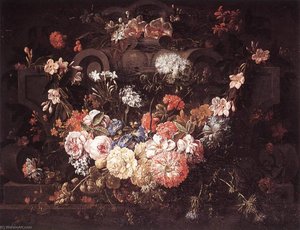
gaspar peeter the younger verbruggen
1664 - 1730
Osnovne informacije
- Artistic Movement Or Style: Still life, Decorative
- Artists Who Influenced This Artist:
- Mario Nuzzi
- Michele Pace del Campidoglio
- Jean-Baptiste Monnoyer
- Date Of Birth: 1664
- Date Of Death: 1730
- Full Name: Gaspar Peeter Verbruggen the Younger
- Nationality: Flemish
- Notable Artworks: ['Flower garland surrounding Apollo']
- Place Of Birth: Antwerp, Flanders
Povezani članci
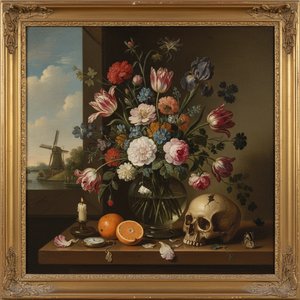
Jan Jansz Wijnants: A Study in Dutch Golden Age Still Life & Floral Transience
Explore the captivating world of Jan Wijnants and Dutch Golden Age still life painting. Discover symbolism, masterful techniques & lasting influence on floral art history. Learn more!
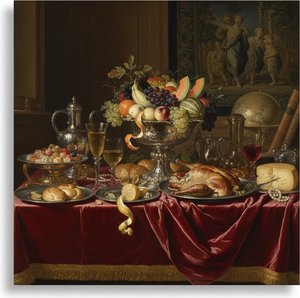
Abraham Hendricksz van Beyeren: Pioneering Dutch Still Life & the Banquet Tradition
Explore the captivating world of Dutch Golden Age still life with Abraham van Beyeren. Discover his innovative techniques, symbolic banquet scenes & lasting influence on art history. Learn about collecting these masterpieces.
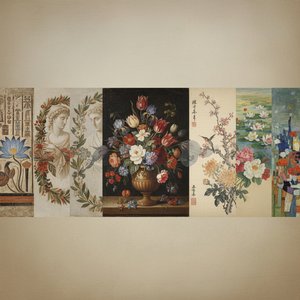
Blossoms of Time: A Historical & Aesthetic Exploration of Floral Painting Across Cultures
Explore the rich history of floral painting! Discover symbolism, techniques & masterpieces from Van Huysum to O'Keeffe. Expert insights for art lovers & collectors at ArtsDot.
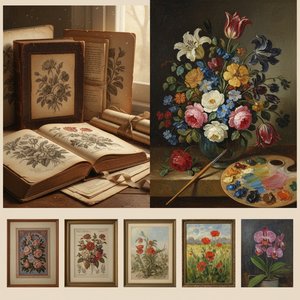
Blossoms of Time: A Historical Journey Through Flower Painting
Explore the captivating history of flower painting! Discover Dutch masters, symbolic meanings, & botanical art. Expert insights & high-quality reproductions at ArtsDot.
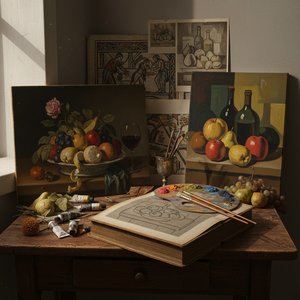
Silent Narratives: Exploring the Enduring Appeal of Still Life Painting Across Centuries
Explore the rich history of still life painting with ArtsDot. Discover Dutch Masters, decode vanitas symbolism & learn about collecting timeless art. Expert insights and museum-quality reproductions.