 Pregledaj u prostoru
 Pošalji
 Podeli
 Detalji o delu

 Преузми
 Slični predmeti
 Rendgenski snimak
 Slajdovi
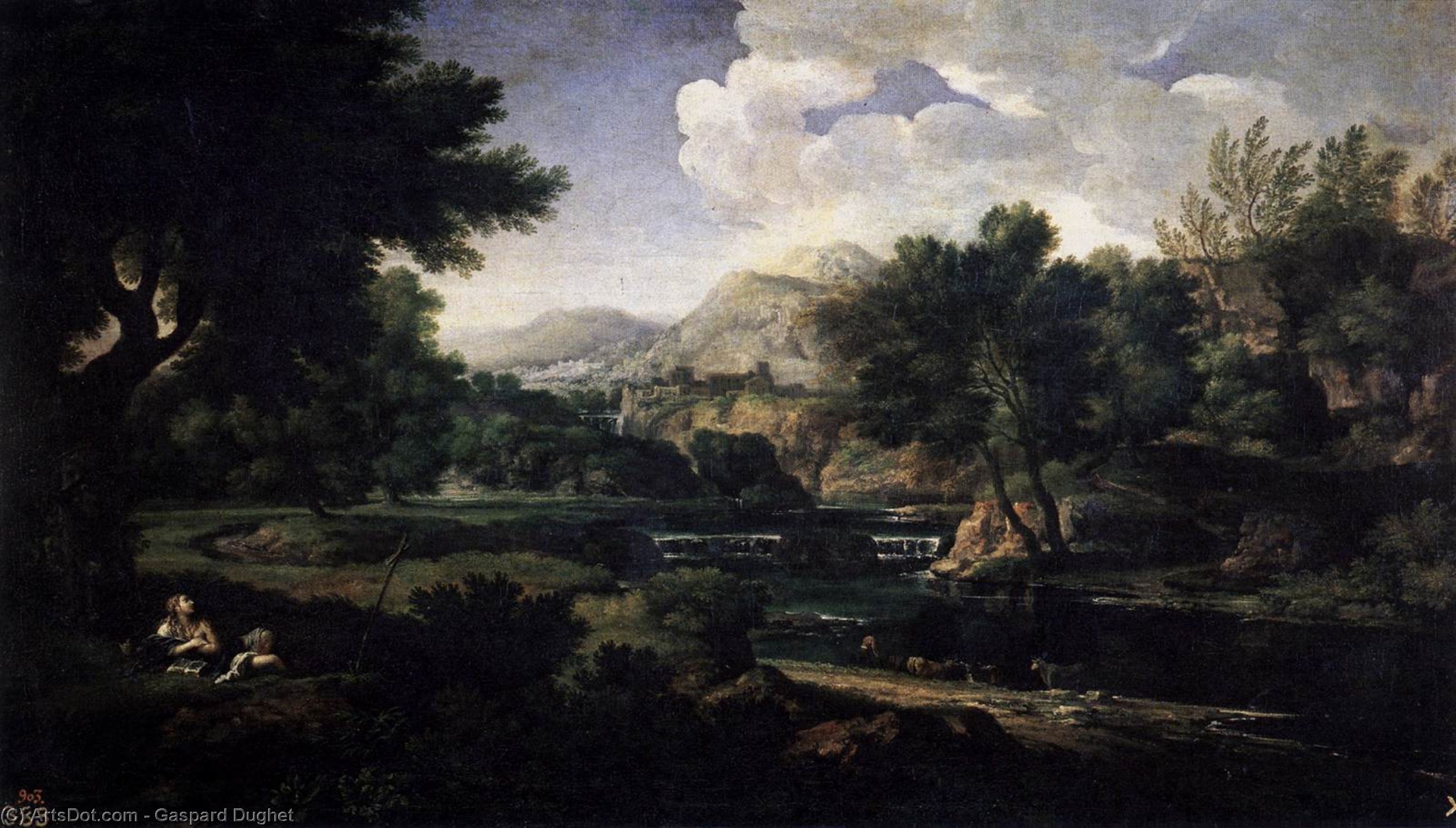
Landscape with Magdalen Worshipping the Cross
 Oil On Canvas
- WallArt
- Baroque Landscape
 1660
1660 76.0 x 130.0 cm
 Museo del Prado
 Pročitaj više
Ručno rađena uljana reprodukcija
Ručno oslikano uljanim bojama na platnu u dimenzijama i okviru po vašem izboru, izrađeno po porudžbini od strane naših umetnika. ( Kupi print Kupi digitalnu sliku)




P118B $10

P118H $10

P118W $10

P438Z $10

P508JH $12

P508YH $12

P805H $10

P805Z $10

P919BZ $10

P919G $10

P919XJ $10

P959ZH $10

P968JZ $12

W106C $8

W218G $10

W218JH $8

W218Y $10

W307PJ $10

W316G $10

W316PJ $8

W316Y $10

W398PJ $8

W4111J $10

W500HY $15

W500JH $15

W692G $12

W849H $8

W940BG $15

W953PJ $8




Izaberite jednu od naših unapred definisanih veličina koje odgovaraju originalnim proporcijama umetničkog dela.

Можете унети сопствене димензије како бисте прилагодили дело одређеном оквиру или простору. Ако одабрана величина не одговара пропорцијама оригинала, слика ће бити исечена или проширена додатним елементима који се ручно насликавају. Дигитални prikaz ће вам бити послат на одобрење пре почетка производње.
Имајте на уму да преглед на екрану не одражава стварно исецање или проширење. Само приказ (mockup) ће тачно приказати коначну композицију.
Иако су доступне прилагођене величине, препоручујемо да одаберете димензију из дефинисане листе како бисте сачували оригиналне пропорције.
Nakon narudžbine, tim ArtsDot.com će klijentu putem e-pošte poslati uputstva i dostaviti prikaz predloženog rešenja
Isporuka širom sveta () za 3/4 nedelje umesto uobičajenih 5 nedelja. (25 август). Bez kompromisa po pitanju kvaliteta.

Besplatna ekspresna dostava širom sveta

Visokokvalitetno laneno platno

Kompletno osiguranje transporta

Garancija povraćaja carine i uvoznih dažbina

Garancija vernosti boja

Politika povrata u roku od 60 dana (samo u slučaju nedostataka)

Garancija povrata novca od 100%

Popust pri grupnoj kupovini
 Opcija sa staklom dostupna je samo za dimenzije manje od 110 cm

Landscape with Magdalen Worshipping the Cross
Tehnika reprodukcije
Dimenzije reprodukcije
-


Konačna cena
$ 263
Opis umetničkog dela
Landscape with Magdalen Worshipping the Cross by Gaspard Dughet
Gaspard Dughet’s “Landscape with Magdalen Worshipping the Cross,” painted around 1660, stands as a quintessential exemplar of Classical Landscape painting—a genre that flourished in seventeenth-century Europe and profoundly influenced subsequent artistic movements. More than just a depiction of scenery, this monumental canvas embodies an idealized vision of nature intertwined with Christian piety, reflecting the intellectual currents of its time and resonating powerfully with viewers today.- Subject Matter & Narrative Depth: Dughet’s composition centers on a solitary Magdalen figure kneeling before a crucifix amidst a tranquil Roman campagna landscape. This deliberate inclusion elevates the scene beyond mere topographical representation; it introduces a narrative element rooted in biblical iconography—the Virgin Mary contemplating Christ's sacrifice—a motif prevalent throughout Renaissance and Baroque art. The artist skillfully juxtaposes the sacred with the sublime, capturing both spiritual contemplation and the grandeur of the natural world.
- Style & Composition: Dughet’s style aligns perfectly with the Classical Landscape tradition championed by Nicolas Poussin and Salvator Rosa. Characterized by meticulous detail and balanced symmetry, the painting adheres to principles derived from disegno—the Italian concept of careful observation and idealized representation—a cornerstone of artistic training during the period. The landscape unfolds in three distinct planes: a winding path draws the eye into the scene’s heart; trees frame the left side, providing visual stability; and distant hills roll towards the horizon, establishing depth through atmospheric perspective.
- Technique & Material Considerations: Executed in oil on canvas, Dughet employed a technique that prioritized tonal harmony and subtle gradations of color. Visible brushstrokes contribute to textural richness—the rough surface of trees contrasts with the smoother expanse of water—creating an illusion of depth and conveying a sense of palpable atmosphere. The artist’s meticulous attention to detail is evident in the rendering of foliage, rocks, and distant buildings, demonstrating mastery of chiaroscuro—the dramatic interplay between light and shadow—a technique perfected by Poussin and utilized extensively throughout Baroque art.
- Historical Context & Artistic Influences: Dughet's work emerged during a period marked by intellectual ferment and artistic innovation. The Baroque aesthetic, characterized by grandeur, emotion, and theatricality, was gaining prominence across Europe, yet Dughet’s landscapes retained an understated elegance that harkened back to the humanist ideals of the Renaissance. He drew inspiration from Correggio and Raphael, artists who had established precedents for portraying idealized beauty and conveying spiritual contemplation through landscape imagery.
- Symbolism & Emotional Resonance: Beyond its visual splendor, “Landscape with Magdalen Worshipping the Cross” communicates profound symbolic meaning. The serene setting symbolizes harmony between humanity and God’s creation—a concept central to Christian theology—while the Magdalen figure embodies purity and devotion. Dughet's masterful depiction evokes feelings of tranquility, reverence, and contemplation, inviting viewers to contemplate the beauty of nature alongside the solemnity of faith.
Srodna umetnička dela

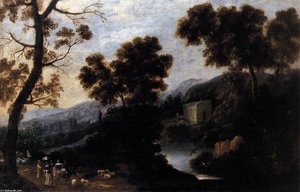
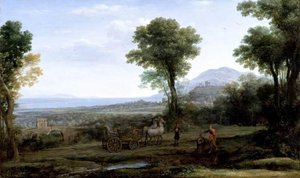
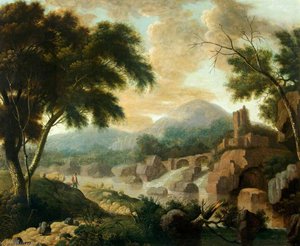
Biografija umetnika
The Soul of the Roman Campagna
In the heart of the seventeenth century, amidst the sweeping vistas and ancient ruins of Rome, emerged a painter whose brush captured the very breath of the Italian countryside. Gaspard Dughet, often whispered in art circles as Gaspard Poussin, was a man of dual identity—a French soul born into the warmth of an Italian landscape. Though he never set foot in his ancestral France, his work remains a cornerstone of the French school, deeply rooted in the fertile soil of the Roman Campagna.
His journey began under the tutelage of his brother-in-law, the great Nicolas Poussin, a connection that would forever link his name to the classical tradition. Yet, Dughet was never merely a shadow of his mentor. While he inherited a sense of structured grandeur, he infused his landscapes with a vitality and a rhythmic movement that were uniquely his own. He specialized in the topography of the Roman outskirts, transforming dusty paths and verdant hills into stages for silent, eternal dramas.
The Drama of Light and Tempest
As Dughet’s artistry matured, his canvases began to pulse with a more fluid and atmospheric energy. He became a master of the elements, particularly known for his ability to depict the sudden, breathtaking arrival of a storm. Out of his vast repertoire, many of his works are dedicated to these turbulent skies, where heavy clouds collide with shafts of breaking light. This fascination with the ephemeral nature of weather placed him alongside his contemporary, Salvator Rosa, as one of the preeminent landscape painters of his era.
His technique often involved a delicate collaboration; he frequently worked with Guillaume Courtois, who would breathe life into the scenes by painting the staffage—the small, human figures that wander through the vastness. This synergy allowed Dughet to focus on the monumental scale of nature while maintaining an intimate connection to the human experience. From the grand frescoes of the Palazzo Colonna to the more weathered cycles in San Martino ai Monti, his work reflects a profound mastery over both light and texture.
A Legacy Carved in Stone and Garden
The influence of Dughet’s vision did not fade with his death in 1675; rather, it migrated north, finding a profound resonance in the British Isles. During the eighteenth century, his name became synonymous with the ideal classical landscape. His style was so evocative that collectors often attributed any beautiful, pastoral scene to him, a testament to the enduring power of his aesthetic.
His impact can be seen across several disciplines:
- The evolution of British landscape painting, providing a blueprint for masters like Thomas Gainsborough and John Constable.
- The design of English landscape gardens, which sought to replicate the serene, structured wildness found in his oil paintings.
- The preservation of classical ideals within the National Gallery in London, where works like his Sacrifice of Abraham continue to inspire awe.
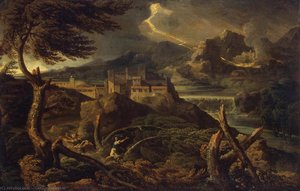
Gaspard Dughet
1613 - 1675 , Italy
Osnovne informacije
- Artistic Movement Or Style: Baroque Landscape
- Artists Or Movements Influenced By This Artist: British landscape painting
- Artists Who Influenced This Artist: Nicolas poussin
- Date Of Birth: June 1615
- Date Of Death: May 1675
- Full Name: Gaspard Dughet
- Nationality: French
- Notable Artworks:
- Landscape with Cross
- View of the Hermitage of Camaldoli near Frascati
- Place Of Birth: Rome, Italy
Povezani članci

Evocations of Place: A Historical Journey Through Landscape Art
Explore the rich history of landscape art with ArtsDot. Discover renowned artists, movements like Impressionism & Romanticism, and expert guidance for collecting timeless pieces. Find your perfect serene escape today!

Glavna dela koja su definisala Romantični pejzaž: 10 remek-dela za vaš dom
Otkrijte 10 remek-dela romantičnog pejzažnog slikarstva! Uronite u svet Claude Lorraina, Caspara David Friedricha i Turnera. Ispričane priče umetnosti, inspiracija za dekoraciju doma. Kvalitetne reprodukcije na ArtsDot.com – istražite celu kolekciju online!
Evocations of Place: A Historical Journey Through Landscape Art
Explore the rich history of landscape art with ArtsDot. Discover renowned artists, movements like Impressionism & tonalism, and expert guidance for collecting timeless pieces. Find your perfect serene escape today!
Claude Lorrain: Master of Light & Landscape in the Golden Age
Explore the luminous landscapes of Claude Lorrain, a Baroque master renowned for his masterful use of light & atmosphere. Discover his life, techniques, key works & enduring influence on art history.

The Enduring Legacy of Oil on Canvas: Technique, History & Aesthetic Impact
Explore the rich history & techniques of oil painting – from Renaissance masters to Impressionism. Discover pigments, layering methods, and why this timeless medium endures. Expert insights for artists & art enthusiasts.