

 Pregledaj u prostoru
 Pošalji
 Podeli
 Detalji o delu

 Преузми
 Slični predmeti
 Rendgenski snimak
 Slajdovi
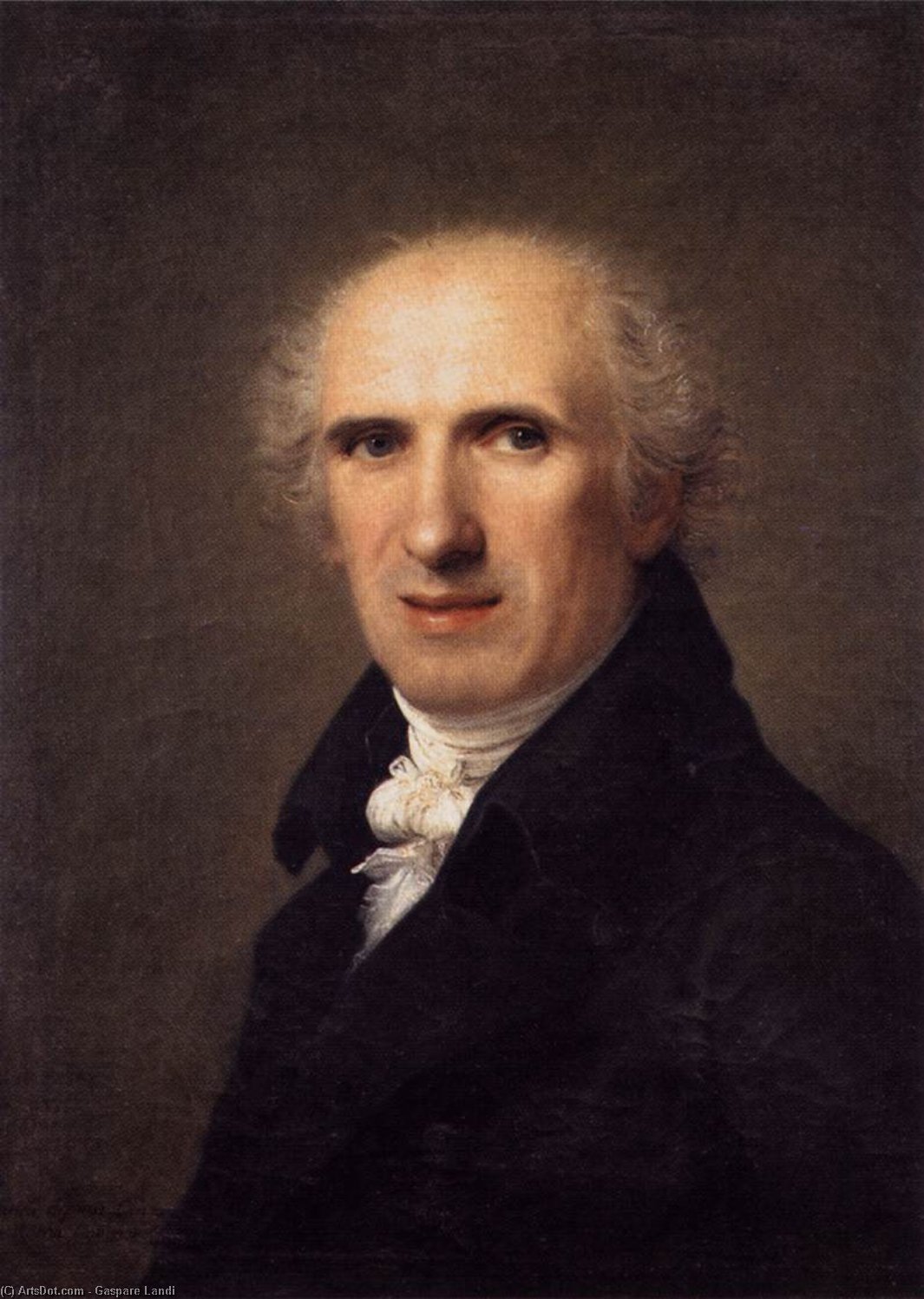
Portrait of Canova


 Pročitaj više
Kupite digitalnu sliku visoke rezolucije i poboljšanog kvaliteta, koja je znatno superiornija od onoga što vidite u online prikazu.
Svaka datoteka je pedantno pripremljena od strane naših stručnjaka koristeći napredne alate i profesionalnu ručnu retušu. Osiguravamo da svaka slika ima izuzetnu oštrinu, preciznu reprodukciju boja i fine detalje.
Konačna datoteka se dostavlja putem e-pošte u roku od 72 sata, optimizovana za neposrednu upotrebu u profesionalnim, izdavačkim i štamparskim okruženjima. To je isti kvalitet kojem veruju vrhunski studiji dizajna, izdavači i galerije.
Digitalna slika
Preuzmite datoteku visoke rezolucije za ličnu upotrebu, štampanje i kreativne projekte. ( Kupi print Kupi ručno naslikanu sliku)
Uključeno uz svaku porudžbinu digitalne slike
Profesionalna digitalna isporuka, zagarantovana
Kada odaberete ArtsDot.com, ne dobijate samo sliku – vi primate profesionalno unapređeno digitalno umetničko delo, izrađeno sa najvećom preciznošću i uz garanciju zadovoljstva. Evo svega što automatski dolazi uz vašu porudžbinu:

Brza dostava putem e-pošte
Vaša digitalna slika visoke rezolucije biće vam poslata putem e-pošte u roku od 72 sata od poručivanja – spremna za trenutnu upotrebu.

Digitalna datoteka unapređena veštačkom inteligencijom
Vaše umetničko delo je profesionalno optimizovano korišćenjem naprednih AI alata i ručne obrade, čime se osiguravaju maksimalni detalji, oštrina i preciznost boja.

Besplatna ponovna isporuka doživotno
Slučajno ste obrisali ili izgubili svoju datoteku? Ne brinite – poslaćemo vam je ponovo u bilo kom trenutku, potpuno besplatno.

Bez troškova uvoza – zauvek
Uživajte u svojim umetničkim delima trenutno, bez carine, dažbina ili troškova dostave – digitalni download je uvek bez poreza.

Garancija vernosti boja
Uz pomoć profesionalnih alata i upravljanja bojama, osiguravamo da vaša digitalna slika što vernije odražava originalne boje.

Garancija zadovoljstva u roku od 100 dana
Ako niste zadovoljni svojom digitalnom slikom, revidirat ćemo je ili vratiti 100% novca u roku od 100 dana – bez ikakvih pitanja.

100% garancija povrata novca
Niste zadovoljni? Obezbedite pun povrat novca u roku od 100 dana od trenutka kada ste primili svoju digitalnu datoteku – bez suvišnih pitanja.

Popusti na velike porudžbine
Kupite 3 slike, uštedite 10% - Kupite 5 slika, uštedite 15% - Kupite 10+ slika, uštedite 20%. Odlično za kreativne projekte, galerije i agencije.
A Meeting of Titans: The Soul of Neoclassicism
In the quiet, dignified presence of Gaspare Landi’s Portrait of Antonio Canova, one does not merely encounter a likeness of a man, but rather a profound encounter with the very essence of the Neoclassical era. Painted in 1806, this masterful canvas serves as a poignant bridge between two giants of Italian art: Landi, the meticulous painter, and Canova, the sculptor whose marble figures would define an age. The portrait captures Canova at a pivotal moment in his life, shortly after his marriage to Pauline Bonaparte, yet it transcends the mere recording of a historical figure. Instead, Landi invites us into a contemplative space where the weight of artistic genius meets the serene grace of classical ideals.
The subject is presented with a gravity that commands respect, his gaze directed slightly away from the viewer as if lost in the profound depths of creative thought. This subtle choice by Landi imbues the portrait with an air of introspection and intellectual rigor, mirroring the very principles Canova applied to his sculptures. There is no need for ostentatious displays of wealth or complex iconography; the power of the piece lies in its ability to convey nobility through character rather than through ornament.
Mastery of Light and the Art of Realism
To gaze upon this work is to witness a masterclass in the use of oil on canvas. Landi, deeply influenced by the rigorous anatomical studies of the Renaissance masters, employs a technique characterized by exquisite precision and a luminous, velvety surface. Through the careful layering of glazes, he achieves a subtle gradation of tones that breathes life into the subject's skin, creating a palpable sense of warmth and solidity. The play of light is particularly enchanting; it falls softly across Canova’s features, highlighting the contours of his face without the intrusion of harsh, dramatic shadows.
This soft, even illumination is a hallmark of the Neoclassical style, designed to promote clarity and balance. Every detail—from the crisp texture of the high white collar to the heavy, dark fabric of his formal coat—is rendered with a devotion to realism that makes the figure feel present in the room. For the discerning collector or interior designer, this level of technical sophistication offers a timeless elegance. The subdued palette of earth tones and muted backgrounds ensures that the portrait remains a sophisticated focal point, capable of anchoring a room with its quiet, commanding strength.
A Legacy for the Modern Collector
Beyond its aesthetic brilliance, the Portrait of Canova carries a historical resonance that continues to captivate. It is a window into the vibrant Roman artistic milieu of the early 19th century, an era shaped by the archaeological rediscoveries of Pompeii and the pursuit of ancient Greek perfection. Owning or displaying a high-quality reproduction of this work is more than a decorative choice; it is an homage to the enduring human quest for beauty, order, and dignity.
Whether placed in a grand library, a formal study, or a contemporary living space, this painting brings with it an atmosphere of intellectual depth and historical continuity. It serves as a constant reminder of a time when art sought to elevate the human spirit through the pursuit of perfection. For those who seek to surround themselves with pieces that tell a story of profound friendship, artistic revolution, and the eternal beauty of the classical world, Landi’s portrait remains an incomparable inspiration.
Srodna umetnička dela


Biografija umetnika
A Life Illuminated by Neoclassical Ideals
Gaspare Landi, born in Piacenza, Italy, on January 6th, 1756, emerged as a significant figure within the Italian Neoclassical movement. His early years hinted at a spirited and joyful disposition, yet beneath this playful exterior lay a burgeoning artistic talent waiting to be nurtured. This potential was recognized by his distant relative and patron, Marquis Giambattista Landi, whose generous financial support in 1781 proved pivotal. It enabled the young artist to journey to Rome – the very heart of Italian art and culture – and embark on formal training that would shape his destiny. This act of patronage wasn’t merely a transaction; it was an investment in a future master, allowing Landi access to the artistic currents and intellectual fervor that defined the era.Roman Apprenticeship and Artistic Flourishing
Upon arriving in Rome at the age of twenty-five, Landi entered the studios of Domenico Corvi and Pompeo Battoni, two prominent artists who would become instrumental in his development. Corvi’s influence likely honed Landi's technical precision, while Battoni instilled a sense of classical composure and refined elegance. These masters weren’t simply instructors; they were conduits to the artistic heritage of antiquity, guiding Landi towards an aesthetic rooted in order, clarity, and idealized form. During this formative period, Landi quickly established himself as a skilled painter specializing in religious scenes, mythological subjects, and portraiture. He wasn't merely replicating styles but synthesizing them into something uniquely his own – a blend of technical mastery and dramatic composition that soon garnered attention within the Roman art scene. His ability to imbue his canvases with emotional intensity, coupled with meticulous anatomical detail, set him apart from his contemporaries.Rivalry, Ambition, and Defining Works
Landi’s artistic journey wasn't without its competitive edge. He found himself in a notable rivalry with Vincenzo Camuccini, another leading Neoclassical painter in Rome. This dynamic, rather than hindering creativity, spurred both artists to push the boundaries of their skill and ambition. The competition manifested most strikingly in Piacenza, where Landi created Lo Spasimo (The Agony), a monumental canvas depicting Christ’s struggle on the road to Calvary. It was deliberately conceived as a direct response to Camuccini's work, a bold statement of artistic prowess intended to surpass his rival. Beyond this defining piece, Landi produced other significant works during this period, including Diomedes and Ulysses bearing off the Palladium (1783) – showcasing his skill in mythological narratives – and The Marriage of Abraham and Sarah, once housed in the Pinacoteca at Parma. His religious iconography also flourished, exemplified by the Madonna addolorata created for the church of Santa Casa at Loreto, a testament to his ability to convey profound spiritual emotion through paint.Academic Recognition and Legacy
Landi’s talent didn't go unnoticed by the artistic establishment. In 1805, he was elected as a member of the prestigious Accademia di San Luca in Rome, a recognition of his contributions to the art world. His ascent within the Academy continued; he became a professor of painting theory in 1812 and ultimately its president in 1817 – positions that underscored his influence and leadership within the Roman artistic community. He received accolades from various rulers, including being made a Chevalier of the Order of the Iron Crown and other prestigious orders, further solidifying his reputation. A brief return to Piacenza around 1820 proved unsatisfying; he found provincial life stifling and soon re-established himself in Rome in 1824. His final work, an Assumption, was placed in the church of San Francesco di Paola in Naples, a fitting culmination to a career dedicated to artistic excellence. Gaspare Landi died on February 28th, 1830, leaving behind a legacy as a refined artist and influential academic leader whose work embodies the ideals of Neoclassicism – order, clarity, and a profound reverence for classical themes. While perhaps not as universally celebrated as some of his contemporaries, Landi’s contributions to Italian art remain significant, particularly in shaping artistic education during his time and demonstrating a masterful command of form and emotion within the constraints of neoclassical style.
Gaspare Landi
1756 - 1830 , Italy
Kratke činjenice
- Artistic Movement Or Style: Neoclassicism
- Artists Or Movements Influenced By This Artist: Neoclassical painting
- Artists Who Influenced This Artist:
- Domenico Corvi
- Pompeo Battoni
- Date Of Birth: January 6, 1756
- Date Of Death: February 28, 1830
- Full Name: Gaspare Landi
- Nationality: Italian
- Notable Artworks:
- Lo Spasimo
- Hebe
- Diomedes and Ulysses
- Marriage of Abraham & Sarah
- Place Of Birth: Piacenza, Italy