

 Pregledaj u prostoru
 Pošalji
 Podeli
 Detalji o delu

 Преузми
 Slični predmeti
 Rendgenski snimak
 Slajdovi
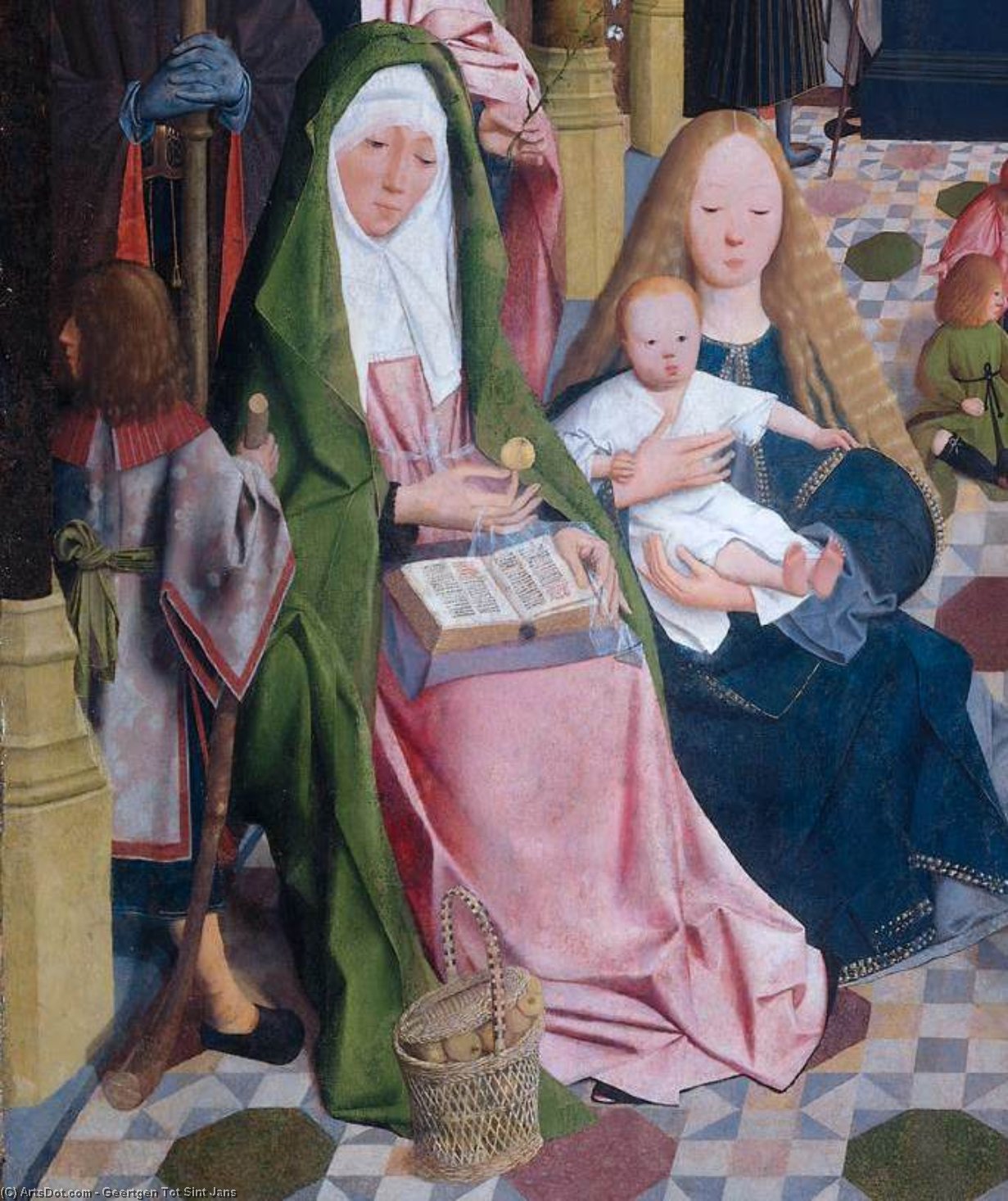
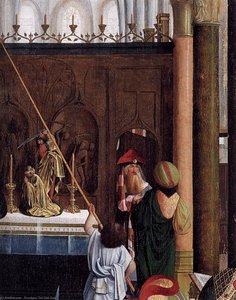
The Holy Kinship (detail) (11)


 Pročitaj više
Ručno rađena uljana reprodukcija
Ručno oslikano uljanim bojama na platnu u dimenzijama i okviru po vašem izboru, izrađeno po porudžbini od strane naših umetnika. ( Kupi print Kupi digitalnu sliku)




P118B $10

P118H $10

P118W $10

P438Z $10

P508JH $12

P508YH $12

P805H $10

P805Z $10

P919BZ $10

P919G $10

P919XJ $10

P959ZH $10

P968JZ $12

W106C $8

W218G $10

W218JH $8

W218Y $10

W307PJ $10

W316G $10

W316PJ $8

W316Y $10

W398PJ $8

W4111J $10

W500HY $15

W500JH $15

W692G $12

W849H $8

W940BG $15

W953PJ $8




Izaberite jednu od naših unapred definisanih veličina koje odgovaraju originalnim proporcijama umetničkog dela.

Можете унети сопствене димензије како бисте прилагодили дело одређеном оквиру или простору. Ако одабрана величина не одговара пропорцијама оригинала, слика ће бити исечена или проширена додатним елементима који се ручно насликавају. Дигитални prikaz ће вам бити послат на одобрење пре почетка производње.
Имајте на уму да преглед на екрану не одражава стварно исецање или проширење. Само приказ (mockup) ће тачно приказати коначну композицију.
Иако су доступне прилагођене величине, препоручујемо да одаберете димензију из дефинисане листе како бисте сачували оригиналне пропорције.
Nakon narudžbine, tim ArtsDot.com će klijentu putem e-pošte poslati uputstva i dostaviti prikaz predloženog rešenja
Isporuka širom sveta () za 3/4 nedelje umesto uobičajenih 5 nedelja. (29 август). Bez kompromisa po pitanju kvaliteta.

Besplatna ekspresna dostava širom sveta

Visokokvalitetno laneno platno

Kompletno osiguranje transporta

Garancija povraćaja carine i uvoznih dažbina

Garancija vernosti boja

Politika povrata u roku od 60 dana (samo u slučaju nedostataka)

Garancija povrata novca od 100%

Popust pri grupnoj kupovini
 Opcija sa staklom dostupna je samo za dimenzije manje od 110 cm

The Holy Kinship (detail) (11)
Tehnika reprodukcije
Dimenzije reprodukcije
-


Konačna cena
$ 263
The Holy Kinship (Detail): A Window into Northern Renaissance Spirituality
Geertgen tot Sint Jans’ “The Holy Kinship (detail)” – a captivating fragment from the larger 1485 masterpiece housed in the Rijksmuseum, Amsterdam – offers a profound glimpse into the heart of early Netherlandish painting and the devotional practices of its time. This particular detail, focusing on Mary, mother of Jesus, is not merely a portrait; it’s an intimate tableau brimming with symbolic weight and quiet reverence. The scene unfolds within a meticulously rendered domestic interior, suggesting a moment of respite and familial connection amidst the complexities of Christian faith. Notice immediately the earthy palette – predominantly browns, greens, and ochres – characteristic of Northern Renaissance artists who prioritized atmospheric depth and realistic texture over vibrant color schemes. This restrained use of hue contributes to an overall sense of solemnity and timelessness.
The central figure of Mary is presented as a nun, instantly conveying her spiritual authority and dedication. Her posture is graceful yet grounded, holding a book – likely representing the Holy Scriptures or a devotional text – with a serene expression. The white head covering further emphasizes her role as a devoted servant of God. Observe the intricate detail in her robe, the subtle folds and textures meticulously rendered to create a convincing illusion of fabric. To the left, a child is held by another figure, likely one of Jesus’ siblings, their face turned towards Mary – a gesture of adoration and seeking comfort within her presence. This intimate interaction speaks volumes about the importance of family and lineage within the Christian narrative.
A Domestic Sanctuary: Setting and Composition
The architectural setting is crucial to understanding the painting's emotional impact. The interior, with its columns and arches, evokes a sense of a private chapel or domestic space imbued with religious significance. This wasn’t simply a secular room; it was deliberately designed to foster contemplation and connection with the divine. The inclusion of everyday objects – notably the basket filled with fruit and vegetables in the foreground – subtly anchors the scene in the realities of daily life, reminding us that faith permeated every aspect of existence. It's a masterful juxtaposition of the sacred and the mundane, elevating the ordinary to a realm of spiritual contemplation.
Joseph, identifiable by his carpentry tools, stands to the left, further reinforcing the theme of earthly vocation intertwined with divine purpose. The composition itself is carefully balanced, drawing the viewer’s eye towards Mary at its center while subtly incorporating the other figures and elements within the scene. The use of light and shadow – a hallmark of Northern Renaissance painting – creates a sense of depth and volume, highlighting key features and contributing to the overall atmosphere of solemnity.
Symbolism and Artistic Technique
“The Holy Kinship” is deeply rooted in symbolism, reflecting the prevalent theological concerns of the late 15th century. The depiction of Mary as a nun underscores her role as the Virgin Mother, a central figure in Christian iconography. The book she holds represents not just scripture but also her role as a conduit between God and humanity. The child’s gaze towards Mary symbolizes faith, trust, and the promise of salvation. Geertgen tot Sint Jans' mastery lies in his ability to imbue these symbols with profound meaning through meticulous observation and skillful execution.
The artist’s technique is equally noteworthy. He employed oil paints on panel, a medium that allowed for incredible detail and subtle gradations of tone. The rendering of textures – from the folds of Mary's robe to the rough surface of the basket – is remarkably realistic, creating a convincing illusion of three-dimensionality. This attention to detail, combined with his masterful use of light and shadow, elevates the painting beyond mere representation, transforming it into a powerful expression of faith and devotion. Consider the subtle variations in color within Mary’s robe; these nuances contribute significantly to the overall sense of depth and realism.
A Legacy of Mystery and Artistic Brilliance
Geertgen tot Sint Jans remains an enigmatic figure, his life shrouded in mystery. Yet, through works like “The Holy Kinship,” we can appreciate the extraordinary quality of his art. His paintings are not simply beautiful images; they are windows into a specific cultural and spiritual context – a world where faith, family, and craftsmanship converged to create enduring expressions of artistic brilliance. A reproduction of this detail offers an opportunity to bring this profound work of Northern Renaissance art into your home, allowing you to contemplate its timeless themes and appreciate the skill of one of history’s most intriguing artists.
Srodna umetnička dela
Biografija umetnika
Život obavijen misterijom: Razotkrivanje Geertgena tot Sint Jana
Ime Geertgena tot Sint Jana tiho odjekuje u annalsima rane neerlandske umetnosti, poput šapata briljantnosti umetnika čiji život ostaje frustrirajuće nepoznat. Cvetajući u Harlamu tokom druge polovine 15. veka — otprilike između 1460. i 1490. godine — Geertgenovo postojanje rekonstruisano je prvenstveno kroz spise Karela van Mandera, holandskog istoričara umetnosti koji je pisao više od jednog veka nakon njegove smrti. Van Mander sugeriše vezu sa vitezima hospitaljerima Svetog Jovana u Harlamu, što je umetniku dalo njegovo prepoznatljivo prezime, koje znači „mali Gerard Svetog Jovana“. Da li je bio laik unutar reda ili mu je bio jednostavno pridružen, ostaje neizvesno, ali ova asocijacija je duboko oblikovala njegov umetnički izraz. Malobrojni dokumentarni dokazi koji okružuju Geertgenov život doprinose auri mistike, omogućavajući nam da se usredsredimo na izuzetan kvalitet i duhovnu dubinu njegovih preživelih dela. Veruje se da je možda bio učenik Alberta van Ouwatera, ključne figure u razvoju slikarstva u Harlamu, iako čvrsti dokazi o tome ostaju nedostižni.Fragmentarno nasleđe: Preživela remek-dela
Nažalost, veliki deo Geertgenovog opus izgubljen je u vremenu i okolnostima. Burna istorija Harlama, posebno opsada 1573. godine tokom Osmogogodišnjeg rata, dovela je do uništenja brojnih umetničkih dela, uključujući značajan deo njegove produkcije. Ono što je preživelo nudi zadivljujuće prozire u izuzetan talenat. Najslavljeniji preživeli delovi su fragmenti velikog triptiha koji je prvobitno izrađen za oltar vitezova Svetog Jovana. Ovi paneli — Legenda o Svetom Jovanu Krstitelju iInovacija u pejzažu i duhovnosti
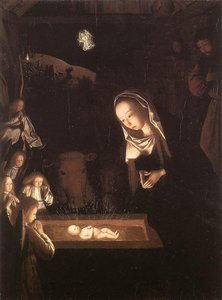
Geertgen tot Sint Jans se izdvojio kroz nekoliko ključnih umetničkih inovacija. Posedovao je izuzetnu senzibilitetnost prema pejzažu, integrišući ga neosetno u narativnu strukturu svojih slika. Za razliku od mnogih svojih savremenika koji su koristili pejzaže samo kao pozadinu, Geertente okruženja su prožeta simboličnim značenjem i značajno doprinose ukupnom emocionalnom utisku dela. Njegovi pejzaži nisu samo realistični prikazi; oni evociraju osećaj duhovnog mira i odražavaju unutrašnje stanje figura unutar njih. Štaviše, Geertgen je pokazao izvanrednu sposobnost da prenese emociju kroz suptilne gestove i izraze lica. Njegove figure nisu grandiozne niti teatralne, već poseduju intimnu ljudskost koja privlači posmatrača u njihov svet vere i tuge. Upotreba kjaroskura — dramatičnog interakcije svetlosti i senke — je takođe primetna, pojačavajući emocionalni intenzitet njegovih scena i stvarajući osećaj dubine i realizma. Ova tehnika je posebno evidentna u Rođenju noću, gde mrak obavija scenu, ispresecan radiantnim sjajem koji izbija od dečjeg Hrista.Trajni uticaj: Geertgenovo mesto u istoriji umetnosti
Uprkos ograničenom broju sigurno pripisanim delima, Geertgen tot Sint Jans zauzima značajno mesto u istoriji rane neerlandske umetnosti. Njegov uticaj se može osetiti u radu kasnijih holandskih majstora, posebno onih povezanih sa harlamskom školom. Njegov inovativni pristup pejzažu i njegov senzibilni prikaz ljudskih emocija otvorili su put razvojima koji će definisati holandsko slikarstvo u 17. veku. Uticaj Plakanja, kao što svedoči Jakob Mathamova gravura i prateća poezija, pokazuje dubok efekat koji je Geertgenov rad imao na njegove savremenike. Iako je tokom svog života bio u senci plodnijih umetnika poput Jana van Eycka ili Rogiera van der Weydena, moderna nauka sve više priznaje Geertgenove jedinstvene doprinose severnoj renesansi. On predstavlja ključnu kariku između internacionalnog gotičkog stila i bujajućeg realizma 16. veka, otelotvorujući delikatnu ravnotežu između duhovne pobožnosti i umetničke inovacije. Njegovo nasleđe opstaje ne samo kroz njegova preživela remek-dela, već i kroz trajnu misteriju koja okružuje njegov život — svedočanstvo o moći umetnosti da prevaziđe ograničenja istorijskog znanja.Ponovno otkrivanje majstora
- Rano neerlandsko slikarstvo: Geertgenovo delo je čvrsto ukorenjeno u tradicije rane neerlandske umetnosti, koju karakterišu pedantni detalji, realistični prikazi i fokus na religiozne teme.
- Harlamska škola: Igrao je ključnu ulogu u uspostavljanju harlamske škole slikarstva, utičući na naredne generacije umetnika koji su radili u tom regionu.
- Duhovna dubina: Njegove slike su poznate po svojoj dubokoj duhovnosti i emocionalnom odjeku, pozivajući posmatrače da kontempliraju teme vere, patnje i iskupljenja.
- Inovacija pejzaža: Geertgenova inovativna upotreba pejzaža kao integralnog dela narativne strukture izdvojila ga je od mnogih njegovih savremenika.
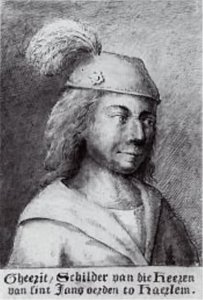
Geertgen Tot Sint Jans
1460 - 1490 , Holandija
Osnovne informacije
- Artistic Movement Or Style: Rano neerlandsko slikarstvo
- Artists Or Movements Influenced By This Artist:
- Rembrant
- Frans Hals
- Artists Who Influenced This Artist: ['Albert van Ouwater']
- Date Of Birth: 1460
- Date Of Death: 1490
- Full Name: Geertgen tot Sint Jans
- Nationality: Holandski
- Notable Artworks:
- Iskupljenje Hrista
- Legenda o Svetom Jovanu
- Jovan Krstitelj u pustinji
- Čovek patnje
- Place Of Birth: Lejden, Holandija
Povezani članci
Jan Gossaert (Mabuse): Pioneering Renaissance Style & the Birth of Netherlandish Antiquity
Explore the groundbreaking art of Jan Gossaert (Mabuse), a pioneer of Renaissance painting in the Low Countries. Discover his Romanist style, stunning portraits, and influence on Northern European art history.
The Northern Renaissance: A Flourishing of Realism, Religious Reform & Artistic Innovation
Explore the Northern Renaissance! Discover Jan van Eyck's innovations, religious shifts, & key artists of this influential period. Expert analysis and insights into Early Netherlandish painting at ArtsDot.
Jan Brueghel the Elder: A Master of Flemish Landscape & Allegory – Exploring Innovation & Influence
Explore the captivating world of Jan Brueghel the Elder, a Flemish Baroque master renowned for his stunning landscapes & allegorical paintings. Discover his collaborations with Rubens and lasting artistic legacy.
Glavna dela Severne Renesanse: 10 remek-dela koja su obeležila epohu (i vaš dom)
Otkrijte 10 remek dela Severne Renesanse koja su obeležila epohu! Jan van Eyck, Dürer i Bruegel – istražite priče iza ovih umetničkih majstorstava. Inspiracija za vaš dom i vrhunske reprodukcije na ArtsDot.com!
Jan Gossart: Bridging Netherlandish Realism & Renaissance Humanism – A Comprehensive Exploration
Explore the captivating world of Jan Gossart, a pivotal figure bridging Netherlandish realism & Renaissance humanism. Discover his masterpieces, patronage, and lasting influence – an essential guide for discerning art collectors.

