

 Pregledaj u prostoru
 Pošalji
 Podeli
 Detalji o delu

 Преузми
 Slični predmeti
 Rendgenski snimak
 Slajdovi
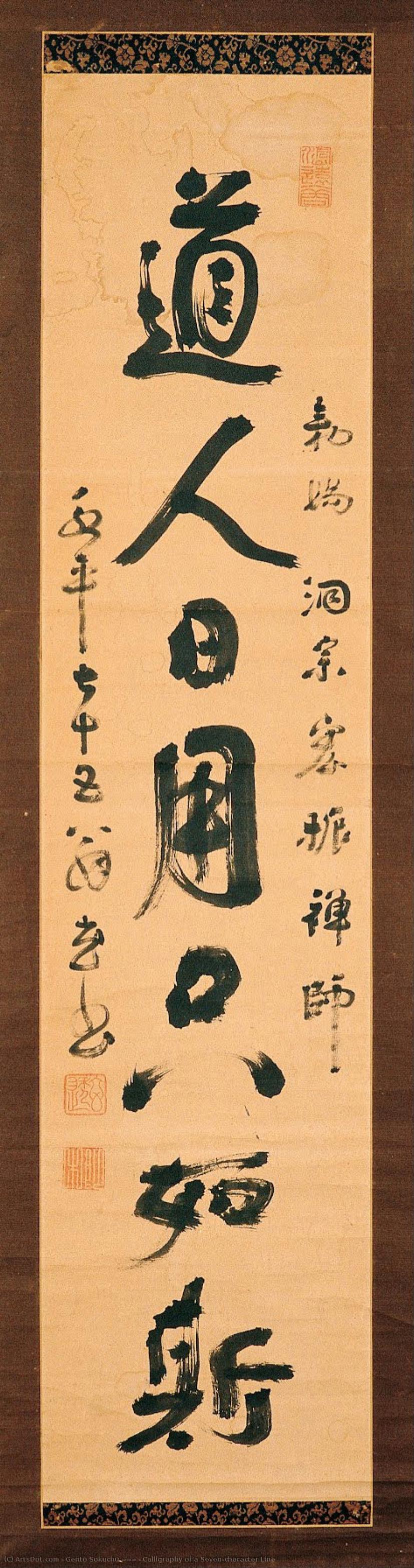
Calligraphy of a Seven-character Line


 Pročitaj više
Giclee štampa / Umetnički otisak
Giclée štampa ili print na platnu muzejskog kvaliteta uz brzu proizvodnju i fleksibilne opcije završne obrade. ( Kupi ručno naslikanu sliku Kupi digitalnu sliku)




































Izaberite jednu od naših unapred definisanih veličina koje odgovaraju originalnim proporcijama umetničkog dela.

Možete uneti sopstvene dimenzije kako biste umetničko delo prilagodili specifičnom okviru ili prostoru. Ako odabrani format ne odgovara proporcijama originalne slike, mi ćemo ili iscrtati deo dela ili proširiti sliku pomoću ogledane ivice ili jednobojnog popunjavanja. Digitalni prikaz će vam biti poslat na odobrenje pre početka proizvodnje.
Imajte na umu da pregled na ekranu ne odražava stvarno iscrtavanje ili proširivanje. Samo će prikaz (mockup) precizno pokazati finalnu kompoziciju.
Iako su prilagođene dimenzije dostupne, preporučujemo da odaberete dimenziju sa unapred definisane liste kako biste očuvali originalne proporcije.
Dostava širom sveta () za 2 nedelje umesto uobičajenih 4/5 nedelja. (4 септембар)

Besplatna ekspresna dostava širom sveta

Visokokvalitetno laneno platno

Kompletno osiguranje transporta

Garancija povraćaja carine i uvoznih dažbina

Garancija vernosti boja

Politika povrata u roku od 60 dana (samo u slučaju nedostataka)

Garancija povrata novca od 100%

Popust pri grupnoj kupovini
 Opcija sa staklom dostupna je samo za dimenzije manje od 110 cm

Calligraphy of a Seven-character Line
Giclee štampa / Umetnički otisak
Dimenzije reprodukcije
-


Konačna cena
$ 62
Srodna umetnička dela





Biografija umetnika
Gentō Sokuchū (玄透即中): A Revivalist of Dōgen’s Legacy
Gentō Sokuchū (玄透即中), born in 1729, stands as a pivotal figure within the Sōtō Zen tradition—a scholar and abbot who tirelessly championed the rediscovery and reaffirmation of Dōgen Zenji's teachings during the late Edo period. His life’s work centered on meticulously reconstructing and disseminating Dōgen’s seminal texts, fundamentally reshaping the trajectory of Sōtō monastic practice and shaping its intellectual landscape for centuries to come. Understanding Sokuchū requires delving into the broader context of a movement striving to recapture the essence of Zen Buddhism's foundational principles—a mission he undertook with unwavering dedication and profound erudition.- Early Life & Education: Born in Kyoto, Sokuchū’s formative years were marked by rigorous study within Eiheiji monastery, where he honed his understanding of Buddhist philosophy and calligraphy. His upbringing instilled a deep reverence for Dōgen's teachings—a conviction that would propel him throughout his scholarly pursuits.
- Eihei-ji & The Rediscovery of Dōgen: Sokuchū’s ascent to abbatial leadership at Eiheiji coincided with a period of considerable decline in Sōtō monastic scholarship. Recognizing the urgent need for revitalization, he embarked on an ambitious project—the comprehensive editing and publication of Dōgen's monumental works, including Shōbōgenzō and Eihei Kenkōroku (The Record of Enlightenment). This endeavor wasn’t merely academic; it represented a deliberate effort to reconnect monks with the core tenets of Zen practice.
- The Eihei Rules of Purity: Sokuchū's crowning achievement was undoubtedly the compilation of Eihei Shingi—the Eihei Rules of Purity. These rules, painstakingly reconstructed from fragmentary manuscripts, articulated Dōgen’s uncompromising ethical code for monks—a stark contrast to the lax standards prevalent in preceding centuries. Sokuchū’s insistence on enforcing these rules served as a catalyst for reform within Eiheiji and reverberated throughout the Sōtō school.
- Influence & Legacy: Sokuchū's commitment to preserving Dōgen’s legacy extended beyond textual scholarship. He championed the revival of koan practice—a method central to Rinzai Zen—arguing for its judicious use alongside traditional meditation techniques. Furthermore, he oversaw a significant architectural undertaking—the rebuilding of Eiheiji’s sangha hall in 1796—selecting Ming Dynasty models as inspiration, rejecting the Ōbaku school's stylistic preferences and reaffirming Dōgen’s vision of monastic architecture.
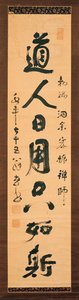
gentō sokuchū (玄透即中)
1729 - 1807 , Japan
Osnovne informacije
- Artistic Movement Or Style: Sōtō Zen
- Artists Or Movements Influenced By This Artist: ['Rinzai']
- Artists Who Influenced This Artist: ['Dōgen']
- Date Of Birth: 1729
- Date Of Death: 1807
- Full Name: gentō sokuchū 玄透即中
- Nationality: Japanese
- Notable Artworks: ['Eihei Rules of Purity']
- Place Of Birth: Japan

