 Pregledaj u prostoru
 Pošalji
 Podeli
 Detalji o delu

 Преузми
 Slični predmeti
 Rendgenski snimak
 Slajdovi
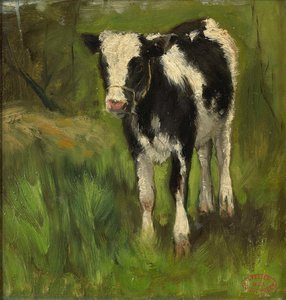
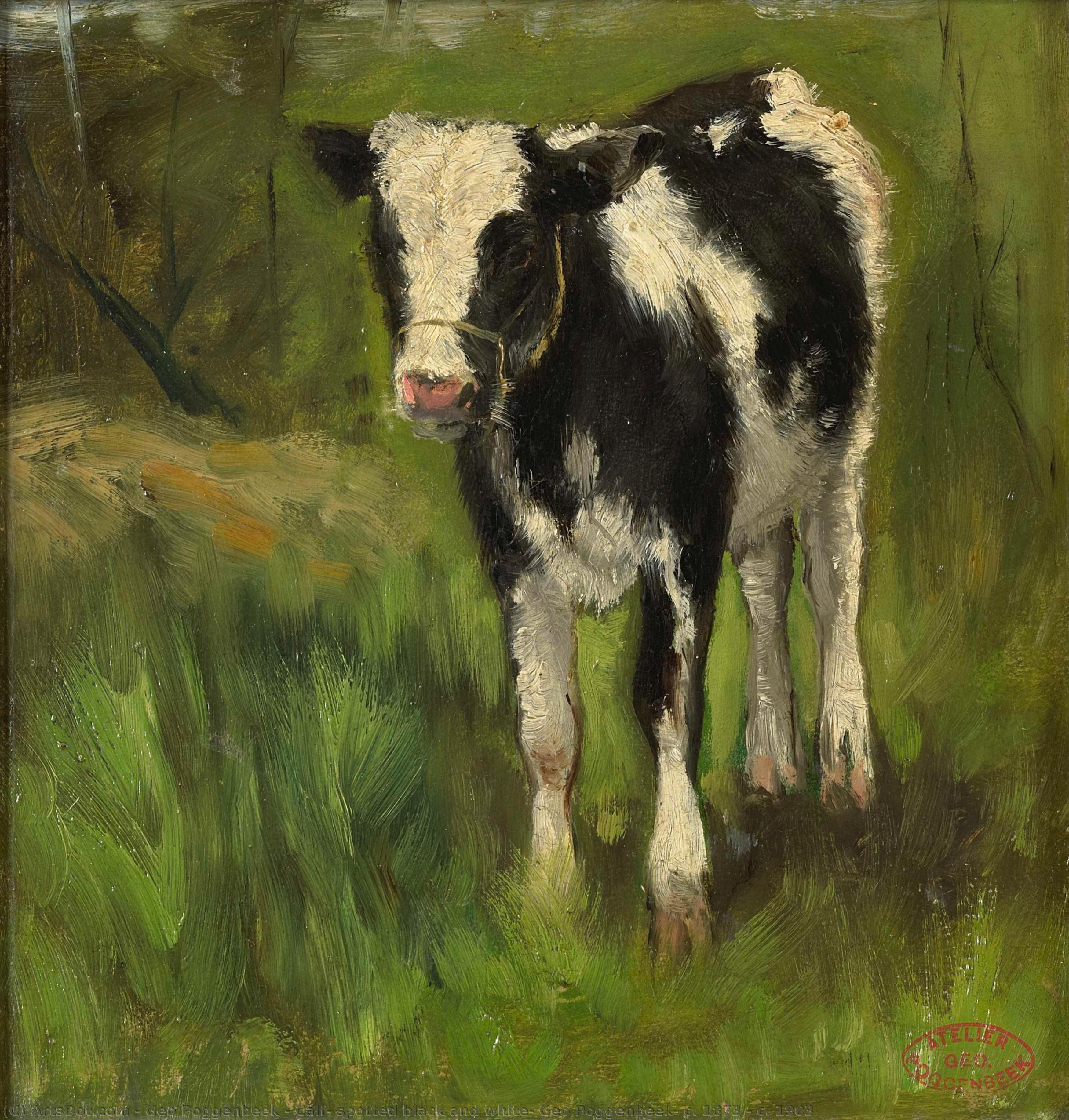
Calf, spotted black and white, Geo Poggenbeek, c. 1873 - c. 1903
 1903
1903 22.0 x 21.0 cm
 Pročitaj više
Kupite digitalnu sliku visoke rezolucije i poboljšanog kvaliteta, koja je znatno superiornija od onoga što vidite u online prikazu.
Svaka datoteka je pedantno pripremljena od strane naših stručnjaka koristeći napredne alate i profesionalnu ručnu retušu. Osiguravamo da svaka slika ima izuzetnu oštrinu, preciznu reprodukciju boja i fine detalje.
Konačna datoteka se dostavlja putem e-pošte u roku od 72 sata, optimizovana za neposrednu upotrebu u profesionalnim, izdavačkim i štamparskim okruženjima. To je isti kvalitet kojem veruju vrhunski studiji dizajna, izdavači i galerije.
Digitalna slika
Preuzmite datoteku visoke rezolucije za ličnu upotrebu, štampanje i kreativne projekte. ( Kupi print Kupi ručno naslikanu sliku)
Uključeno uz svaku porudžbinu digitalne slike
Profesionalna digitalna isporuka, zagarantovana
Kada odaberete ArtsDot.com, ne dobijate samo sliku – vi primate profesionalno unapređeno digitalno umetničko delo, izrađeno sa najvećom preciznošću i uz garanciju zadovoljstva. Evo svega što automatski dolazi uz vašu porudžbinu:

Brza dostava putem e-pošte
Vaša digitalna slika visoke rezolucije biće vam poslata putem e-pošte u roku od 72 sata od poručivanja – spremna za trenutnu upotrebu.

Digitalna datoteka unapređena veštačkom inteligencijom
Vaše umetničko delo je profesionalno optimizovano korišćenjem naprednih AI alata i ručne obrade, čime se osiguravaju maksimalni detalji, oštrina i preciznost boja.

Besplatna ponovna isporuka doživotno
Slučajno ste obrisali ili izgubili svoju datoteku? Ne brinite – poslaćemo vam je ponovo u bilo kom trenutku, potpuno besplatno.

Bez troškova uvoza – zauvek
Uživajte u svojim umetničkim delima trenutno, bez carine, dažbina ili troškova dostave – digitalni download je uvek bez poreza.

Garancija vernosti boja
Uz pomoć profesionalnih alata i upravljanja bojama, osiguravamo da vaša digitalna slika što vernije odražava originalne boje.

Garancija zadovoljstva u roku od 60 dana
Ako niste zadovoljni svojom digitalnom slikom, revidirat ćemo je ili vratiti 100% novca u roku od 60 dana – bez ikakvih pitanja.

100% garancija povrata novca
Niste zadovoljni? Obezbedite pun povrat novca u roku od 60 dana od trenutka kada ste primili svoju digitalnu datoteku – bez suvišnih pitanja.

Popusti na velike porudžbine
Kupite 3 slike, uštedite 10% - Kupite 5 slika, uštedite 15% - Kupite 10+ slika, uštedite 20%. Odlično za kreativne projekte, galerije i agencije.
Opis kolekcionarskog dela
Srodna umetnička dela



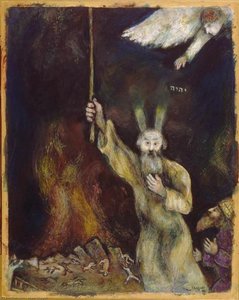
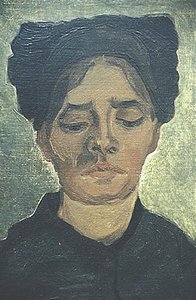
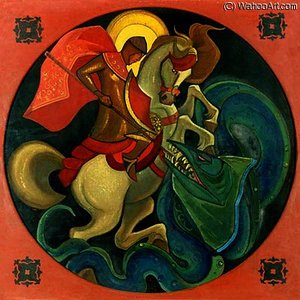
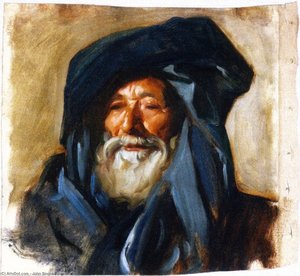

Biografija umetnika
The Enigmatic World of None
The artist known simply as “None” presents a fascinating paradox in the contemporary art landscape. Emerging from relative obscurity, None’s work defies easy categorization, existing instead as a compelling exploration of absence, perception, and the very nature of artistic creation. Biographical details surrounding None remain intentionally sparse – a deliberate choice by the artist to shift focus away from personality cult and towards the pure experience of the artwork itself. What little is known suggests a background steeped in philosophical inquiry and a rejection of traditional art-world conventions. Born in an undisclosed location, with no publicly available date of birth or death (as they are currently living), None’s early life appears to have been marked by a deep fascination with minimalism, Zen Buddhism, and the writings of existentialist thinkers like Jean-Paul Sartre and Albert Camus.
Early Influences and Conceptual Foundations
None's artistic journey didn’t begin with painting or sculpture in the conventional sense. Instead, it was rooted in conceptual art practices, particularly those pioneered by artists such as Sol LeWitt and Yves Klein. The early works of None were often described as “anti-art” – pieces that actively questioned the definition of what constitutes a work of art. These included instructions for imagined artworks, performances documented only through text, and explorations of negative space. This fascination with nothingness wasn’t an exercise in nihilism, but rather a deliberate attempt to dismantle preconceived notions about artistic value. The artist sought to create works that existed not as tangible objects, but as ideas – prompting viewers to engage in active contemplation and self-reflection. A key influence during this period was the Japanese aesthetic of ma, which emphasizes the importance of empty space and its relationship to form. None saw in ma a powerful metaphor for the potential inherent in absence, believing that it could be as evocative and meaningful as any physical presence.
The Development of the “Void” Series
Around the turn of the millennium, None began to develop what would become their signature series: the “Void” paintings. These are not canvases filled with darkness, but rather meticulously prepared surfaces – often large-scale monochromes in shades of black, grey, and deep indigo – that appear to absorb light rather than reflect it. The technique is deceptively simple, involving layers upon layers of pigment applied with painstaking precision. However, the true power of these works lies not in their execution, but in their ability to create a sense of profound depth and stillness. Viewers often report experiencing a disorienting effect when confronted with a “Void” painting – a feeling of being drawn into an infinite expanse of nothingness. This is intentional; None aims to disrupt the viewer’s habitual ways of seeing, forcing them to confront their own internal landscape. The series evolved over time, incorporating subtle variations in texture and tone, but always maintaining its core focus on the exploration of emptiness.
Major Achievements and Critical Reception
Despite – or perhaps because of – its unconventional nature, None’s work has garnered significant critical acclaim. Early exhibitions were met with skepticism from some quarters, who dismissed it as pretentious or lacking in substance. However, a growing number of critics recognized the profound intellectual rigor and emotional depth of their creations. A pivotal moment came with the 2015 retrospective at the Museum of Contemporary Art in an unnamed European city. The exhibition drew record crowds and sparked intense debate among art historians and philosophers. None’s work has been interpreted through a variety of lenses, including phenomenology, post-structuralism, and Eastern philosophy. They have received numerous awards and fellowships, but consistently eschews public recognition, preferring to remain anonymous and allowing the artwork to speak for itself. The artist's refusal to engage in self-promotion has only added to their mystique, solidifying their reputation as a truly enigmatic figure.
Historical Significance and Lasting Impact
None’s contribution to contemporary art lies not in the creation of visually spectacular objects, but in the expansion of our understanding of what art can be. By challenging traditional notions of form, content, and authorship, they have paved the way for a new generation of artists who are interested in exploring the boundaries of perception and consciousness. The “Void” series, in particular, has had a lasting impact on minimalist aesthetics, influencing countless painters and sculptors. More broadly, None’s work speaks to a growing sense of alienation and uncertainty in the modern world – a desire for meaning in an age of information overload. Their art is not about providing answers, but about asking questions. It is a reminder that true creativity often lies not in what we create, but in what we choose to leave unsaid, unseen, or undone. The legacy of None will undoubtedly continue to resonate for years to come, challenging and inspiring artists and audiences alike to look beyond the surface and embrace the power of nothingness.