

 Pregledaj u prostoru
 Pošalji
 Podeli
 Detalji o delu

 Преузми
 Slični predmeti
 Rendgenski snimak
 Slajdovi
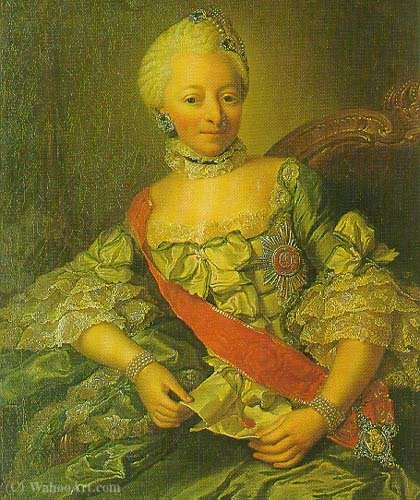
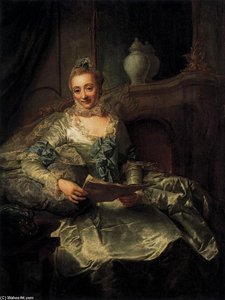
Louise Friderike of Württemberg
 Pročitaj više
Ručno rađena uljana reprodukcija
Ručno oslikano uljanim bojama na platnu u dimenzijama i okviru po vašem izboru, izrađeno po porudžbini od strane naših umetnika. ( Kupi print Kupi digitalnu sliku)




































Izaberite jednu od naših unapred definisanih veličina koje odgovaraju originalnim proporcijama umetničkog dela.

Можете унети сопствене димензије како бисте прилагодили дело одређеном оквиру или простору. Ако одабрана величина не одговара пропорцијама оригинала, слика ће бити исечена или проширена додатним елементима који се ручно насликавају. Дигитални prikaz ће вам бити послат на одобрење пре почетка производње.
Имајте на уму да преглед на екрану не одражава стварно исецање или проширење. Само приказ (mockup) ће тачно приказати коначну композицију.
Иако су доступне прилагођене величине, препоручујемо да одаберете димензију из дефинисане листе како бисте сачували оригиналне пропорције.
Nakon narudžbine, tim ArtsDot.com će klijentu putem e-pošte poslati uputstva i dostaviti prikaz predloženog rešenja
Isporuka širom sveta () za 3/4 nedelje umesto uobičajenih 5 nedelja. (23 август). Bez kompromisa po pitanju kvaliteta.

Besplatna ekspresna dostava širom sveta

Visokokvalitetno laneno platno

Kompletno osiguranje transporta

Garancija povraćaja carine i uvoznih dažbina

Garancija vernosti boja

Politika povrata u roku od 60 dana (samo u slučaju nedostataka)

Garancija povrata novca od 100%

Popust pri grupnoj kupovini
 Opcija sa staklom dostupna je samo za dimenzije manje od 110 cm

Louise Friderike of Württemberg
Tehnika reprodukcije
Dimenzije reprodukcije
-


Konačna cena
$ 263
Srodna umetnička dela



Biografija umetnika
Jean Baptiste Vanmour: A Painter of the Sublime and the Exotic
Born in Valenciennes, France, in 1671, Jean Baptiste Vanmour’s life was a tapestry woven across continents – from the bustling streets of Paris to the opulent courts of Constantinople. While often overshadowed by his contemporaries, Vanmour carved out a distinctive artistic niche, blending meticulous detail with an evocative sense of drama and a fascination with both classical antiquity and the exotic landscapes of the East. His career spanned nearly seven decades, marked by a remarkable adaptability and a willingness to embrace diverse subject matter, ultimately establishing him as one of the most significant landscape painters of his era.
Vanmour’s early artistic training remains somewhat shrouded in mystery, though it's believed he began his apprenticeship under the renowned painter, Nicolas-Joseph Patelin. This foundation instilled in him a classical sensibility – a deep understanding of composition, perspective, and the idealized beauty of the human form. However, Vanmour quickly transcended mere imitation, developing a unique style characterized by an almost obsessive attention to detail and a masterful use of light and shadow. His early works often depicted scenes from mythology and history, showcasing his technical skill but hinting at a growing desire for something more – a connection with the natural world.
The Eastern Influence: Constantinople and Beyond
A pivotal moment in Vanmour’s career arrived in 1736 when he journeyed to Constantinople, then the capital of the Ottoman Empire. This move proved transformative, profoundly shaping his artistic vision and subject matter. The vibrant colors, dramatic lighting, and exotic flora and fauna of the East captivated him, inspiring a series of paintings that celebrated the splendor and mystery of this distant land. He became intimately familiar with the city’s architecture, its bustling markets, and its diverse population, capturing these scenes with remarkable accuracy and an undeniable sense of wonder.
- Landscapes of the Sublime: Vanmour's landscapes weren’t simply depictions of scenery; they were imbued with a profound sense of drama and grandeur. He frequently chose dramatic vistas – towering mountains, vast plains, and turbulent rivers – to evoke feelings of awe and contemplation.
- Oriental Details: His paintings are replete with meticulously rendered details—the intricate patterns of Persian carpets, the shimmering surfaces of mosques, the vibrant hues of exotic flowers—creating a rich tapestry of sensory experience.
- Portraits of Ottoman Dignitaries: Vanmour also produced numerous portraits of Ottoman officials and dignitaries, skillfully capturing their personalities and status through subtle gestures and carefully chosen attire.
Technique and Style: A Synthesis of Classical and Eastern Traditions
Vanmour’s artistic style represents a fascinating synthesis of classical and oriental influences. He retained the rigorous compositional principles learned from his training in France, employing techniques of aerial perspective and chiaroscuro to create depth and atmosphere. However, he infused these elements with a distinctly eastern sensibility—a heightened awareness of color, texture, and the interplay of light and shadow. His brushwork was often loose and expressive, conveying a sense of movement and spontaneity that contrasted sharply with the more formal style of his contemporaries.
He was particularly adept at capturing the effects of light on water, creating shimmering reflections and dynamic ripples that brought his landscapes to life. His use of color was equally remarkable—he employed a wide range of hues, often layering them to create complex and luminous surfaces. Vanmour’s meticulous attention to detail extended beyond mere representation; he sought to capture the *essence* of each subject, imbuing his paintings with a sense of emotional resonance.
Legacy and Influence
Jean Baptiste Vanmour died in Constantinople in 1778, leaving behind a substantial body of work that continues to fascinate art historians and collectors today. While he never achieved widespread fame during his lifetime, his paintings are now recognized as masterpieces of the late Baroque and early Rococo periods. His influence can be seen in the works of later landscape painters who were inspired by his dramatic compositions, his masterful use of color, and his fascination with the exotic East.
His work is particularly valued for its ability to transport the viewer to distant lands—to the sun-drenched plains of Persia, the majestic mountains of Turkey, and the bustling streets of Constantinople. Vanmour’s paintings are not merely representations of scenery; they are windows into a world of beauty, mystery, and adventure – a testament to the enduring power of art to transcend time and place.
Further Resources
georg david matthieu
1737 - 1778 , Germany
Osnovne informacije
- Artistic Movement Or Style: Painter
- Artists Who Influenced This Artist: ['None],\n "Artists or movements influenced by this artist": [Hackert, Jacob Philipp']
- Date Of Birth: January 9, 1671
- Date Of Death: January 22, 1737
- Full Name: Jean Baptiste Vanmour
- Nationality: French
- Notable Artworks: ['Various landscapes and portraits']
- Place Of Birth: Valenciennes, France

