

 Pregledaj u prostoru
 Pošalji
 Podeli
 Detalji o delu

 Преузми
 Slični predmeti
 Rendgenski snimak
 Slajdovi
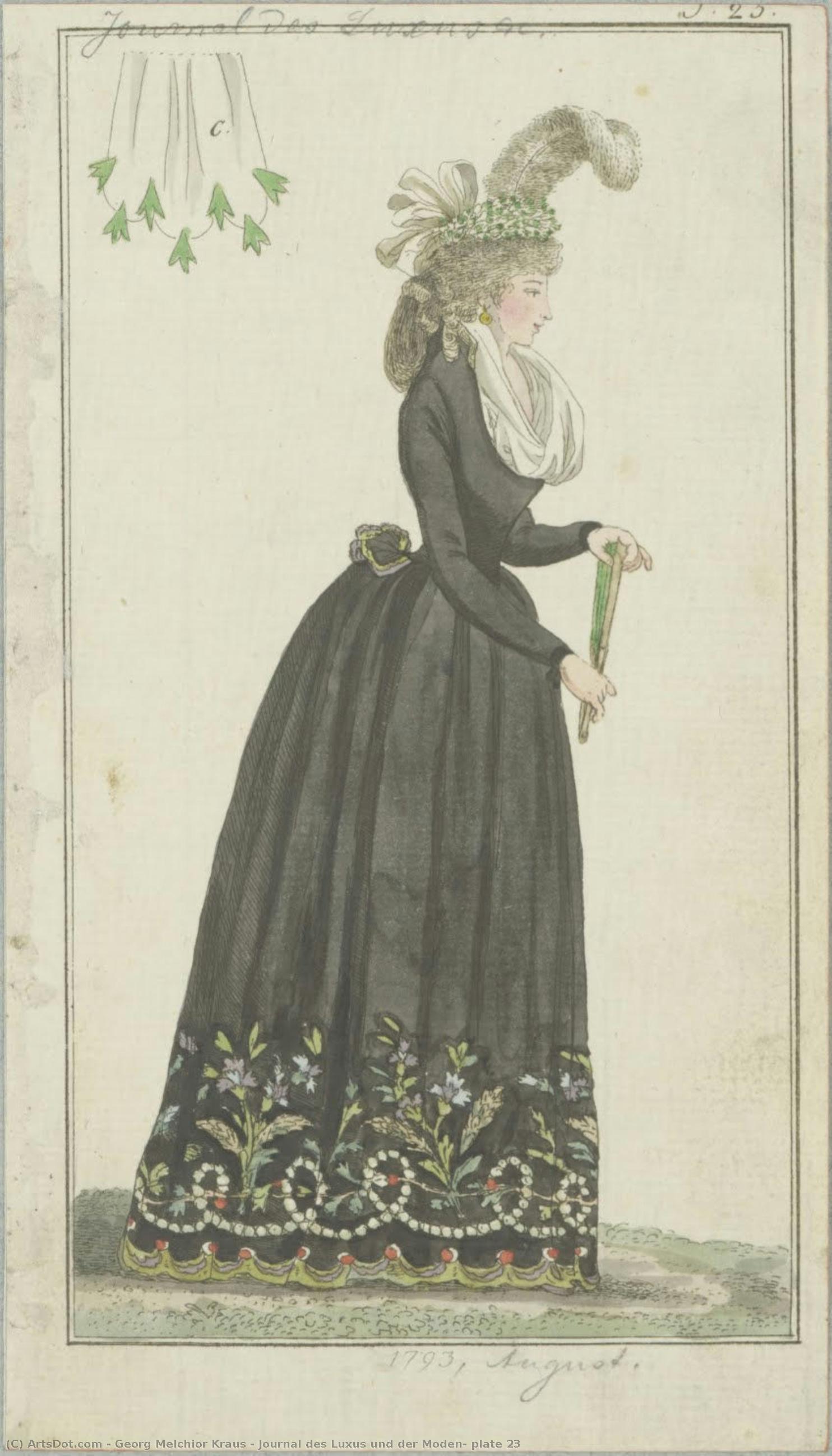
Journal des Luxus und der Moden, plate 23
 Neoclassicism
 1793
1793 19.0 x 11.0 cm
 Pročitaj više
Ručno rađena uljana reprodukcija
Ručno oslikano uljanim bojama na platnu u dimenzijama i okviru po vašem izboru, izrađeno po porudžbini od strane naših umetnika. ( Kupi print Kupi digitalnu sliku)




































Izaberite jednu od naših unapred definisanih veličina koje odgovaraju originalnim proporcijama umetničkog dela.

Можете унети сопствене димензије како бисте прилагодили дело одређеном оквиру или простору. Ако одабрана величина не одговара пропорцијама оригинала, слика ће бити исечена или проширена додатним елементима који се ручно насликавају. Дигитални prikaz ће вам бити послат на одобрење пре почетка производње.
Имајте на уму да преглед на екрану не одражава стварно исецање или проширење. Само приказ (mockup) ће тачно приказати коначну композицију.
Иако су доступне прилагођене величине, препоручујемо да одаберете димензију из дефинисане листе како бисте сачували оригиналне пропорције.
Nakon narudžbine, tim ArtsDot.com će klijentu putem e-pošte poslati uputstva i dostaviti prikaz predloženog rešenja
Isporuka širom sveta () za 3/4 nedelje umesto uobičajenih 5 nedelja. (1 септембар). Bez kompromisa po pitanju kvaliteta.

Besplatna ekspresna dostava širom sveta

Visokokvalitetno laneno platno

Kompletno osiguranje transporta

Garancija povraćaja carine i uvoznih dažbina

Garancija vernosti boja

Politika povrata u roku od 60 dana (samo u slučaju nedostataka)

Garancija povrata novca od 100%

Popust pri grupnoj kupovini
 Opcija sa staklom dostupna je samo za dimenzije manje od 110 cm

Journal des Luxus und der Moden, plate 23
Tehnika reprodukcije
Dimenzije reprodukcije
-


Konačna cena
$ 263
Srodna umetnička dela
Biografija umetnika
Georg Melchior Kraus (1737–1806): A Weimar Pioneer
Georg Melchior Kraus (1737–1806) stands as a pivotal figure in German art history, particularly recognized for his contribution to the Weimar School and his enduring friendship with Johann Wolfgang Goethe. Born in Frankfurt am Main, he emerged from humble beginnings—the sixth child of Cornelia Krauser née Paulsen and Johann Georg Krauser—who operated the “Zur Weissen Schlangen” hotel in Frankfurt’s Sandgasse. Despite facing significant hardship early in life due to the premature deaths of five siblings, Kraus possessed an unwavering determination that propelled him toward artistic excellence and intellectual engagement. His formative years were spent studying under Johann Heinrich Tischbein the Elder at the court of Frederick II of Saxe Weimar and Eisenach, absorbing the stylistic precepts of Baroque painting and honing his observational skills. This exposure proved invaluable as he embarked on a Parisian sojourn in 1762–63, immersing himself in the vibrant artistic milieu of Enlightenment France and collaborating with luminaries like Jean-Baptiste Greuze. It was during this period that Kraus cultivated an influential connection with Goethe, forging a bond that would shape both their artistic careers and intellectual dialogues for decades to come. Kraus’s artistic output spanned diverse mediums—paintings, etchings, and architectural designs—reflecting his versatility as an artist and his keen understanding of contemporary tastes. Notably, he established the Fürstliche Freie Zeichenschule Weimar (Royal Free Drawing School) in 1776 alongside Friedrich Justin Bertuch, fostering a new generation of artists committed to Neoclassical ideals. This institution became a cornerstone of Weimar’s cultural landscape and cemented Kraus's legacy as a champion of artistic innovation and educational reform. Among his most celebrated works are depictions of biblical scenes—particularly “The Annunciation”—characterized by meticulous detail and expressive dynamism, demonstrating Kraus’s mastery of chiaroscuro and compositional balance. However, it is perhaps his engravings that garnered him enduring recognition. His prints captured the spirit of Weimar society with remarkable accuracy, portraying portraits of prominent figures like Goethe and Friedrich Schiller alongside scenes from daily life—a testament to his ability to convey emotion and narrative through visual language. A particularly striking example is “Journal des Luxus und der Moden,” plate 23 (1793), showcasing Kraus’s skill in capturing the elegance and sophistication of the era. The artwork portrays a woman adorned in opulent attire, meticulously rendered with delicate etching techniques—a masterful demonstration of Kraus's technical prowess. Furthermore, his involvement in architectural projects, notably the Pulverturm and Johannistor in Jena (completed in 1792), underscores his broader engagement with shaping the visual environment of Weimar’s intellectual capital. Kraus’s artistic legacy extends beyond individual masterpieces; he profoundly influenced the development of Weimar’s artistic culture and established a tradition of scholarly painting that endured for generations. His unwavering dedication to artistic excellence, coupled with his friendship with Goethe—a relationship marked by mutual admiration and collaborative creativity—solidifies Kraus's place as one of Germany’s most important artists of the eighteenth century.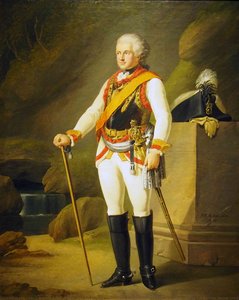
georg melchior kraus
1737 - 1806
Osnovne informacije
- Artistic Movement Or Style: Neoclassicism
- Artists Or Movements Influenced By This Artist: ['Goethe']
- Artists Who Influenced This Artist: ['Johann Heinrich Tischbein']
- Date Of Birth: 1737
- Full Name: Georg Melchior Kraus
- Nationality: German
- Notable Artworks:
- A Family at Table
- Journal des Luxus und der Moden, plate 23
- Place Of Birth: Frankfurt am Main, Germany
Povezani članci
Georges Braque: 25 Remek-dela Kubizma za Inspirisanje Vašeg Doma | ArtsDot
Istražite 25 remek-dela Georges Braquea, pionira kubizma. Otkrijte priče iza slika, tehnike i inspiraciju za dizajn enterijera. Reprodukcije vrhunskog kvaliteta dostupne na ArtsDot.com! Pronađite savršeno umetničko delo online.

25 Remek-dela Žorža Seurea: Putovanje kroz Svet Tačizma i Impresionističke Revolucije
Istražite 25 remek-dela Žorža Seurea i uronite u svet tačizma i impresionističke revolucije. Otkrijte priče iza slika, tehnike i inspiraciju ovog francuskog umetnika. Reprodukcije vrhunskog kvaliteta dostupne na ArtsDot.com!
Engraving's Golden Age: 10 Masterpieces That Redefined Art | ArtsDot
Journey through art history with our Top 10 Legendary Engravings! Explore masterpieces by Dürer, Rembrandt & Goya. Discover the stories behind these iconic prints and find museum-quality reproductions for your home at ArtsDot.com.
George Roux: Pioneering Symbolism & Enduring Legacy in Verne's Illustrations
Explore the captivating world of George Roux, a pioneer of French Symbolist illustration renowned for his iconic work with Jules Verne. Discover his artistic techniques, enduring legacy, and how to collect his timeless masterpieces.
Engraving: A Historical Survey of Technique, Artistic Expression & Enduring Legacy
Explore the rich history of engraving with ArtsDot. Discover techniques, iconic artists like Dürer & Callot, collecting tips, and expert guidance for preserving your art investment. Learn about intaglio printing & more!

