

 Pregledaj u prostoru
 Pošalji
 Podeli
 Detalji o delu

 Преузми
 Slični predmeti
 Rendgenski snimak
 Slajdovi
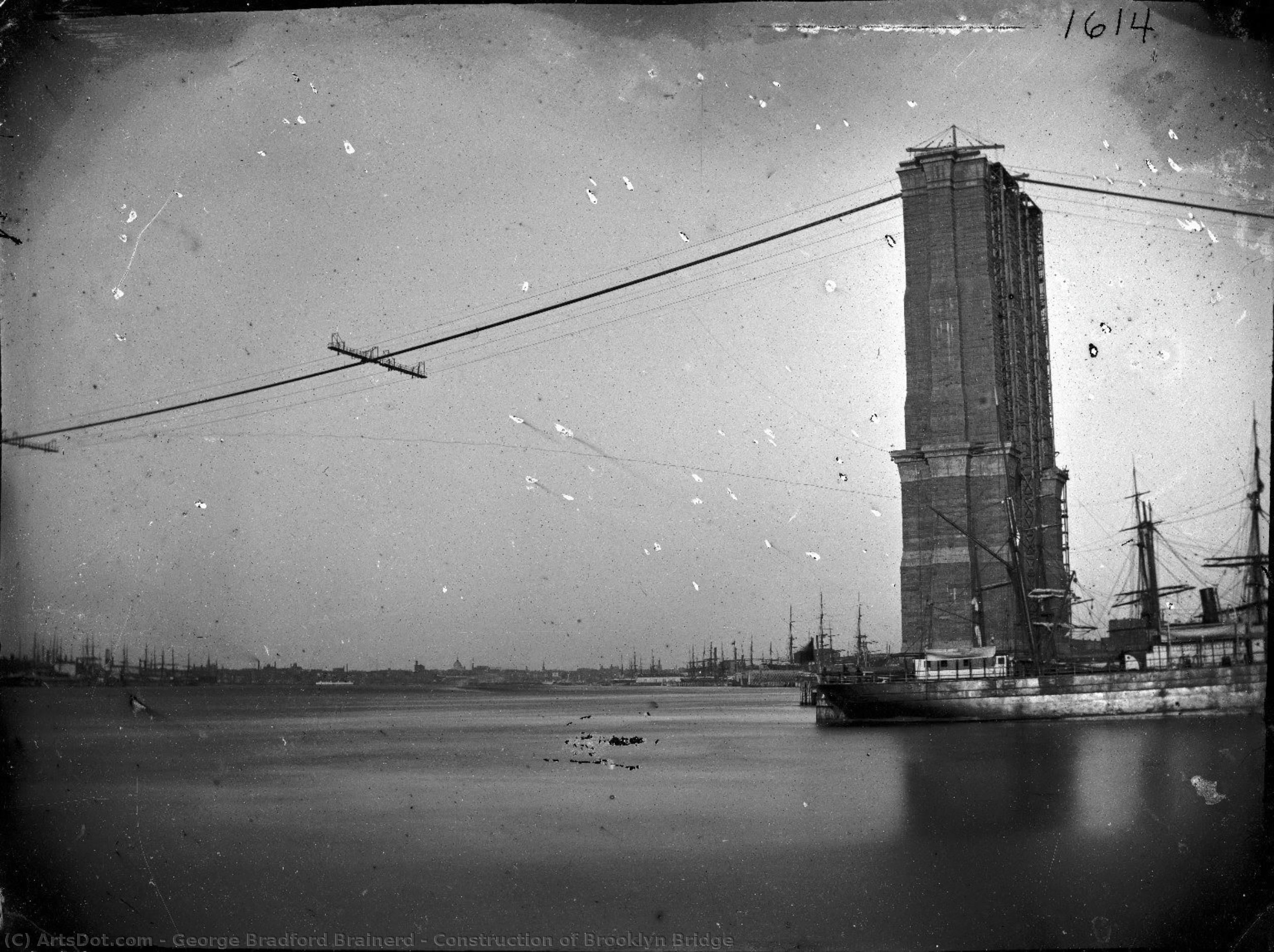
Construction of Brooklyn Bridge


 Pročitaj više
Ručno rađena uljana reprodukcija
Ručno oslikano uljanim bojama na platnu u dimenzijama i okviru po vašem izboru, izrađeno po porudžbini od strane naših umetnika. ( Kupi print Kupi digitalnu sliku)




P118B $10

P118H $10

P118W $10

P438Z $10

P508JH $12

P508YH $12

P805H $10

P805Z $10

P919BZ $10

P919G $10

P919XJ $10

P959ZH $10

P968JZ $12

W106C $8

W218G $10

W218JH $8

W218Y $10

W307PJ $10

W316G $10

W316PJ $8

W316Y $10

W398PJ $8

W4111J $10

W500HY $15

W500JH $15

W692G $12

W849H $8

W940BG $15

W953PJ $8




Izaberite jednu od naših unapred definisanih veličina koje odgovaraju originalnim proporcijama umetničkog dela.

Можете унети сопствене димензије како бисте прилагодили дело одређеном оквиру или простору. Ако одабрана величина не одговара пропорцијама оригинала, слика ће бити исечена или проширена додатним елементима који се ручно насликавају. Дигитални prikaz ће вам бити послат на одобрење пре почетка производње.
Имајте на уму да преглед на екрану не одражава стварно исецање или проширење. Само приказ (mockup) ће тачно приказати коначну композицију.
Иако су доступне прилагођене величине, препоручујемо да одаберете димензију из дефинисане листе како бисте сачували оригиналне пропорције.
Nakon narudžbine, tim ArtsDot.com će klijentu putem e-pošte poslati uputstva i dostaviti prikaz predloženog rešenja
Isporuka širom sveta () za 3/4 nedelje umesto uobičajenih 5 nedelja. (24 август). Bez kompromisa po pitanju kvaliteta.

Besplatna ekspresna dostava širom sveta

Visokokvalitetno laneno platno

Kompletno osiguranje transporta

Garancija povraćaja carine i uvoznih dažbina

Garancija vernosti boja

Politika povrata u roku od 60 dana (samo u slučaju nedostataka)

Garancija povrata novca od 100%

Popust pri grupnoj kupovini
 Opcija sa staklom dostupna je samo za dimenzije manje od 110 cm

Construction of Brooklyn Bridge
Tehnika reprodukcije
Dimenzije reprodukcije
-


Konačna cena
$ 263
Opis umetničkog dela
A Chronicle of Steel and Smoke: Brainerd’s “Construction of Brooklyn Bridge”
George Bradford Brainerd's "Construction of Brooklyn Bridge," circa 1872-1887, isn’t merely a photograph; it’s a frozen moment in the audacious ambition of Victorian engineering. Captured on a fragile glass plate negative – a testament to the ingenuity and challenges of wet collodion photography – this image offers an intimate glimpse into one of history's most iconic structures as it clawed its way towards completion. The grainy texture, characteristic of early photographic processes, immediately anchors us in time, evoking a sense of raw industry and nascent modernity. More than just documenting a bridge’s construction, Brainerd has rendered the entire scene with a palpable energy – the rumble of hammers against stone, the hiss of steam, and the sheer scale of human endeavor striving to conquer the East River.
The composition itself is masterfully restrained yet profoundly powerful. The towering form of the bridge’s central tower dominates the frame, its vertical thrust relentlessly pushing upwards, a symbol of progress and aspiration. Below, the waterfront scene – a chaotic ballet of ships, cranes, and industrial activity – provides a vital counterpoint, grounding the monumental structure in the gritty reality of its surroundings. The strategic use of perspective draws our eye along the receding lines of the river and shoreline, creating an illusion of depth that amplifies the bridge’s imposing presence. The subtle vignetting around the edges serves to focus attention on this pivotal moment, isolating it within a frame of historical significance.
A Window into Wet Collodion: Technique and Process
Brainerd's choice of medium – wet collodion photography – profoundly shapes the image’s character. This demanding process required immediate execution; the photographer had to coat the glass plate with light-sensitive chemicals, expose it within minutes, and then rapidly develop it before the emulsion dried. The resulting images are inherently textured, imbued with a unique graininess that speaks to the fragility of the photographic material and the speed of the process. The monochrome palette – shades of gray, black, and white – further emphasizes this tactile quality, stripping away distracting color and highlighting the inherent structure and form of the scene. Notice the subtle variations in tone, revealing the textures of wood, metal, and stone with remarkable detail.
Furthermore, the image’s sharpness is carefully controlled, suggesting a deliberate artistic choice rather than simply technical necessity. The focus isn't uniformly sharp across the entire frame; instead, it subtly prioritizes the bridge itself, drawing our attention to its intricate details – the scaffolding, the rivets, and the sheer complexity of the engineering marvel. This selective focus contributes to the image’s overall sense of drama and emphasizes Brainerd’s keen eye for composition.
The Symbolism of Steel and Stone
“Construction of Brooklyn Bridge” transcends a simple documentation of an architectural project; it's rich in symbolic meaning. The bridge itself represents more than just a physical connection between Manhattan and Brooklyn – it embodies the spirit of innovation, ambition, and westward expansion that defined 19th-century America. The towering structure rising from the river symbolizes overcoming obstacles, conquering challenges, and pushing the boundaries of human possibility. The bustling waterfront scene reflects the burgeoning industrial economy of New York City, a testament to its rapid growth and transformation.
Consider also the presence of the ships – symbols of trade, commerce, and global connection. Their silhouettes against the smoky sky hint at the bridge’s role in facilitating economic activity and connecting distant lands. The overall scene speaks to a period of intense change and progress, capturing the dynamism and energy of a city on the rise.
A Legacy Preserved: Brainerd's Vision
George Bradford Brainerd was more than just a photographer; he was an astute observer of his time, meticulously documenting the evolving landscape of Brooklyn. His "Construction of Brooklyn Bridge" stands as a remarkable achievement – a testament to his technical skill, artistic vision, and keen eye for detail. The image’s enduring appeal lies not only in its historical significance but also in its ability to evoke a powerful emotional response. It invites us to contemplate the scale of human ambition, the beauty of industrial progress, and the fleeting nature of time. Reproductions of this extraordinary photograph offer a unique opportunity to bring this pivotal moment in American history into our homes, serving as a constant reminder of the ingenuity and determination that shaped our world.
Srodna umetnička dela
Biografija umetnika
George Bradford Brainerd: Life and Legacy
Early Life and Education
- Born: November 27, 1845, in Haddam Neck, Connecticut.
- Brainerd’s family moved to Brooklyn, New York, in 1846 where he spent most of his life.
- He attended Rensselaer Polytechnic Institute (RPI) in Troy, New York, graduating in 1865 with a degree in civil engineering.
- While at RPI, Brainerd was a founding member of the Theta Xi fraternity.
Professional Career as an Engineer
- Brainerd worked for the City of Brooklyn as a civil engineer for 17 years (1869-1886), rising to the position of Deputy Water Purveyor.
- Publication: He authored “The Water Works of Brooklyn” (1873), a detailed account of the city’s water infrastructure.
- His engineering work provided him with opportunities to document urban development through photography.
A Pioneering Photographer
- Brainerd's passion for photography began at age 13, building his own cameras and experimenting with ambrotypes.
- He mastered the collodion wet plate process, known for its sharpness and detail, creating glass negatives.
- Brainerd constantly innovated photographic techniques, designing specialized cameras – including a handheld “slide box” camera – to capture motion and improve image quality.
- Subjects: He photographed Brooklyn’s urban landscape (bridges, mills, streets), Long Island scenery, and even pioneering work in medical photography.
Artistic Development & Influences
- Brainerd's artistic development was driven by a combination of scientific curiosity and aesthetic vision.
- His engineering background influenced his precise compositions and attention to detail.
- While not directly linked to specific art movements, his work aligns with the documentary impulse of 19th-century photography.
- Influences: His interest in documenting urban life can be seen as a precursor to later street photography traditions.
Major Achievements and Contributions
- Created an extensive photographic record of 19th-century Brooklyn, providing invaluable historical documentation.
- Pioneered techniques in laryngeal (throat) photography, contributing to medical advancements.
- Designed and built innovative cameras, pushing the boundaries of photographic technology.
- Legacy: His collection of approximately 1,900 glass plate negatives is a significant resource at the Brooklyn Museum.
Historical Significance & Later Life
- Brainerd’s work offers a unique glimpse into the social and architectural landscape of late 19th-century New York.
- His photographs are valued for their historical accuracy, artistic merit, and technical innovation.
- Death: He died on April 13, 1887, at age 41 in Brooklyn from a brain tumor, potentially exacerbated by exposure to toxic photographic chemicals and smoking.
- He is buried in an unknown plot in Old Rock Landing Cemetery in Haddam, Connecticut.
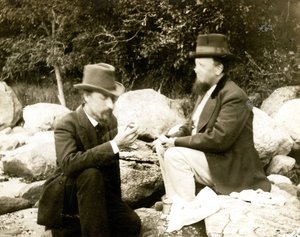
George Bradford Brainerd
1845 - 1887 , United States of America
Osnovne informacije
- Birth Date: November 27, 1845
- Birth Place: Haddam Neck, Connecticut, United States
- Death Date: April 13, 1887
- Movement: Early Photography
- Name: George Bradford Brainerd
- Nationality: American
- Notable Works: The Water Works of Brooklyn, photographs of Brooklyn and Long Island
Povezani članci

Georges Braque: 25 Remek-dela Kubizma za Inspirisanje Vašeg Doma | ArtsDot
Istražite 25 remek-dela Georges Braquea, pionira kubizma. Otkrijte priče iza slika, tehnike i inspiraciju za dizajn enterijera. Reprodukcije vrhunskog kvaliteta dostupne na ArtsDot.com! Pronađite savršeno umetničko delo online.

25 Remek-dela Žorža Seurea: Putovanje kroz Svet Tačizma i Impresionističke Revolucije
Istražite 25 remek-dela Žorža Seurea i uronite u svet tačizma i impresionističke revolucije. Otkrijte priče iza slika, tehnike i inspiraciju ovog francuskog umetnika. Reprodukcije vrhunskog kvaliteta dostupne na ArtsDot.com!

Monochrome Visions: Exploring the Aesthetic & Historical Significance of Black & White Photography
Explore the rich history & artistic power of black and white photography. From early techniques to iconic masters like Ansel Adams, discover why monochrome continues to captivate art lovers today. Expert insights for collectors.
Beyond the Lens: Photography's Enduring Influence on Modern & Contemporary Art
Explore photography's pivotal role in shaping modern & contemporary art. Discover key movements, influential artists like Stieglitz, and expert collecting advice from ArtsDot.

Pictorialism: A Search for Artistic Photography's Soul – Aesthetics, Techniques & Legacy
Explore the captivating world of Pictorialism – a pivotal movement that transformed photography into fine art. Discover key artists like Stieglitz & Käsebier, techniques, and collecting tips from experts.

