

 Pregledaj u prostoru
 Pošalji
 Podeli
 Detalji o delu

 Преузми
 Slični predmeti
 Rendgenski snimak
 Slajdovi
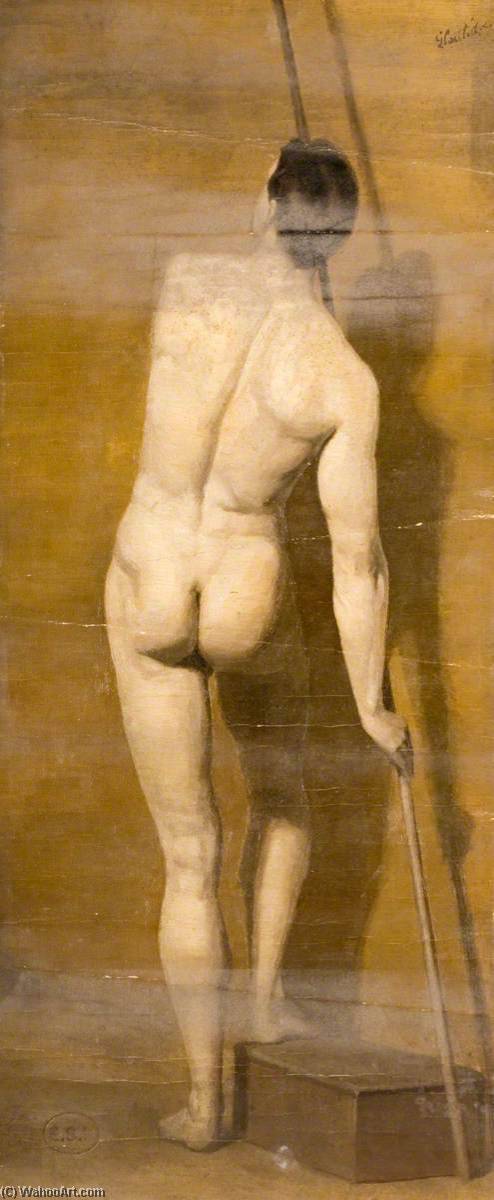
Study of a Male Nude with Javelin
 46.0 x 19.0 cm
 Pročitaj više
Ručno rađena uljana reprodukcija
Ručno oslikano uljanim bojama na platnu u dimenzijama i okviru po vašem izboru, izrađeno po porudžbini od strane naših umetnika. ( Kupi print Kupi digitalnu sliku)




































Izaberite jednu od naših unapred definisanih veličina koje odgovaraju originalnim proporcijama umetničkog dela.

Можете унети сопствене димензије како бисте прилагодили дело одређеном оквиру или простору. Ако одабрана величина не одговара пропорцијама оригинала, слика ће бити исечена или проширена додатним елементима који се ручно насликавају. Дигитални prikaz ће вам бити послат на одобрење пре почетка производње.
Имајте на уму да преглед на екрану не одражава стварно исецање или проширење. Само приказ (mockup) ће тачно приказати коначну композицију.
Иако су доступне прилагођене величине, препоручујемо да одаберете димензију из дефинисане листе како бисте сачували оригиналне пропорције.
Nakon narudžbine, tim ArtsDot.com će klijentu putem e-pošte poslati uputstva i dostaviti prikaz predloženog rešenja
Isporuka širom sveta () za 3/4 nedelje umesto uobičajenih 5 nedelja. (7 септембар). Bez kompromisa po pitanju kvaliteta.

Besplatna ekspresna dostava širom sveta

Visokokvalitetno laneno platno

Kompletno osiguranje transporta

Garancija povraćaja carine i uvoznih dažbina

Garancija vernosti boja

Politika povraćaja u roku od 100 dana (isključivo u slučaju nedostataka)

Garancija povrata novca od 100%

Popust pri grupnoj kupovini
 Opcija sa staklom dostupna je samo za dimenzije manje od 110 cm

Study of a Male Nude with Javelin
Tehnika reprodukcije
Dimenzije reprodukcije
-


Konačna cena
$ 263
Srodna umetnička dela

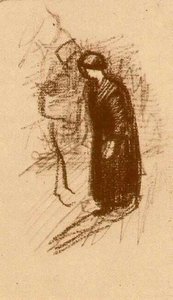
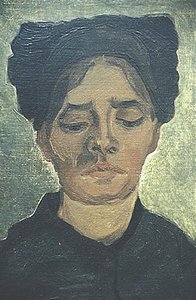
Biografija umetnika
A Legacy of Rural Tranquility: The Life and Art of George Cartlidge
George Cartlidge (1868 – 1961) stands as a profound chronicler of the English soul, a painter whose brush captured the quiet, breathing essence of the Cotswold Hills and the surrounding countryside. Born in Horton Parish, Gloucestershire, his life was inextricably linked to the very landscapes he would later immortalize. His artistic journey was not merely a pursuit of skill, but a lifelong devotion to the subtle beauty found within the English rural landscape—a commitment to capturing the atmospheric realism and quiet contemplation that defined the natural world of his era. Through his eyes, the rolling hills and weathered stone cottages became more than mere scenery; they became vessels of peace and historical continuity.
The foundations of Cartl's mastery were laid during his formative years in Gloucestershire, a region steeped in artistic heritage. His formal education at Marlborough College provided a disciplined start, but it was his time at the prestigious Slade School of Fine Art in London that truly forged his technical prowess. Under the tutelage of legendary instructors such as Frederic Leighton and William Holman Hunt, Cartlidge absorbed the core tenets of Pre-Raphaelite ideals. From these masters, he learned the importance of meticulous detail, luminous color palettes, and a reverence for the truth of nature. This training instilled in him a lifelong habit of observation, where no blade of grass or dappled sunlight was too small to be worthy of artistic attention.
The Intersection of Precision and Impression
What distinguishes Cartlidge from many of his Victorian contemporaries is his remarkable ability to balance rigorous anatomical accuracy with an expressive, impressionistic sensibility. While he adhered to the strict realism expected of his time, he was never a prisoner to mere photographic reproduction. Instead, he utilized atmospheric perspective, masterfully layering colors and brushstrokes to create convincing illusions of depth and vastness. His work often reflects the influence of luminism, particularly the light-centric approach seen in the works of George Daniell, allowing him to use shadow and radiance to convey profound mood and texture.
In his most celebrated works, such as Moorland Landscape (1903) or The Cart Road (1900), one can witness this delicate dance between the minute and the monumental. He possessed a singular talent for rendering the tactile:
- The weathered, ancient texture of stone walls lining country lanes.
- The intricate, individual blades of grass swaying in a summer breeze.
- The soft, ephemeral quality of sunlight filtering through a canopy of trees.
- The serene, heavy atmosphere of a misty moorland morning.
Historical Significance and Enduring Charm
As the decades progressed from the Victorian era into the mid-20th century, Cartlidge’s work remained a steadfast anchor to the traditional beauty of the British landscape. While art movements shifted toward more radical abstractions, his dedication to the landscape painting art movement ensured that the timeless charm of rural England was preserved for future generations. His paintings serve as a visual archive of a way of life that was slowly being transformed by the industrial and modern ages, offering a window into a period characterized by a profound connection to the natural world.
Today, the works of George Cartlidge are treasured not only for their technical excellence but for the emotional resonance they provide. To view a Cartlidge landscape is to experience a moment of stillness; it is an invitation to step away from the chaos of modern existence and find solace in the enduring, quiet majesty of the English countryside. His legacy remains etched in the soft light and verdant fields he so lovingly rendered, ensuring that his vision of rural tranquility continues to inspire awe and contemplation in all who encounter it.
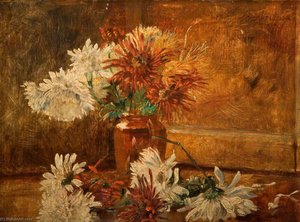
george cartlidge
1868 - 1961
Osnovne informacije
- Artistic Movement Or Style: Romanticism
- Artists Or Movements Influenced By This Artist: ['Hudson River School']
- Artists Who Influenced This Artist: ['John Constable']
- Date Of Birth: 1868
- Date Of Death: 1961
- Full Name: George Cartlidge
- Nationality: British
- Notable Artworks:
- Horton Landscapes
- Field to Daisy House
- Place Of Birth: London, England