

 Pregledaj u prostoru
 Pošalji
 Podeli
 Detalji o delu

 Преузми
 Slični predmeti
 Rendgenski snimak
 Slajdovi
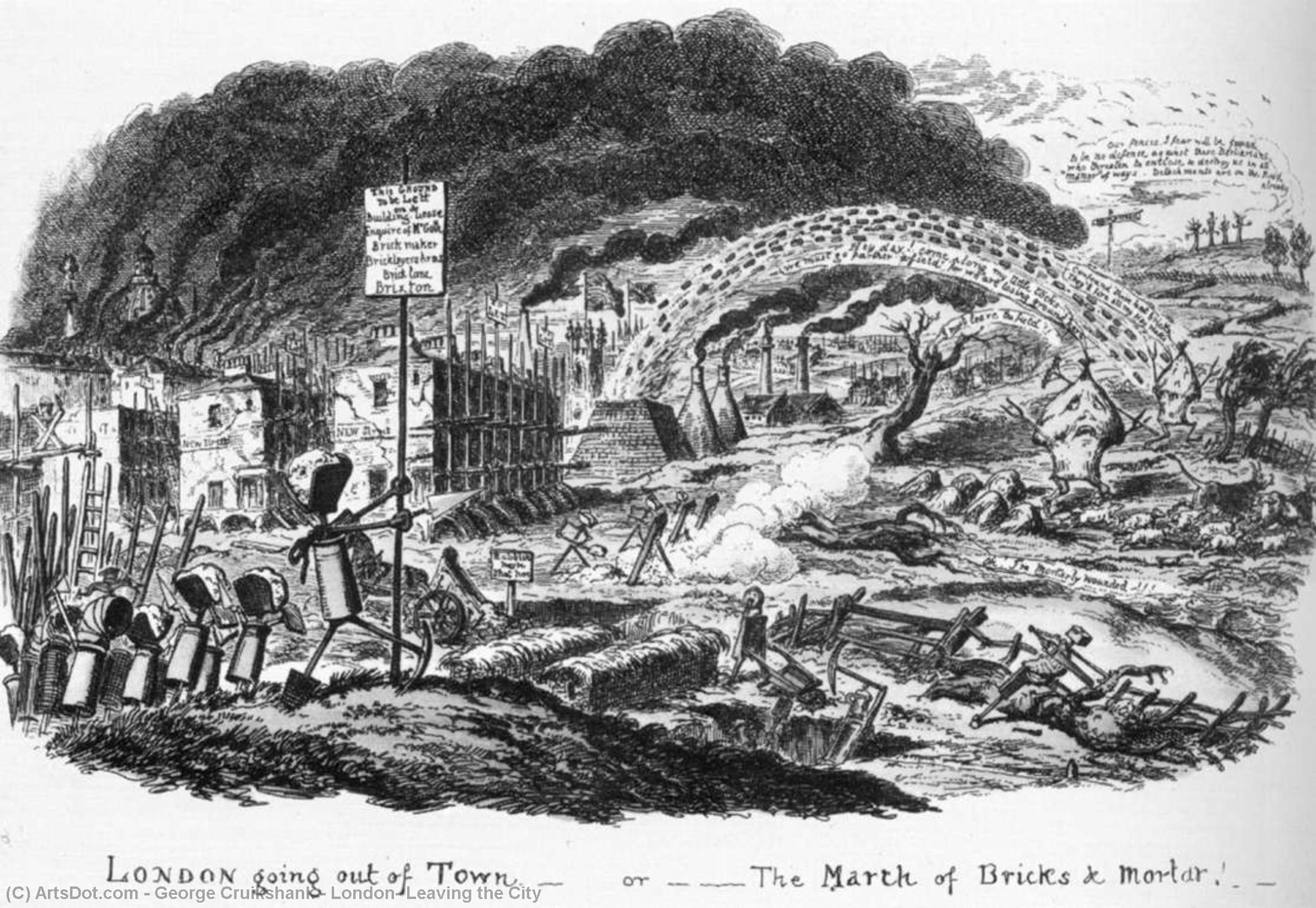
London, Leaving the City
 Etching
- WallArt
- Victorian Social Satire
 1829
1829- 19th Century
 190.0 x 270.0 cm
 Britanski muzej
 Pročitaj više
Ručno rađena uljana reprodukcija
Ručno oslikano uljanim bojama na platnu u dimenzijama i okviru po vašem izboru, izrađeno po porudžbini od strane naših umetnika. ( Kupi print Kupi digitalnu sliku)




P118B $10

P118H $10

P118W $10

P438Z $10

P508JH $12

P508YH $12

P805H $10

P805Z $10

P919BZ $10

P919G $10

P919XJ $10

P959ZH $10

P968JZ $12

W106C $8

W218G $10

W218JH $8

W218Y $10

W307PJ $10

W316G $10

W316PJ $8

W316Y $10

W398PJ $8

W4111J $10

W500HY $15

W500JH $15

W692G $12

W849H $8

W940BG $15

W953PJ $8




Izaberite jednu od naših unapred definisanih veličina koje odgovaraju originalnim proporcijama umetničkog dela.

Можете унети сопствене димензије како бисте прилагодили дело одређеном оквиру или простору. Ако одабрана величина не одговара пропорцијама оригинала, слика ће бити исечена или проширена додатним елементима који се ручно насликавају. Дигитални prikaz ће вам бити послат на одобрење пре почетка производње.
Имајте на уму да преглед на екрану не одражава стварно исецање или проширење. Само приказ (mockup) ће тачно приказати коначну композицију.
Иако су доступне прилагођене величине, препоручујемо да одаберете димензију из дефинисане листе како бисте сачували оригиналне пропорције.
Nakon narudžbine, tim ArtsDot.com će klijentu putem e-pošte poslati uputstva i dostaviti prikaz predloženog rešenja
Isporuka širom sveta () za 3/4 nedelje umesto uobičajenih 5 nedelja. (26 август). Bez kompromisa po pitanju kvaliteta.

Besplatna ekspresna dostava širom sveta

Visokokvalitetno laneno platno

Kompletno osiguranje transporta

Garancija povraćaja carine i uvoznih dažbina

Garancija vernosti boja

Politika povrata u roku od 60 dana (samo u slučaju nedostataka)

Garancija povrata novca od 100%

Popust pri grupnoj kupovini
 Opcija sa staklom dostupna je samo za dimenzije manje od 110 cm

London, Leaving the City
Tehnika reprodukcije
Dimenzije reprodukcije
-


Konačna cena
$ 363
Opis umetničkog dela
A Chronicle of Urban Anxiety: Examining George Cruikshank’s “London, Leaving the City”
George Cruikshank's "London, Leaving the City," etched in 1829, isn’t merely a depiction of London; it’s a visceral reaction to the anxieties simmering beneath the veneer of Victorian society. Created during a period marked by industrial expansion and growing concerns about public health – specifically cholera outbreaks – Cruikshank's print captures a moment of profound terror as citizens flee from an encroaching darkness, symbolizing not just physical danger but also societal decay. The etching’s power resides in its masterful blend of observation and commentary, cementing Cruikshank’s reputation as one of the era’s most astute social satirists.Composition and Dramatic Lighting
The artwork's dynamic composition immediately draws the viewer into a scene of chaotic evacuation. Cruikshank skillfully directs our gaze from the foreground figures scrambling towards the right – representing those attempting to escape – upwards toward a colossal, ominous cloud dominating the upper portion of the image. This deliberate use of perspective amplifies the sense of impending doom and underscores the scale of the crisis. The artist’s masterful manipulation of light is equally impactful; an unseen source casts dramatic shadows across the cityscape, highlighting certain individuals and architectural elements while plunging others into darkness, mirroring the psychological state of fear and uncertainty experienced by those caught in the unfolding disaster.Technique: Etching – A Symphony of Line
Cruikshank’s technique—etching—is itself a testament to his artistic prowess. Employing acid on a copper plate, he meticulously crafted intricate linework that conveys both realism and expressive emotion. The etching process allowed for exceptional tonal variation, achieved through hatching and cross-hatching techniques – layering lines of varying density to build up shading and texture. These meticulous details aren’t simply decorative; they contribute significantly to the artwork's atmosphere and imbue it with a palpable sense of urgency. Drypoint needles were likely utilized for softer textures, adding depth and nuance to the depiction of clothing folds and facial expressions.Symbolism: The Cloud as Harbinger of Doom
Beyond its visual impact, “London, Leaving the City” is laden with symbolic significance. The dark cloud serves as a potent emblem of impending catastrophe – representing not only cholera but also broader anxieties about industrial progress and social instability. Cruikshank’s portrayal of fleeing figures embodies fear, desperation, and the vulnerability of humanity confronted by overwhelming forces beyond its control. This depiction resonates powerfully with viewers today, reminding us of the enduring relevance of confronting societal challenges with courage and compassion.Historical Context: Dickensian London and Social Critique
Cruikshank's work emerged during a time when Charles Dickens’ novels were shaping public opinion on social issues. Cruikshank’s illustrations for Dickens’ “Oliver Twist” and “Bleak House,” among others, solidified his reputation as a champion of the marginalized and a vocal critic of Victorian hypocrisy. "London, Leaving the City" exemplifies this commitment to social commentary, capturing the anxieties of an era grappling with rapid urbanization and disease – themes that continue to resonate in contemporary discussions about environmental sustainability and urban resilience.Emotional Resonance: Capturing the Essence of Fear
Ultimately, Cruikshank’s masterpiece succeeds in conveying a profound emotional response. The artwork doesn't simply depict a scene; it evokes feelings of terror, urgency, and helplessness. By meticulously capturing human emotion—the palpable fear etched on faces, the frantic movements of fleeing citizens—Cruikshank transcends mere visual representation, creating an enduring image of societal vulnerability and confronting viewers with the unsettling truth that even the most prosperous cities can be susceptible to crises beyond their control.Srodna umetnička dela
Povezani članci
Concrete Narratives: Exploring Urban Life in Modern & Contemporary Art
Explore the evolution of cityscape painting with ArtsDot. Discover key artists from Realism to contemporary movements & invest in timeless urban visions. Expert guidance, museum-quality reproductions.
25 Remek-dela Nacionalne Galerije Londona: Umetnička Inspiracija za Vaš Dom
Otkrijte 25 remek-dela Nacionalne galerije Londona! Istražite priče Van Goga, Moneta i drugih velikana. Inspiracija za dekoraciju enterijera & luksuzne reprodukcije slika dostupne na ArtsDot.com.
Ephemeral Visions: Clouds as Motif & Metaphor in Western Art History
Explore the captivating history of clouds in Western art! From Romantic masterpieces to Symbolist visions, discover how artists captured atmosphere, emotion & spirituality. A guide for collectors and enthusiasts.
Concrete Visions: Exploring Representations of Urban Life in Modern & Contemporary Art
Explore the evolution of cityscape painting from Realism to contemporary art. Discover key artists & invest in timeless urban visions with ArtsDot's expert guidance and museum-quality reproductions.
Concrete Visions: Exploring the Urban Landscape in Painting – From Realism to Contemporary Art
Explore the evolution of cityscape painting from Realism to contemporary art with ArtsDot. Discover key artists & invest in timeless urban visions. Expert guidance, museum-quality reproductions.

