

 Pregledaj u prostoru
 Pošalji
 Podeli
 Detalji o delu

 Преузми
 Slični predmeti
 Rendgenski snimak
 Slajdovi
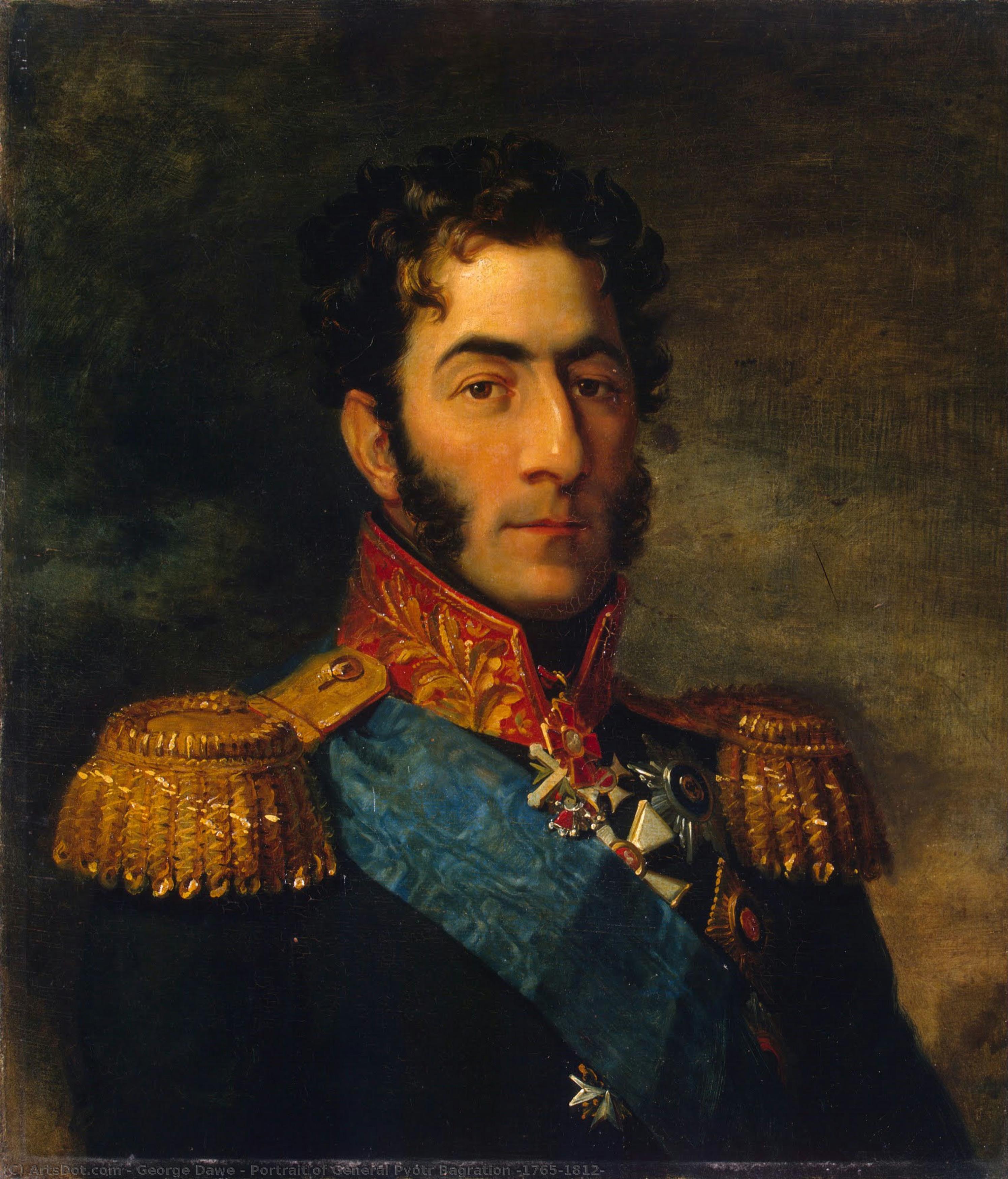
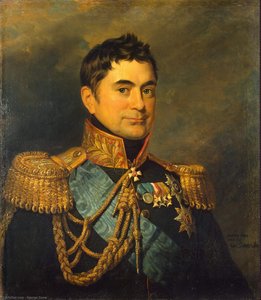
Portrait of General Pyotr Bagration (1765-1812)
 Oil On Canvas
- WallArt
- Romanticism
 1825
1825 70.0 x 62.0 cm
 Hermitage Museum
 Pročitaj više
Kupite digitalnu sliku visoke rezolucije i poboljšanog kvaliteta, koja je znatno superiornija od onoga što vidite u online prikazu.
Svaka datoteka je pedantno pripremljena od strane naših stručnjaka koristeći napredne alate i profesionalnu ručnu retušu. Osiguravamo da svaka slika ima izuzetnu oštrinu, preciznu reprodukciju boja i fine detalje.
Konačna datoteka se dostavlja putem e-pošte u roku od 72 sata, optimizovana za neposrednu upotrebu u profesionalnim, izdavačkim i štamparskim okruženjima. To je isti kvalitet kojem veruju vrhunski studiji dizajna, izdavači i galerije.
Digitalna slika
Preuzmite datoteku visoke rezolucije za ličnu upotrebu, štampanje i kreativne projekte. ( Kupi print Kupi ručno naslikanu sliku)
Uključeno uz svaku porudžbinu digitalne slike
Profesionalna digitalna isporuka, zagarantovana
Kada odaberete ArtsDot.com, ne dobijate samo sliku – vi primate profesionalno unapređeno digitalno umetničko delo, izrađeno sa najvećom preciznošću i uz garanciju zadovoljstva. Evo svega što automatski dolazi uz vašu porudžbinu:

Brza dostava putem e-pošte
Vaša digitalna slika visoke rezolucije biće vam poslata putem e-pošte u roku od 72 sata od poručivanja – spremna za trenutnu upotrebu.

Digitalna datoteka unapređena veštačkom inteligencijom
Vaše umetničko delo je profesionalno optimizovano korišćenjem naprednih AI alata i ručne obrade, čime se osiguravaju maksimalni detalji, oštrina i preciznost boja.

Besplatna ponovna isporuka doživotno
Slučajno ste obrisali ili izgubili svoju datoteku? Ne brinite – poslaćemo vam je ponovo u bilo kom trenutku, potpuno besplatno.

Bez troškova uvoza – zauvek
Uživajte u svojim umetničkim delima trenutno, bez carine, dažbina ili troškova dostave – digitalni download je uvek bez poreza.

Garancija vernosti boja
Uz pomoć profesionalnih alata i upravljanja bojama, osiguravamo da vaša digitalna slika što vernije odražava originalne boje.

Garancija zadovoljstva u roku od 60 dana
Ako niste zadovoljni svojom digitalnom slikom, revidirat ćemo je ili vratiti 100% novca u roku od 60 dana – bez ikakvih pitanja.

100% garancija povrata novca
Niste zadovoljni? Obezbedite pun povrat novca u roku od 60 dana od trenutka kada ste primili svoju digitalnu datoteku – bez suvišnih pitanja.

Popusti na velike porudžbine
Kupite 3 slike, uštedite 10% - Kupite 5 slika, uštedite 15% - Kupite 10+ slika, uštedite 20%. Odlično za kreativne projekte, galerije i agencije.
Opis kolekcionarskog dela
The Canvas of a Hero: George Dawe’s Masterpiece
George Dawe's "Portrait of General Pyotr Bagration" is more than just a depiction of a military leader; it’s a meticulously crafted tableau of Georgian pride, Russian ambition, and the weighty burden of command. Painted in 1825, this oil-on-canvas work transcends its historical subject matter to become a powerful meditation on courage, duty, and the fleeting nature of glory. Dawe, a British artist who spent much of his career in Russia, expertly captured the essence of Bagration – not merely as a soldier, but as a man shaped by lineage, experience, and the tumultuous events of his era.
The painting immediately draws the eye to Bagration’s commanding presence. He is rendered with an almost sculptural quality, his posture conveying both strength and a quiet dignity. The rich, dark tones of his uniform – deep blues and shimmering gold – speak to his rank and status within the Imperial Army. Yet, it's not simply about outward display; Dawe subtly utilizes light and shadow to create depth and volume, lending a sense of realism that elevates the portrait beyond mere formality. The artist’s attention to detail is remarkable, from the meticulously rendered lace at Bagration’s collar to the subtle creases in his face – each element contributing to a compellingly human portrayal.
A Legacy Forged in Battle and Engraving
To fully appreciate Dawe's portrait, one must understand its context. Pyotr Bagration was a pivotal figure in Russia’s fight against Napoleon, most notably during the decisive Battle of Borodino in 1812. His bravery and strategic acumen were instrumental in holding the line against overwhelming odds – an event that cemented his place as a national hero. However, Bagration's life was tragically cut short by wounds sustained in battle, adding a layer of poignant melancholy to the portrait. Interestingly, Dawe didn’t paint this piece *from* life; instead, he drew upon earlier engravings and pencil sketches, demonstrating a skillful ability to translate existing imagery into a vibrant and enduring likeness.
The choice of medium – oil on canvas – is crucial to the painting's impact. Oil paints allow for incredible detail, rich color saturation, and subtle gradations of tone, all of which Dawe expertly employs to capture Bagration’s character. The background, a simple wall, serves not as a distraction but as a grounding element, focusing the viewer’s attention entirely on the subject. The composition is carefully balanced, with Bagration occupying the central space and commanding the eye.
Symbolism of Rank and Georgian Heritage
Beyond its straightforward depiction of a military leader, the portrait is laden with symbolic meaning. The prominent oak leaf embroidery adorning Bagration’s uniform – a traditional symbol of Russian military prowess – underscores his status as a decorated officer. Furthermore, Bagration's Georgian heritage is subtly hinted at through his bearing and attire, reflecting the proud traditions of his ancestral homeland. This blending of cultures—Russian ambition intertwined with Georgian nobility—adds another layer of complexity to the portrait’s narrative.
The painting’s creation coincided with a period of intense artistic patronage in Russia, particularly under Tsar Alexander I, who sought to glorify military victories and celebrate national heroes. Dawe's work exemplifies this trend, serving as both a historical record and a carefully crafted piece of propaganda designed to inspire loyalty and patriotism. It is a testament to the power of art to shape perceptions and commemorate significant moments in history.
A Timeless Portrait for Collectors
Reproductions of “Portrait of General Pyotr Bagration” offer an exceptional opportunity to bring this iconic work into your home or office. ArtsDot offers high-quality reproductions, available in a range of sizes and formats, ensuring that you can experience the painting’s rich detail and evocative atmosphere firsthand. Whether you are an art enthusiast, a collector of historical portraits, or simply seeking a striking piece to enhance your interior design, this portrait is sure to captivate and inspire.
Srodna umetnička dela

Biografija umetnika
Henry Fuseli: Weaver of Nightmares and Visions
Henry Fuseli, a name that conjures images of unsettling beauty and profound psychological depth, remains one of the most enigmatic figures in 18th-century art. Born Johann Heinrich Füssli in Zurich, Switzerland, on February 7, 1741, his life was marked by both artistic brilliance and personal turmoil, ultimately culminating in a legacy defined by his haunting depictions of dreams, nightmares, and the darker recesses of the human psyche. Fuseli’s work wasn't merely about creating visually arresting scenes; it was an attempt to translate the intangible world of the unconscious into tangible form – a daring endeavor that both captivated and disturbed his contemporaries.Early Life and Artistic Training
Fuseli’s early life was steeped in intellectual and artistic ferment. His father, a pastor, instilled in him a strong sense of morality and religious conviction, while his mother, a talented musician, nurtured his appreciation for the arts. Initially drawn to theology, Fuseli abandoned his ordained path after political upheaval forced him into exile in 1761. Seeking refuge and artistic development, he journeyed to Berlin, where he studied under Johann Christian Richter, a prominent portrait painter. However, it was his time in London that truly shaped his artistic trajectory. Arriving in 1764, Fuseli quickly gained recognition for his ability to capture dramatic emotion and theatricality, skills honed through his experience as a stage designer. He found a mentor in Sir Joshua Reynolds, the leading figure of the Royal Academy, who encouraged him to pursue painting seriously. This connection exposed Fuseli to the prevailing artistic ideals of the era – Neoclassicism – yet he resolutely resisted its rigid formality, forging instead a unique style characterized by intense emotion, dramatic lighting, and a fascination with the supernatural.The Rise of the Nightmare and Artistic Innovation
Fuseli’s breakthrough came in 1781 with *The Nightmare*, an oil painting that would forever cement his reputation as a master of the macabre. This arresting image – a woman seemingly trapped in a terrifying dream, beset by an incubus and a menacing horse – was unlike anything seen before in the Royal Academy exhibitions. The scene wasn’t simply a depiction of horror; it was a visceral exploration of the subconscious, tapping into anxieties about sexuality, mortality, and the unseen forces that lurked beneath the surface of consciousness. Critics were initially horrified by its overt sensuality and unsettling imagery, yet they were also undeniably fascinated. *The Nightmare* became an instant sensation, selling quickly and inspiring numerous engravings that disseminated its disturbing beauty throughout Europe. Fuseli followed this success with other works exploring similar themes – demonic visions, seductive spirits, and the blurred boundaries between reality and illusion. He deliberately avoided clear narratives or moralizing messages, instead focusing on evoking a sense of unease and psychological tension. His use of *chiaroscuro*, dramatic lighting that contrasts strong light and shadow, heightened this effect, creating an atmosphere of suspense and dread.Influences and Legacy
Fuseli’s artistic vision was profoundly influenced by several sources. The classical art he encountered during his time in Rome – particularly the works of Michelangelo – instilled in him a deep appreciation for anatomical accuracy and dramatic composition. However, he also drew inspiration from contemporary literature, folklore, and the burgeoning field of psychology. The writings of thinkers like Voltaire and Immanuel Kant, who questioned traditional religious beliefs and explored the nature of human consciousness, resonated with Fuseli’s own intellectual curiosity. Furthermore, his interest in Shakespearean drama—he illustrated several plays for John Boydell's gallery—provided him with a rich source of mythological and psychological material. Fuseli’s work anticipated many developments in 19th-century art and thought, particularly the rise of psychoanalysis. Sigmund Freud famously kept a reproduction of *The Nightmare* on his wall, recognizing its profound resonance with his theories about dreams and the unconscious. While often dismissed as merely sensationalist, Fuseli's paintings represent a pioneering attempt to visually explore the hidden depths of human experience—a legacy that continues to fascinate and disturb viewers today.Later Years and Death
In 1788, Fuseli was elected an associate of the Royal Academy, solidifying his position as a respected artist. He continued to paint prolifically throughout his life, producing portraits, historical scenes, and further explorations of nocturnal visions. He also served as professor of painting at the Royal Academy from 1799 to 1805 and again from 1810 to 1824. Despite his professional success, Fuseli struggled with personal difficulties, including financial problems and a troubled marriage. He died on April 16, 1825, in Putney Hill, London, leaving behind a body of work that remains both unsettlingly beautiful and profoundly insightful. His paintings continue to be studied for their psychological depth, dramatic composition, and enduring power to evoke the mysteries of the human mind.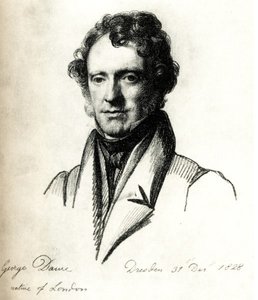
george dawe
1781 - 1829

