 Pregledaj u prostoru
 Pošalji
 Podeli
 Detalji o delu

 Преузми
 Slični predmeti
 Rendgenski snimak
 Slajdovi
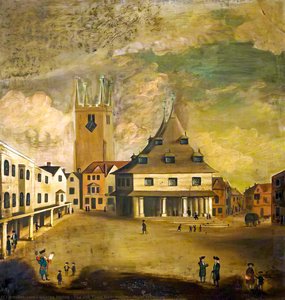
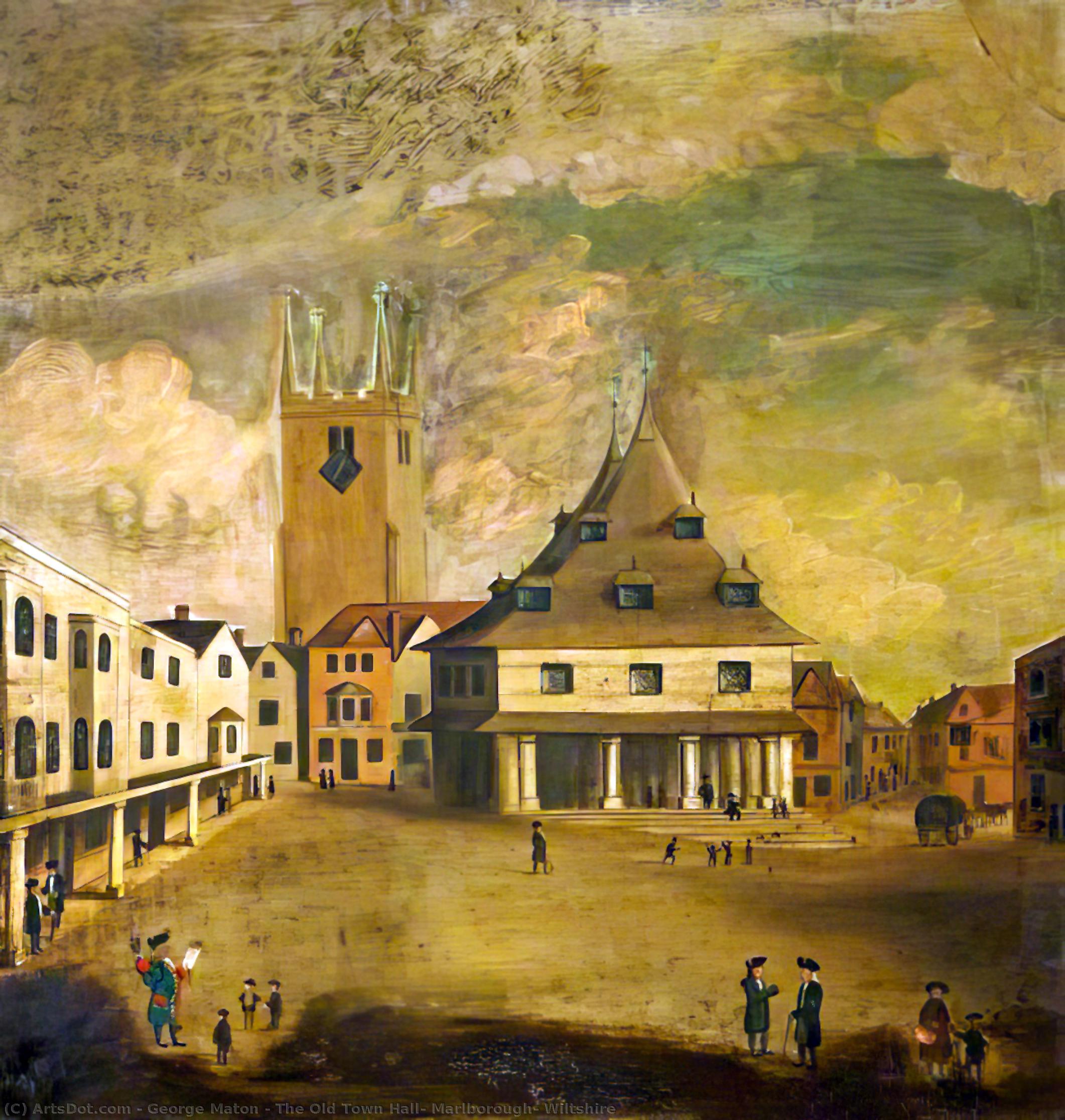
The Old Town Hall, Marlborough, Wiltshire
 41.0 x 39.0 cm
 Marlborough Town Council Offices
 Pročitaj više
Ručno rađena uljana reprodukcija
Ručno oslikano uljanim bojama na platnu u dimenzijama i okviru po vašem izboru, izrađeno po porudžbini od strane naših umetnika. ( Kupi print Kupi digitalnu sliku)




































Izaberite jednu od naših unapred definisanih veličina koje odgovaraju originalnim proporcijama umetničkog dela.

Можете унети сопствене димензије како бисте прилагодили дело одређеном оквиру или простору. Ако одабрана величина не одговара пропорцијама оригинала, слика ће бити исечена или проширена додатним елементима који се ручно насликавају. Дигитални prikaz ће вам бити послат на одобрење пре почетка производње.
Имајте на уму да преглед на екрану не одражава стварно исецање или проширење. Само приказ (mockup) ће тачно приказати коначну композицију.
Иако су доступне прилагођене величине, препоручујемо да одаберете димензију из дефинисане листе како бисте сачували оригиналне пропорције.
Nakon narudžbine, tim ArtsDot.com će klijentu putem e-pošte poslati uputstva i dostaviti prikaz predloženog rešenja
Isporuka širom sveta () za 3/4 nedelje umesto uobičajenih 5 nedelja. (3 септембар). Bez kompromisa po pitanju kvaliteta.

Besplatna ekspresna dostava širom sveta

Visokokvalitetno laneno platno

Kompletno osiguranje transporta

Garancija povraćaja carine i uvoznih dažbina

Garancija vernosti boja

Politika povrata u roku od 60 dana (samo u slučaju nedostataka)

Garancija povrata novca od 100%

Popust pri grupnoj kupovini
 Opcija sa staklom dostupna je samo za dimenzije manje od 110 cm

The Old Town Hall, Marlborough, Wiltshire
Tehnika reprodukcije
Dimenzije reprodukcije
-


Konačna cena
$ 263
Srodna umetnička dela




Biografija umetnika
A Chronicler of Wiltshire: The Life and Art of George Maton
William George Maton, known as George Maton, remains a somewhat enigmatic figure in the pantheon of 19th-century British landscape painters. Born in the heart of Wiltshire, England – though precise dates elude comprehensive documentation – his life was deeply interwoven with the pastoral beauty of his native county. Unlike artists who sought training in grand academies or travelled extensively for inspiration, Maton’s artistic development blossomed from a profound and intimate connection to the rolling hills, ancient woodlands, and quiet villages surrounding him. He wasn't merely *depicting* Wiltshire; he was embodying it on canvas, becoming its visual historian. While biographical details are sparse, the sheer volume and consistent quality of his work suggest a dedicated artist who honed his skills through diligent observation and practice. His paintings aren’t flamboyant displays of technical virtuosity but rather quiet celebrations of rural life, imbued with a sense of authenticity that resonates even today.The Essence of the English Countryside
Maton's artistic output is overwhelmingly focused on Wiltshire landscapes. He eschewed dramatic mountain vistas or bustling urban scenes in favor of capturing the subtle nuances of the English countryside. His canvases are populated with idyllic rural scenes: farmers tending their fields, horse-drawn carts traversing winding lanes, and picturesque villages nestled amongst verdant hills. He possessed a remarkable ability to convey atmosphere, often depicting soft light filtering through clouds, casting long shadows across meadows and highlighting the textures of thatched roofs and weathered stone walls. His palette is typically muted, favoring earthy tones – greens, browns, ochres, and greys – which contribute to the sense of tranquility and timelessness that pervades his work. While not a member of any specific artistic school, Maton’s style shares affinities with the early Barbizon School painters in its focus on realism and naturalism. He wasn't interested in idealizing the countryside but rather in portraying it as it was – a working landscape shaped by human activity and the rhythms of nature.Influences and Artistic Development
Pinpointing direct artistic influences on Maton is challenging, given the limited documentation surrounding his life. However, one can discern echoes of earlier topographical painters like John Constable in his meticulous attention to detail and his sensitivity to light and weather conditions. The work of J.M.W. Turner, though vastly different in style, may have indirectly influenced Maton’s understanding of atmospheric perspective and the power of color. It's likely that he also drew inspiration from local artists and traditions within Wiltshire itself, absorbing the visual language of the region through observation and perhaps informal mentorship. His development appears to be one of gradual refinement rather than sudden stylistic shifts. Early works may exhibit a slightly more naive quality, but over time his technique became increasingly sophisticated, allowing him to capture with greater precision the subtleties of form and texture. He seems to have been largely self-taught, relying on his own keen eye and unwavering dedication to his subject matter.Major Themes and Historical Significance
The overarching theme in Maton’s work is a celebration of rural life and the enduring beauty of the English countryside. His paintings offer a glimpse into a world that was rapidly changing during the 19th century, as industrialization began to encroach upon traditional ways of life. He documented scenes of agricultural labor, capturing the daily routines of farmers and villagers with respect and empathy. He also depicted historic landmarks within Wiltshire, preserving them on canvas for posterity. While he didn’t explicitly set out to make a political statement, his work can be seen as a subtle form of resistance against the forces of modernization, a nostalgic longing for a simpler, more harmonious way of life. His historical significance lies in his ability to capture the essence of Wiltshire at a pivotal moment in its history. He provides invaluable visual documentation of rural landscapes and customs that have since disappeared, offering a unique window into the past. Today, his paintings are prized by collectors and art enthusiasts alike for their authenticity, tranquility, and enduring appeal.The Legacy of a Local Master
Although George Maton did not achieve widespread fame during his lifetime, his work has experienced a resurgence in popularity in recent years.- His paintings are increasingly sought after by collectors who appreciate their historical significance and artistic merit.
- Museums and galleries across England have begun to recognize the importance of his contribution to British landscape painting.
- Scholarly research is ongoing, shedding new light on his life and work.