 Pregledaj u prostoru
 Pošalji
 Podeli
 Detalji o delu

 Преузми
 Slični predmeti
 Rendgenski snimak
 Slajdovi
 Stats
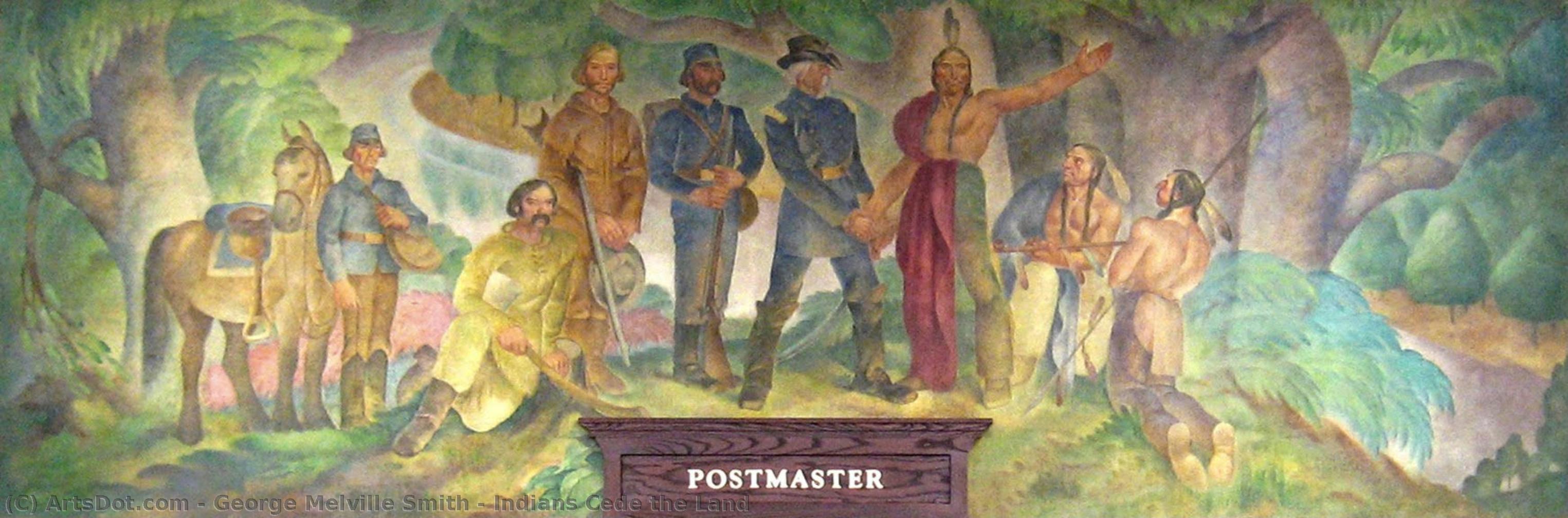
StatsИндијански одступање земље


 Pročitaj više
Giclee štampa / Umetnički otisak
Giclée štampa ili print na platnu muzejskog kvaliteta uz brzu proizvodnju i fleksibilne opcije završne obrade. ( Kupi ručno naslikanu sliku Switch to Digital Image)




P118B $10

P118H $10

P118W $10

P438Z $10

P508JH $12

P508YH $12

P805H $10

P805Z $10

P919BZ $10

P919G $10

P919XJ $10

P959ZH $10

P968JZ $12

W106C $8

W218G $10

W218JH $8

W218Y $10

W307PJ $10

W316G $10

W316PJ $8

W316Y $10

W398PJ $8

W4111J $10

W500HY $15

W500JH $15

W692G $12

W849H $8

W940BG $15

W953PJ $8




Izaberite jednu od naših unapred definisanih veličina koje odgovaraju originalnim proporcijama umetničkog dela.

Možete uneti sopstvene dimenzije kako biste umetničko delo prilagodili specifičnom okviru ili prostoru. Ako odabrani format ne odgovara proporcijama originalne slike, mi ćemo ili iscrtati deo dela ili proširiti sliku pomoću ogledane ivice ili jednobojnog popunjavanja. Digitalni prikaz će vam biti poslat na odobrenje pre početka proizvodnje.
Imajte na umu da pregled na ekranu ne odražava stvarno iscrtavanje ili proširivanje. Samo će prikaz (mockup) precizno pokazati finalnu kompoziciju.
Iako su prilagođene dimenzije dostupne, preporučujemo da odaberete dimenziju sa unapred definisane liste kako biste očuvali originalne proporcije.
Dostava širom sveta () za 2 nedelje umesto uobičajenih 4/5 nedelja. (8 септембар)

Besplatna ekspresna dostava širom sveta

Visokokvalitetno laneno platno

Kompletno osiguranje transporta

Garancija povraćaja carine i uvoznih dažbina

Garancija vernosti boja

Politika povraćaja u roku od 100 dana (isključivo u slučaju nedostataka)

Garancija povrata novca od 100%

Popust pri grupnoj kupovini
 Opcija sa staklom dostupna je samo za dimenzije manje od 110 cm

Индијански одступање земље
Giclee štampa / Umetnički otisak
Dimenzije reprodukcije
-


Konačna cena
$ 62
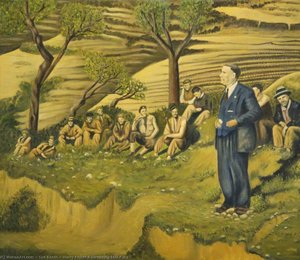
Indians Cede the Land: A Mural Rediscovered
George Melville Smith’s “Indians Cede the Land” stands as a poignant testament to both artistic ambition and the urgent need for cultural preservation during the Great Depression era. Created in 1940, this monumental mural—commissioned for the Crown Point Post Office in Indiana—captures a pivotal moment in American history: the negotiation of treaties between Native American tribes and the U.S. government regarding land ownership. Smith’s artistic vision wasn't merely decorative; it aimed to educate viewers about complex social dynamics and foster empathy for Indigenous communities facing displacement and hardship.The Artist & His Context
Born in Chicago in 1879, George Melville Smith possessed a remarkable blend of formal training—he studied architecture’s apprentice—and artistic experimentation. He honed his skills at the Art Institute of Chicago's evening school before embarking on a formative journey to Paris in 1925-26, where he absorbed the influence of André Lhote and embraced modernist principles. Smith’s involvement with the Treasury Relief Art Project solidified his reputation as a champion of social realism, mirroring the artistic fervor of the time—artists like Rivera and Orozco sought to portray the realities of labor struggles and everyday life as powerful vehicles for social commentary. His membership in the Arts Club and Chicago No-Jury Society underscored his commitment to artistic excellence and collaborative endeavors.A Detailed Examination of Style & Technique
Smith’s mural employs a distinctive style characterized by bold color palettes—primarily earthy tones accented with vibrant reds and yellows—that convey both solemnity and dynamism. The artist skillfully utilized tempera paint on canvas, achieving remarkable textural depth and luminosity. Precise observation of Native American figures and landscapes informed Smith's meticulous rendering, demonstrating his dedication to capturing the essence of his subject matter. The composition is deliberately balanced, guiding the viewer’s gaze across the scene and emphasizing the importance of dialogue and negotiation.Symbolism & Narrative Significance
“Indians Cede the Land” transcends mere depiction; it communicates profound symbolic meaning. The central figures—representing Native American representatives—engage in earnest conversation, symbolizing the arduous process of treaty negotiations and highlighting the vulnerability of Indigenous voices amidst governmental power structures. The surrounding trees serve as a visual metaphor for resilience and continuity – representing the enduring spirit of Native American culture despite facing significant challenges. Furthermore, the mural’s placement within the Crown Point Post Office served as a deliberate act of civic engagement, aiming to raise awareness about crucial social issues and promote understanding between cultures.Emotional Resonance & Legacy
The mural's rediscovery in 2008—after decades languishing in obscurity—represents more than just an artistic triumph; it embodies the enduring value of preserving cultural heritage. The collaborative effort to restore “Indians Cede the Land” underscores the importance of community involvement and demonstrates that art can inspire action toward social justice. Today, this monumental artwork continues to resonate with viewers, prompting reflection on themes of negotiation, resilience, and the responsibility to honor diverse perspectives—a timeless reminder of Smith’s artistic legacy and its contribution to American visual culture.Srodna umetnička dela


Biografija umetnika
The Architect of Everyday Life: The Legacy of George Melville Smith
In the heart of Chicago, amidst the industrial pulse and burgeoning cultural energy of the late nineteenth century, George Melville Smith was born in 1879. His early years were marked by a unique duality; before he ever picked up a brush to capture the soul of a subject, he served as an apprentice to an architect. This foundational period instilled in him a profound understanding of structure, space, and the skeletal strength of the built environment—elements that would later lend a remarkable sense of permanence and weight to his paintings. As he transitioned from the drafting table to the easel at the age of seventeen, Smith began formal studies at the prestigious School of the Art Institute of Chicago, setting the stage for a century-long journey through the evolution of American art.
The trajectory of Smith’s development was profoundly shaped by his wanderlust and his thirst for classical mastery. Seeking to expand his visual vocabulary beyond the American Midwest, he embarked on a transformative sojourn through Europe. For nearly two years, he immersed himself in the light and legacy of Italy, France, and Spain, absorbing the timeless techniques of the Old Masters. This period of exploration reached a pivotal moment in Paris, where he studied under the influential André Lhote. Under Lhote’s guidance, Smith began to navigate the complex waters of modernism, learning to assimilate classical observation with the emerging rhythms of contemporary art. This synthesis allowed him to move beyond mere imitation, developing a style that could bridge the gap between traditional figure painting and the structured sensibilities of the modern age.
A Chronicler of the American Spirit
While his training was rooted in European tradition, Smith’s heart remained tethered to the social realities of his homeland. During the profound economic hardships of the 1930s, he emerged as a vital voice within the Treasury Relief Art Project (TRAP). This era demanded an art that did not merely decorate but documented; it required a visual language capable of honoring the dignity of labor and the resilience of the common person. Smith rose to this challenge with remarkable grace, utilizing his skills as a muralist to transform public spaces into narrative landscapes. His work in post offices across Illinois—including locations such as Crown Point, Elmhurst, and Park Ridge—served as a silent, painted testament to the strength of the working class.
His murals were far more than civic ornaments; they were profound explorations of human endurance. Whether depicting the rhythmic toil of industry or the quiet moments of domestic life, Smith’s brushwork carried an Impressionistic warmth that softened the starkness of social realism. He possessed a rare ability to capture the fleeting beauty within ordinary circumstances, imbuing his subjects with a monumental quality. His contributions to the Schubert School in Chicago, featuring works such as The Life of Franz Schubert and The Hurricane, further demonstrate his capacity to handle both historical reverence and dramatic intensity. Through these large-scale compositions, Smith ensured that the struggles and triumphs of the era were etched into the very walls of the community.
An Enduring Artistic Impression
George Melville Smith’s career spanned an incredible century, witnessing the birth of modernism and the transformation of the American landscape. Though he eventually settled in Fayette, Kentucky, his artistic identity remained inextricably linked to the grit and grandeur of the Midwest and the sophisticated lessons of Paris. His oeuvre, characterized by its mastery of genre, figure, and interior painting, remains a vital archive of an era defined by both hardship and hope.
To reflect on the breadth of his contribution is to recognize several key pillars of his artistry:
- Structural Integrity: The lasting influence of his architectural apprenticeship, which provided a disciplined foundation for his compositions.
- Cultural Synthesis: The seamless blending of American social realism with the refined techniques learned in the studios of Europe and Paris.
- Civic Narrative: His role as a muralist who used public art to foster national morale and celebrate the dignity of everyday life during the Great Depression.
- Versatility of Vision: An ability to move between the intimate scale of canvas painting and the monumental demands of large-scale public murals.
Today, the works of George Melville Smith stand as more than mere relics of the past; they are windows into a period of profound transition. He remains a celebrated figure for those seeking to understand the intersection of personal artistry and social responsibility, leaving behind a legacy that continues to resonate with the enduring strength of the human spirit.
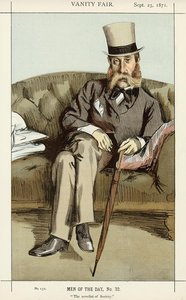
George Melville Smith
1879 - 1979 , United States of America
Osnovne informacije
- Artistic Movement Or Style: Social realism
- Artists Who Influenced This Artist: ['George Whyte-Melville']
- Date Of Birth: May 12, 1879
- Date Of Death: 1979
- Full Name: George Melville Smith
- Nationality: American
- Notable Artworks: ['Indians Cede the Land']
- Place Of Birth: Chicago, United States
Povezani članci

25 Remek-dela Žorža Seurea: Putovanje kroz Svet Tačizma i Impresionističke Revolucije
Istražite 25 remek-dela Žorža Seurea i uronite u svet tačizma i impresionističke revolucije. Otkrijte priče iza slika, tehnike i inspiraciju ovog francuskog umetnika. Reprodukcije vrhunskog kvaliteta dostupne na ArtsDot.com!

Georges Braque: 25 Remek-dela Kubizma za Inspirisanje Vašeg Doma | ArtsDot
Istražite 25 remek-dela Georges Braquea, pionira kubizma. Otkrijte priče iza slika, tehnike i inspiraciju za dizajn enterijera. Reprodukcije vrhunskog kvaliteta dostupne na ArtsDot.com! Pronađite savršeno umetničko delo online.
Transforming Spaces: How Custom Murals Forge Brand Identity & Enhance Customer Experience
Elevate your brand & spaces with custom murals. Explore expert insights on design, artists, materials & installation. Transform environments – discover ArtsDot.com's bespoke solutions.

Преображај простора: Улога мурала у редефинисању кухиња и купатила – Естетика, материјали и трендови савременог дизајна
Претворите кухињу и купатило у инспиративне просторе уз мурале! Савети стручњака, трендови, материјали и професионална изведба. Остварите савршен дизајн ентеријера уз квалитет и креативност.

Od džungolskih prizora do zlatnog geometrijskog dizajna: vodič kroz najtraženije stilove murala danas
Otkrijte najtraženije stilove murala za hotelske prostore! Vodič stručnjaka sa savetima o dizajnu, tehnikama izrade i održavanju. Kreirajte jedinstveni ambijent uz personalizovane zidne slike.