

 Pregledaj u prostoru
 Pošalji
 Podeli
 Detalji o delu

 Преузми
 Slični predmeti
 Rendgenski snimak
 Slajdovi
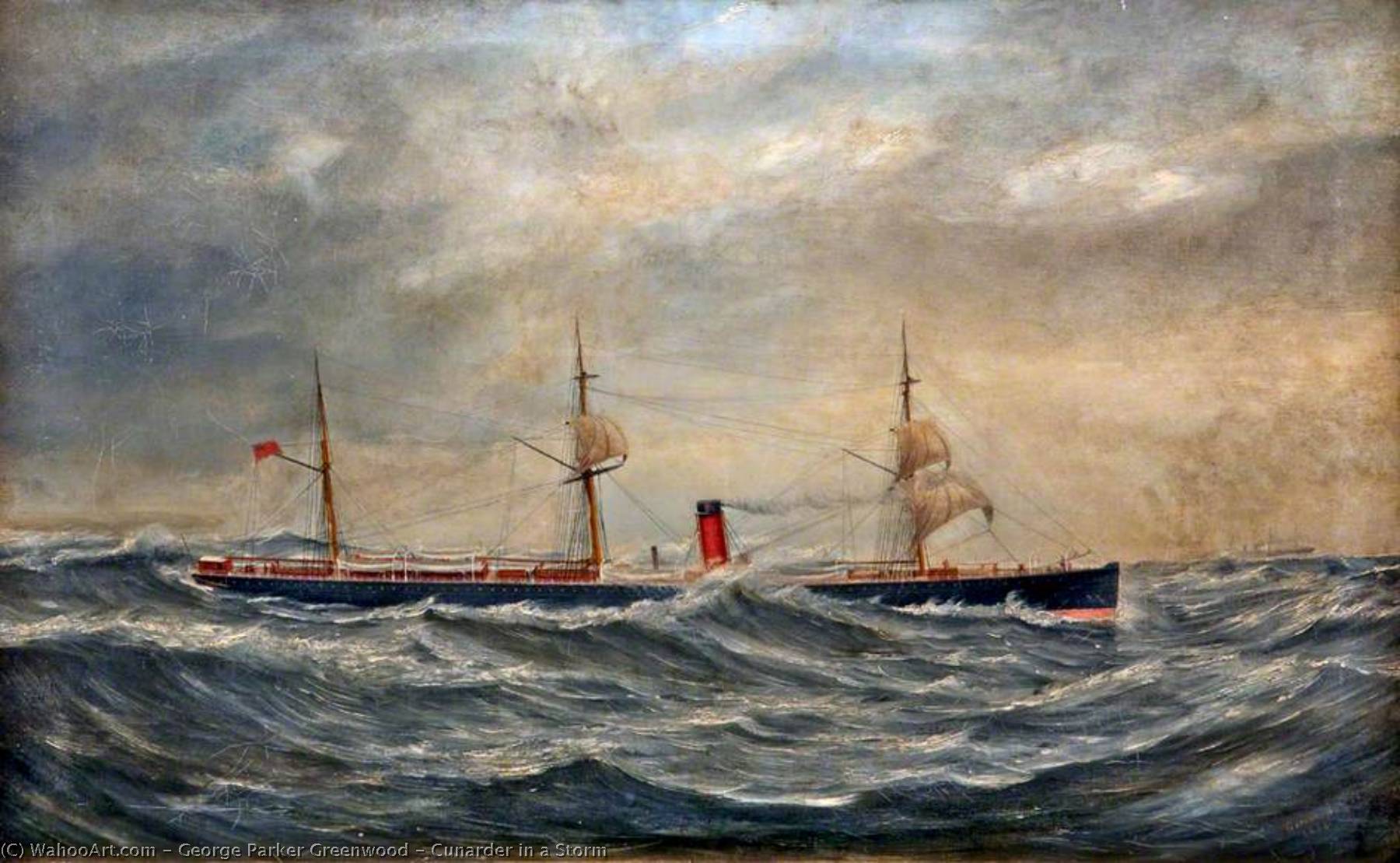
Cunarder in a Storm
 52.0 x 78.0 cm
 Pročitaj više
Giclee štampa / Umetnički otisak
Giclée štampa ili print na platnu muzejskog kvaliteta uz brzu proizvodnju i fleksibilne opcije završne obrade. ( Kupi ručno naslikanu sliku Kupi digitalnu sliku)




































Izaberite jednu od naših unapred definisanih veličina koje odgovaraju originalnim proporcijama umetničkog dela.

Možete uneti sopstvene dimenzije kako biste umetničko delo prilagodili specifičnom okviru ili prostoru. Ako odabrani format ne odgovara proporcijama originalne slike, mi ćemo ili iscrtati deo dela ili proširiti sliku pomoću ogledane ivice ili jednobojnog popunjavanja. Digitalni prikaz će vam biti poslat na odobrenje pre početka proizvodnje.
Imajte na umu da pregled na ekranu ne odražava stvarno iscrtavanje ili proširivanje. Samo će prikaz (mockup) precizno pokazati finalnu kompoziciju.
Iako su prilagođene dimenzije dostupne, preporučujemo da odaberete dimenziju sa unapred definisane liste kako biste očuvali originalne proporcije.
Dostava širom sveta () za 2 nedelje umesto uobičajenih 4/5 nedelja. (25 август)

Besplatna ekspresna dostava širom sveta

Visokokvalitetno laneno platno

Kompletno osiguranje transporta

Garancija povraćaja carine i uvoznih dažbina

Garancija vernosti boja

Politika povrata u roku od 60 dana (samo u slučaju nedostataka)

Garancija povrata novca od 100%

Popust pri grupnoj kupovini
 Opcija sa staklom dostupna je samo za dimenzije manje od 110 cm

Cunarder in a Storm
Giclee štampa / Umetnički otisak
Dimenzije reprodukcije
-


Konačna cena
$ 62
Srodna umetnička dela








Biografija umetnika
George Parker Greenwood (1850 – 1904): A Liverpool Mariner’s Painter
George Parker Greenwood was born in Liverpool, England, in 1850, into a family steeped in maritime tradition. His father, William Greenwood, was a shipowner and trader, instilling in young George a lifelong fascination with the sea and its role in shaping British commerce and culture. This familial connection profoundly influenced Greenwood’s artistic vision, propelling him to dedicate his life to capturing the grandeur and drama of Liverpool's harbor landscape and the voyages of its merchant ships.- Early Life & Education: Greenwood received a formal education at Rugby School, honing his skills in mathematics and classical studies – disciplines that would later inform his meticulous attention to detail and compositional precision.
- Move to Paris (1876): Seeking artistic inspiration and exposure to European avant-garde movements, Greenwood relocated to Paris in 1876 where he studied under Gustave Boulanger, a prominent figure in the Symbolist movement. Boulanger’s emphasis on emotive expression and mythological subjects resonated deeply with Greenwood, shaping his stylistic preferences.
- Return to Liverpool & Artistic Development: Returning to Liverpool in 1880, Greenwood established himself as a prolific painter, primarily focusing on maritime scenes—ships battling storms, coastal vistas bathed in twilight, and portraits of seafaring men. He developed a distinctive realist style characterized by painstaking observation and meticulous brushwork, capturing the textures and nuances of the natural world with remarkable accuracy.
Notable Works & Artistic Style
Greenwood’s oeuvre comprises over 300 paintings, predominantly executed in oil on canvas. His artistic style is undeniably influenced by Gustave Boulanger's Symbolist aesthetic but transcends mere imitation; Greenwood achieved a remarkable synthesis of Impressionistic techniques with meticulous realism. He skillfully employed atmospheric perspective to convey the mood and drama of his subjects—often depicting turbulent seas rendered with vibrant colors and dynamic brushstrokes—while simultaneously rendering intricate details of ship construction, rigging, and human anatomy with astonishing precision.- ‘Germanic’ Rescuing the Crew of ‘Hurworth’, 1881: This monumental canvas exemplifies Greenwood's mastery of dramatic composition and tonal gradation. The painting portrays a perilous maritime rescue operation amidst a raging storm, capturing the raw emotion and physicality of the scene with unflinching realism.
- ‘Germanic’ in the Mersey: Another celebrated work showcases Greenwood’s ability to convey both grandeur and intimacy within a single frame. The depiction of a White Star Line steamship departing Liverpool captures the bustling energy of Victorian port life, blending Impressionistic color palettes with meticulous attention to architectural detail.
- The White Star Line Steamship ‘Adriatic’ Leaving Liverpool: Greenwood's portrayal of the Adriatic exemplifies his dedication to capturing the essence of maritime experience—the interplay of light and shadow on the ship’s hull, the faces of its crew reflecting the challenges of seafaring life.
Historical Significance & Legacy
George Parker Greenwood's paintings stand as invaluable records of Victorian Liverpool and British maritime history. They offer a glimpse into the daily lives of sailors, shipbuilders, and merchants—individuals who played a pivotal role in shaping Britain’s economic prosperity and imperial ambitions. Furthermore, Greenwood’s artistic innovations – his masterful blending of Impressionistic color palettes with meticulous realism – contributed to the development of British watercolor painting and influenced subsequent generations of artists. His legacy continues to inspire admiration for his unwavering commitment to capturing the beauty and drama of the sea, cementing his place as one of Liverpool's most distinguished painters.
george parker greenwood
1850 - 1904
Osnovne informacije
- Artistic Movement Or Style: Realism
- Artists Or Movements Influenced By This Artist: ['Hudson Lowe']
- Artists Who Influenced This Artist:
- William Holman Hunt
- John Ruskin
- Date Of Birth: 1850
- Date Of Death: 1904
- Full Name: George Parker Greenwood
- Nationality: British
- Notable Artworks:
- Germanic Rescuing the Crew of 'Hurworth'
- 'Germanic' in the Mersey
- Place Of Birth: Liverpool, England

