

 Pregledaj u prostoru
 Pošalji
 Podeli
 Detalji o delu

 Преузми
 Slični predmeti
 Rendgenski snimak
 Slajdovi
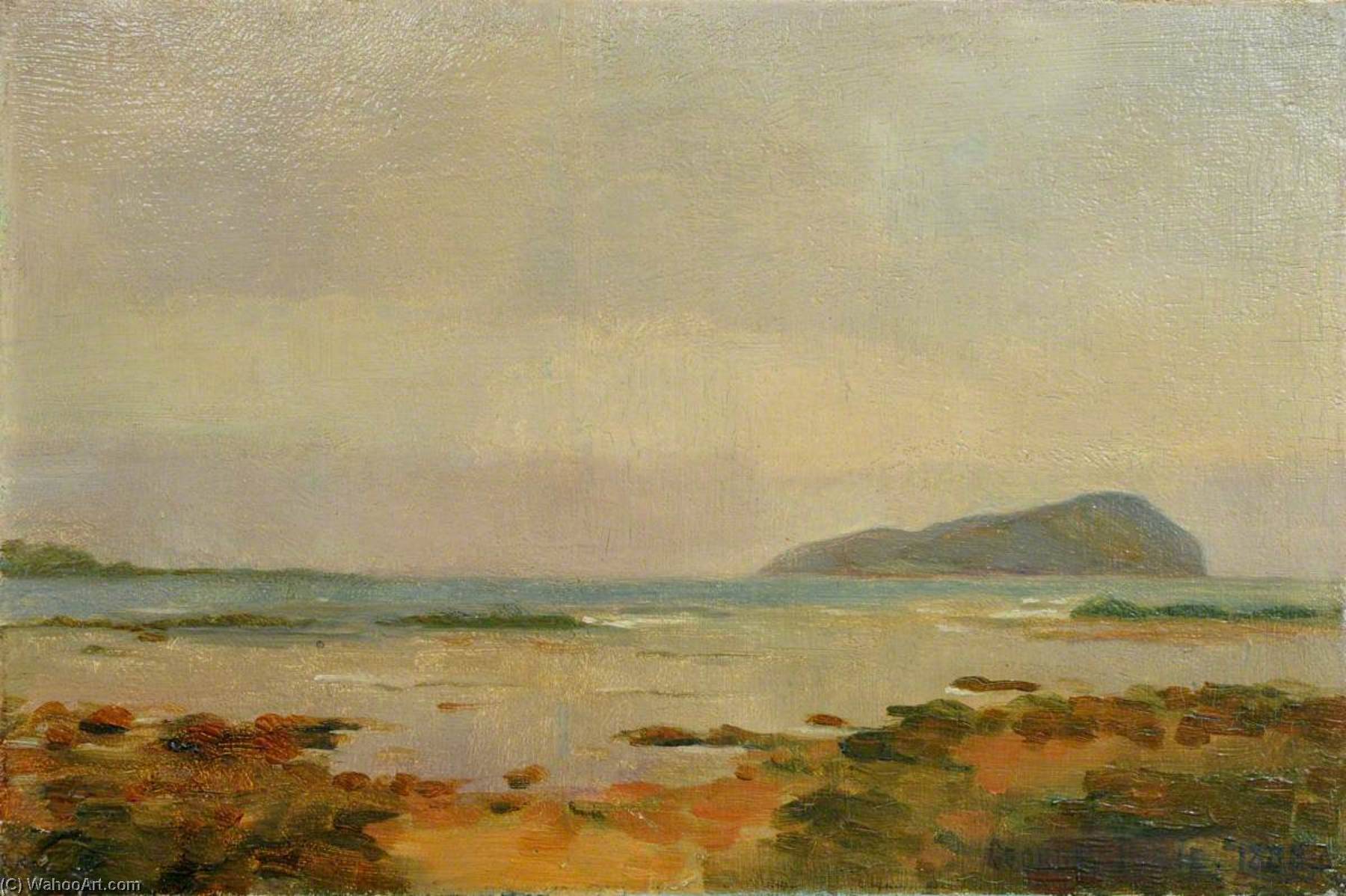
The Island of Davaar from Campbeltown Loch
 1885
1885 20.0 x 31.0 cm
 Campbeltown Museum
 Pročitaj više
Giclee štampa / Umetnički otisak
Giclée štampa ili print na platnu muzejskog kvaliteta uz brzu proizvodnju i fleksibilne opcije završne obrade. ( Kupi ručno naslikanu sliku Kupi digitalnu sliku)




































Izaberite jednu od naših unapred definisanih veličina koje odgovaraju originalnim proporcijama umetničkog dela.

Možete uneti sopstvene dimenzije kako biste umetničko delo prilagodili specifičnom okviru ili prostoru. Ako odabrani format ne odgovara proporcijama originalne slike, mi ćemo ili iscrtati deo dela ili proširiti sliku pomoću ogledane ivice ili jednobojnog popunjavanja. Digitalni prikaz će vam biti poslat na odobrenje pre početka proizvodnje.
Imajte na umu da pregled na ekranu ne odražava stvarno iscrtavanje ili proširivanje. Samo će prikaz (mockup) precizno pokazati finalnu kompoziciju.
Iako su prilagođene dimenzije dostupne, preporučujemo da odaberete dimenziju sa unapred definisane liste kako biste očuvali originalne proporcije.
Dostava širom sveta () za 2 nedelje umesto uobičajenih 4/5 nedelja. (2 септембар)

Besplatna ekspresna dostava širom sveta

Visokokvalitetno laneno platno

Kompletno osiguranje transporta

Garancija povraćaja carine i uvoznih dažbina

Garancija vernosti boja

Politika povrata u roku od 60 dana (samo u slučaju nedostataka)

Garancija povrata novca od 100%

Popust pri grupnoj kupovini
 Opcija sa staklom dostupna je samo za dimenzije manje od 110 cm

The Island of Davaar from Campbeltown Loch
Giclee štampa / Umetnički otisak
Dimenzije reprodukcije
-


Konačna cena
$ 62
Srodna umetnička dela



Biografija umetnika
George Pirie (1863–1946): Bridging Impressionism and Symbolism in Scottish Landscape Painting
George Pirie (1863–1946) stands as a pivotal figure within the Glasgow Boys movement, yet his artistic trajectory diverged significantly from its prevailing theoretical currents. Born in Campbeltown, Argyllshire, on December 5th, 1863, Pirie’s upbringing instilled in him a deep appreciation for the natural world—a fascination that would permeate his oeuvre and define his distinctive style. His father, John Pirie, was a respected physician, fostering intellectual curiosity alongside familial warmth, while Jane Harvey provided a grounding in traditional Scottish values. Early artistic inclinations found expression at Glasgow Academy, culminating in a Master’s degree from Glasgow University in 1882. Subsequently, he honed his skills at the Slade School of Art and the Académie Julian in Paris under the tutelage of Gustave Boulanger, Jules Lefebvre, and Emmanuel Frémiet—influences that would shape his artistic vision.- Early Influences: Pirie’s formative years were marked by exposure to Victorian aesthetics, particularly the Romantic tradition championed by artists like Turner and Constable. These masters emphasized atmospheric perspective and emotional resonance, principles that resonated deeply with Pirie's nascent sensibilities.
- The Glasgow Boys Debate: While Pirie participated in discussions surrounding the Glasgow Boys’ exploration of scientific theories—particularly Darwinian evolution—he remained steadfastly committed to artistic observation and subjective interpretation. He viewed these debates as unproductive distractions from the fundamental task of conveying beauty and emotion through painting.
A Distinctive Style: Impressionistic Techniques Rooted in Symbolism
Pirie’s artistic style can be characterized as a harmonious blend of Impressionist techniques and Symbolist sensibilities. He skillfully employed loose brushstrokes and vibrant color palettes—inherited from Boulanger and Lefebvre—to capture fleeting moments of light and atmosphere, mirroring the spirit of Impressionism. However, unlike many of his contemporaries who sought to represent reality objectively, Pirie infused his landscapes with evocative symbolism. Recurring motifs—such as solitary trees, misty hillsides, and brooding skies—served as vehicles for conveying profound emotional states and philosophical ideas. He wasn’t interested in merely depicting what he saw; rather, he aimed to evoke feelings of contemplation and wonder within the viewer.- Color Palette: Pirie favored muted hues—particularly blues and greens—to convey a sense of melancholy and solitude. These colors were juxtaposed with splashes of warmer tones—such as ochre and crimson—to heighten visual drama and suggest hidden depths.
- Brushwork: His brushstrokes were loose, expressive, and layered—creating textured surfaces that captured the dynamism of nature. Pirie’s technique prioritized capturing the essence of a scene rather than striving for photographic accuracy.
Notable Works and Exhibitions
Pirie's artistic output spanned several decades, producing a substantial body of paintings that reflect his evolving stylistic concerns. Among his most celebrated works are “A Crofter’s Byre” (1893), depicting a humble rural dwelling bathed in soft light—a testament to Pirie’s ability to convey profound emotion through simple imagery; and “The Old Mill,” showcasing the weathered grandeur of Scottish industrial heritage. His paintings were exhibited extensively throughout Britain and internationally, garnering critical acclaim for their artistic merit and emotional depth. He was recognized as a member of the Royal Scottish Academy from 1933 until his death in Torrance on February 17th, 1946.Legacy and Influence
George Pirie’s contribution to Scottish landscape painting remains significant. His unwavering commitment to artistic observation—combined with his masterful incorporation of Symbolist principles—established him as a singular voice within the Glasgow Boys movement. He demonstrated that beauty could be found not only in faithful representation but also in imaginative interpretation, leaving an enduring legacy for subsequent generations of artists. His work continues to inspire admiration for its evocative atmosphere and profound emotional resonance—a testament to Pirie’s artistic vision and his unwavering belief in the power of art to communicate universal human experience.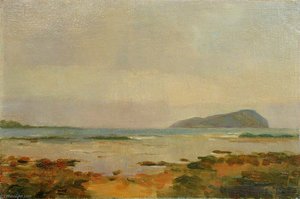
george pirie
1863 - 1946
Osnovne informacije
- Artistic Movement Or Style: Glasgow Boys
- Artists Or Movements Influenced By This Artist: ['']
- Artists Who Influenced This Artist:
- Gustave Boulanger
- Jules Lefebvre
- Emmanuel Frémiet
- Date Of Birth: December 5, 1863
- Date Of Death: February 17, 1946
- Full Name: George Pirie
- Nationality: Scottish
- Notable Artworks: ['A Crofter’s Byre']
- Place Of Birth: Campbeltown, Argyllshire

