 Pregledaj u prostoru
 Pošalji
 Podeli
 Detalji o delu

 Преузми
 Slični predmeti
 Rendgenski snimak
 Slajdovi
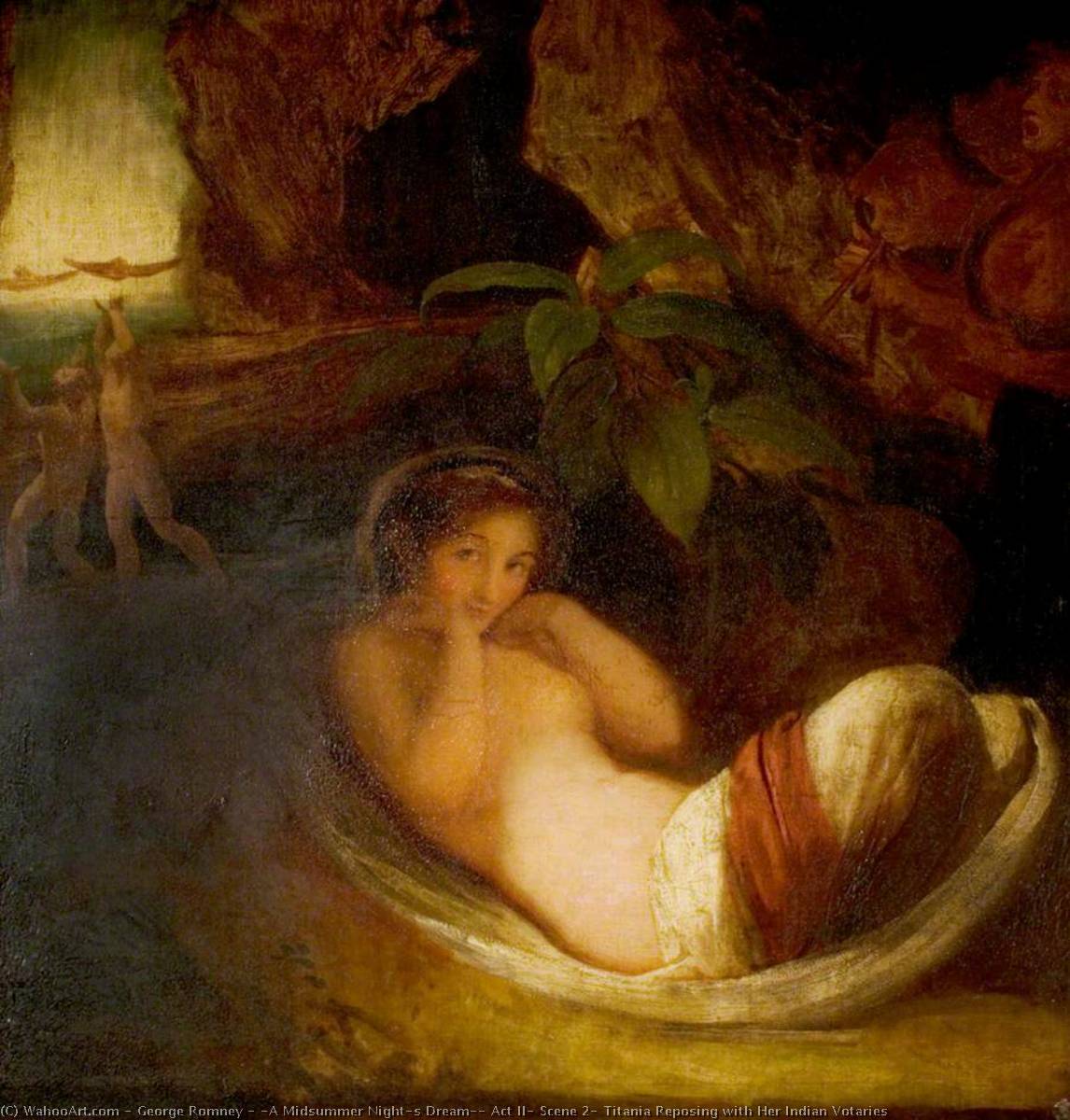
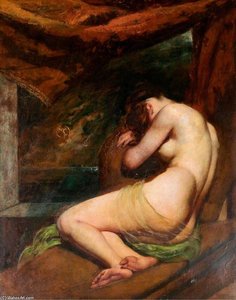
'A Midsummer Night's Dream', Act II, Scene 2, Titania Reposing with Her Indian Votaries
 Acrylic
- WallArt
- Neoclassical Portraiture
 135.0 x 117.0 cm
 Pročitaj više
Giclee štampa / Umetnički otisak
Giclée štampa ili print na platnu muzejskog kvaliteta uz brzu proizvodnju i fleksibilne opcije završne obrade. ( Kupi ručno naslikanu sliku Kupi digitalnu sliku)




P118B $10

P118H $10

P118W $10

P438Z $10

P508JH $12

P508YH $12

P805H $10

P805Z $10

P919BZ $10

P919G $10

P919XJ $10

P959ZH $10

P968JZ $12

W106C $8

W218G $10

W218JH $8

W218Y $10

W307PJ $10

W316G $10

W316PJ $8

W316Y $10

W398PJ $8

W4111J $10

W500HY $15

W500JH $15

W692G $12

W849H $8

W940BG $15

W953PJ $8




Izaberite jednu od naših unapred definisanih veličina koje odgovaraju originalnim proporcijama umetničkog dela.

Možete uneti sopstvene dimenzije kako biste umetničko delo prilagodili specifičnom okviru ili prostoru. Ako odabrani format ne odgovara proporcijama originalne slike, mi ćemo ili iscrtati deo dela ili proširiti sliku pomoću ogledane ivice ili jednobojnog popunjavanja. Digitalni prikaz će vam biti poslat na odobrenje pre početka proizvodnje.
Imajte na umu da pregled na ekranu ne odražava stvarno iscrtavanje ili proširivanje. Samo će prikaz (mockup) precizno pokazati finalnu kompoziciju.
Iako su prilagođene dimenzije dostupne, preporučujemo da odaberete dimenziju sa unapred definisane liste kako biste očuvali originalne proporcije.
Dostava širom sveta () za 2 nedelje umesto uobičajenih 4/5 nedelja. (23 август)

Besplatna ekspresna dostava širom sveta

Visokokvalitetno laneno platno

Kompletno osiguranje transporta

Garancija povraćaja carine i uvoznih dažbina

Garancija vernosti boja

Politika povrata u roku od 60 dana (samo u slučaju nedostataka)

Garancija povrata novca od 100%

Popust pri grupnoj kupovini
 Opcija sa staklom dostupna je samo za dimenzije manje od 110 cm

'A Midsummer Night's Dream', Act II, Scene 2, Titania Reposing with Her Indian Votaries
Giclee štampa / Umetnički otisak
Dimenzije reprodukcije
-


Konačna cena
$ 62
Opis predmeta
A Dream Woven in Light: George Romney's 'A Midsummer Night’s Dream'
George Romney’s ‘A Midsummer Night’s Dream,’ Act II, Scene 2, Titania Reposing with Her Indian Votaries, is more than a mere depiction of Shakespearean fantasy; it’s an exquisitely rendered exploration of serenity, power, and the delicate dance between reality and illusion. Executed around 1795, this painting captures a pivotal moment from one of literature's most beloved comedies, transforming the stage into a tangible realm of enchantment. Romney, a master of portraiture during his time, demonstrates here an exceptional ability to translate theatrical drama into a deeply evocative visual experience.
- Subject Matter: The scene unfolds with Titania, Queen of the Fairies, reclining within a fantastical boat, attended by her Indian votaries. This arrangement immediately draws upon the rich symbolism inherent in Shakespeare’s play – Titania's sovereignty and connection to nature are powerfully represented.
- Composition & Technique: Romney’s brushwork is remarkably smooth and luminous, characteristic of his mature style. He employs a masterful use of light and shadow, particularly evident in the soft glow emanating from the lanterns that illuminate the scene. The figures are rendered with an almost sculptural quality, their forms subtly defined yet imbued with a sense of movement and grace.
The Language of Symbolism: Nature, Royalty, and Illusion
The painting’s symbolism is layered and deeply rooted in both Shakespearean context and the artistic conventions of the late 18th century. The boat itself represents transition – a journey between worlds, perhaps mirroring Titania's own shifting allegiances within the play. The Indian votaries, with their exotic attire and serene expressions, underscore Titania’s power and connection to the mystical realms of nature. Their presence elevates the scene beyond a simple depiction of fairies; it speaks to ancient beliefs surrounding goddesses and sacred spaces. Romney’s careful attention to detail – from the intricate folds of Titania's gown to the delicate features of her attendants – reinforces this sense of otherworldly grandeur.
- Color Palette: Romney utilizes a predominantly cool color palette dominated by blues, greens, and purples, evoking the atmosphere of a moonlit night. The strategic use of warm tones in the lanterns creates focal points and adds to the painting’s overall sense of tranquility.
- Light & Shadow: The dramatic interplay of light and shadow is central to Romney's technique, creating depth and volume within the composition and enhancing the ethereal quality of the scene.
Historical Context and Romney’s Legacy
Created during a period of significant artistic innovation – influenced by both Neoclassicism and the burgeoning Romantic movement – ‘A Midsummer Night’s Dream’ reflects Romney's own evolving style. Born in 1734, Romney rose to prominence as one of Britain’s most celebrated portrait painters, capturing the likenesses of prominent figures including William Hogarth and Charles Townshend. His ability to portray both outward appearance and inner character was highly valued, and his work exemplifies a refined sensibility that sought to elevate portraiture beyond mere representation. This particular painting showcases Romney's skill in translating literary themes into visual form, solidifying his reputation as a versatile and accomplished artist.
Emotional Impact & Reproduction
Romney’s ‘A Midsummer Night’s Dream’ possesses an undeniable emotional resonance – it invites the viewer to step into a world of enchantment and wonder. The painting's serene atmosphere and graceful figures evoke feelings of peace, tranquility, and perhaps even a touch of melancholy. ArtsDot offers meticulously crafted hand-painted reproductions of this iconic artwork, ensuring that you can experience its beauty and power in your own home or studio. Our skilled artisans employ the same techniques and attention to detail as Romney himself, creating a faithful representation that captures the essence of this timeless masterpiece.
Srodna umetnička dela

Biografija umetnika
A Life in Portraiture: The World of George Romney
Born in the picturesque landscape of Dalton-in-Furness, Lancashire, on December 15th, 1734, George Romney ascended to become one of the most sought-after portrait painters of his era. His journey from a cabinet maker’s son to the favored artist of British high society is a compelling narrative of innate talent and unwavering ambition. Early life offered little indication of the artistic path he would forge; initially apprenticed to his father, it was an inherent inclination towards drawing and craftsmanship that led him to Christopher Steele, a local portraitist who had studied in Paris. This apprenticeship proved pivotal, providing Romney with foundational skills and an introduction to European artistic traditions. He quickly surpassed his master, however, demonstrating a precocious talent demanding further cultivation. A brief, unhappy marriage and subsequent separation propelled him towards London in 1762, a city brimming with opportunity but also fierce competition.Establishing a Reputation: Style and Technique
London proved to be a crucible for Romney’s artistic development. He swiftly established himself as a formidable portraitist, challenging the dominance of artists like Thomas Gainsborough and Sir Joshua Reynolds. While he never sought membership in the Royal Academy – a decision that perhaps limited his access to certain patronage – his success was undeniable. Romney's style evolved over time, initially reflecting the influence of Steele and his Parisian training, but soon blossomed into something distinctly his own. He possessed an exceptional ability to capture not merely the likeness, but also the personality and social standing of his sitters. His portraits are characterized by elegant poses, a refined use of light and shadow, and a subtle psychological insight that set him apart. Romney’s technique was marked by a delicate touch and a preference for flowing lines, often drawing inspiration from classical sculpture. He skillfully employed color to convey texture and depth, creating portraits that were both visually striking and emotionally resonant. His ability to flatter his subjects while maintaining artistic integrity earned him the loyalty of an elite clientele. He understood the power of suggestion, hinting at character rather than explicitly defining it, a quality that appealed to those who valued discretion and refinement. Romney’s meticulous attention to detail—the subtle folds of fabric, the delicate rendering of skin tones—demonstrated his mastery of observation and artistic execution.The Muse and Her Influence: Emma Hamilton
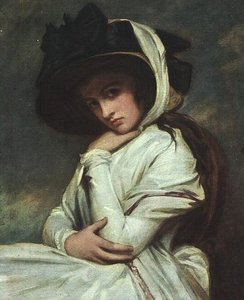
Romney’s life took a dramatic turn with his encounter with Emma Hart, later known as Lady Hamilton, in 1782. She became not only his most celebrated model but also his muse, profoundly influencing his artistic output. Emma's beauty, intelligence, and theatrical flair captivated Romney, inspiring a series of portraits that explored themes of classical mythology, dramatic narrative, and feminine grace. He depicted her in various roles – as a spinner, as the tragic Miranda from Shakespeare’s *The Tempest*, and in numerous allegorical scenes that showcased her expressive range. These works demonstrate Romney's willingness to experiment with composition and symbolism, moving beyond conventional portraiture into more imaginative territory. The Tempest series, in particular, reveals a Romantic sensibility at play, anticipating the emotional intensity of later artists. The relationship was intense and all-consuming for Romney, though ultimately unfulfilled romantically; Emma eventually became the mistress of Lord Nelson, a union that cemented her place in history. Nevertheless, their artistic collaboration left an indelible mark on both their lives and produced some of Romney’s most enduring masterpieces. He painted over 80 portraits of her, each revealing a different facet of her captivating personality. The dynamism captured in these canvases—Emma's animated gaze, the movement of her drapery—contrasted sharply with the static formality often found in earlier portraiture.Notable Works and Artistic Legacy
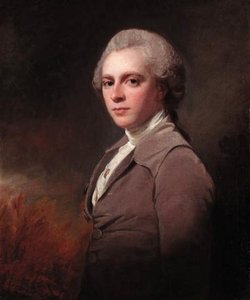
Romney’s oeuvre encompasses a diverse range of subjects, reflecting his versatility as an artist. Among his most celebrated paintings are *Peter and James Romney*, depicting his brothers, showcasing his ability to portray familial bonds with tenderness and accuracy. He also produced portraits of prominent figures in British society, including Sir Thomas Lawrence and William Hogarth, demonstrating his understanding of social conventions and artistic ambition. Furthermore, he created striking depictions of historical events—such as *The Death of General Wolfe*, commemorating a pivotal moment in British military history—demonstrating his commitment to capturing grandeur and conveying emotion through visual storytelling. His masterful handling of light and color elevated these works beyond mere likenesses, transforming them into powerful expressions of artistic vision. Romney’s influence extended far beyond his own lifetime, inspiring subsequent generations of painters who admired his technique and embraced his Romantic aesthetic. He remains a significant figure in the history of art, a master portraitist who captured the spirit of an age and left behind a body of work that continues to captivate and inspire. His legacy is secured not only by the beauty of his paintings but also by their enduring psychological insight—a testament to Romney’s profound understanding of human character and emotion. ## Historical Significance: A Reflection of Georgian Society George Romney's portraits offer invaluable insights into the lives and tastes of the British elite during the Georgian era (1714-1830). They depict individuals engaged in social activities—dinner parties, theatrical performances, promenades—providing a vivid panorama of aristocratic life. Romney’s depictions capture not only physical appearances but also inner states of mind, conveying emotions such as joy, melancholy, and contemplation. These portraits serve as documents of fashion, décor, and social customs, reflecting the prevailing aesthetic sensibilities of the time. Moreover, Romney's work engages with themes of mythology and allegory—particularly evident in his series on *The Tempest*, which explores ideas of heroism, tragedy, and redemption—demonstrating his intellectual curiosity and artistic ambition. He was a pioneer in portraying women with dignity and nuance, challenging conventional representations of femininity and elevating Emma Hamilton to the status of an iconic muse. Romney’s contribution to British art is undeniable; he helped establish a new standard for portraiture, prioritizing psychological depth and artistic expression alongside accurate likenesses. His paintings continue to resonate today because they capture something essential about human experience—the complexities of emotion, the beauty of form, and the enduring power of imagination.
Џорџ Ромејн
1734 - 1802 , United Kingdom
Osnovne informacije
- Artistic Movement Or Style: Портретистика, Романтизам
- Artists Or Movements Influenced By This Artist: ['Британски портретисти']
- Artists Who Influenced This Artist:
- Христофор Стиел
- Карле Ванлоу
- Рафаел
- Тицијан
- Date Of Birth: Децембар 15, 1734
- Date Of Death: Нов септембар 15, 1802
- Full Name: George Romney
- Nationality: Британски
- Notable Artworks:
- Питер и Јамес Ромињи
- Портрет Г. Копер
- Смрт генерала Воле
- Госпођинја Кардвајн и син
- Place Of Birth: Далтон-ин-Фурнес, УК
Povezani članci

Giclée Prints: Archival Quality & Aesthetic Nuances for the Discerning Collector
Explore the world of giclée prints with ArtsDot. Learn about archival quality, aesthetic nuances & investment potential. Expert guidance for discerning art collectors seeking museum-quality reproductions and lasting value.

The Enduring Legacy of Fine Art Prints: Technique, History & Aesthetic Impact
Explore the rich history & techniques of fine art prints. Discover investment potential, assess authenticity, and learn how to preserve your collection with expert guidance. Trusted insights for discerning collectors.

Echoes of Time: Exploring the Enduring Appeal & Historical Context of Vintage Art Prints
Explore the captivating world of vintage art prints! Discover their history, collecting tips & enduring appeal. Expert insights on chromolithography and building a legacy collection with ArtsDot.
The Enduring Legacy of Printmaking: Techniques, Themes & Artistic Innovation Across Centuries
Explore the rich history of printmaking with ArtsDot. Discover techniques from intaglio to lithography, learn about collecting valuable prints & find museum-quality reproductions. Expert insights for art enthusiasts and collectors.
The Enduring Legacy of Woodblock Printmaking: Technique, History & Artistic Expression
Explore the rich history of woodblock printmaking – from ancient techniques to Ukiyo-e masterpieces. Discover expert insights on collecting, preserving & appreciating this enduring art form.