

 Pregledaj u prostoru
 Pošalji
 Podeli
 Detalji o delu

 Преузми
 Slični predmeti
 Rendgenski snimak
 Slajdovi
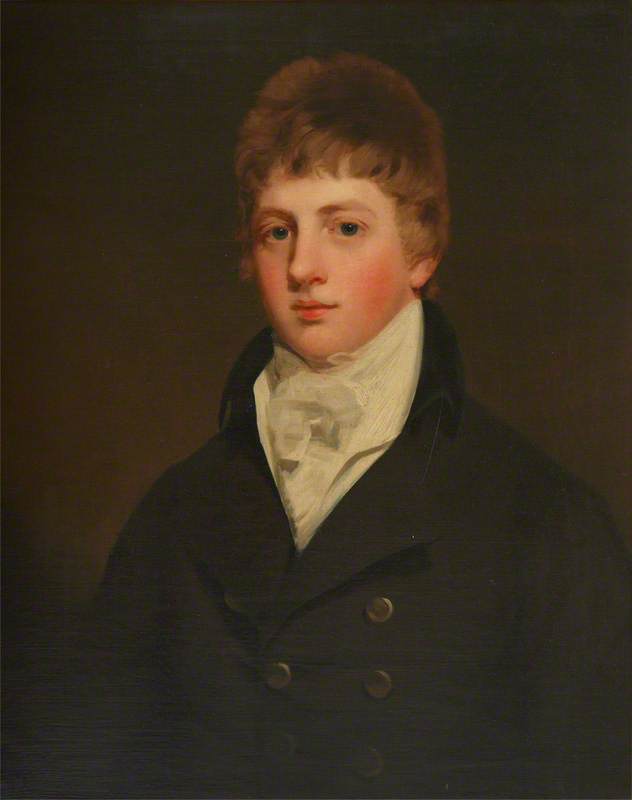
The Honourable William Cavendish (1783–1812), Aged 16 (after John Hoppner)
 67.0 x 54.0 cm
 National Trust
 Pročitaj više
Ručno rađena uljana reprodukcija
Ručno oslikano uljanim bojama na platnu u dimenzijama i okviru po vašem izboru, izrađeno po porudžbini od strane naših umetnika. ( Kupi print Kupi digitalnu sliku)




































Izaberite jednu od naših unapred definisanih veličina koje odgovaraju originalnim proporcijama umetničkog dela.

Можете унети сопствене димензије како бисте прилагодили дело одређеном оквиру или простору. Ако одабрана величина не одговара пропорцијама оригинала, слика ће бити исечена или проширена додатним елементима који се ручно насликавају. Дигитални prikaz ће вам бити послат на одобрење пре почетка производње.
Имајте на уму да преглед на екрану не одражава стварно исецање или проширење. Само приказ (mockup) ће тачно приказати коначну композицију.
Иако су доступне прилагођене величине, препоручујемо да одаберете димензију из дефинисане листе како бисте сачували оригиналне пропорције.
Nakon narudžbine, tim ArtsDot.com će klijentu putem e-pošte poslati uputstva i dostaviti prikaz predloženog rešenja
Isporuka širom sveta () za 3/4 nedelje umesto uobičajenih 5 nedelja. (7 септембар). Bez kompromisa po pitanju kvaliteta.

Besplatna ekspresna dostava širom sveta

Visokokvalitetno laneno platno

Kompletno osiguranje transporta

Garancija povraćaja carine i uvoznih dažbina

Garancija vernosti boja

Politika povraćaja u roku od 100 dana (isključivo u slučaju nedostataka)

Garancija povrata novca od 100%

Popust pri grupnoj kupovini
 Opcija sa staklom dostupna je samo za dimenzije manje od 110 cm

The Honourable William Cavendish (1783–1812), Aged 16 (after John Hoppner)
Tehnika reprodukcije
Dimenzije reprodukcije
-


Konačna cena
$ 263
Srodna umetnička dela





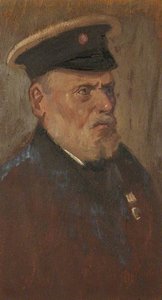




Biografija umetnika
The Dignity of the Brush: The Life and Legacy of George Sanders
In the grand tapestry of nineteenth-century British art, few threads capture the quiet majesty of the Victorian era as delicately as the work of George Sanders. Born in Edinburgh in 1774, Sanders emerged from the heart of Scotland to become a master of portraiture, a painter whose brush possessed the rare ability to translate social standing into visual permanence. His life and career were defined by a profound commitment to capturing the essence of his subjects, moving beyond mere likeness to evoke the very soul of the aristocracy he so frequently depicted. Through his meticulous technique, Sanders did not simply paint faces; he painted the weight of lineage, the grace of nobility, and the structured elegance of a vanishing age.
The foundations of Sanders’ artistic prowess were laid in the classical traditions of his homeland. While much of his early biography remains shrouded in the soft mists of history, it is widely understood that his technical discipline was forged under the guidance of John Ramsay. As a prominent Scottish landscape painter steeped in Neoclassical ideals, Ramsay provided Sanders with a rigorous education in composition and the importance of careful observation. This early training instilled in him a reverence for established conventions, a trait that would later allow him to navigate the demanding expectations of his wealthy patrons with unparalleled skill. His ability to balance classical structure with a subtle, emotive realism became the hallmark of his developing style.
A Master of Character and Composition
The oeuvre of George Sanders is a testament to his versatility and his deep respect for the masters who preceded him. While he gained significant renown for his portraits of the Scottish and English elite—rendering Earls, Dukes, and Lords with a palpable sense of dignity—he was also a scholar of the Dutch Golden Age. His skillful executions of works in the style of Rembrandt and Vermeer reveal an artist deeply engaged with the interplay of light and shadow, or chiaroscuro, using tonal subtlety to create depth and atmosphere. This mastery of light allowed him to breathe life into his subjects, making the opulent fabrics of their attire and the richly decorated interiors of their estates feel tangibly present to the viewer.
Beyond the formal boundaries of aristocratic portraiture, Sanders demonstrated a remarkable sensitivity to the nuances of genre painting. He possessed a unique talent for capturing moments of domestic life, imbuing even the most quiet scenes with a sense of realism and emotional resonance. His work often incorporated subtle symbolic elements, such as clan affiliations or familial emblems, which served to anchor his subjects within their historical and social contexts. This layered approach meant that a Sanders painting was never just a static image; it was a narrative piece, rich with the cultural identifiers of the time.
Historical Significance and Enduring Presence
The enduring importance of George Sanders is perhaps best measured by the prestigious locations where his work continues to reside. His presence within the National Gallery serves as a powerful validation of his contribution to the British canon. To walk among his canvases is to encounter the very architecture of Victorian social hierarchy and aspiration. He captured a period of transition, documenting the faces of a class that stood at the pinnacle of influence, preserving their postures and expressions for posterity.
Today, the legacy of Sanders remains vital for those seeking to understand the visual language of the nineteenth century. His achievements can be summarized through several key artistic contributions:
- Technical Precision: The seamless integration of Neoclassical discipline with the atmospheric techniques of the Dutch Masters.
- Sociological Documentation: The creation of a visual record of the British aristocracy, capturing the dignity and social nuances of the era.
- Versatility of Genre: An ability to move effortlessly between formal, high-status portraiture and the intimate, detailed realism of genre scenes.
- Cultural Preservation: The use of symbolic elements to reflect the complex clan identities and familial histories of his Scottish subjects.
As we look back upon the career of George Sanders, we see more than a mere chronicler of faces; we see an artist who understood that true portraiture is an act of preservation. Through his dedication to craftsmanship and his profound respect for his subjects, he ensured that the elegance and gravity of his age would never truly fade into obscurity.

george sanders
1774 - 1846
Osnovne informacije
- Artistic Movement Or Style: Portraiture
- Date Of Birth: 1774
- Date Of Death: 1846
- Full Name: George Sanders
- Nationality: Scottish
- Notable Artworks: ['Lord MacDonald of Sleat']
- Place Of Birth: Scotland