

 Pregledaj u prostoru
 Pošalji
 Podeli
 Detalji o delu

 Преузми
 Slični predmeti
 Rendgenski snimak
 Slajdovi
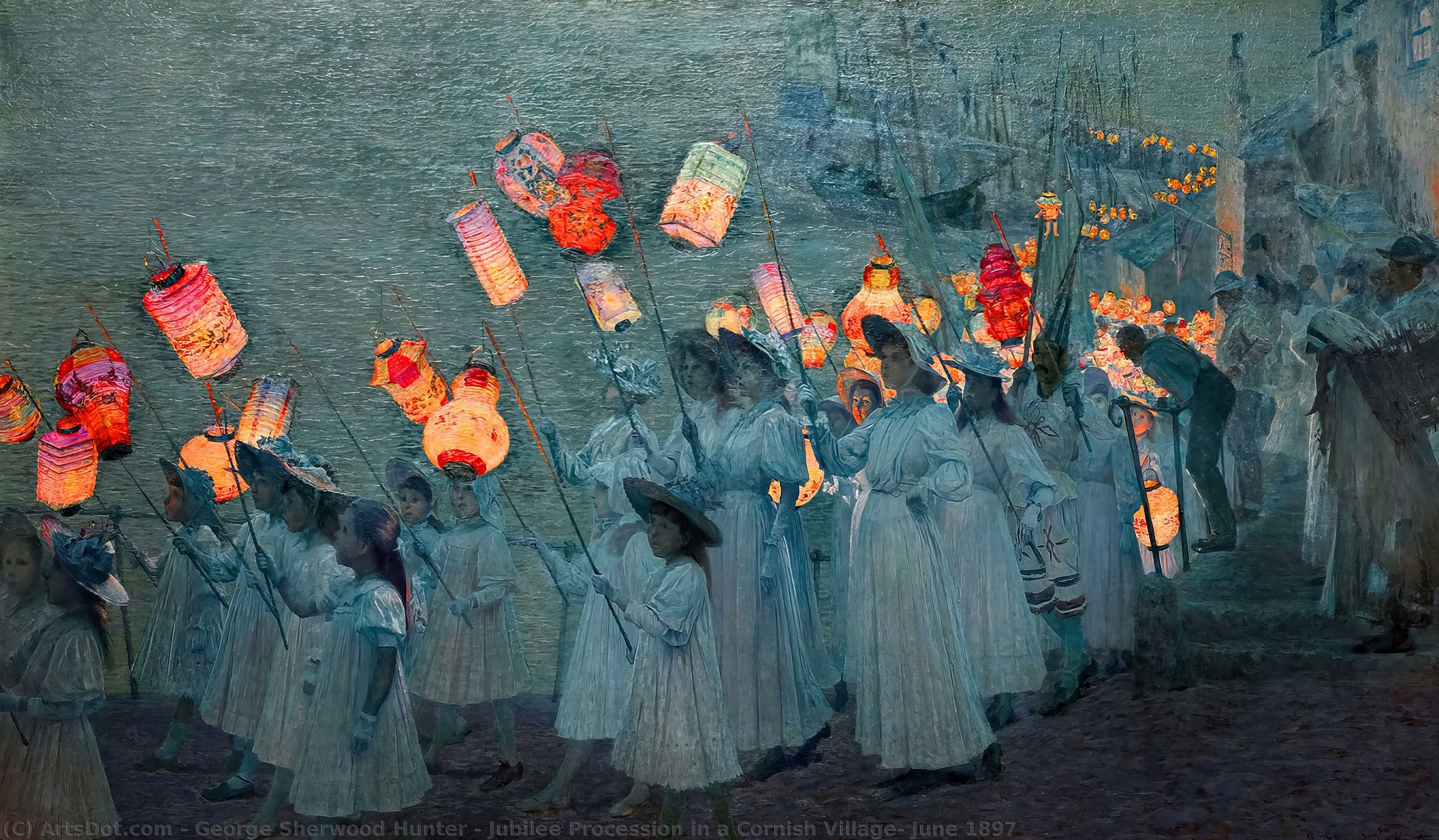
Jubilee Procession in a Cornish Village, June 1897
 Impressionism
 1897
1897 130.0 x 216.0 cm
 Pročitaj više
Ručno rađena uljana reprodukcija
Ručno oslikano uljanim bojama na platnu u dimenzijama i okviru po vašem izboru, izrađeno po porudžbini od strane naših umetnika. ( Kupi print Kupi digitalnu sliku)




































Izaberite jednu od naših unapred definisanih veličina koje odgovaraju originalnim proporcijama umetničkog dela.

Можете унети сопствене димензије како бисте прилагодили дело одређеном оквиру или простору. Ако одабрана величина не одговара пропорцијама оригинала, слика ће бити исечена или проширена додатним елементима који се ручно насликавају. Дигитални prikaz ће вам бити послат на одобрење пре почетка производње.
Имајте на уму да преглед на екрану не одражава стварно исецање или проширење. Само приказ (mockup) ће тачно приказати коначну композицију.
Иако су доступне прилагођене величине, препоручујемо да одаберете димензију из дефинисане листе како бисте сачували оригиналне пропорције.
Nakon narudžbine, tim ArtsDot.com će klijentu putem e-pošte poslati uputstva i dostaviti prikaz predloženog rešenja
Isporuka širom sveta () za 3/4 nedelje umesto uobičajenih 5 nedelja. (26 август). Bez kompromisa po pitanju kvaliteta.

Besplatna ekspresna dostava širom sveta

Visokokvalitetno laneno platno

Kompletno osiguranje transporta

Garancija povraćaja carine i uvoznih dažbina

Garancija vernosti boja

Politika povrata u roku od 60 dana (samo u slučaju nedostataka)

Garancija povrata novca od 100%

Popust pri grupnoj kupovini
 Opcija sa staklom dostupna je samo za dimenzije manje od 110 cm

Jubilee Procession in a Cornish Village, June 1897
Tehnika reprodukcije
Dimenzije reprodukcije
-


Konačna cena
$ 388
Opis umetničkog dela
A Glimpse into the Painting
Upon examining the painting, one is immediately struck by the multitude of people walking down a village street. The scene is set against the backdrop of a castle-like structure, which adds to the sense of place and history. The participants in the procession are adorned with lanterns of various sizes, some held aloft while others are carried closer to the ground. Umbrellas, both open and closed, add an element of color and texture to the scene. A notable detail is the presence of a dog on the left side of the image, which contributes to the lively atmosphere of the painting. The overall effect is one of vibrant activity, with the colorful elements and bustling crowd creating a dynamic visual experience.Contextualizing the Painting
The Jubilee Procession in a Cornish Village, June 1897 is significant not only for its artistic merit but also for its historical context. The year 1897 marks the Diamond Jubilee of Queen Victoria, an event celebrated across the United Kingdom with grand processions and festivities.Relevance to Cornwall
Cornwall, where the painting is set, has a rich cultural heritage that is reflected in artworks such as this. For those interested in exploring more about Cornwall's artistic treasures, the Falmouth Art Gallery is a hidden gem worth visiting. This gallery houses an impressive collection of artworks, including pieces by notable artists like William Pitt, who painted St Mawes, Cornwall.Artistic Significance
George Sherwood Hunter's work is a testament to the artistic talent that flourished during the late 19th century. His ability to capture the essence of community celebrations and everyday life in his paintings makes him a notable figure in British art history. In conclusion, Jubilee Procession in a Cornish Village, June 1897 by George Sherwood Hunter is a masterpiece that not only showcases the artist's skill but also provides a window into the cultural and historical context of Cornwall during the late Victorian era. For those interested in acquiring high-quality reproductions of such artworks, ArtsDot offers hand-made oil painting reproductions that capture the essence and beauty of original artworks.Srodna umetnička dela
Biografija umetnika
The Luminous Vision of George Sherwood Hunter
Born in the historic city of Aberdeen on May 30, 1846, George Sherwood Hunter emerged as a painter of profound sensitivity, capable of bridging the gap between the rugged realism of his Scottish roots and the ethereal light of international landscapes. His artistic journey was one of constant movement and observation, beginning with foundational training in watercolor and drawing that instilled in him a lifelong reverence for the minute details of the natural world. While his early years were shaped by the academic rigor of the Edinburgh College of Art, his spirit was never confined to the classroom; rather, it sought the expansive horizons of the Highlands, the bustling streets of Cornish villages, and the sun-drenched architectural wonders of the Middle East.
Hunter’s technical evolution is a fascinating study in the transition from traditional realism to the atmospheric nuances of Impressionism. Influenced heavily by the works of Claude Monet and Frédéric Bazille, he learned to dismantle solid forms into luminous patches of color, allowing light to become the true protagonist of his canvases. This mastery of light enabled him to capture not just a location, but a moment in time—the fleeting shimmer on a loch or the vibrant energy of a festive crowd. His brushwork often employed layered strokes and subtle tonal variations, creating a sense of depth that invited viewers to step directly into his meticulously rendered worlds.
A Journey Through Light and Culture
The breadth of Hunter’s oeuvre is as vast as the landscapes he traversed. He found deep inspiration in the Scottish Highlands, where he documented the raw beauty of heather moorlands and coastal vistas with an almost documentary precision. Yet, his curiosity frequently led him far beyond the British Isles. His expeditions to Morocco and Egypt allowed him to translate the exotic textures of North African architecture and the spiritual weight of ancient sites onto canvas. One of his most poignant achievements includes his depictions of Jerusalem, where he captured the profound atmosphere of the Wailing Wall, a work that remains held in prestigious collections such as the Plymouth City Museum.
Beyond the solitary grandeur of nature, Hunter possessed a remarkable gift for capturing the pulse of human community. His paintings often serve as historical windows into late 19th-century life, celebrating both labor and leisure. Notable works include:
- Jubilee Procession in a Cornish Village, June 1897: A large-scale, captivating oil that breathes life into the Diamond Jubilee celebrations of Queen Victoria, filled with the movement of crowds and the glow of lanterns.
- Stacking Salt Herring Barrels: A poignant realist scene, likely set in Portsoy, Aberdeenshire, which honors the rhythmic toil of Scottish maritime trade.
- Street Scenes and Village Life: Works that capture the charm of everyday existence, from the bustling activity of a Cornish street to the quietude of rural paths.
Legacy within the Newlyn School
In his later years, Hunter became an integral figure in the artistic community of Newlyn, Cornwall. Much like his contemporaries in the Newlyn School, he sought out unspoiled rural subjects and found a sense of camaraderie in the artist colonies of Brittany and England. His studio in Batema’s Meadow was regarded by his peers as a "treasure-house" of inspiration, and his willingness to mentor others through the Forbes School of Painting cemented his importance to the development of British landscape art. Through his ability to blend the meticulousness of a naturalist with the emotive power of an Impressionist, George Sherwood Hunter left behind a legacy of paintings that continue to resonate with their timeless, atmospheric grace.
george sherwood hunter
1846 - 1920
Osnovne informacije
- Artistic Movement Or Style: Impressionism
- Artists Or Movements Influenced By This Artist: ['French Impressionism']
- Artists Who Influenced This Artist: ['Jean-François Millet']
- Date Of Birth: 1846
- Date Of Death: 1920
- Full Name: George Sherwood Hunter
- Nationality: British
- Notable Artworks:
- Stacking Salt Herring Barrels (possibly Portsoy)
- Jubilee Procession in a Cornish Village
- Street Scene
- Place Of Birth: London, England
Povezani članci

Georges Braque: 25 Remek-dela Kubizma za Inspirisanje Vašeg Doma | ArtsDot
Istražite 25 remek-dela Georges Braquea, pionira kubizma. Otkrijte priče iza slika, tehnike i inspiraciju za dizajn enterijera. Reprodukcije vrhunskog kvaliteta dostupne na ArtsDot.com! Pronađite savršeno umetničko delo online.

25 Remek-dela Žorža Seurea: Putovanje kroz Svet Tačizma i Impresionističke Revolucije
Istražite 25 remek-dela Žorža Seurea i uronite u svet tačizma i impresionističke revolucije. Otkrijte priče iza slika, tehnike i inspiraciju ovog francuskog umetnika. Reprodukcije vrhunskog kvaliteta dostupne na ArtsDot.com!
George Goodwin Kilburne: Capturing Victorian Sentimentality Through Genre Painting
Explore the evocative Victorian paintings of George Goodwin Kilburne. Discover his detailed scenes of domestic life, masterful use of light, and lasting impact on British genre painting. Learn more at ArtsDot.
George Hayter: Portraiture, Power & Victorian Society's Canvas
Explore the life & work of George Hayter, Queen Victoria’s Principal Painter. Discover his iconic Victorian portraits, historical masterpieces, and lasting impact on British art history. Learn more at ArtsDot.
The Refined Aesthetic of Victorian Illustration: A Study in Narrative & Technique
Explore the captivating world of Victorian illustration! Discover Pre-Raphaelite influences, key artists like Rossetti & Stephens, and the era's rich narrative detail. A deep dive for art enthusiasts.

