 Pregledaj u prostoru
 Pošalji
 Podeli
 Detalji o delu

 Преузми
 Slični predmeti
 Rendgenski snimak
 Slajdovi
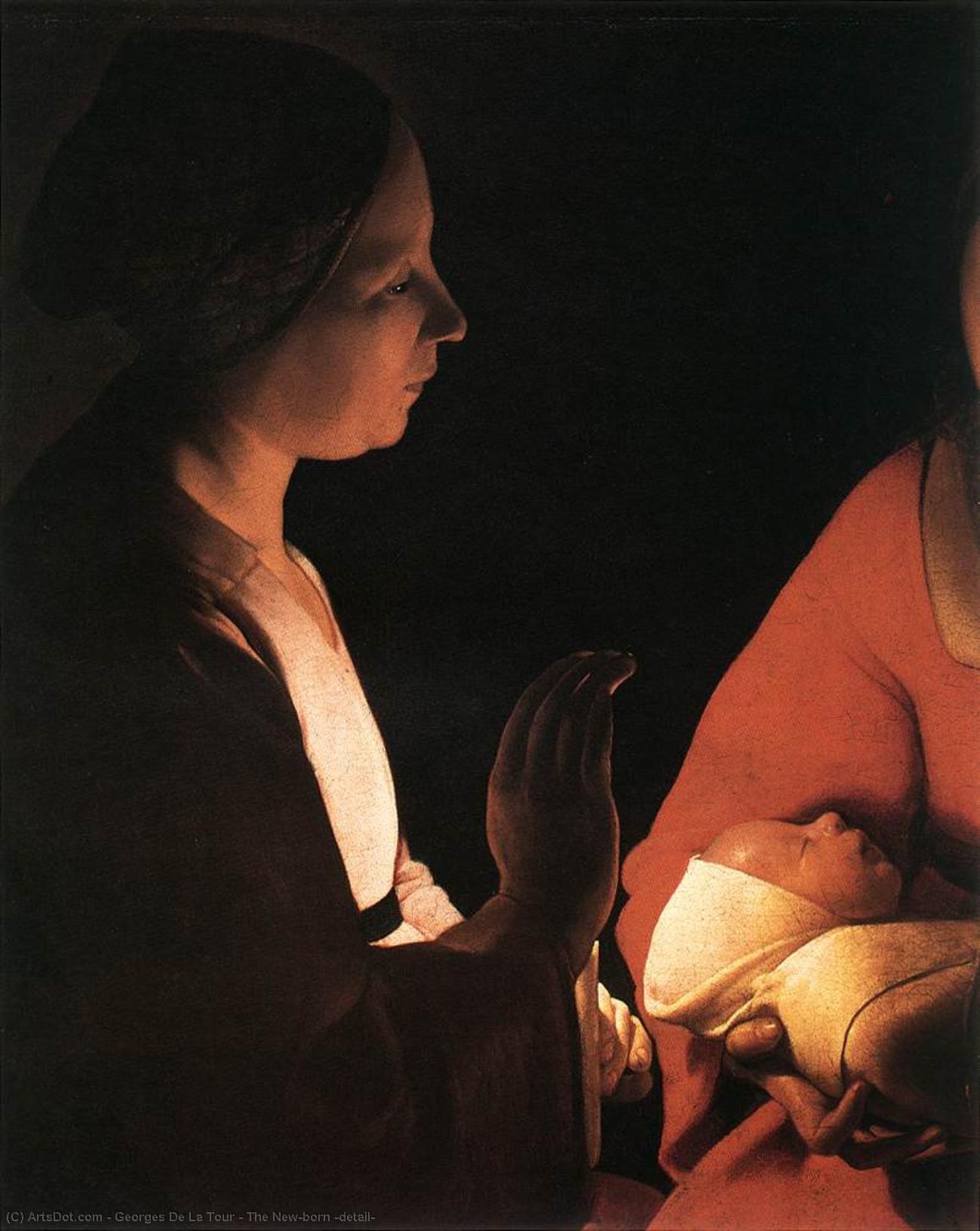
The New-born (detail)


 Pročitaj više
Ručno rađena uljana reprodukcija
Ručno oslikano uljanim bojama na platnu u dimenzijama i okviru po vašem izboru, izrađeno po porudžbini od strane naših umetnika. ( Kupi print Kupi digitalnu sliku)




P118B $10

P118H $10

P118W $10

P438Z $10

P508JH $12

P508YH $12

P805H $10

P805Z $10

P919BZ $10

P919G $10

P919XJ $10

P959ZH $10

P968JZ $12

W106C $8

W218G $10

W218JH $8

W218Y $10

W307PJ $10

W316G $10

W316PJ $8

W316Y $10

W398PJ $8

W4111J $10

W500HY $15

W500JH $15

W692G $12

W849H $8

W940BG $15

W953PJ $8




Izaberite jednu od naših unapred definisanih veličina koje odgovaraju originalnim proporcijama umetničkog dela.

Можете унети сопствене димензије како бисте прилагодили дело одређеном оквиру или простору. Ако одабрана величина не одговара пропорцијама оригинала, слика ће бити исечена или проширена додатним елементима који се ручно насликавају. Дигитални prikaz ће вам бити послат на одобрење пре почетка производње.
Имајте на уму да преглед на екрану не одражава стварно исецање или проширење. Само приказ (mockup) ће тачно приказати коначну композицију.
Иако су доступне прилагођене величине, препоручујемо да одаберете димензију из дефинисане листе како бисте сачували оригиналне пропорције.
Nakon narudžbine, tim ArtsDot.com će klijentu putem e-pošte poslati uputstva i dostaviti prikaz predloženog rešenja
Isporuka širom sveta () za 3/4 nedelje umesto uobičajenih 5 nedelja. (1 септембар). Bez kompromisa po pitanju kvaliteta.

Besplatna ekspresna dostava širom sveta

Visokokvalitetno laneno platno

Kompletno osiguranje transporta

Garancija povraćaja carine i uvoznih dažbina

Garancija vernosti boja

Politika povrata u roku od 60 dana (samo u slučaju nedostataka)

Garancija povrata novca od 100%

Popust pri grupnoj kupovini
 Opcija sa staklom dostupna je samo za dimenzije manje od 110 cm

The New-born (detail)
Tehnika reprodukcije
Dimenzije reprodukcije
-


Konačna cena
$ 263
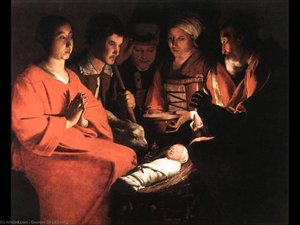
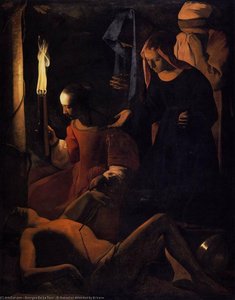
A Moment Frozen in Prayerful Light: Exploring Georges de La Tour’s “The New-born”
Georges de La Tour's "The New-born," painted circa 1640, isn’t merely a depiction of motherhood; it’s an exquisitely crafted meditation on faith and innocence rendered with the masterful manipulation of chiaroscuro—the dramatic interplay between light and dark—that defines his signature style. This painting transcends its simple subject matter to become a profound statement about spiritual devotion and human compassion, capturing a scene brimming with palpable emotion within the confines of a modestly sized canvas.The Artist's Vision: Baroque Sensibility Embodied
Born in Vic-sur-Seille in 1593, Georges de La Tour emerged from Lorraine’s artistic landscape as a disciple of Jacques Bellange and influenced by Caravaggio’s revolutionary approach to illumination. Unlike the opulent grandeur favored by many contemporaries, De La Tour eschewed ostentation, prioritizing psychological realism over theatrical spectacle. His canvases rarely boast elaborate backgrounds or flamboyant costumes; instead, they focus intently on figures—often religious subjects—illuminated by a single, diffused light source that casts deep shadows, creating an atmosphere of solemn contemplation. This deliberate choice wasn’t simply stylistic preference; it served as a powerful tool for conveying spiritual truth – the darkness represents doubt and fear, while the radiant light symbolizes divine grace and hope.Technical Mastery: Chiaroscuro—A Symphony of Light
De La Tour's technique is remarkable in its subtlety yet undeniably impactful. He achieved this ethereal glow not through conventional glazing techniques but through a painstaking process of layering thin washes of pigment – primarily earth tones – over a dark underpainting. This method, perfected by Caravaggio and adopted by De La Tour himself, allowed for an unprecedented level of tonal gradation, producing shadows that appear almost velvety and highlights that shimmer with luminescence. The artist meticulously observed the effects of candlelight on human flesh, painstakingly recreating the textures and contours of skin to heighten the realism of his figures. This dedication to detail underscores the profound seriousness of his artistic endeavor—he wasn’t striving for mere visual representation but rather for an emotional resonance that would linger long after the viewer turned away from the canvas.Historical Context: Lorraine Under Siege
“The New-born” was created during a turbulent period in Lorraine, which endured repeated invasions by Habsburg forces attempting to wrest control of its territory. This political instability undoubtedly influenced De La Tour’s artistic sensibilities, fostering a preoccupation with themes of vulnerability and resilience—qualities mirrored in the depiction of the mother figure cradling her infant child. The painting speaks to the anxieties of the time – the safeguarding of faith amidst external pressures – yet simultaneously radiates an unwavering optimism rooted in the sanctity of family life and divine providence. It’s a testament to De La Tour's ability to distill complex historical realities into emotionally resonant imagery.Symbolism: Light Versus Darkness—A Spiritual Dialogue
The central motif of “The New-born” is undeniably the light emanating from the lamp held by the woman praying, which casts its glow upon the sleeping infant. This illumination isn’t merely decorative; it symbolizes divine grace penetrating into the darkness of human experience. The shadows enveloping the figures represent doubt and fear—the tribulations faced by humanity—but they are ultimately overcome by the radiant light of faith. Furthermore, the inclusion of a bottle suggests nourishment – both physical and spiritual – reinforcing the painting's overarching message about compassion and care for those entrusted to our protection.Emotional Resonance: A Portrait of Quiet Devotion
Ultimately, “The New-born” succeeds in conveying an extraordinary depth of emotion—a palpable sense of tenderness and serenity that transcends its formal constraints. The gaze of the woman observing the baby is filled with warmth and curiosity, reflecting a profound appreciation for the miracle of life. De La Tour’s masterful use of chiaroscuro doesn't simply illuminate the scene; it invites viewers into a contemplative space where they can contemplate the beauty of faith and the sanctity of maternal love. It remains an enduring emblem of Baroque spirituality—a timeless masterpiece that continues to inspire awe and admiration centuries after its creation.Srodna umetnička dela


Biografija umetnika
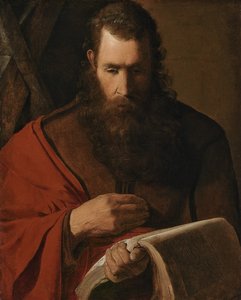
Georges de La Tour (1593–1652): French Baroque Master of Dramatic Chiaroscuro & Tenebrism
Georges de La Tour, a name that resonates with the hushed reverence reserved for masters of light and shadow, remains one of the most compelling figures of the French Baroque. Born in 1593 in Vic-sur-Seille, Lorraine—now Moselle—France, his life unfolded against a backdrop of religious fervor and political upheaval. While details surrounding his early training remain somewhat elusive—scholars speculate about potential journeys to Italy or apprenticeships with local artists like Jacques Bellange—the seeds of his artistic vision were undoubtedly sown in this environment. He wasn’t born into an artistically established family; his father was a baker, yet the circumstances of his mother's lineage hint at a possible connection to nobility, a subtle influence perhaps reflected in the dignity and quiet grace that permeate his work.
Early Life & Artistic Influences
Georges de La Tour’s educational background remains somewhat unclear, but it is assumed that he traveled either to Italy or the Netherlands early in his career. He may possibly have trained under Jacques Bellange in Nancy—the capital of Lorraine—although their styles are very different. His paintings reflect the Baroque naturalism of Caravaggio—the Italian master who revolutionized painting with his intensely realistic and emotionally charged scenes—yet this probably reached him through the Dutch *Caravaggisti* of the Utrecht School and other Northern contemporaries. Hendrick Terbrugghen, in particular, served as a significant model for La Tour’s stylistic development.
The Style of Vic-sur-Seille
La Tour's early works—primarily executed before 1630—demonstrate a distinctive style characterized by vibrant colors and dynamic compositions. These paintings reflect the influence of the Utrecht School, showcasing a heightened sense of realism and capturing the immediacy of everyday life. However, as his career progressed, he moved towards an increasingly introspective and minimalist aesthetic. He began to pare down compositions, focusing on essential forms and reducing extraneous details—creating scenes that felt both timeless and deeply personal.
Major Works & Recurring Themes
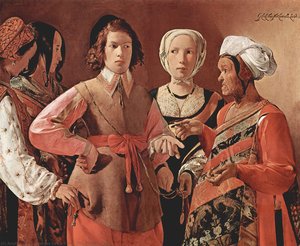
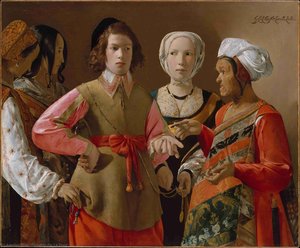
The hallmark of De La Tour's oeuvre is undoubtedly his masterful use of candlelight, which he employed not merely as a source of illumination but as a metaphor for divine grace and spiritual awakening. His paintings are often set at night, with figures bathed in the warm, flickering glow of a single candle or lamp. This creates an atmosphere of intimacy and quiet contemplation—drawing the viewer into the scene and inviting them to share in the emotional experience of the subjects. The Fortune-Teller, painted around 1630, exemplifies this early style—a lively genre scene rendered with sharp observation and dramatic lighting. But it is his later religious works that truly showcase his genius. Adoration of the Shepherds, created around 1640, demonstrates his ability to imbue a traditional subject with profound emotional resonance. The figures are not idealized or heroic; they are ordinary people—humbled by the presence of the divine. The Tears of Saint Peter, painted in the 1650s, is a particularly poignant example of his psychological insight—the apostle’s grief rendered with heartbreaking subtlety and realism. Saint Joseph Carpenter, another iconic work, depicts a serene domestic scene—highlighting De La Tour's mastery of capturing the quiet dignity of everyday life.
Legacy & Enduring Appeal
Despite achieving recognition during his lifetime—he was appointed “Painter to the King” by Louis XIII in 1638—De La Tour’s work fell into relative obscurity after his death in 1652. For centuries, many of his paintings were misattributed to other artists—and his name faded from art historical memory. It wasn't until the early 20th century that a concerted effort was made to rediscover and re-evaluate his oeuvre—led by scholars like Hermann Voss. This rediscovery revealed an artist of extraordinary originality and depth—whose work bridged the gap between Caravaggism and French Classicism. De La Tour’s innovative use of light and shadow—combined with his psychological insight into his subjects—continues to captivate audiences today. His paintings offer a glimpse into 17th-century life and spirituality—reflecting both the religious fervor and the social realities of his time. He remains celebrated for his ability to imbue everyday scenes with profound meaning and emotional depth
Жорж Де Ла Тур
1593 - 1652 , Француска
Osnovne informacije
- Artistic Movement Or Style: Baroque, Tenebrism
- Artists Who Influenced This Artist:
- Caravaggio
- Terbrugghen
- Date Of Birth: March 13, 1593
- Date Of Death: Jan. 30, 1652
- Full Name: Georges de La Tour
- Nationality: French
- Notable Artworks:
- Fortune Teller
- Adoration Shepherds
- Tears St Peter
- St Joseph Carpenter
- Place Of Birth: Vic-sur-Seille, France
Povezani članci

Simon Vouet: A Baroque Master's Journey from Italian Influence to French Classicism
Explore the life & art of Simon Vouet, a pivotal French Baroque painter who introduced Italian styles to France. Discover his masterpieces and lasting influence on 17th-century art.

Barok Majstor dela: Top 10 Umjetničkih Remeka za Vaš Dom
Otkrijte 10 remek dela koja su definisala baroknu umetnost! Karavagio, Bernini i više – istražite priče iza ovih ikoničnih slika. Inspiracija za vaš dom? Pogledajte kolekciju na ArtsDot.com!

The Dramatic Flourish: Exploring the Baroque Movement's Enduring Legacy in Art History
Explore the dramatic world of Baroque art! Discover iconic artists like Caravaggio & Rubens, defining techniques, and its lasting impact on art history. Expert insights for collectors & enthusiasts at ArtsDot.

The Visceral Stage: Exploring Dramatic Narratives & Emotional Intensity in Baroque Art
Explore the dramatic world of Baroque art! Discover iconic masters like Caravaggio & Rembrandt, their techniques, and the movement's lasting impact. Expert insights for collectors & enthusiasts at ArtsDot.
Chiaroscuro & Emotional Resonance: Exploring Dramatic Light in Western Painting
Explore the captivating world of chiaroscuro & tenebrism! Discover Caravaggio's influence, Baroque masters, and the enduring power of dramatic lighting in art history. Learn about these techniques with ArtsDot.