

 Pregledaj u prostoru
 Pošalji
 Podeli
 Detalji o delu

 Преузми
 Slični predmeti
 Rendgenski snimak
 Slajdovi
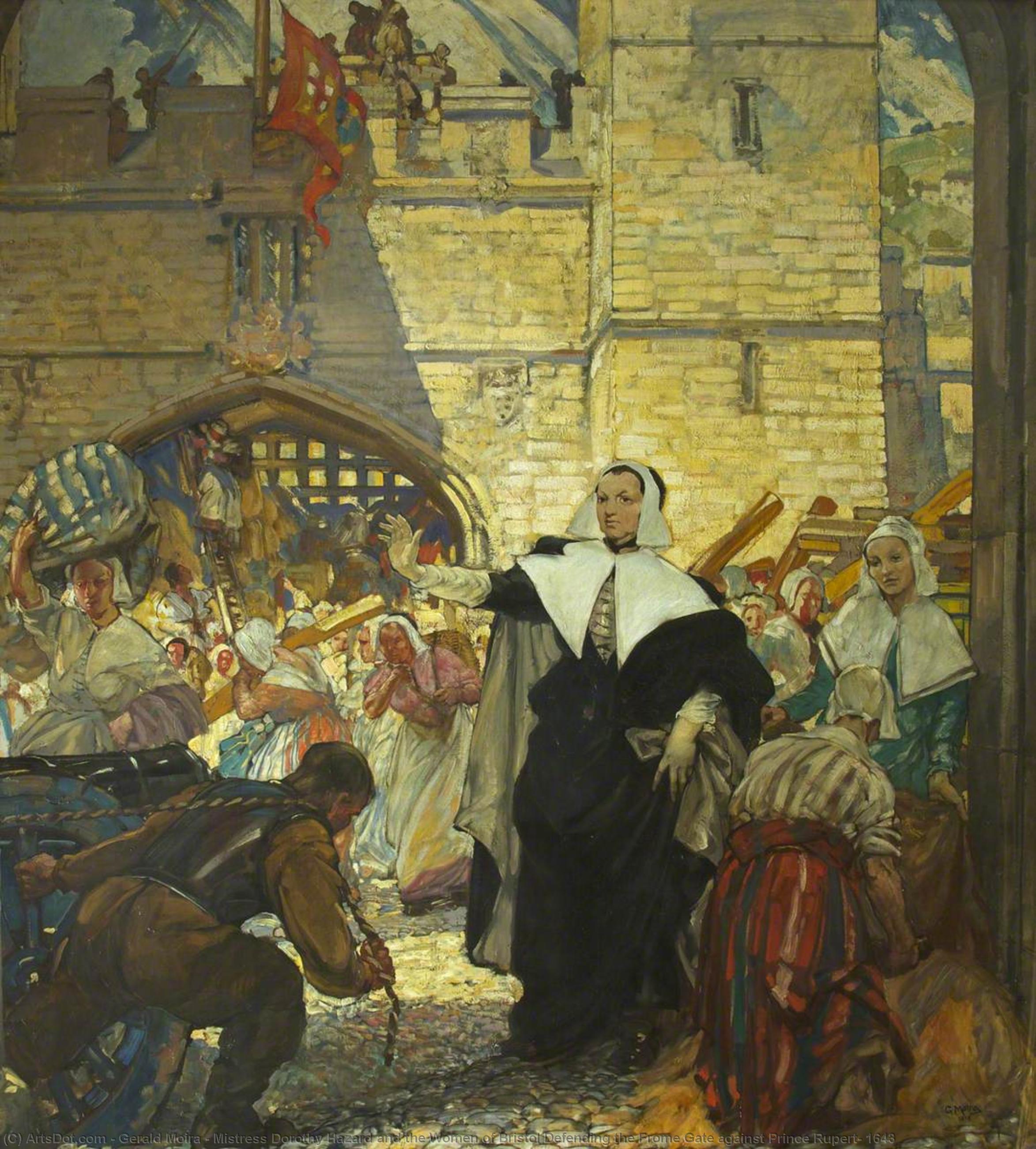
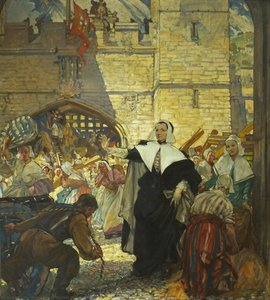
Mistress Dorothy Hazard and the Women of Bristol Defending the Frome Gate against Prince Rupert, 1643
 Oil
Oil- WallArt
- Historical Realism
 1918
1918- Early Modern
 257.0 x 231.0 cm
 Bristol Museum - Art Gallery
 Pročitaj više
Ručno rađena uljana reprodukcija
Ručno oslikano uljanim bojama na platnu u dimenzijama i okviru po vašem izboru, izrađeno po porudžbini od strane naših umetnika. ( Kupi print Kupi digitalnu sliku)




P118B $10

P118H $10

P118W $10

P438Z $10

P508JH $12

P508YH $12

P805H $10

P805Z $10

P919BZ $10

P919G $10

P919XJ $10

P959ZH $10

P968JZ $12

W106C $8

W218G $10

W218JH $8

W218Y $10

W307PJ $10

W316G $10

W316PJ $8

W316Y $10

W398PJ $8

W4111J $10

W500HY $15

W500JH $15

W692G $12

W849H $8

W940BG $15

W953PJ $8




Izaberite jednu od naših unapred definisanih veličina koje odgovaraju originalnim proporcijama umetničkog dela.

Можете унети сопствене димензије како бисте прилагодили дело одређеном оквиру или простору. Ако одабрана величина не одговара пропорцијама оригинала, слика ће бити исечена или проширена додатним елементима који се ручно насликавају. Дигитални prikaz ће вам бити послат на одобрење пре почетка производње.
Имајте на уму да преглед на екрану не одражава стварно исецање или проширење. Само приказ (mockup) ће тачно приказати коначну композицију.
Иако су доступне прилагођене величине, препоручујемо да одаберете димензију из дефинисане листе како бисте сачували оригиналне пропорције.
Nakon narudžbine, tim ArtsDot.com će klijentu putem e-pošte poslati uputstva i dostaviti prikaz predloženog rešenja
Isporuka širom sveta () za 3/4 nedelje umesto uobičajenih 5 nedelja. (2 септембар). Bez kompromisa po pitanju kvaliteta.

Besplatna ekspresna dostava širom sveta

Visokokvalitetno laneno platno

Kompletno osiguranje transporta

Garancija povraćaja carine i uvoznih dažbina

Garancija vernosti boja

Politika povrata u roku od 60 dana (samo u slučaju nedostataka)

Garancija povrata novca od 100%

Popust pri grupnoj kupovini
 Opcija sa staklom dostupna je samo za dimenzije manje od 110 cm

Mistress Dorothy Hazard and the Women of Bristol Defending the Frome Gate against Prince Rupert, 1643
Tehnika reprodukcije
Dimenzije reprodukcije
-


Konačna cena
$ 263
A Moment Frozen in Defiance
In the sweeping, dramatic canvas of Gerald Moira’s 1918 masterpiece, Mistress Dorothy Hazard and the Women of Bristol Defending the Frome Gate against Prince Rupert, 1643, history breathes through layers of oil and emotion. The painting serves as a profound window into the English Civil War, capturing not just a military skirmish, but a visceral moment of civilian courage. At the heart of this composition stands a figure of remarkable presence; her back turned to the viewer, she occupies a position of command atop a rugged pile of stones. Clad in a striking black and white dress that contrasts sharply against the smoky, chaotic atmosphere, she embodies the spirit of resistance. This central figure acts as an anchor for the eye, drawing the observer into the fray where the boundaries between soldier and civilian blur in the heat of battle.
The scene is thick with the tension of a city under siege. Around the central protagonist, the streets of Bristol become a stage for both grit and desperation. Moira masterfully populates the canvas with a diverse cast of characters—guardsmen clutching swords and muskets, and townspeople caught in the whirlwind of conflict. The presence of weapons, from the glint of steel to the heavy silhouette of firearms, underscores the lethal stakes of the defense against Prince Rupert’s forces. Through his meticulous attention to detail, Moira ensures that every face and gesture contributes to a larger narrative of communal struggle, making the viewer feel less like an observer and more like a witness to the unfolding siege.
The Artistry of Historical Grandeur
Technically, the work showcases the exceptional draftsmanship that defined Gerald Moira’s career. His training at the South Kensington Art School is evident in the structured composition and the way light interacts with the textures of fabric, stone, and metal. The painting utilizes a rich, somewhat somber palette that evokes the gravity of the 17th-century setting, yet it is punctuated by highlights that guide the viewer through the complex arrangement of figures. There is a palpable sense of movement; the way the debris of the gate lies scattered suggests a recent and violent upheaval, while the poised stance of the women suggests an impending clash.
For the discerning collector or interior designer, this piece offers more than mere decoration; it provides a profound emotional resonance. The painting’s scale—a commanding 257 x 231 cm—allows for an immersive experience that can transform a grand hall or a sophisticated study into a space of reflection and historical depth. It is a work that celebrates the themes of heroism, resilience, and the indomitable human spirit. Whether displayed as a centerpiece in a classical setting or as a bold statement in a contemporary gallery, this reproduction of Moira’s vision serves as a timeless tribute to those who stood their ground against the tides of war.
Srodna umetnička dela
Biografija umetnika
A Life Dedicated to Grand Visions: The World of Gerald Moira
Gerald Moira, born in 1867 and passing in 1959, was a British artist whose career unfolded across a period of significant artistic transition. While not a household name today, his work once graced some of the most important public spaces in Britain and beyond, embodying a unique blend of Victorian detail, Symbolist flair, and burgeoning Art Deco sensibilities. Moira wasn’t simply a painter; he was a muralist, a decorator, and a visual storyteller who dedicated his life to creating immersive environments that spoke to themes of history, mythology, and national pride. His early life remains somewhat shrouded in mystery – details are scarce beyond his birth year and eventual artistic pursuits. However, it's clear that he possessed an innate talent for draftsmanship and a fascination with elaborate ornamentation from a young age. He received formal training at the South Kensington Art School (later the Royal College of Art), where he honed his skills in figure painting, composition, and decorative techniques. This foundation would prove crucial to his later success in large-scale commissioned works.From Early Commissions to Monumental Murals
Moira’s professional journey began with smaller commissions – illustrations for books and magazines, designs for stained glass, and decorative panels for private residences. These early projects allowed him to develop a distinctive style characterized by flowing lines, rich colors, and an attention to intricate detail. However, it was his foray into mural painting that truly defined his career. He quickly gained recognition for his ability to translate complex narratives onto vast surfaces, creating visually stunning scenes that captivated audiences. One of his earliest major successes came with commissions for the Lyceum Theatre in London, working alongside renowned stage designer Val Prinsep. This experience exposed him to a world of theatrical spectacle and further refined his skills in dramatic composition and color theory. The late 19th and early 20th centuries saw a surge in public art projects, fueled by a desire to beautify cities and instill civic pride. Moira was perfectly positioned to capitalize on this trend, securing prestigious commissions for institutions such as the Manchester Town Hall, the Royal Exchange, and numerous churches and public buildings across England.A Synthesis of Styles: Influences and Artistic Development
Moira’s artistic style wasn't born in a vacuum; it was a carefully constructed synthesis of various influences. The Pre-Raphaelites, with their emphasis on detailed realism and romantic subject matter, undoubtedly played a role in shaping his early work. He also drew inspiration from the Symbolist movement, embracing its use of allegory, mythology, and dreamlike imagery. The influence of Italian Renaissance frescoes is readily apparent in his compositions, particularly in his masterful handling of perspective and figure painting. However, Moira wasn’t simply a copyist; he infused these influences with his own unique sensibility, creating a style that was both grand and intimate, ornate and dynamic. As the Art Deco movement gained momentum in the 1920s and 30s, Moira's work began to reflect its streamlined forms and geometric patterns. He seamlessly integrated elements of this new aesthetic into his murals, creating a distinctive fusion that set him apart from his contemporaries. This ability to adapt and evolve with changing artistic trends was key to his enduring success.Major Achievements and Lasting Legacy
Throughout his prolific career, Gerald Moira completed numerous significant works that stand as testaments to his skill and vision. His murals for the Manchester Town Hall are perhaps his most celebrated achievement – a series of elaborate scenes depicting historical events and allegorical figures that continue to impress visitors today. The Royal Exchange murals, though tragically destroyed during the Blitz in World War II, were also highly regarded for their dramatic power and technical brilliance. Beyond these iconic projects, Moira undertook countless commissions for churches, public buildings, and private residences, leaving a lasting mark on the architectural landscape of Britain.- His work often featured allegorical representations of industry, commerce, and civic virtue.
- Moira was known for his meticulous attention to detail and his ability to create visually stunning compositions.
- He skillfully blended various artistic styles, including Pre-Raphaelite realism, Symbolist imagery, and Art Deco aesthetics.
gerald moira
1867 - 1959
Osnovne informacije
- Artistic Movement Or Style: Victorian Art Style
- Artists Or Movements Influenced By This Artist: ['Sir Walter Parratt']
- Artists Who Influenced This Artist: ['John Varley Roberts']
- Date Of Birth: January 26, 1867
- Date Of Death: August 2, 1959
- Full Name: Gerald Edward Moira
- Nationality: English
- Notable Artworks: ['Murals']
- Place Of Birth: London, England
Povezani članci

Преображај простора: Улога мурала у редефинисању кухиња и купатила – Естетика, материјали и трендови савременог дизајна
Претворите кухињу и купатило у инспиративне просторе уз мурале! Савети стручњака, трендови, материјали и професионална изведба. Остварите савршен дизајн ентеријера уз квалитет и креативност.

Od džungolskih prizora do zlatnog geometrijskog dizajna: vodič kroz najtraženije stilove murala danas
Otkrijte najtraženije stilove murala za hotelske prostore! Vodič stručnjaka sa savetima o dizajnu, tehnikama izrade i održavanju. Kreirajte jedinstveni ambijent uz personalizovane zidne slike.
Sidrišta u Dizajnu Enterijera Hotela: Sveobuhvatni Priručnik za Kreativno Korišćenje Murala
Sveobuhvatni priručnik za kreativno korišćenje murala u hotelima! Eksperti saveti o dizajnu, materijalima i tehnikama. Transformišite prostor hotela u luksuzno utočište uz prelepa sidrišta.
Transforming Spaces: How Custom Murals Forge Brand Identity & Enhance Customer Experience
Elevate your brand & spaces with custom murals. Explore expert insights on design, artists, materials & installation. Transform environments – discover 's bespoke solutions.
Преображај улаза: Уметнички мурали као средство за трансформацију простора и обликовање идентиiteta
Претворите улаз хотела у незабораван доживљај! Савети стручњака за избор мурала, брендирање простора и локалне наративе. Квалитетна декорација уз ArtsDot.

