

 Pregledaj u prostoru
 Pošalji
 Podeli
 Detalji o delu

 Преузми
 Slični predmeti
 Rendgenski snimak
 Slajdovi
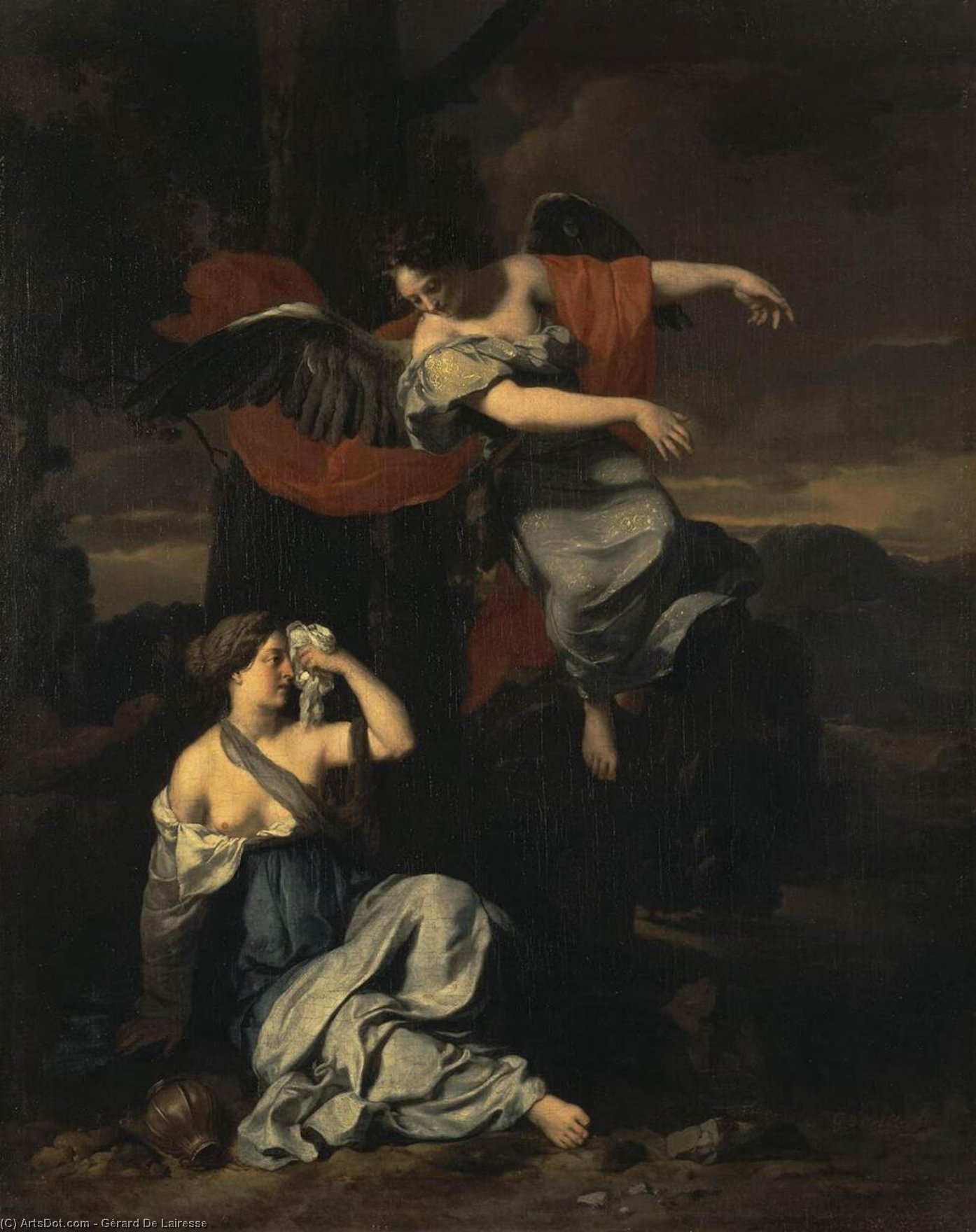
Hagar in the Desert
 Oil On Canvas
- WallArt
- Baroque
 1675
1675 74.0 x 60.0 cm
 Hermitage Museum
 Pročitaj više
Ručno rađena uljana reprodukcija
Ručno oslikano uljanim bojama na platnu u dimenzijama i okviru po vašem izboru, izrađeno po porudžbini od strane naših umetnika. ( Kupi print Kupi digitalnu sliku)




P118B $10

P118H $10

P118W $10

P438Z $10

P508JH $12

P508YH $12

P805H $10

P805Z $10

P919BZ $10

P919G $10

P919XJ $10

P959ZH $10

P968JZ $12

W106C $8

W218G $10

W218JH $8

W218Y $10

W307PJ $10

W316G $10

W316PJ $8

W316Y $10

W398PJ $8

W4111J $10

W500HY $15

W500JH $15

W692G $12

W849H $8

W940BG $15

W953PJ $8




Izaberite jednu od naših unapred definisanih veličina koje odgovaraju originalnim proporcijama umetničkog dela.

Можете унети сопствене димензије како бисте прилагодили дело одређеном оквиру или простору. Ако одабрана величина не одговара пропорцијама оригинала, слика ће бити исечена или проширена додатним елементима који се ручно насликавају. Дигитални prikaz ће вам бити послат на одобрење пре почетка производње.
Имајте на уму да преглед на екрану не одражава стварно исецање или проширење. Само приказ (mockup) ће тачно приказати коначну композицију.
Иако су доступне прилагођене величине, препоручујемо да одаберете димензију из дефинисане листе како бисте сачували оригиналне пропорције.
Nakon narudžbine, tim ArtsDot.com će klijentu putem e-pošte poslati uputstva i dostaviti prikaz predloženog rešenja
Isporuka širom sveta () za 3/4 nedelje umesto uobičajenih 5 nedelja. (20 август). Bez kompromisa po pitanju kvaliteta.

Besplatna ekspresna dostava širom sveta

Visokokvalitetno laneno platno

Kompletno osiguranje transporta

Garancija povraćaja carine i uvoznih dažbina

Garancija vernosti boja

Politika povrata u roku od 60 dana (samo u slučaju nedostataka)

Garancija povrata novca od 100%

Popust pri grupnoj kupovini
 Opcija sa staklom dostupna je samo za dimenzije manje od 110 cm

Hagar in the Desert
Tehnika reprodukcije
Dimenzije reprodukcije
-


Konačna cena
$ 288
Opis umetničkog dela
The Genesis of Despair and Divine Intervention
Gerard de Lairesse’s “Hagar in the Desert,” painted circa 1675-1680, is not merely a depiction of a biblical scene; it's a profound exploration of grief, abandonment, and ultimately, divine grace. The painting immediately commands attention with its dramatic chiaroscuro – an intense contrast between light and shadow – reminiscent of the Baroque masters like Rembrandt and Caravaggio. This masterful use of light sculpts the figures, drawing our eye to the central drama: a woman, identified as Hagar, kneeling in desolate terrain, consumed by sorrow, while an angel hovers above her, offering solace. The composition is meticulously structured around a pyramidal arrangement, leading the viewer’s gaze upwards towards the figure of the angel, symbolizing hope and redemption emerging from profound despair.
The scene unfolds within a rugged landscape dominated by dark, skeletal trees – a visual representation of Hagar's isolation and the harshness of her circumstances. The color palette is predominantly earthy browns and ochres, punctuated by the brilliant white of the angel’s wings and garments, creating a powerful visual dichotomy. De Lairesse skillfully employs impasto technique, building up thick layers of paint to create a tactile surface that emphasizes the texture of the clothing, the rough terrain, and the swirling clouds in the stormy sky. This textural richness adds depth and immediacy to the scene, inviting us to almost feel the heat of the desert sun and the chill of Hagar’s grief.
A Baroque Narrative: Symbolism and Emotional Depth
The story depicted is drawn from the Book of Genesis, where Hagar, Abraham's handmaiden, is cast out into the wilderness after a dispute with Sarah. The painting captures this pivotal moment – the raw emotion of abandonment and the desperate plea for divine intervention. Hagar’s posture—kneeling, head bowed, clutching a vessel (often interpreted as water or wine symbolizing mourning)—is utterly heartbreaking. Her expression is one of profound sorrow, etched onto her face with meticulous detail by de Lairesse. The angel, rendered in radiant white, embodies compassion and offers a gesture of outstretched wings, suggesting protection and the promise of salvation.
Beyond the literal narrative, “Hagar in the Desert” resonates with broader themes of vulnerability, resilience, and the search for meaning in adversity. The desert itself serves as a potent symbol of isolation and hardship, while the angel represents divine intervention – a beacon of hope amidst overwhelming despair. De Lairesse’s masterful use of light and shadow further amplifies this symbolic weight, suggesting that even in the darkest moments, there is always the possibility of grace and redemption.
The Artist's Hand: Technique and Historical Context
Gerard de Lairesse was a leading figure in the Belgian Baroque art scene during the 17th century. Born in Liège in 1640, he trained under Erasmus II Massius and was deeply influenced by the works of Rembrandt and Caravaggio. His style is characterized by dramatic compositions, dynamic movement, and an intense focus on emotional expression – hallmarks of the Baroque period. “Hagar in the Desert” exemplifies these qualities perfectly, showcasing de Lairesse’s technical skill and his ability to convey profound emotion through visual means.
The painting was created during a time of significant artistic innovation and experimentation in Europe. The rise of Caravaggism – characterized by dramatic lighting, tenebrism, and realistic depictions of human figures – had a profound impact on artists across the continent. De Lairesse embraced these innovations, incorporating them into his own distinctive style. Furthermore, the painting reflects the growing interest in religious themes during the Baroque era, as evidenced by the prevalence of biblical subjects in art at the time.
A Legacy of Emotion: Reproduction and Artistic Impact
“Hagar in the Desert” remains a powerful and evocative work of art, captivating viewers with its dramatic intensity and profound emotional depth. Reproductions offer an accessible way to experience the beauty and artistry of this masterpiece, bringing its story and symbolism into contemporary homes and spaces. The painting’s enduring appeal lies in its universal themes – grief, hope, and the search for solace – which continue to resonate with audiences today. It stands as a testament to de Lairesse's skill and his ability to capture the complexities of human experience within the framework of Baroque art.
Srodna umetnička dela
Biografija umetnika
Gérard de Lairesse: Istinska figura belgijskog baroka
Gérard de Lairesse (1640–1711) bio je istinski svetionik belgijske umetnosti, umetnik čiji je doprinos razvoju i procvatu barokne umetnosti tokom 17. veka ostavio neizbrisiv trag. Rođen u Liègeu, u Belgiji, njegov rad obuhvata period značajnih umetničkih transformacija širom Evrope, ostavljajući za sobom nasleđe prepoznatljivo po dramatičnim kompozicijama, majstorskom igri svetlosti i senke, kao i dubokom uticaju na generacije umetnika koji su sledili njegov trag.
Rani život i temelj umetničkog puta
Umetnička putovanja de Lairessea počela su u rodnom Liègeu 1640. godine, gde je pod vođstvom cenjenog regionalnog slikara, Erasmusa II Massiusa, stekao svoje prve veštine. Ovo rano učenje pružilo mu je neophodnu tehničku osnovu i prvi susret sa svetom umetnosti koji će kasnije postati njegovo carstvo. Njegov stil bio je duboko prožet duhom dva giganta evropskog slikarstva – Caravaggia i Rembrandta. Dramatična upotreba svetlosti i tame, poznata kao tenebrizam, koju je uveo Caravaggio, u kombinaciji sa psihološkom dubinom i majstorskim rukovanjem svetlošću karakterističnim za Rembrandta, suštinski su oblikovali njegov umetnički izraz i tehniku.
Umetnički stil i ključni doprinosi: Definisanje barokne vizije
Dela de Lairessea predstavljaju najčistije primere barokne umetnosti, prepoznatljiva po dinamičnim kompozicijama, intenzivnoj emocionalnosti i dramatičnom korišćenju kjaroskura (chiaroscuro). On je sa izuzetnom veštinom koristio kontrast svetla i tame kako bi svojim delima podario osećaj volumena, dubine i pojačane drame, što je bio srž barokne estetike. Njegova najslavnija remek-dela, poput "Mučeništva Svetog Sebastijana" i "Krštenja Hristovog", svedoče o njegovom izvanrednom vladanju bojom, formom i kompozicijom, sposobnosti da snažne narative prenese uz vrhunsku emocionalnu intenzitetnost. Iako je najpoznatiji po religioznim scenama, de Lairesse je istraživao i mitološke teme, portrete i pejzaže, pokazujući neverovatnu svestranost kroz dela kao što su "Apolon i Aurora", "Dijana i Endimion" i "Alegoija pet čula".
Uticaji i nasleđe: Oblikovanje umetničkih trendova
Umetnički identitet de Lairessea bio je rezultat složenog mreže uticaja, od kojih su posebno značajni bili Utrecht Caravaggisti – grupa holandskih slikara koji su usvojili dramatične tehnike osvetljenja. Takođe, duh flamanskog baroka, personifikovan kroz umeće Petera Paula Rubensa, odjekivao je u njegovim radovima, iako je de Lairesse razvio sopstvene, jedinstvene karakteristike. Njegove inovacije i tehnike uticali su na kasnije umetnike poput Jana van Huchtenburgha, čime je pokazano kako njegovi doprinosi stvaraju talas koji se širi kroz istoriju. Njegov uticaj nije bio ograničen samo na slikarstvo; bio je priznat i u portretnoj umetnosti i u saradnji sa graverima poput Gerarda Valcka, koji su kreirali printove zasnovane na njegovim dizajnu.
Istorijski značaj i priznanje
Gérard de Lairesse zauzima značajno mesto u istoriji belgijske umetnosti kao ključna figura u razvoju baroknog slikarstva u ovom regionu. Njegovo vešto korišćenje kjaroskura, dramatične kompozicije i emotivni narativi učinili su ga jednim od najznačajnijih umetnika svog vremena. Danas se njegova dela prepoznaju po svojoj umetničkoj vrednosti i istorijskom značaju, a njihovi primerci čuvaju se u prestižnim kolekcijama, uključujući Nacionalnu galeriju u Londonu. ArtsDot.com nudi visokokvalitetne reprodukcije de Lairessovih remek-dela, omogućavajući ljubiteljima umetnosti da izbliza istraže njegov neprocenjiv doprinos baroknoj umetnosti.
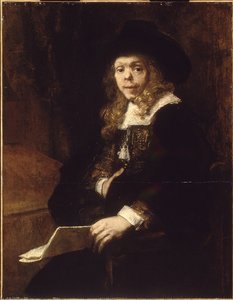
Žerar De Leres
1640 - 1711 , Belgija
Osnovne informacije
- Artistic Movement Or Style: Barokna umetnost
- Artists Or Movements Influenced By This Artist: ['Jan van Huchtenburgh']
- Artists Who Influenced This Artist:
- Karavadžo
- Rembrant
- Peter Paul Rubens
- Date Of Birth: 1640
- Date Of Death: 1711
- Full Name: Gérard de Lairesse
- Nationality: Belgijanci
- Notable Artworks:
- Mučenictwo Svetog Sebastijana
- Krštenje Hristovo
- Apolon i Aurora
- Dijana i Endimion
- Alegoija pet čula
- Place Of Birth: Liž, Belgija
Povezani članci

Demandes Commerciales
APS ofrece reproducciones de bellas artes y encargos personalizados desde 2004. Confían en nosotros corporaciones, hoteles y coleccionistas selectos para obras de arte de calidad museística, servicio discreto y soluciones artísticas completas. ¡Póngase en contacto con nosotros para obtener un presupuesto personalizado!

Francisco Goya: 25 Remek-dela Španskog Majstora za Vaš Dom | ArtsDot
Istražite 25 remek-dela Francisca Goya, španskog slikara romantizma i impresionizma. Portreti, tamne slike & istorija umetnosti na ArtsDot.com! Kupite reprodukcije slika vrhunskog kvaliteta za dekoraciju enterijera. Otkrijte celu kolekciju online.
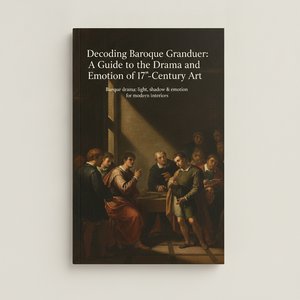
Decoding Baroque Grandeur: A Guide to the Drama and Emotion of 17th-Century Art
Explore the breathtaking drama of 17th-century Baroque art. Our expert guide decodes the use of chiaroscuro, emotional intensity, and historical grandeur to help you appreciate and curate timeless masterpieces for your collection.

A riguardo di noi
Découvrez notre histoire ! Nous apportons l'art de classe mondiale dans votre vie grâce à une sélection experte, des créations personnalisées et des aperçus gratuits. Approuvé par les particuliers et les entreprises depuis 2000.

Barok Majstor dela: Top 10 Umjetničkih Remeka za Vaš Dom
Otkrijte 10 remek dela koja su definisala baroknu umetnost! Karavagio, Bernini i više – istražite priče iza ovih ikoničnih slika. Inspiracija za vaš dom? Pogledajte kolekciju na ArtsDot.com!

