

 Pregledaj u prostoru
 Pošalji
 Podeli
 Detalji o delu

 Преузми
 Slični predmeti
 Rendgenski snimak
 Slajdovi
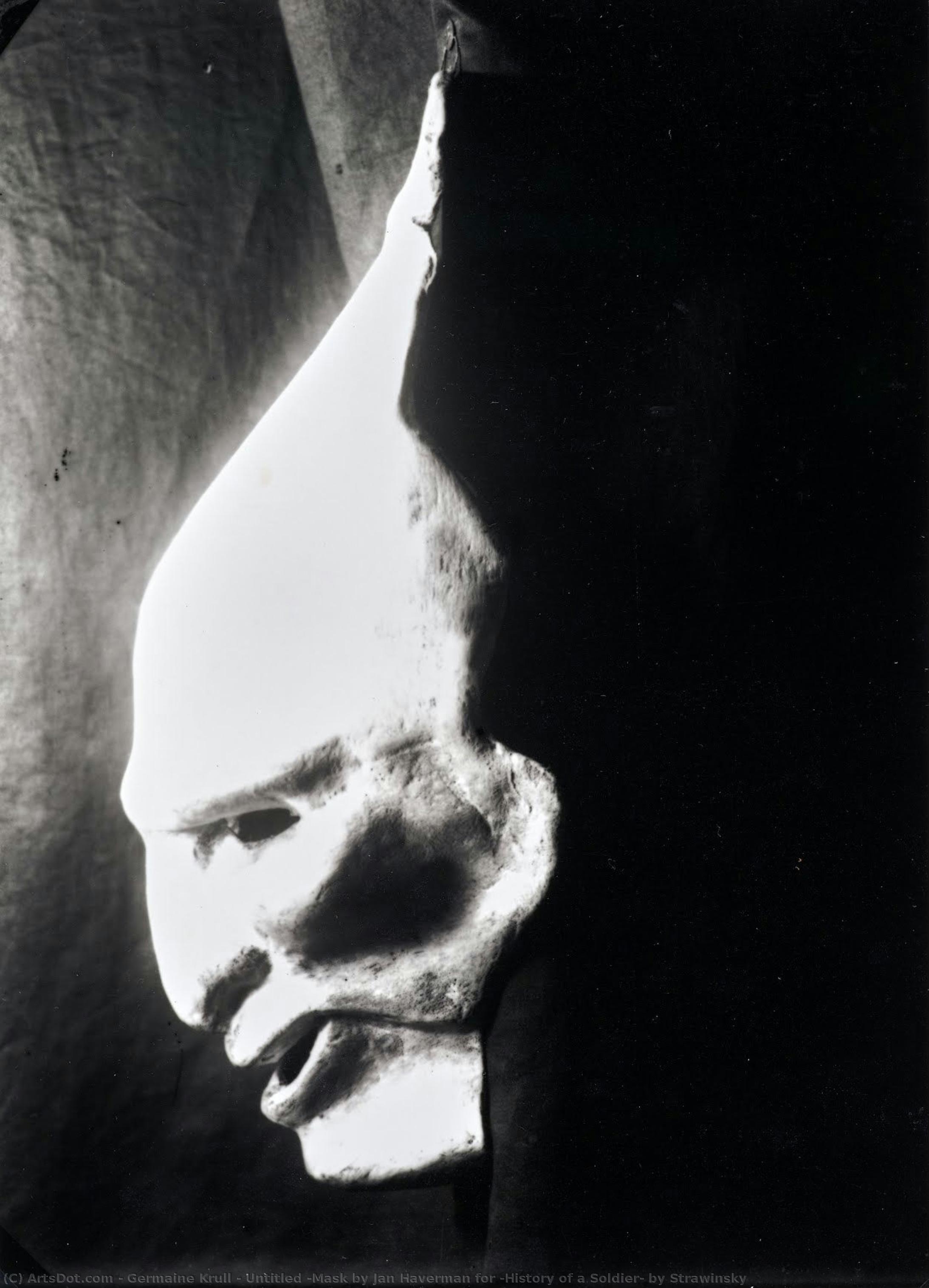
Untitled (Mask by Jan Haverman for ›History of a Soldier‹ by Strawinsky


 Pročitaj više
Ručno rađena uljana reprodukcija
Ručno oslikano uljanim bojama na platnu u dimenzijama i okviru po vašem izboru, izrađeno po porudžbini od strane naših umetnika. ( Kupi print Kupi digitalnu sliku)




P118B $10

P118H $10

P118W $10

P438Z $10

P508JH $12

P508YH $12

P805H $10

P805Z $10

P919BZ $10

P919G $10

P919XJ $10

P959ZH $10

P968JZ $12

W106C $8

W218G $10

W218JH $8

W218Y $10

W307PJ $10

W316G $10

W316PJ $8

W316Y $10

W398PJ $8

W4111J $10

W500HY $15

W500JH $15

W692G $12

W849H $8

W940BG $15

W953PJ $8




Izaberite jednu od naših unapred definisanih veličina koje odgovaraju originalnim proporcijama umetničkog dela.

Можете унети сопствене димензије како бисте прилагодили дело одређеном оквиру или простору. Ако одабрана величина не одговара пропорцијама оригинала, слика ће бити исечена или проширена додатним елементима који се ручно насликавају. Дигитални prikaz ће вам бити послат на одобрење пре почетка производње.
Имајте на уму да преглед на екрану не одражава стварно исецање или проширење. Само приказ (mockup) ће тачно приказати коначну композицију.
Иако су доступне прилагођене величине, препоручујемо да одаберете димензију из дефинисане листе како бисте сачували оригиналне пропорције.
Nakon narudžbine, tim ArtsDot.com će klijentu putem e-pošte poslati uputstva i dostaviti prikaz predloženog rešenja
Isporuka širom sveta () za 3/4 nedelje umesto uobičajenih 5 nedelja. (27 август). Bez kompromisa po pitanju kvaliteta.

Besplatna ekspresna dostava širom sveta

Visokokvalitetno laneno platno

Kompletno osiguranje transporta

Garancija povraćaja carine i uvoznih dažbina

Garancija vernosti boja

Politika povrata u roku od 60 dana (samo u slučaju nedostataka)

Garancija povrata novca od 100%

Popust pri grupnoj kupovini
 Opcija sa staklom dostupna je samo za dimenzije manje od 110 cm

Untitled (Mask by Jan Haverman for ›History of a Soldier‹ by Strawinsky
Tehnika reprodukcije
Dimenzije reprodukcije
-


Konačna cena
$ 263
Germaine Krull’s “Untitled (Mask by Jan Haverman for ›History of a Soldier‹ by Strawinsky”: A Study in Stark Minimalism
The photograph presents a meticulously crafted black and white image depicting a painting titled ‘History of a Soldier’ by Strawinsky. It immediately commands attention with its dramatic interplay of light and shadow, establishing an unsettling yet undeniably captivating visual atmosphere—a hallmark of New Objectivity (Neue Sachlichkeit). The composition centers around a stylized mask, dominating the frame and embodying a profound exploration of identity and confrontation.- Overall Impression: The photograph’s stark grayscale palette amplifies its impact, conveying an aura of solemn contemplation. The central mask is positioned symmetrically, emphasizing its height and creating a sense of deliberate balance. Subtle reflections on the surface beneath contribute to depth and intrigue.
- Composition: Geometric precision governs the arrangement; the vertical orientation underscores the mask’s stature while the background space isolates it, intensifying its presence. Two blurred figures in the periphery serve as contextual anchors without distracting from the primary subject matter.
- Color Palette: Absence of color reinforces the painting's austere aesthetic and directs focus to textural nuances—the smooth surface of the mask contrasted with the subtle sheen of the reflective substrate.
Formal Analysis: Lines, Shapes, and Texture
The photograph’s visual language is defined by assertive lines delineating the mask's contours – precise depictions of its nose, mouth, and eye sockets. These lines contribute to a stylized geometric form, reflecting the influence of Bauhaus principles prevalent during Krull’s time. The mask itself possesses an elongated conical shape, mirroring architectural forms characteristic of New Objectivity. Smaller shapes representing facial features—circular eyes, a rectangular mouth, and a triangular nose—are incorporated within the mask's structure, furthering its conceptual complexity. Texture is captured through careful framing; the mask appears smooth, while the reflection introduces a delicate textural element.Historical Context & Artistic Style
Krull’s work aligns seamlessly with New Objectivity, an artistic movement born in Germany during the Weimar Republic (1918–1933). Rejecting Expressionist sentimentality and embracing rationalism, Neue Sachlichkeit sought to depict reality without embellishment—a deliberate antithesis to Romantic idealism. Strawinsky's musical composition, “History of a Soldier,” similarly reflects this ethos: it eschews melodrama for austere instrumentation and repetitive motifs, mirroring Krull’s photographic approach. The photograph’s stylistic choices – shallow depth of field, directional lighting – are techniques honed by photographers like Moholy-Nagy and Rodchenko, pioneers of modernist visual language.Symbolic Resonance & Emotional Impact
The mask's distorted form evokes feelings of alienation and unease—a deliberate provocation designed to challenge conventional notions of representation. Its monochrome presentation underscores the painting’s emotional core: a confrontation with vulnerability and introspection. The blurred figures in the background serve as silent observers, prompting contemplation on themes of perception and scrutiny. Ultimately, Krull's “Untitled (Mask by Jan Haverman for ›History of a Soldier‹ by Strawinsky” transcends mere visual depiction; it embodies a profound meditation on identity and artistic expression—a testament to New Objectivity’s enduring legacy.Srodna umetnička dela
Biografija umetnika
A Life Unbound: The Revolutionary Vision of Germaine Krull
Germaine Luise Krull, born in 1897 in Posen-Wilda (now Poznań, Poland), was a figure who defied easy categorization. Photographer, political activist, hotelier—her life was a restless exploration of boundaries, both artistic and societal. To label her simply as a photographer feels inadequate; she was an embodiment of the avant-garde spirit, a woman determined to forge her own path in a world resistant to such independence. Her early years were marked by constant movement across Europe, a nomadic upbringing that fostered a rejection of convention and a thirst for experience. Formal education was replaced by homeschooling at the hands of her father, a free-thinking engineer whose unconventional views instilled in Krull a sense of social justice and a willingness to challenge established norms. Even as a child, she transgressed gender expectations, often dressed as a boy—a subtle rebellion that foreshadowed her later defiance of societal constraints.From Munich Studios to Bolshevik Prisons
Krull’s artistic journey began in the vibrant atmosphere of post-World War I Munich. She enrolled at the Lehr- und Versuchsanstalt für Photographie, where she encountered the principles of pictorialism, though it was a style she would ultimately move beyond. Opening her own studio around 1918, she quickly established connections with prominent figures like Rainer Maria Rilke and Max Horkheimer, capturing their portraits and immersing herself in intellectual circles. However, Krull’s burgeoning career soon intersected with her political convictions. Drawn to socialist ideals, she became involved with the Communist Party of Germany, a commitment that led to arrest and imprisonment for aiding a Bolshevik emissary's escape attempt. Expelled from Bavaria in 1920, she embarked on a tumultuous journey to Russia with her lover, Samuel Levit. This period proved short-lived; abandoned by Levit in 1921, Krull found herself imprisoned as an “anti-Bolshevik” and subsequently expelled from the country—a stark illustration of the precariousness of political engagement during that era. Her time in Berlin between 1922 and 1925 saw a resumption of her photographic work, including striking nude studies that, while praised for their technical skill, also sparked debate regarding their provocative nature.Parisian Avant-Garde and the Power of *Métal*
The mid-1920s marked a pivotal shift in Krull’s career with her move to Paris. Here, she found herself at the heart of the avant-garde movement, forging friendships with artists like Sonia and Robert Delaunay, André Malraux, and Jean Cocteau. This period was characterized by experimentation and a growing mastery of photographic techniques. Her commercial work flourished—fashion photography, portraits, nudes—but it was her personal projects that truly defined her artistic vision. In 1928, she published *Métal*, a portfolio that would become her most celebrated achievement. This groundbreaking work focused on the industrial landscape, capturing the raw power and dynamism of factories, machines, and urban infrastructure. It wasn’t merely documentation; Krull imbued these images with a sense of energy and even sensuality, transforming the mundane into something monumental. *Métal* is often credited with establishing photographic modernism in France, showcasing a new way of seeing the world—a world increasingly shaped by technology and industrialization.A Life Beyond the Lens: Activism, Travel, and Legacy
Krull’s restless spirit continued to drive her throughout her life. Her marriage to Joris Ivens, though largely a pragmatic arrangement for passport purposes, allowed her greater freedom of movement. She traveled extensively—Brazil, Republic of the Congo, Thailand, India—documenting diverse cultures and landscapes. While these travels broadened her perspective, they also reveal a colonialist gaze that has been subject to critical scrutiny in recent years. She continued to embrace political causes, often using her photography as a tool for social commentary. Later in life, she transitioned into hotel management, establishing establishments in various locations. Germaine Krull died in 1985, leaving behind a complex and multifaceted legacy. She was a pioneer of photomontage, dynamic composition, and bold cropping—techniques that profoundly influenced the development of modern photography and photojournalism. Her work challenged conventional notions of beauty, gender roles, and political engagement, paving the way for future generations of female photographers to explore their own artistic visions without constraint. Her life serves as a powerful reminder that true artistry often lies in embracing risk, challenging boundaries, and refusing to be defined by societal expectations.Major Achievements & Historical Significance
- Pioneering use of photomontage and dynamic angles in photography.
- Publication of *Métal* (1928), a seminal work that established photographic modernism in France.
- Bold exploration of industrial landscapes and urban environments.
- Active political engagement and use of photography as a tool for social commentary.
- Breaking gender barriers within the male-dominated field of professional photography.
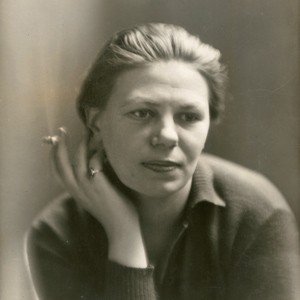
germaine krull
1897 - 1985
Osnovne informacije
- Artistic Movement Or Style: Avant-garde photography
- Artists Who Influenced This Artist: ['Frank Eugene']
- Date Of Birth: November 29, 1897
- Date Of Death: July 31, 1985
- Full Name: Germaine Luise Krull
- Nationality: German, French, Dutch
- Notable Artworks: ['Métal']
- Place Of Birth: Poznań, Poland
Povezani članci

Monochrome Visions: Exploring the Aesthetic & Historical Significance of Black & White Photography
Explore the rich history & artistic power of black and white photography. From early techniques to iconic masters like Ansel Adams, discover why monochrome continues to captivate art lovers today. Expert insights for collectors.

White on Canvas: 10 Masterpieces & Timeless Elegance for Your Home Decor
Explore 10 iconic white paintings by Monet, Whistler & Rothko! Discover the stories behind these serene masterpieces and their impact on art history. Find museum-quality reproductions for your home decor at .
Beyond the Lens: Photography's Enduring Influence on Modern & Contemporary Art
Explore photography's pivotal role in shaping modern & contemporary art. Discover key movements, influential artists like Stieglitz, and expert collecting advice from ArtsDot.
Timeless & Chic: Elevating Your New Home with the Sophistication of Black and White Photography
Transform your new home with the timeless allure of black and white photography. ArtsDot.com specializes in elegant monochrome decor and custom hand-painted wedding portraits that turn cherished milestones into lasting, soulful masterpieces. Elevate your space with ease.

Dark Masterpieces: 10 Iconic Paintings Dominated by Black Tones |
Explore 10 iconic paintings dominated by black tones, from Rembrandt’s chiaroscuro to Goya's dark expressions. Discover the stories behind these masterpieces & find museum-quality art reproductions for your home at .

