

 Pregledaj u prostoru
 Pošalji
 Podeli
 Detalji o delu

 Преузми
 Slični predmeti
 Rendgenski snimak
 Slajdovi
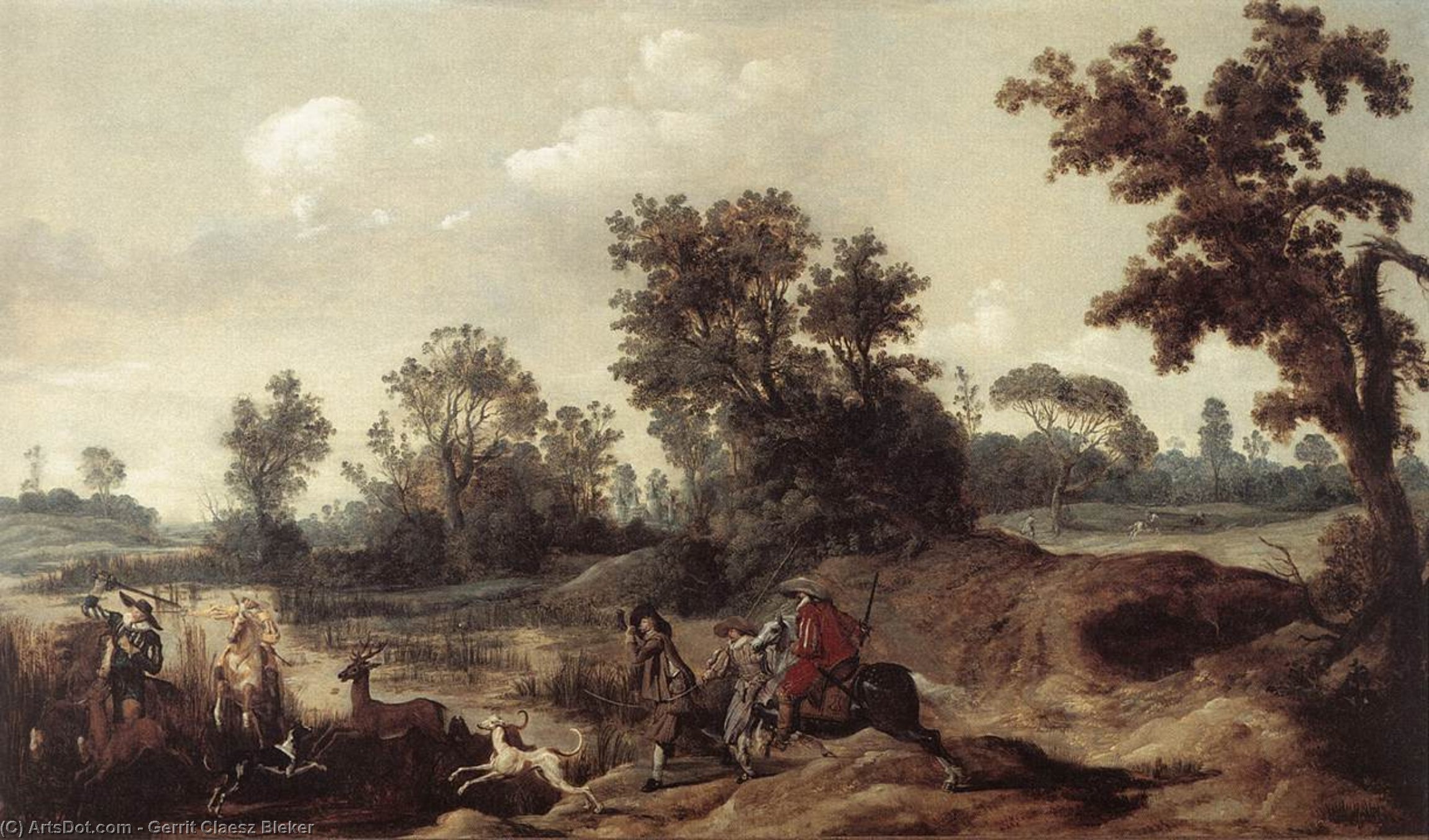
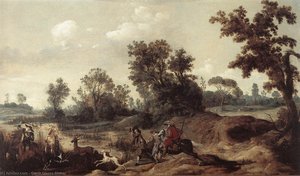
Stag Hunting in the Dunes
 Oil On Panel
- Baroque
 1625
1625- Early Modern
 78.0 x 136.0 cm
 Frans Halsmuseum
 Pročitaj više
Kupite digitalnu sliku visoke rezolucije i poboljšanog kvaliteta, koja je znatno superiornija od onoga što vidite u online prikazu.
Svaka datoteka je pedantno pripremljena od strane naših stručnjaka koristeći napredne alate i profesionalnu ručnu retušu. Osiguravamo da svaka slika ima izuzetnu oštrinu, preciznu reprodukciju boja i fine detalje.
Konačna datoteka se dostavlja putem e-pošte u roku od 72 sata, optimizovana za neposrednu upotrebu u profesionalnim, izdavačkim i štamparskim okruženjima. To je isti kvalitet kojem veruju vrhunski studiji dizajna, izdavači i galerije.
Digitalna slika
Preuzmite datoteku visoke rezolucije za ličnu upotrebu, štampanje i kreativne projekte. ( Kupi print Kupi ručno naslikanu sliku)
Uključeno uz svaku porudžbinu digitalne slike
Profesionalna digitalna isporuka, zagarantovana
Kada odaberete ArtsDot.com, ne dobijate samo sliku – vi primate profesionalno unapređeno digitalno umetničko delo, izrađeno sa najvećom preciznošću i uz garanciju zadovoljstva. Evo svega što automatski dolazi uz vašu porudžbinu:

Brza dostava putem e-pošte
Vaša digitalna slika visoke rezolucije biće vam poslata putem e-pošte u roku od 72 sata od poručivanja – spremna za trenutnu upotrebu.

Digitalna datoteka unapređena veštačkom inteligencijom
Vaše umetničko delo je profesionalno optimizovano korišćenjem naprednih AI alata i ručne obrade, čime se osiguravaju maksimalni detalji, oštrina i preciznost boja.

Besplatna ponovna isporuka doživotno
Slučajno ste obrisali ili izgubili svoju datoteku? Ne brinite – poslaćemo vam je ponovo u bilo kom trenutku, potpuno besplatno.

Bez troškova uvoza – zauvek
Uživajte u svojim umetničkim delima trenutno, bez carine, dažbina ili troškova dostave – digitalni download je uvek bez poreza.

Garancija vernosti boja
Uz pomoć profesionalnih alata i upravljanja bojama, osiguravamo da vaša digitalna slika što vernije odražava originalne boje.

Garancija zadovoljstva u roku od 60 dana
Ako niste zadovoljni svojom digitalnom slikom, revidirat ćemo je ili vratiti 100% novca u roku od 60 dana – bez ikakvih pitanja.

100% garancija povrata novca
Niste zadovoljni? Obezbedite pun povrat novca u roku od 60 dana od trenutka kada ste primili svoju digitalnu datoteku – bez suvišnih pitanja.

Popusti na velike porudžbine
Kupite 3 slike, uštedite 10% - Kupite 5 slika, uštedite 15% - Kupite 10+ slika, uštedite 20%. Odlično za kreativne projekte, galerije i agencije.
A Dramatic Pursuit in the Dutch Golden Age
In the heart of the seventeenth century, the Dutch Golden Age breathed life into canvases that captured the very essence of vitality and terrestrial splendor. Gerrit Claesz Bleker’s Stag Hunting in the Dunes, painted in 1625, stands as a breathtaking testament to this era of unparalleled artistic mastery. The scene unfolds with an immediate sense of kinetic energy, transporting the viewer directly into the midst of a high-stakes chase across the undulating sandy terrain. As we gaze upon this oil on panel masterpiece, we are not merely observers of a hunt; we are participants in a choreographed dance of movement and tension, where the heavy breathing of horses and the focused determination of hunters seem to vibrate through the very grain of the wood.
Bleker, a native of Haarlem, possessed a singular ability to marry the ruggedness of nature with the refined drama of the Baroque style. In this particular work, he utilizes chiaroscroll—the dramatic interplay of light and shadow—to sculpt the figures within the landscape. The sunlight breaks across the dunes, illuminating the taut muscles of the horses and the textured fabrics of the hunters' traditional attire, while deep, velvety shadows pool in the hollows of the landscape, creating a profound sense of three-dimensional depth. This technique does more than provide realism; it heightens the emotional stakes, casting a spotlight on the intensity of the pursuit and the raw, unbridled spirit of the wild.
Mastery of Technique and Naturalistic Detail
The brilliance of Bleker’s execution lies in his meticulous attention to the minute details that define the natural world. Every element, from the subtle gradations of the sandy dunes to the delicate, fluffy white clouds drifting across a pale blue sky, is rendered with an exacting precision that speaks to his disciplined training. The artist’s palette is masterfully muted, favoring earthy tones and soft greens that ground the composition in a convincing realism. This restraint allows the more vibrant accents—the glint of a hunter's gear or the sudden movement of a stag—to resonate with greater impact.
For the discerning collector or interior designer, this painting offers a sophisticated balance of action and tranquility. The background, filled with lush trees and dense bushes, provides a serene counterpoint to the foreground's frantic energy, making the piece versatile enough to anchor a grand gallery wall or serve as a focal point in a classically styled study. To own a high-quality reproduction of this work is to invite the historical prestige of the Frans Halsmuseum into one's private space, bringing with it the enduring legacy of the Dutch Masters.
An Enduring Legacy for the Modern Collector
Beyond its technical prowess, Stag Hunting in the Dunes serves as a window into the social and cultural fabric of the 1600s. Hunting was not merely a sport but a symbol of status, bravery, and the human relationship with the untamed wilderness. Bleker captures this complex intersection of man and nature with an emotional resonance that transcends centuries. The painting evokes a sense of nostalgia for a lost era of adventure, making it an evocative choice for those looking to add narrative depth and historical soul to their decor.
Whether you are drawn to the rhythmic movement of the horses or the atmospheric beauty of the Dutch landscape, this work remains a profound inspiration. It stands as a reminder that great art does not just depict a moment in time; it captures the very pulse of life itself. Through careful reproduction, the spirit of Gerrit Claesz Bleker continues to illuminate modern interiors, offering a timeless connection to the golden era of European painting.
Srodna umetnička dela
Biografija umetnika
The Serene Vision of Gerrit Claesz Bleker
In the vibrant tapestry of the Dutch Golden Age, where the light of a new republic shimmered across canal-side houses and fertile plains, Gerrit Claesz Bleker carved out a space of profound tranquility. Born in the historic city of Haarlem around 1592, Bleker emerged from an era defined by both intense maritime struggle and unprecedented artistic flourishing. While history often reserves its loudest praises for the dramatic shadows of Rembrandt, Bleker offered a different kind of mastery—one rooted in the quiet observation of the natural world and the subtle, atmospheric nuances of the Dutch landscape.
Bleker’s artistic journey was deeply anchored in the traditions of his home city. Under the guidance of Nicolaes Moeyaert, he began to refine a technique that favored clarity and meticulous detail over theatrical bravado. His style was profoundly shaped by the influence of masters such as Jacob van Ruysdael, whose ability to capture the vastness of the sky and the textured reality of the earth provided a blueprint for Bleker’s own vision. This connection to the Ruysdael tradition allowed Bleker to move beyond mere topography, infusing his landscapes with a sense of poetic stillness that invited viewers to linger within the dunes, forests, and pastoral vistas he so lovingly rendered.
A Mastery of Landscape and Allegory
The breadth of Bleker’s oeuvre reveals an artist capable of navigating between the earthly and the divine. His compositions often functioned as windows into a balanced world, where the rugged beauty of the Dutch countryside met the structured narratives of biblical and classical themes. In his landscapes, one might encounter the rhythmic movement of windmills or the undulating textures of coastal dunes, yet these scenes were frequently populated by figures engaged in the timeless rhythms of daily life—hunting parties, travelers, and laborers who lent a human pulse to the scenery.
<- Stag Hunting in the Dunes: A breathtaking display of kinetic energy from 1625, where the artist captures the breathless pursuit of prey across a sandy terrain, demonstrating his ability to inject life into the landscape.
- The Baptism of the Eunuch: An evocative religious scene that showcases his skill in blending historical narrative with atmospheric depth, imbuing the moment with spiritual weight.
- Cavalry Battle Scene: A rare foray into the more turbulent side of the Baroque, where Bleker utilizes dynamic composition and rich color to depict the chaos of conflict.
- Adoration of the Magi: A testament to his ability to handle complex, multi-figure compositions with a sense of reverence and classical grace.
Beyond the purely naturalistic, Bleker was a skilled practitioner of historical allegory. He possessed the rare ability to weave symbolic richness into his canvases, using light and shadow not just for visibility, but to suggest deeper moral or spiritual truths. Whether through an engraving like The Raising of Lazarus or a meticulously painted panel, his work served as a bridge between the tangible reality of the Netherlands and the eternal themes of human existence.
Legacy and the Haarlem Tradition
Bleker’s significance extends far beyond his individual canvases; he was a vital pillar of the Haarlem Guild of St. Luke, joining its ranks before 1643. His professional standing was not merely a matter of personal achievement but a role of stewardship for the next generation of Dutch talent. As a mentor, he passed on the secrets of light and composition to rising artists such as Dirck Bleker, Pieter Adelaar, and David Decker, ensuring that the meticulous traditions of Haarlem would endure through the late seventeenth century.
Though his name may not resonate with the same thunderous fame as the titans of the Baroque, the enduring appeal of Gerrit Claesz Bleker lies in his ability to capture the soul of a landscape. His work remains a vital record of a period when the Dutch landscape was being reimagined as a site of both national pride and spiritual reflection. To look upon a Bleker landscape is to experience a moment of pause—a chance to breathe in the cool air of the dunes and witness the quiet, enduring beauty of a world captured in perfect, golden light.
gerrit claesz bleker
1593 - 1656 , Netherlands
Kratke činjenice
- Artistic Movement Or Style: Dutch Golden Age
- Artists Who Influenced This Artist:
- Jacob van Ruysdael
- Nicolaes Moeyaert
- Date Of Birth: 1592
- Full Name: gerrit claesz bleker
- Nationality: Dutch
- Notable Artworks:
- Stag Hunting in the Dunes
- Philip baptizes the Moor
- The Raising of Lazarus
- Place Of Birth: Haarlem, Netherlands

