 Pregledaj u prostoru
 Pošalji
 Podeli
 Detalji o delu

 Преузми
 Slični predmeti
 Rendgenski snimak
 Slajdovi
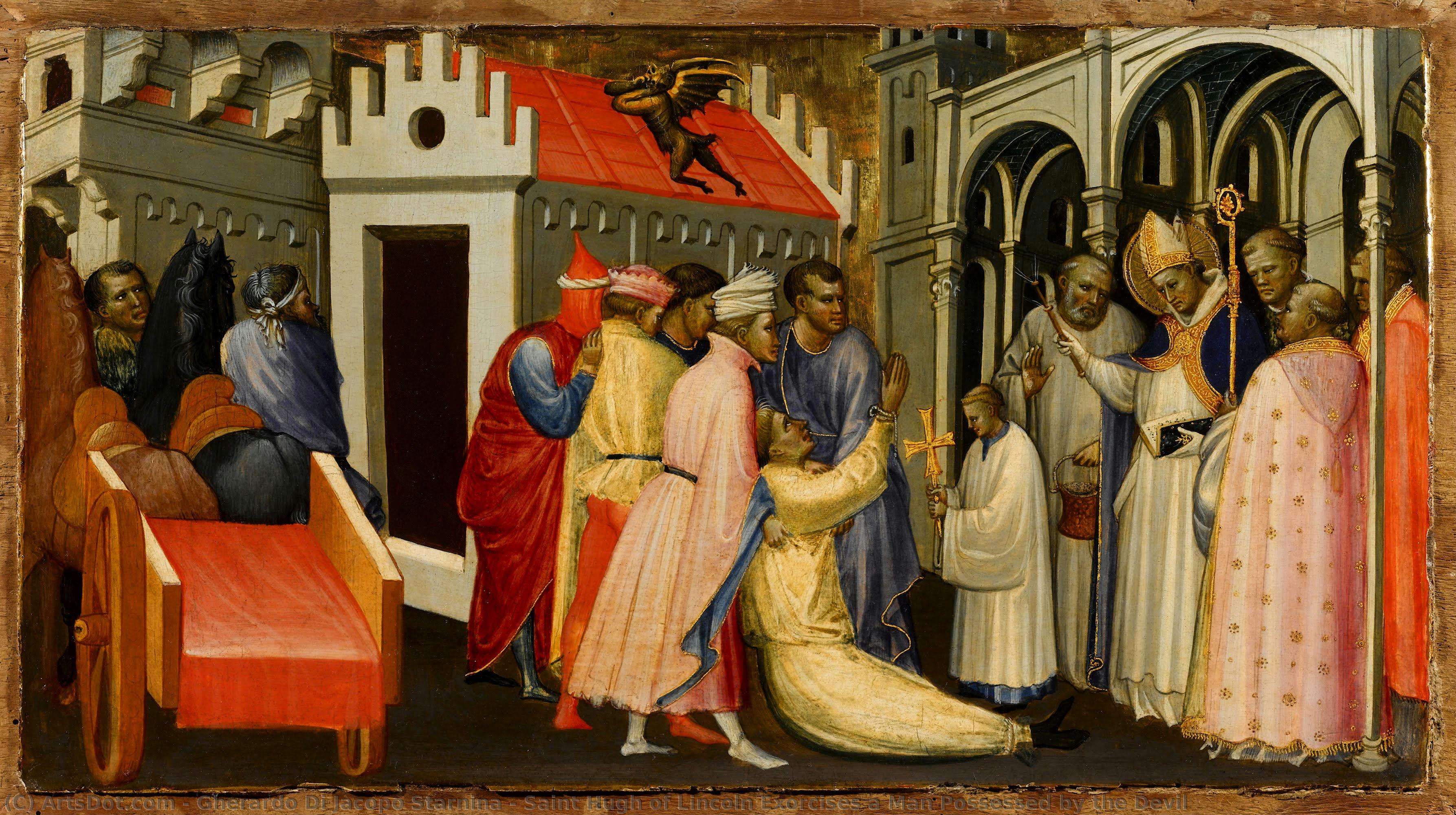
Saint Hugh of Lincoln Exorcises a Man Possessed by the Devil
 Tempera On Panel
- International Gothic
 1407
1407- Renaissance
 50.0 x 28.0 cm
 Museo Poldi Pezzoli
 Pročitaj više
Giclee štampa / Umetnički otisak
Giclée štampa ili print na platnu muzejskog kvaliteta uz brzu proizvodnju i fleksibilne opcije završne obrade. ( Kupi ručno naslikanu sliku Kupi digitalnu sliku)




P118B $10

P118H $10

P118W $10

P438Z $10

P508JH $12

P508YH $12

P805H $10

P805Z $10

P919BZ $10

P919G $10

P919XJ $10

P959ZH $10

P968JZ $12

W106C $8

W218G $10

W218JH $8

W218Y $10

W307PJ $10

W316G $10

W316PJ $8

W316Y $10

W398PJ $8

W4111J $10

W500HY $15

W500JH $15

W692G $12

W849H $8

W940BG $15

W953PJ $8




Izaberite jednu od naših unapred definisanih veličina koje odgovaraju originalnim proporcijama umetničkog dela.

Možete uneti sopstvene dimenzije kako biste umetničko delo prilagodili specifičnom okviru ili prostoru. Ako odabrani format ne odgovara proporcijama originalne slike, mi ćemo ili iscrtati deo dela ili proširiti sliku pomoću ogledane ivice ili jednobojnog popunjavanja. Digitalni prikaz će vam biti poslat na odobrenje pre početka proizvodnje.
Imajte na umu da pregled na ekranu ne odražava stvarno iscrtavanje ili proširivanje. Samo će prikaz (mockup) precizno pokazati finalnu kompoziciju.
Iako su prilagođene dimenzije dostupne, preporučujemo da odaberete dimenziju sa unapred definisane liste kako biste očuvali originalne proporcije.
Dostava širom sveta () za 2 nedelje umesto uobičajenih 4/5 nedelja. (27 август)

Besplatna ekspresna dostava širom sveta

Visokokvalitetno laneno platno

Kompletno osiguranje transporta

Garancija povraćaja carine i uvoznih dažbina

Garancija vernosti boja

Politika povrata u roku od 60 dana (samo u slučaju nedostataka)

Garancija povrata novca od 100%

Popust pri grupnoj kupovini
 Opcija sa staklom dostupna je samo za dimenzije manje od 110 cm

Saint Hugh of Lincoln Exorcises a Man Possessed by the Devil
Giclee štampa / Umetnički otisak
Dimenzije reprodukcije
-


Konačna cena
$ 62
A Divine Encounter: The Miracle of Saint Hugh
In the delicate, intimate scale of this 1407 masterpiece by Gherardo di Jacopo Starnina, we are transported to a moment of profound spiritual tension and supernatural release. The scene captures the dramatic climax of an exorcism, where Saint Hugh of Lincoln, the venerable Bishop of Lincoln and founder of the Charterhouse, exerts his holy authority over a soul besieged by darkness. At the heart of this composition, a man lies bound, his physical form a vessel for torment, while the Saint utilizes the sacred medium of holy water to drive away a fleeing devil. The painting is not merely a depiction of a religious rite; it is a theatrical window into the late Gothic imagination, where the boundaries between the earthly realm and the spiritual abyss are perilously thin.
The composition breathes with a sense of movement and spatial depth that belies its small dimensions. Starnina masterfully utilizes the architectural elements of a medieval square—the colorful buildings and the presence of a waiting cart—to ground this miraculous event in a tangible, human reality. The carters, caught between fascination and alarm, serve as our emotional proxies, their gazes reflecting the awe and trepidation felt by all who witness the divine intervention. This interplay between the celestial struggle and the mundane observation of the townspeople creates a narrative rhythm that keeps the viewer perpetually engaged in the unfolding drama.
Mastery of the Florentine Tradition
As a pivotal figure bridging the gap between the emotive Gothic tradition and the burgeoning humanism of the early Renaissance, Starnina demonstrates his characteristic devotion to detail and faith. The technique employed here reflects his training under Agnolo Gaddi, showcasing a refined ability to render textures—from the heavy folds of medieval garments to the ethereal, wispy form of the retreating demon. His use of color is both purposeful and evocative; the varied hues of the surrounding architecture provide a vibrant backdrop that contrasts sharply with the somber, high-stakes struggle occurring in the foreground.
For the discerning collector or interior designer, this work offers more than just historical significance; it provides a profound aesthetic anchor. The painting’s ability to convey complex theological themes through subtle gestures and light makes it an extraordinary piece for any curated collection. Whether placed in a space dedicated to quiet contemplation or used as a sophisticated focal point in a classical setting, the artwork invites a dialogue between the past and the present. It serves as a testament to the enduring power of religious narrative and the meticulous craftsmanship that defines the Florentine school.
A Legacy of Faith and Artistry
Originally part of a larger predella for an altarpiece commissioned by Cardinal Angelo Acciaioli, this panel carries the weight of its sacred origins. Every brushstroke was intended to instruct and inspire the faithful within the Charterhouse of Florence. Today, as a reproduction, it allows modern enthusiasts to possess a fragment of this liturgical history. The emotional impact of the piece lies in its duality: the visceral struggle of the possessed man and the serene, resolute power of the Saint. It is an invitation to witness the triumph of light over shadow, rendered with a delicacy that remains as captivating today as it was at the dawn of the fifteenth century.
Srodna umetnička dela
Biografija umetnika
The Soul of the Venetian Renaissance: The Life of Gherardo di Jacopo Starnina
In the golden twilight of the Middle Ages, as the rigid structures of the Gothic era began to soften under the warmth of burgeoning humanism, there emerged a painter whose brush captured the very essence of spiritual devotion and intricate beauty. Gherardo di Jacopo Starnina, known to history by the affectionate moniker “Starnina,” stands as a vital bridge in the evolution of Italian art. Born in Florence around 1354, his early years were steeped in the prestigious traditions of the Florentine school. As an apprentice to the renowned Agnolo Gaddi, Starnina was immersed in a world where the emotional depth of Giotto met the delicate, lyrical elegance of Simone Martini. This formative period instilled in him a lifelong duality: a profound commitment to realistic observation paired with an unwavering devotion to the spiritual narrative.
The trajectory of Starnina’s life took a transformative turn when he migrated toward Venice around 1380. This move was not merely a change in geography but a shift in artistic atmosphere. In Venice, the light was different, more luminous and atmospheric, and the burgeoning trade brought new textures and colors to the artist's palette. It was here that Starnina truly found his voice, establishing himself as a master of detail and a painter of profound faith. His work began to reflect the unique Venetian sensibility—a blend of rich, decorative splendor and a deep, contemplative stillness that invited the viewer into a state of prayerful meditation.
Mastery of Detail and the Sacred Narrative
To gaze upon a Starnina masterpiece is to enter a world where every fold of fabric and every subtle gesture carries weight. He was not an artist preoccupied solely with grand, sweeping movements; rather, he found the divine in the minute. His technique was characterized by a remarkable attention to texture and nuance, a hallmark that would define the Venetian Renaissance style. In works such as Virgin with Child and Saints, one can witness his ability to weave together angelic figures and holy saints within a composition that feels both mathematically structured and emotionally fluid. He utilized color not just as a means of representation, but as a tool to convey the sanctity of his subjects.
His contributions to sacred spaces remain some of his most enduring legacies. The frescoes adorning the Basilica di San Frediano and the collections within the Museo di Bassano serve as windows into a lost era of craftsmanship. Starnina’s ability to render the Thebaid—the desert landscapes inhabited by hermits—demonstrates his skill in blending landscape with spiritual struggle, using light and shadow to evoke the isolation and piety of the saints. His work on the façades and interiors of religious institutions showcased a mastery of perspective that, while still rooted in Gothic tradition, pointed toward the revolutionary advancements of the coming centuries.
A Lasting Legacy in Art History
While the names of later Venetian giants like Titian or Tintoretto often dominate the historical discourse, the significance of Starnina cannot be overstated. He provided the essential foundation upon which the later masters built their triumphs. By integrating the emotional intensity of his Florentine training with the luminous, decorative richness of Venice, he helped create a new visual language for the Renaissance. His life’s work represents a period of transition, where the symbolic rigidity of the past was gracefully yielding to a more human-centric, observant way of seeing the world.
The enduring impact of Gherardo di Jacopo Starnina can be summarized through several key artistic contributions:
- Stylistic Synthesis: The seamless blending of Florentine emotional realism with Venetian decorative splendor.
- Devotional Precision: A unique ability to use intricate detail and texture to enhance the spiritual impact of religious iconography.
- Historical Continuity: Serving as a crucial link between the late Gothic tradition and the dawn of the High Renaissance.
- Architectural Integration: The masterful execution of large-scale frescoes and mosaics that transformed sacred spaces into immersive spiritual environments.
Today, when we study the works of Starnina, we are not merely looking at relics of the 15th century; we are witnessing the birth of a new way of perceiving the divine through the lens of human beauty and meticulous artistry.
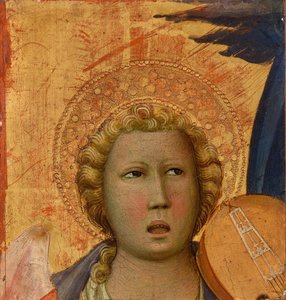
gherardo di jacopo starnina
1354 - 1411 , Italy
Osnovne informacije
- Artistic Movement Or Style: Venetian Renaissance
- Artists Who Influenced This Artist:
- Antonio Canova
- Jacopo Bassano
- Date Of Birth: Florence, Italy (1354)
- Date Of Death: 1411
- Full Name: Gherardo di Jacopo Starnina
- Nationality: Italian
- Notable Artworks:
- Thebaid (detail)
- Virgin with Child and Saints
- Place Of Birth: Florence
Povezani članci
High Medieval Art: 10 Masterpieces That Shaped an Era | ArtsDot
Journey through High Medieval Art! Explore 10 iconic masterpieces – from Giotto's frescoes to stunning Gothic cathedrals. Discover the stories behind these timeless paintings, sculptures & illuminated manuscripts. Find museum-quality art reproductions at ArtsDot.com.
Late Medieval Masterpieces: 10 Artworks That Defined an Era | ArtsDot
Journey through 10 defining Late Medieval masterpieces – from Giotto's frescoes to Jan van Eyck’s realism. Explore the stories, techniques & vibrant colors of Gothic art. Find museum-quality reproductions and elevate your home decor with ArtsDot.com! Discover all masterpieces on ArtsDot.com
The Radiant Dusk of Medieval Vision: Exploring Late Gothic Art's Synthesis of Faith, Form & Emotionality (c. 1300-1500)
Explore the exquisite beauty & spiritual depth of Late Gothic art (c. 1300-1500). Discover key artists, symbolism, and its lasting influence on the Renaissance. Expert insights at ArtsDot.
The Shadow of Faith: Exploring Gothic Art's Spiritual Intensity & Architectural Innovation
Explore the spiritual intensity & architectural innovation of Gothic art! Discover the symbolism behind cathedrals, stained glass & master artists like Giotto and Monet. A deep dive into medieval history & artistic expression.
Beyond Borders: The Spiritual & Stylistic Innovations of International Gothic Art
Explore the exquisite beauty & spiritual depth of International Gothic art. Discover key artists like Simone Martini & Pol de Limbourg, its origins, symbolism, and lasting influence on European painting. Expert insights at ArtsDot.