

 Pregledaj u prostoru
 Pošalji
 Podeli
 Detalji o delu

 Преузми
 Slični predmeti
 Rendgenski snimak
 Slajdovi
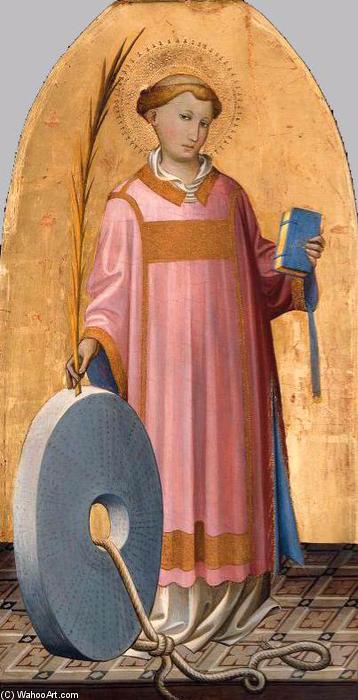
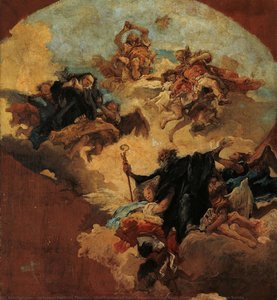
St Vincent
 1410
1410 67.0 x 35.0 cm
 Muzej lepih umetnosti u Bostonu
 Pročitaj više
Kupite digitalnu sliku visoke rezolucije i poboljšanog kvaliteta, koja je znatno superiornija od onoga što vidite u online prikazu.
Svaka datoteka je pedantno pripremljena od strane naših stručnjaka koristeći napredne alate i profesionalnu ručnu retušu. Osiguravamo da svaka slika ima izuzetnu oštrinu, preciznu reprodukciju boja i fine detalje.
Konačna datoteka se dostavlja putem e-pošte u roku od 72 sata, optimizovana za neposrednu upotrebu u profesionalnim, izdavačkim i štamparskim okruženjima. To je isti kvalitet kojem veruju vrhunski studiji dizajna, izdavači i galerije.
Digitalna slika
Preuzmite datoteku visoke rezolucije za ličnu upotrebu, štampanje i kreativne projekte. ( Kupi print Kupi ručno naslikanu sliku)
Uključeno uz svaku porudžbinu digitalne slike
Profesionalna digitalna isporuka, zagarantovana
Kada odaberete ArtsDot.com, ne dobijate samo sliku – vi primate profesionalno unapređeno digitalno umetničko delo, izrađeno sa najvećom preciznošću i uz garanciju zadovoljstva. Evo svega što automatski dolazi uz vašu porudžbinu:

Brza dostava putem e-pošte
Vaša digitalna slika visoke rezolucije biće vam poslata putem e-pošte u roku od 72 sata od poručivanja – spremna za trenutnu upotrebu.

Digitalna datoteka unapređena veštačkom inteligencijom
Vaše umetničko delo je profesionalno optimizovano korišćenjem naprednih AI alata i ručne obrade, čime se osiguravaju maksimalni detalji, oštrina i preciznost boja.

Besplatna ponovna isporuka doživotno
Slučajno ste obrisali ili izgubili svoju datoteku? Ne brinite – poslaćemo vam je ponovo u bilo kom trenutku, potpuno besplatno.

Bez troškova uvoza – zauvek
Uživajte u svojim umetničkim delima trenutno, bez carine, dažbina ili troškova dostave – digitalni download je uvek bez poreza.

Garancija vernosti boja
Uz pomoć profesionalnih alata i upravljanja bojama, osiguravamo da vaša digitalna slika što vernije odražava originalne boje.

Garancija zadovoljstva u roku od 60 dana
Ako niste zadovoljni svojom digitalnom slikom, revidirat ćemo je ili vratiti 100% novca u roku od 60 dana – bez ikakvih pitanja.

100% garancija povrata novca
Niste zadovoljni? Obezbedite pun povrat novca u roku od 60 dana od trenutka kada ste primili svoju digitalnu datoteku – bez suvišnih pitanja.

Popusti na velike porudžbine
Kupite 3 slike, uštedite 10% - Kupite 5 slika, uštedite 15% - Kupite 10+ slika, uštedite 20%. Odlično za kreativne projekte, galerije i agencije.
Opis kolekcionarskog dela
Artistic Style and Technique
The painting is characterized by its use of vibrant colors and intricate details, which were typical of the early Renaissance period. The artist's use of tempera on wood was a common technique during this time, allowing for a high level of detail and precision. The St Vincent painting is a prime example of Early Renaissance art, with its emphasis on realism and humanism.Symbolism and Iconography
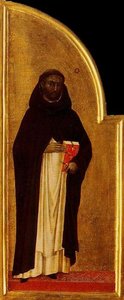
The painting features St Vincent dressed in a pink robe with gold trim, symbolizing purity and divinity. The blue cloak draped over his shoulder adds a touch of contrast to the overall color scheme. In his left hand, he holds an open book, which represents the Bible or another holy scripture. A rope is draped over his shoulder, possibly signifying martyrdom or the weight of religious duty.- The painting's use of symbolism and iconography adds depth and meaning to the overall piece.
- The artist's attention to detail and use of color create a captivating visual experience for the viewer.
The St Vincent painting by Gherardo Di Jacopo Starnina is a remarkable example of early Renaissance art, showcasing the artist's skill and attention to detail. With its vibrant colors and intricate details, this painting is a must-see for anyone interested in art history.
Srodna umetnička dela


Biografija umetnika
The Soul of the Venetian Renaissance: The Life of Gherardo di Jacopo Starnina
In the golden twilight of the Middle Ages, as the rigid structures of the Gothic era began to soften under the warmth of burgeoning humanism, there emerged a painter whose brush captured the very essence of spiritual devotion and intricate beauty. Gherardo di Jacopo Starnina, known to history by the affectionate moniker “Starnina,” stands as a vital bridge in the evolution of Italian art. Born in Florence around 1354, his early years were steeped in the prestigious traditions of the Florentine school. As an apprentice to the renowned Agnolo Gaddi, Starnina was immersed in a world where the emotional depth of Giotto met the delicate, lyrical elegance of Simone Martini. This formative period instilled in him a lifelong duality: a profound commitment to realistic observation paired with an unwavering devotion to the spiritual narrative.
The trajectory of Starnina’s life took a transformative turn when he migrated toward Venice around 1380. This move was not merely a change in geography but a shift in artistic atmosphere. In Venice, the light was different, more luminous and atmospheric, and the burgeoning trade brought new textures and colors to the artist's palette. It was here that Starnina truly found his voice, establishing himself as a master of detail and a painter of profound faith. His work began to reflect the unique Venetian sensibility—a blend of rich, decorative splendor and a deep, contemplative stillness that invited the viewer into a state of prayerful meditation.
Mastery of Detail and the Sacred Narrative
To gaze upon a Starnina masterpiece is to enter a world where every fold of fabric and every subtle gesture carries weight. He was not an artist preoccupied solely with grand, sweeping movements; rather, he found the divine in the minute. His technique was characterized by a remarkable attention to texture and nuance, a hallmark that would define the Venetian Renaissance style. In works such as Virgin with Child and Saints, one can witness his ability to weave together angelic figures and holy saints within a composition that feels both mathematically structured and emotionally fluid. He utilized color not just as a means of representation, but as a tool to convey the sanctity of his subjects.
His contributions to sacred spaces remain some of his most enduring legacies. The frescoes adorning the Basilica di San Frediano and the collections within the Museo di Bassano serve as windows into a lost era of craftsmanship. Starnina’s ability to render the Thebaid—the desert landscapes inhabited by hermits—demonstrates his skill in blending landscape with spiritual struggle, using light and shadow to evoke the isolation and piety of the saints. His work on the façades and interiors of religious institutions showcased a mastery of perspective that, while still rooted in Gothic tradition, pointed toward the revolutionary advancements of the coming centuries.
A Lasting Legacy in Art History
While the names of later Venetian giants like Titian or Tintoretto often dominate the historical discourse, the significance of Starnina cannot be overstated. He provided the essential foundation upon which the later masters built their triumphs. By integrating the emotional intensity of his Florentine training with the luminous, decorative richness of Venice, he helped create a new visual language for the Renaissance. His life’s work represents a period of transition, where the symbolic rigidity of the past was gracefully yielding to a more human-centric, observant way of seeing the world.
The enduring impact of Gherardo di Jacopo Starnina can be summarized through several key artistic contributions:
- Stylistic Synthesis: The seamless blending of Florentine emotional realism with Venetian decorative splendor.
- Devotional Precision: A unique ability to use intricate detail and texture to enhance the spiritual impact of religious iconography.
- Historical Continuity: Serving as a crucial link between the late Gothic tradition and the dawn of the High Renaissance.
- Architectural Integration: The masterful execution of large-scale frescoes and mosaics that transformed sacred spaces into immersive spiritual environments.
Today, when we study the works of Starnina, we are not merely looking at relics of the 15th century; we are witnessing the birth of a new way of perceiving the divine through the lens of human beauty and meticulous artistry.
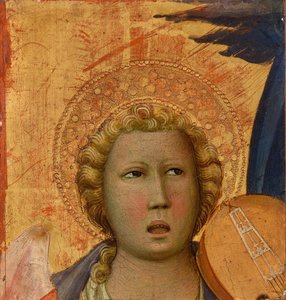
gherardo di jacopo starnina
1354 - 1411 , Italy
Kratke činjenice
- Artistic Movement Or Style: Venetian Renaissance
- Artists Who Influenced This Artist:
- Antonio Canova
- Jacopo Bassano
- Date Of Birth: Florence, Italy (1354)
- Date Of Death: 1411
- Full Name: Gherardo di Jacopo Starnina
- Nationality: Italian
- Notable Artworks:
- Thebaid (detail)
- Virgin with Child and Saints
- Place Of Birth: Florence

