

 Pregledaj u prostoru
 Pošalji
 Podeli
 Detalji o delu

 Преузми
 Slični predmeti
 Rendgenski snimak
 Slajdovi
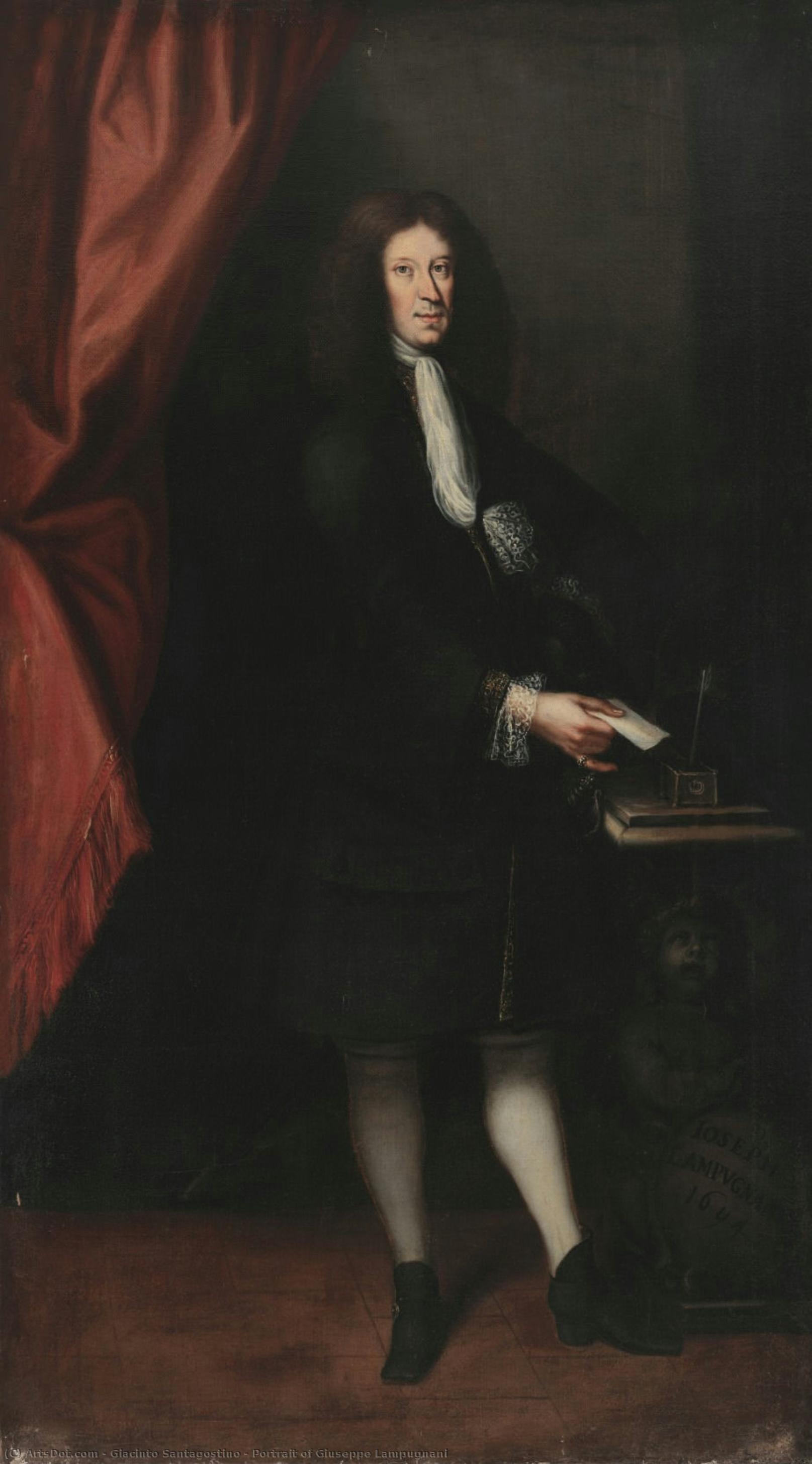
Portrait of Giuseppe Lampugnani
 1694
1694 215.0 x 119.0 cm
 Ca’ Granda – Ospedale Maggiore Policlinico
 Pročitaj više
Ručno rađena uljana reprodukcija
Ručno oslikano uljanim bojama na platnu u dimenzijama i okviru po vašem izboru, izrađeno po porudžbini od strane naših umetnika. ( Kupi print Kupi digitalnu sliku)




































Izaberite jednu od naših unapred definisanih veličina koje odgovaraju originalnim proporcijama umetničkog dela.

Можете унети сопствене димензије како бисте прилагодили дело одређеном оквиру или простору. Ако одабрана величина не одговара пропорцијама оригинала, слика ће бити исечена или проширена додатним елементима који се ручно насликавају. Дигитални prikaz ће вам бити послат на одобрење пре почетка производње.
Имајте на уму да преглед на екрану не одражава стварно исецање или проширење. Само приказ (mockup) ће тачно приказати коначну композицију.
Иако су доступне прилагођене величине, препоручујемо да одаберете димензију из дефинисане листе како бисте сачували оригиналне пропорције.
Nakon narudžbine, tim ArtsDot.com će klijentu putem e-pošte poslati uputstva i dostaviti prikaz predloženog rešenja
Isporuka širom sveta () za 3/4 nedelje umesto uobičajenih 5 nedelja. (7 септембар). Bez kompromisa po pitanju kvaliteta.

Besplatna ekspresna dostava širom sveta

Visokokvalitetno laneno platno

Kompletno osiguranje transporta

Garancija povraćaja carine i uvoznih dažbina

Garancija vernosti boja

Politika povrata u roku od 100 dana (samo u slučaju nedostataka)

Garancija povrata novca od 100%

Popust pri grupnoj kupovini
 Opcija sa staklom dostupna je samo za dimenzije manje od 110 cm

Portrait of Giuseppe Lampugnani
Tehnika reprodukcije
Dimenzije reprodukcije
-


Konačna cena
$ 263
Srodna umetnička dela




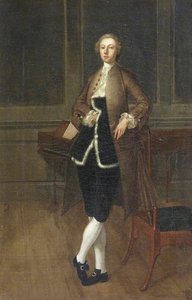


Biografija umetnika
Giacinto Santagostino: A Milanese Master of the Baroque
Giacinto Santagostino, a name perhaps less familiar than some of his contemporaries, nevertheless represents a significant voice within 17th-century Italian art. Born in Milan in 1633 and tragically passing away in 1699, Santagostino’s artistic journey unfolded against the backdrop of a vibrant, evolving Baroque landscape. He was the son of Giacomo Antonio Santagostino, another painter who undoubtedly instilled within him an early appreciation for color, composition, and the expressive potential of oil paint. While detailed biographical information remains scarce – a common challenge when studying artists from this period – we can piece together a compelling narrative through his surviving works and their stylistic characteristics. Santagostino’s artistic development is believed to have begun under the tutelage of his father, absorbing foundational techniques and an understanding of Milanese painting traditions. However, it's likely he also benefited from exposure to other influential artists of the time, broadening his technical skills and perhaps introducing him to new stylistic approaches. His style quickly established itself as a distinctive blend of dynamism and elegance, deeply rooted in the Italian Baroque but possessing a uniquely personal stamp. He favored bold brushstrokes – not hesitant or delicate, but assertive and confident – that conveyed movement and energy. His palette was rich and vibrant, utilizing intense colors to create dramatic effects and imbue his subjects with life. This approach wasn’t simply decorative; it served to heighten the emotional impact of his paintings, particularly in his religious works.Religious Devotion and Portraiture: Defining Santagostino's Output
Santagostino is most celebrated for his series of religious paintings, a testament to the profound faith that permeated Italian society during his lifetime. Among these stand out pieces like *Madonna del Rosario*, a deeply moving depiction of the Virgin Mary, showcasing Santagostino’s ability to capture not just physical likeness but also an aura of serenity and grace. The composition is carefully balanced, drawing the viewer's eye to the central figure while subtly incorporating elements that evoke a sense of divine presence. Similarly, *Ritratto del cardinale Teodoro Trivulzio* demonstrates his skill in portraying nobility – capturing both the formal dignity expected of a high-ranking Church official and hints of personality within the subject’s gaze. These religious works are not merely representations; they are imbued with spiritual depth and emotional resonance. However, Santagostino's oeuvre wasn’t limited to the sacred. He was also a skilled portraitist, producing striking images of individuals from Milanese society. *Ritratto di Ercole Teodoro Trivulzio* and *Portrait of Giuseppe Lampugnani* exemplify his ability to capture character and personality through subtle details – the way a hand is posed, the expression in the eyes, the arrangement of clothing. These portraits are not simply likenesses; they offer glimpses into the lives and personalities of their subjects, revealing their status, temperament, and perhaps even their aspirations.Influences and Artistic Style
Santagostino’s style can be understood as a synthesis of several influences. The Italian Baroque, with its emphasis on drama, movement, and emotional intensity, undoubtedly played a crucial role. He shared this passion for dynamism with other prominent artists of the period, such as Caravaggio and Artemisia Gentileschi. Yet, Santagostino possessed a distinct sensibility that set him apart. His work demonstrates a particular sensitivity to light and shadow, creating a sense of depth and atmosphere. Furthermore, his Milanese background—a region known for its rich artistic tradition—influenced his approach, grounding his style in the established techniques and conventions of Northern Italian painting. The use of bold brushstrokes and vibrant colors is a hallmark of Santagostino’s work. These elements contribute to the overall sense of energy and movement that characterizes his paintings. He was adept at creating a strong focal point within each composition, drawing the viewer's eye to the most important element while maintaining a harmonious balance throughout the scene.Legacy and Recognition
Giacinto Santagostino’s works are not widely exhibited in major international museums, but they can be found in collections such as the Museum Santa Maria delle Grazie in Arezzo, Italy, and the Santuario della Santa Casa in Loreto, Italy. These locations offer valuable opportunities to appreciate his artistic achievements firsthand. His paintings continue to be studied by art historians and appreciated for their beauty, technical skill, and emotional depth. While he may not be as widely celebrated as some of his contemporaries, Giacinto Santagostino remains a significant figure in the history of Italian Baroque painting – a testament to the enduring power of artistic vision and skillful execution.- Key Works: *Madonna del Rosario*, *Ritratto del cardinale Teodoro Trivulzio*, *Ritratto di Ercole Teodoro Trivulzio*, *Portrait of Giuseppe Lampugnani*
- Born: Milan, Italy (1633)
- Died: 1699
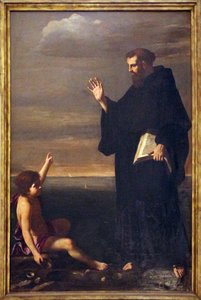
Giacinto Santagostino
1633 - 1699 , Italy
Osnovne informacije
- Artistic Movement Or Style: Baroque
- Artists Who Influenced This Artist: ['Father Giacomo Antonio Santagostino],\n "Artists or movements influenced by this artist": [']
- Date Of Birth: 1633 Milan, Italy
- Date Of Death: 1699
- Full Name: Giacinto Santagostino
- Nationality: Italian
- Notable Artworks:
- Madonna del Rosario
- Ritratto del cardinale Trivulzio
- Ritratto di Ercole Trivulzio
- Portrait of Lampugnani
- Place Of Birth: Milan, Italy