 Pregledaj u prostoru
 Pošalji
 Podeli
 Detalji o delu

 Преузми
 Slični predmeti
 Rendgenski snimak
 Slajdovi
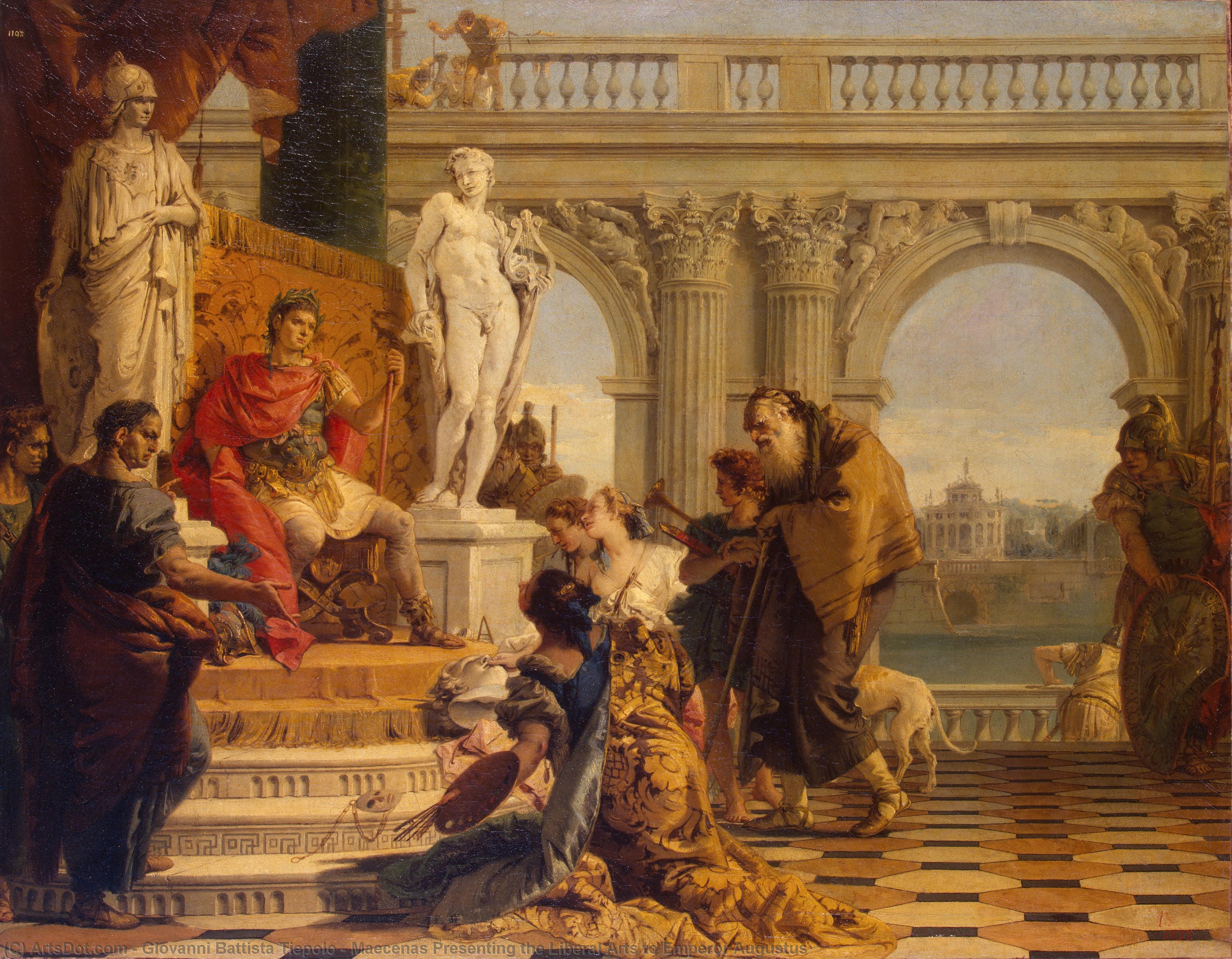
Maecenas Presenting the Liberal Arts to Emperor Augustus
 Ulje na platnu
- Umetnost za zidove
- Rococo
 1743
1743 70.0 x 89.0 cm
 Hermitage Museum
 Pročitaj više
Giclee štampa / Umetnički otisak
Giclée štampa ili print na platnu muzejskog kvaliteta uz brzu proizvodnju i fleksibilne opcije završne obrade. ( Kupi ručno naslikanu sliku Kupi digitalnu sliku)




P118B $10

P118H $10

P118W $10

P438Z $10

P508JH $12

P508YH $12

P805H $10

P805Z $10

P919BZ $10

P919G $10

P919XJ $10

P959ZH $10

P968JZ $12

W106C $8

W218G $10

W218JH $8

W218Y $10

W307PJ $10

W316G $10

W316PJ $8

W316Y $10

W398PJ $8

W4111J $10

W500HY $15

W500JH $15

W692G $12

W849H $8

W940BG $15

W953PJ $8




Izaberite jednu od naših unapred definisanih veličina koje odgovaraju originalnim proporcijama umetničkog dela.

Možete uneti sopstvene dimenzije kako biste umetničko delo prilagodili specifičnom okviru ili prostoru. Ako odabrani format ne odgovara proporcijama originalne slike, mi ćemo ili iscrtati deo dela ili proširiti sliku pomoću ogledane ivice ili jednobojnog popunjavanja. Digitalni prikaz će vam biti poslat na odobrenje pre početka proizvodnje.
Imajte na umu da pregled na ekranu ne odražava stvarno iscrtavanje ili proširivanje. Samo će prikaz (mockup) precizno pokazati finalnu kompoziciju.
Iako su prilagođene dimenzije dostupne, preporučujemo da odaberete dimenziju sa unapred definisane liste kako biste očuvali originalne proporcije.
Dostava širom sveta () za 2 nedelje umesto uobičajenih 4/5 nedelja. (1 септембар)

Besplatna ekspresna dostava širom sveta

Visokokvalitetno laneno platno

Kompletno osiguranje transporta

Garancija povraćaja carine i uvoznih dažbina

Garancija vernosti boja

Politika povrata u roku od 60 dana (samo u slučaju nedostataka)

Garancija povrata novca od 100%

Popust pri grupnoj kupovini
 Opcija sa staklom dostupna je samo za dimenzije manje od 110 cm

Maecenas Presenting the Liberal Arts to Emperor Augustus
Giclee štampa / Umetnički otisak
Dimenzije reprodukcije
-


Konačna cena
$ 62
A Venetian Masterpiece: Maecenas Presenting the Liberal Arts
Giambattista Tiepolo’s “Maecenas Presenting the Liberal Arts to Emperor Augustus,” painted in 1743, is more than just a historical scene; it's a vibrant embodiment of Enlightenment ideals and a testament to the artist’s unparalleled ability to capture light, movement, and human drama. Housed originally within the opulent halls of Count von Bruhl’s collection in Dresden, this monumental canvas transports us to the heart of ancient Rome, where patronage fueled intellectual and artistic flourishing. The painting isn't merely a depiction of an event; it’s a carefully constructed allegory celebrating the power of enlightened leadership to nurture the arts and sciences.
At first glance, the scene unfolds with remarkable clarity. Emperor Augustus, resplendent in regal purple, stands at the center, receiving a scroll from Maecenas, a wealthy Roman patron renowned for his generous support of artists like Virgil and Horace. The figures surrounding them are meticulously rendered – senators, philosophers, poets, and musicians—each contributing to a dynamic tableau of intellectual exchange. However, it’s Tiepolo's masterful use of color and light that truly elevates the work. He employs a technique known as ‘aerangue,’ creating an illusion of depth through subtle gradations of tone, particularly in the drapery and architectural details. The warm, golden hues dominate the scene, radiating from the central figures and bathing the entire composition in a luminous glow – a signature element of Tiepolo’s style that evokes the brilliance of Venetian light.
The Allegory of Patronage
“Maecenas Presenting the Liberal Arts” is fundamentally an allegory. Maecenas, depicted as a dignified and benevolent figure, represents the ideal patron—one who not only provides financial support but also fosters intellectual curiosity and artistic innovation. The liberal arts – poetry, philosophy, music, and rhetoric – are symbolized by the various figures surrounding Augustus, each engaged in their respective pursuits. This arrangement underscores the belief that a ruler’s commitment to these disciplines would elevate society as a whole, fostering wisdom, virtue, and progress. The inclusion of statues flanking the scene further reinforces this theme; they represent the enduring legacy of classical learning.
The historical context is crucial to understanding the painting's significance. The 18th century witnessed a renewed interest in classical antiquity, fueled by archaeological discoveries and humanist thought. Augustus, as a revival of Roman ideals, became a symbol of enlightened leadership—a ruler who valued reason, justice, and the arts. Tiepolo’s work directly reflects this cultural climate, celebrating the power of patronage to shape a flourishing society.
Tiepolo's Venetian Style & Technique
Giambattista Tiepolo was one of the most influential painters of his era, renowned for his frescoes that transformed palaces and churches into immersive experiences. His style is characterized by its dynamism, theatricality, and masterful use of color and light. He moved away from the rigid formality of Baroque painting, embracing a more fluid and expressive approach. In “Maecenas,” Tiepolo demonstrates this perfectly – the figures are not static; they seem caught in a moment of animated conversation and intellectual exchange. The composition is carefully balanced, creating a sense of harmony and grandeur.
Furthermore, Tiepolo’s technique involved layering thin washes of color to create luminous effects, often employing what he called ‘aerangue,’ which subtly modulated the tones to suggest depth and volume. This method, combined with his understanding of perspective and anatomy, resulted in paintings that were both visually stunning and remarkably realistic. The meticulous detail evident in the rendering of clothing, jewelry, and architectural elements further enhances the painting’s impact.
A Timeless Celebration of Human Potential
“Maecenas Presenting the Liberal Arts to Emperor Augustus” remains a powerful and evocative work of art. It's not simply a historical record but a celebration of human potential—the capacity for intellectual curiosity, artistic creativity, and enlightened leadership. The painting’s enduring appeal lies in its ability to capture a pivotal moment in history while simultaneously conveying universal themes of patronage, learning, and the pursuit of knowledge. Reproductions of this masterpiece offer a chance to bring this vibrant scene into any space, serving as a constant reminder of the transformative power of art and culture.
Srodna umetnička dela
Biografija umetnika
Ђовани Батиста Тијеполо: Архитекта Венецијанске Светлости
Ђовани Батиста Тијеполо (1696 – 1770) заузима позицију титана међу сликарима свог времена, неоспорни мајстор рококоа и вероватно најутицајнији фреско-сликар осамнаестог века. Рођен у Венецији, граду прожет традицијом уметности, Тијеполо се уздигао до неупоредиве славе захваљујући својим задивљујућим платнима и монументалним зидним сликама које су цркве и палате преобразиле у импресивна искуства боје, драме и илузионистичке величине. Његово наслеђе наставља да инспирише уметнике и данас, учвршћујући његов положај као једне од водећих фигура венецијанске историје уметности.- Рани Живот и Образовање: Тијеполов уметнички пут започео је под менторством Ђованија Антонија Пелегринија, угледног венецијанског сликара који га је опремио фундаменталним разумевањем *дисегна* – италијанског термина за цртање и дизајн – основног камена барокне естетике. Препознајући његов изузетан таленат, Пелегрини га је подстакао да настави студије на болоњским академијама, где је усавршио своје вештине уз уметнике попут Франческа Бартоломеа Растрелија и Антонија Каналeта, апсорбујући утицаје барокне величине и нових рококо елеганције.
- Венецијанска Радионица и Уметнички Пробој: Вративши се у Венецију 1726. године, Тијеполо је успоставио плодну радионицу која је брзо постала синоним за уметничку изврсност. Прихватио је стилске принципе рококоа – карактеристичне деликатне орнаменте, пастелне нијансе и асиметричне композиције – али је задржао основну посвећеност класичним принципима пропорција и перспективе. Ова хармонична комбинација резултирала је делима која су одушевила публику и стекла критичко признање, посебно његовим фрескама које красе Палацо Лабиа и Ca’ Rezzonico.
- Кралjевски Покровитељство и Велики Пројекти: Тијеполова уметничка репутација брзо је привукла пажњу европских монарха, обезбедивши му профитабилне поруџбине од краљева и принчева широм Италије, Шпаније и Пруске. Његове монументалне фреске у дворцу Шенбрун код Беча и дворцу Сансуси у Потсдаму представљају његово мајсторство скале и позоришне презентације – претварајући просторе у раскошне спектакле који су славили краљевску моћ и уметничку иновацију.
- Техника и Иновација: Тијеполова карактеристична техника укључивала је прецизну припрему, користећи *грисаиле* подцрте за успостављање прецизних просторних односа пре наношења слојева живописне боје. Пионирао је иновативне методе мешања пигмената и глазуре – стварајући луминозне површине које су изгледале као да емитују саму светлост – обележје његове неупоредиве уметничке визије. Његове фреске су познате по мајсторској употреби *кијароскура* – игре између светла и сенке – стварајући опипљив осећај дубине и динамике.
- Наслеђе и Утицај: Тијеполов утицај се протезао далеко ван његовог живота, обликујући естетику каснијих генерација уметника. Његов нагласак на илузионистичком сликању дубоко је утицао на барокне и рококо стилове, успостављајући га као неоспорног шампиона позоришног величинства и визуелног сјаја. Данас Тијеполова дела настављају да инспиришу дивљење и усхићење, служећи као трајни споменици венецијанском уметничком генију.
Истакнута Дела и Уметничка Постигнућа
- Узнесење Марије у Сан Ђорђо Мађоре: Сматра се Тијеполовим ремек-делом, ова монументална фреска пример његове неупоредиве вештине стварања импресивних окружења и преношења дубоких духовних емоција. Његов уздижући се плафон приказује Девицу Марију како се пење на небо усред небеске процесије – задивљујући спектар боја и покрета који остаје неупоредив.
- Тријумф Светог Петра: Лоцирана у базилици Светог Петра, Рим, ова фреска обележава папску крунисање – величасту прославу папине власти рендерзовану са прецизним детаљима и луминозном живошћу.
- Фреске Палацо Лабиа: Тијеполове фреске у Палацо Лабиа показују његово мајсторство илузионистичког сликања – стварајући задивљујући панорамски приказ венецијанског живота који преноси гледаоце назад у осамнаести век.
Везе и Уметнички Утицаји
Тијеполов уметнички развој био је дубоко обликован преовлађућим стилским струјањима његовог времена. Апсорбујући утицаје Каравађове драматичне *кијароскуре* и Бернинијеве скулпторске виртуозности – прихватајући барокну величину док истовремено истражује деликатне естетичке принципе рококоа. Штавише, блиско је сарађивао са Антониом Каналeтом, чија прецизна сликања градских пејзажа служила су као инспирација за Тијеполове сопствене прилике венецијанског урбаног окружења.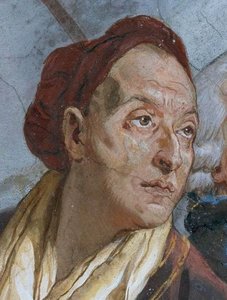
Ђовани Батиста Тијеполо
1696 - 1770 , Србија
Osnovne informacije
- Artistic Movement Or Style: Rokoko
- Artists Or Movements Influenced By This Artist: ['Barok']
- Artists Who Influenced This Artist: ['Nicolas Frémiet']
- Date Of Birth: Venecija, Italija (1696)
- Date Of Death: Madrid, Španija (1770)
- Full Name: Giovanni Battista Tiepolo
- Nationality: Italijan
- Notable Artworks:
- Assumption Tiepolo
- Young Man with Bow
- Place Of Birth: Venecija, Italija
Povezani članci
Giambattista Tiepolo: A Rococo Master's Legacy of Light & Illusion
Explore the captivating world of Giambattista Tiepolo, master of Rococo art. Discover his innovative techniques, iconic frescoes, and lasting influence on Italian painting. A guide for discerning collectors.

Rokoko: 10 Remek Dela Koja Su Definisala Eleganciju i Ukus
Otkrijte 10 remek dela koja su definisala rokoko umetnost! Uronite u svet Boucher-a, Watteau-a i Fragonarda. Istorija, stil i inspiracija za vaš dom. Kvalitetne reprodukcije i kuratorski odabiri na ArtsDot.com!
Pietro Longhi's Venetian Scenes: A Study of Rococo Society & Domestic Life
Explore the captivating world of Pietro Longhi's Venetian scenes! Discover insightful analysis of his Rococo masterpieces & social commentary on 18th-century life. Learn about this 'Venetian Hogarth' and his lasting artistic legacy.

The Rococo Aesthetic: Opulence, Rebellion & the Pursuit of Pleasure in 18th-Century Art
Explore the opulent world of Rococo art! Discover its origins, key artists like Watteau & Boucher, and lasting influence on design. Expert insights for collectors & enthusiasts.
Francesco Guardi: Venetian Light, Atmospheric Perspective & the Rococo to Neoclassical Transition
Explore the captivating world of Francesco Guardi, master of Venetian light and atmosphere. Discover his transition from Rococo to Neoclassicism, influence on Impressionism & investment potential with ArtsDot.