

 Pregledaj u prostoru
 Pošalji
 Podeli
 Detalji o delu

 Преузми
 Slični predmeti
 Rendgenski snimak
 Slajdovi
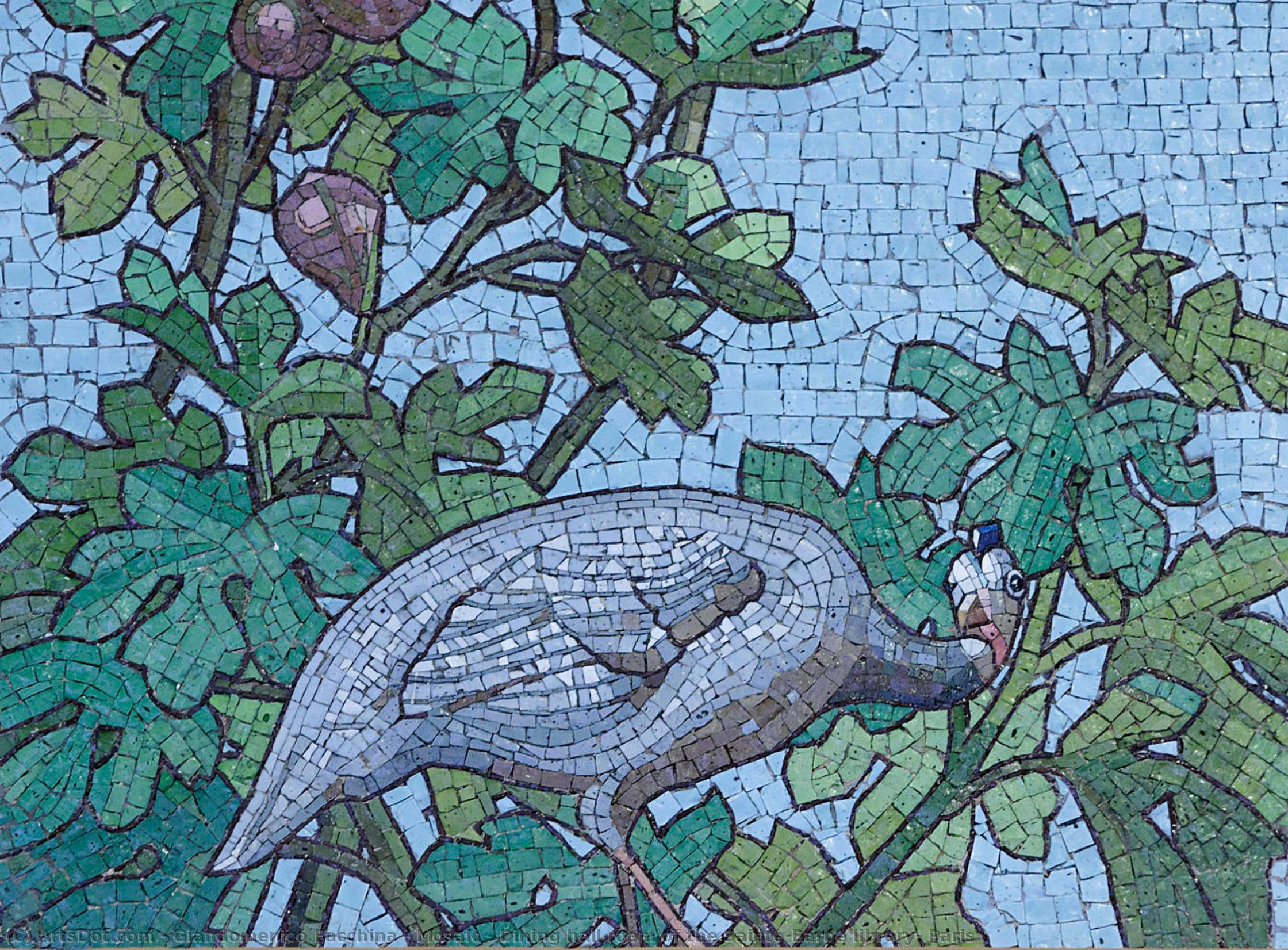
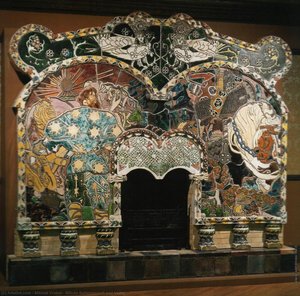
Mosaic - Dining hall room of the Sainte-Barbe library, Paris

 Pročitaj više
Giclee štampa / Umetnički otisak
Giclée štampa ili print na platnu muzejskog kvaliteta uz brzu proizvodnju i fleksibilne opcije završne obrade. ( Kupi ručno naslikanu sliku Kupi digitalnu sliku)




































Izaberite jednu od naših unapred definisanih veličina koje odgovaraju originalnim proporcijama umetničkog dela.

Možete uneti sopstvene dimenzije kako biste umetničko delo prilagodili specifičnom okviru ili prostoru. Ako odabrani format ne odgovara proporcijama originalne slike, mi ćemo ili iscrtati deo dela ili proširiti sliku pomoću ogledane ivice ili jednobojnog popunjavanja. Digitalni prikaz će vam biti poslat na odobrenje pre početka proizvodnje.
Imajte na umu da pregled na ekranu ne odražava stvarno iscrtavanje ili proširivanje. Samo će prikaz (mockup) precizno pokazati finalnu kompoziciju.
Iako su prilagođene dimenzije dostupne, preporučujemo da odaberete dimenziju sa unapred definisane liste kako biste očuvali originalne proporcije.
Dostava širom sveta () za 2 nedelje umesto uobičajenih 4/5 nedelja. (4 септембар)

Besplatna ekspresna dostava širom sveta

Visokokvalitetno laneno platno

Kompletno osiguranje transporta

Garancija povraćaja carine i uvoznih dažbina

Garancija vernosti boja

Politika povrata u roku od 60 dana (samo u slučaju nedostataka)

Garancija povrata novca od 100%

Popust pri grupnoj kupovini
 Opcija sa staklom dostupna je samo za dimenzije manje od 110 cm

Mosaic - Dining hall room of the Sainte-Barbe library, Paris
Giclee štampa / Umetnički otisak
Dimenzije reprodukcije
-


Konačna cena
$ 62
Srodna umetnička dela

Biografija umetnika
A Legacy in Tesserae: The Life and Innovations of Giandomenico Facchina
Giandomenico Facchina, born in 1826 in the small Italian town of Sequals, nestled within what was then the Lombard-Venetian Kingdom, emerged as a pivotal figure in the world of mosaic art. His journey, spanning both Italy and France, wasn’t merely one of artistic creation but of profound technical innovation that democratized access to this ancient and revered medium. Facchina's early training in Trieste and Venice steeped him in the rich artistic traditions of those cities, laying a foundation for his future endeavors. However, it was through the meticulous work of restoration – specifically, his involvement with the iconic St Mark’s Basilica in Venice – that he truly began to understand the intricacies of mosaic construction, both historically and practically. This initial experience wasn't simply about preserving the past; it sparked within him a desire to reimagine how mosaics could be created and implemented in the present.Revolutionizing Mosaic Production: A Prefabricated Future
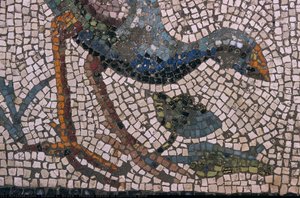
The mid-19th century found Facchina venturing into France, initially undertaking floor restorations in Montpellier. It was here that his groundbreaking ideas began to take shape. Recognizing the labor-intensive and time-consuming nature of traditional mosaic work, he sought a more efficient method. This led to the development of his patented technique – a revolutionary approach to mosaic creation centered around *prefabrication*. The core innovation lay in adhering tesserae, those tiny pieces of glass, stone or ceramic that form the image, onto flexible cardboard backing. Entire sections of mosaic could then be created in a workshop environment and transported for quick and efficient installation on freshly mortared walls. This wasn’t merely a streamlining of process; it was a fundamental shift in how mosaics were conceived and executed. The benefits were manifold: reduced on-site labor, lowered production costs making mosaics accessible to a wider clientele, and increased precision and control over the final artwork. The impact of this technique resonated throughout Europe, transforming architectural ornamentation.Triumph at Paris and Enduring Monuments
Facchina’s prefabricated mosaic technique garnered widespread acclaim following its showcase at the Exposition Universelle in 1855, held in Paris. This recognition opened doors to numerous prestigious commissions, solidifying his reputation as a master craftsman and innovator. Perhaps his most celebrated contribution was his work on the newly constructed Opéra Garnier in Paris – a testament to both his skill and ingenuity. The opulent interiors of this architectural masterpiece bear witness to Facchina’s artistry, showcasing the elegance and precision achievable through his innovative methods. Beyond the Opera Garnier, his influence is visible in other significant Parisian landmarks. The Collège Sainte-Barbe boasts stunning mosaics created by Facchina within its dining hall and arches, examples that continue to captivate viewers with their detailed execution. Similarly, the Galerie Vivienne showcases intricate mosaic floors designed by Facchina, embodying a classical elegance that endures to this day. These projects weren’t simply decorative additions; they were integral components of the architectural vision, brought to life through Facchina's unique approach.Artistic Influences and Lasting Significance
Facchina’s artistic development was deeply rooted in a reverence for historical techniques, particularly those he encountered during his restoration work at St Mark’s Basilica. The rich colors and intricate patterns of Byzantine mosaics served as a constant source of inspiration. However, he wasn't merely a copyist; he skillfully adapted these traditions to meet the demands of 19th-century architectural projects and client expectations. He blended historical artistry with modern efficiency, creating a unique aesthetic that was both timeless and contemporary. Giandomenico Facchina’s legacy extends far beyond his individual artworks. He fundamentally altered mosaic production, bridging the gap between traditional craftsmanship and industrial innovation. His prefabricated technique democratized access to this art form, making it feasible for large-scale decorative schemes previously considered unattainable. He continued working between studios in Venice and Paris until his death in 1903, leaving behind a lasting impact on architectural ornamentation throughout Europe – a testament to the power of artistic vision combined with technical ingenuity.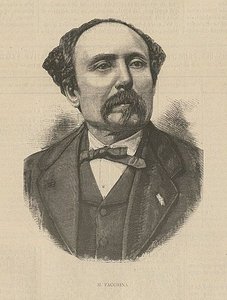
Giandomenico Facchina
1826 - 1903 , Italy
Osnovne informacije
- Artistic Movement Or Style: Mosaic Art
- Artists Or Movements Influenced By This Artist: ['Mosaic production techniques']
- Artists Who Influenced This Artist: ['Byzantine mosaicists']
- Date Of Birth: 1826
- Date Of Death: 1903
- Full Name: Giandomenico Facchina
- Nationality: Italian
- Notable Artworks:
- St Mark's Basilica restoration
- Opéra Garnier mosaics
- Collège Sainte-Barbe arch
- Galerie Vivienne floors
- Place Of Birth: Sequals, Italy
Povezani članci

Arboreal Echoes: A Historical & Artistic Exploration of Trees in Painting
Explore the rich history of trees in painting! Discover symbolism, Romantic masterpieces by Caspar David Friedrich & beyond. A curated journey for art enthusiasts.
Arboreal Echoes: A Historical & Artistic Exploration of Trees in Painting
Explore the rich history of trees in painting! Discover symbolism, Romantic masterpieces by Caspar David Friedrich & beyond. A curated journey for art enthusiasts.

Arthur Dove: Pioneering American Abstraction & the Poetic Language of Modernism
Explore the groundbreaking work of Arthur Dove, a pioneer of American abstraction. Discover his artistic evolution, influences, and investment potential with ArtsDot's expert guide.

Paul Cézanne: 25 Remek-dela Revolucionarnog Umjetnika | ArtsDot
Istražite 25 remek-dela Paula Cézanna, revolucionarnog slikara impresionizma i postimpresionizma. Otkrijte priče iza ikoničnih pejzaža, portreta i mrtve prirode. Kupite luksuzne reprodukcije slika na ArtsDot.com!
Džems Abbot MekNil Whistler: 25 Remek-dela Majstora Tonalizma | ArtsDot
Istražite 25 remek-dela Džemsa Abota MekNila Whistler-a! Uronite u svet Tonalizma, portreta i prelepog pejzaža. Kupite vrhunske reprodukcije slika na ArtsDot.com i obogatite svoj enterijer luksuznom umetnošću.

