

 Pregledaj u prostoru
 Pošalji
 Podeli
 Detalji o delu

 Преузми
 Slični predmeti
 Rendgenski snimak
 Slajdovi
 Stats
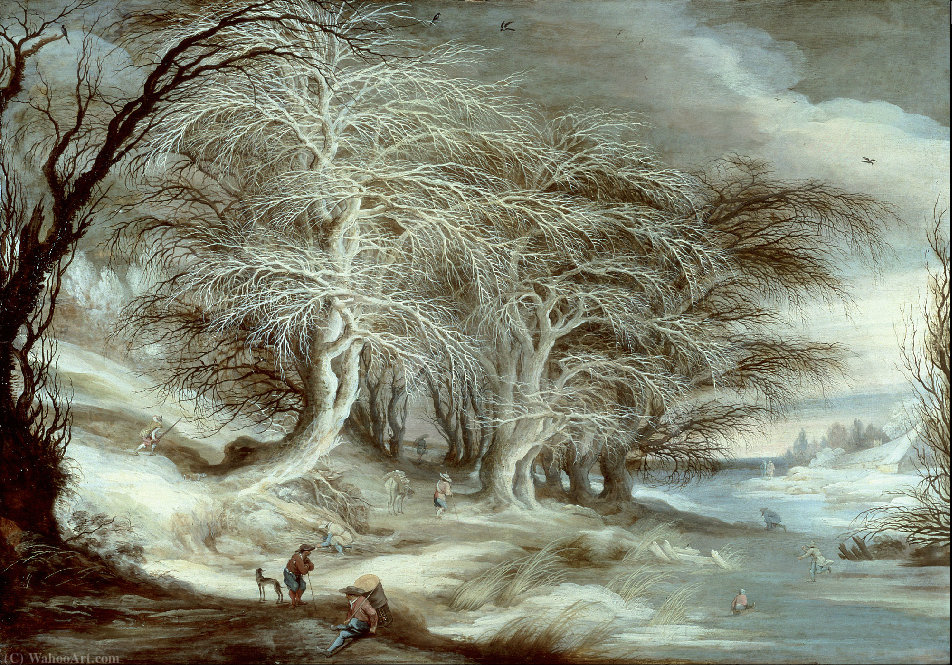
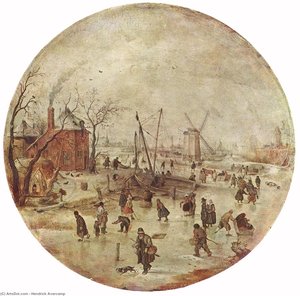
StatsWinter landscape with people strolling on the banks of a frozen river where children play

 Pročitaj više
Ručno rađena uljana reprodukcija
Ručno oslikano uljanim bojama na platnu u dimenzijama i okviru po vašem izboru, izrađeno po porudžbini od strane naših umetnika. ( Switch to Print Switch to Digital Image)




































Izaberite jednu od naših unapred definisanih veličina koje odgovaraju originalnim proporcijama umetničkog dela.

Можете унети сопствене димензије како бисте прилагодили дело одређеном оквиру или простору. Ако одабрана величина не одговара пропорцијама оригинала, слика ће бити исечена или проширена додатним елементима који се ручно насликавају. Дигитални prikaz ће вам бити послат на одобрење пре почетка производње.
Имајте на уму да преглед на екрану не одражава стварно исецање или проширење. Само приказ (mockup) ће тачно приказати коначну композицију.
Иако су доступне прилагођене величине, препоручујемо да одаберете димензију из дефинисане листе како бисте сачували оригиналне пропорције.
Nakon narudžbine, tim ArtsDot.com će klijentu putem e-pošte poslati uputstva i dostaviti prikaz predloženog rešenja
Isporuka širom sveta () za 3/4 nedelje umesto uobičajenih 5 nedelja. (8 септембар). Bez kompromisa po pitanju kvaliteta.

Besplatna ekspresna dostava širom sveta

Visokokvalitetno laneno platno

Kompletno osiguranje transporta

Garancija povraćaja carine i uvoznih dažbina

Garancija vernosti boja

Politika povraćaja u roku od 100 dana (isključivo u slučaju nedostataka)

Garancija povrata novca od 100%

Popust pri grupnoj kupovini
 Opcija sa staklom dostupna je samo za dimenzije manje od 110 cm

Winter landscape with people strolling on the banks of a frozen river where children play
Tehnika reprodukcije
Dimenzije reprodukcije
-


Konačna cena
$ 288
Srodna umetnička dela

Biografija umetnika
Lucas Cranach the Younger: A Master of Renaissance Portraiture and Religious Iconography
Born in Eisleben, Saxony, around 1506 and tragically dying in Wittenberg in 1586, Lucas Cranach the Younger stands as a pivotal figure in the German Renaissance. Often overshadowed by his more famous father, Lucas Cranach the Elder, he nonetheless forged a distinct artistic identity, becoming renowned for his masterful portraits, particularly those of prominent figures of the era, and his dynamic depictions of biblical narratives and religious themes. His work reflects not only the burgeoning humanist ideals of the time but also a deep engagement with the political and social landscape of Reformation-era Germany.
Cranach’s early artistic training is somewhat shrouded in mystery. While he undoubtedly learned from his father, whose workshop flourished in Eisleben, evidence suggests that Cranach spent several years in Basel, Switzerland, immersing himself in the vibrant art scene and absorbing influences from artists like Hans Holbein the Younger. This period profoundly shaped his style, introducing him to the meticulous detail, realistic portrayal of character, and sophisticated use of light and shadow characteristic of Northern Renaissance painting. Returning to Germany, he established a successful workshop in Wittenberg, quickly gaining recognition for his ability to capture the personalities and status of his subjects.
The Portraiture of Power: Cranach’s Royal Commissions
Cranach's fame truly ascended through his prolific commissions from powerful patrons. He painted numerous portraits of Martin Luther, a subject he depicted in a remarkable range of moods and circumstances – as a fiery reformer, a contemplative scholar, and even a playful youth. These portraits are not merely likenesses; they are carefully constructed representations designed to convey specific messages about the sitter’s character, authority, and piety. Beyond Luther, Cranach painted for numerous other dignitaries, including Frederick III, Elector Palatine, and various members of the Saxon court. His ability to capture the nuances of personality—the shrewdness in a ruler's gaze, the intellectual curiosity in a scholar’s expression—made him one of the most sought-after portraitists of his time.
His portraits were often imbued with symbolic elements, reflecting the political and religious currents of the era. The careful selection of clothing, objects, and gestures served to reinforce the sitter's position and ideals. For example, Luther’s portraits frequently incorporate symbols of faith, such as the Bible or a crucifix, subtly reminding viewers of his role as a reformer.
Religious Iconography: Drama and Emotion in Biblical Scenes
Alongside his portraiture, Cranach excelled at depicting religious subjects with remarkable dynamism and emotional intensity. He moved away from the more static and stylized approach favored by some of his contemporaries, embracing a dramatic realism that brought biblical narratives to life. His depictions of the Passion of Christ are particularly noteworthy for their raw emotion and psychological depth. Works like “Christ Carrying the Cross” (circa 1545) and "The Lamentation over the Dead Christ" showcase his ability to convey profound sorrow and spiritual anguish through carefully rendered figures and evocative compositions.
Cranach’s approach to religious painting was deeply influenced by the Reformation. He sought to make biblical stories accessible and relatable to a wider audience, employing vivid colors, dramatic lighting, and expressive gestures to engage the viewer's emotions. His use of color—particularly rich reds and blues—created a sense of theatricality and heightened emotional impact.
Technique and Legacy
Cranach’s artistic technique was characterized by meticulous detail, precise drawing, and a sophisticated understanding of perspective. He employed oil paint with remarkable skill, layering colors to create subtle gradations of tone and texture. His portraits are renowned for their lifelike quality, while his religious paintings are distinguished by their dramatic lighting and expressive figures. He was also an innovator in printmaking, producing numerous woodcuts and engravings that served as both independent works of art and illustrations for books and pamphlets.
Lucas Cranach the Younger’s legacy is profound. He played a crucial role in shaping the artistic landscape of the German Renaissance, influencing generations of artists who followed. His portraits continue to be admired for their psychological insight and technical mastery, while his religious paintings remain powerful expressions of faith and emotion. He stands as a testament to the dynamism and complexity of the era, embodying both the humanist ideals and the turbulent political realities of Reformation-era Germany.
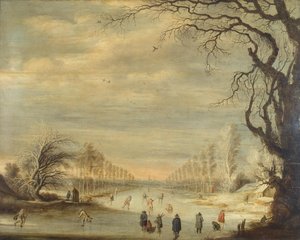
gijsbrecht leytens
1586 - 1656 , Belgium
Osnovne informacije
- Artistic Movement Or Style: Genre, village scenes
- Artists Or Movements Influenced By This Artist: ['Flemish landscape painting']
- Artists Who Influenced This Artist:
- Esaias van de Velde
- Pieter Bruegel the Elder
- Date Of Birth: c. 1586
- Date Of Death: 1666
- Full Name: Joost Cornelisz Droochsloot
- Nationality: Dutch
- Notable Artworks:
- Village street scene
- Moral allegories
- Place Of Birth: Badajoz, Spain
Povezani članci
Charles Leickert: Capturing the Dutch Golden Age Light – A Comprehensive Study of Technique, Context, and Legacy
Explore the captivating winter landscapes of Charles Leickert, a master of Dutch Golden Age light & atmosphere. Discover his techniques, symbolism, and lasting legacy – a comprehensive study for art enthusiasts and collectors.

Zlatno doba Holandske umetnosti: Top 10 remek dela za vaš dom
Otkrijte remek dela Holandskog zlatnog doba! Uronite u svet Rembrandta, Vermeera i drugih majstora. 10 ikoničnih slika koje su definisale umetnost. Inspiracija za vaš dom i kolekciju - ekskluzivne reprodukcije na ArtsDot.com!

Golden Age Reflections: Dutch Baroque Painting & Cultural Innovation
Explore the Dutch Golden Age of painting! Discover key artists like Vermeer & ter Borch, their innovative techniques, and the rich cultural context behind these Baroque masterpieces. Learn about collecting & appreciating this iconic art period.
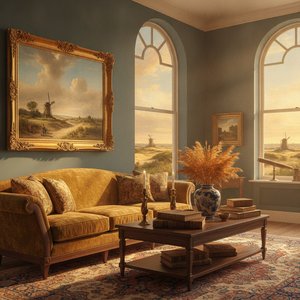
Golden Light & Dutch Skies: Bringing the Magic of Dutch Golden Age Landscapes into Your Home
Transform your home with the breathtaking light of Dutch Golden Age landscapes. Discover how hand-painted oil reproductions of masterworks like Ruisdael and Vermeer bring timeless elegance, atmosphere, and soulful texture to modern interiors. Elevate your space with museum-quality art.
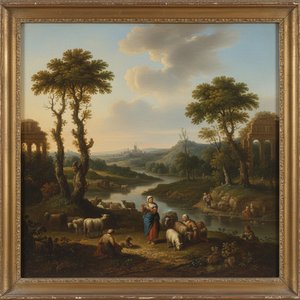
Nicolaes Berchem: Dutch Golden Age Pastoralism & the Evolution of Landscape Painting
Explore the captivating world of Nicolaes Berchem, a leading Dutch Golden Age painter. Discover his idyllic landscapes, masterful technique & lasting influence on art history. Learn more at ArtsDot.