

 Pregledaj u prostoru
 Pošalji
 Podeli
 Detalji o delu

 Преузми
 Slični predmeti
 Rendgenski snimak
 Slajdovi
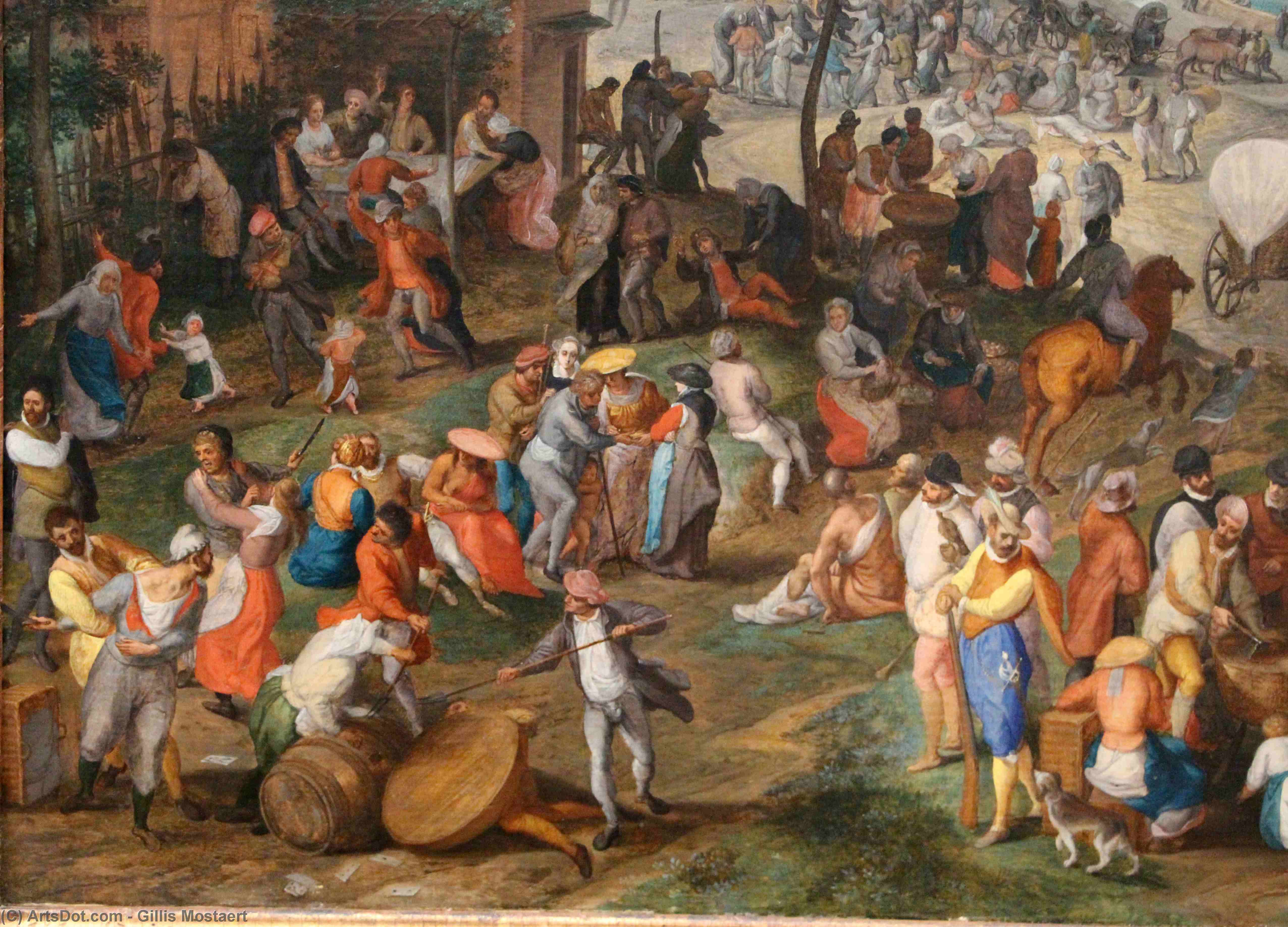
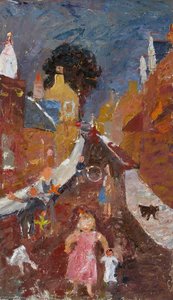
Village festival
 Pročitaj više
Ručno rađena uljana reprodukcija
Ručno oslikano uljanim bojama na platnu u dimenzijama i okviru po vašem izboru, izrađeno po porudžbini od strane naših umetnika. ( Kupi print Kupi digitalnu sliku)




































Izaberite jednu od naših unapred definisanih veličina koje odgovaraju originalnim proporcijama umetničkog dela.

Можете унети сопствене димензије како бисте прилагодили дело одређеном оквиру или простору. Ако одабрана величина не одговара пропорцијама оригинала, слика ће бити исечена или проширена додатним елементима који се ручно насликавају. Дигитални prikaz ће вам бити послат на одобрење пре почетка производње.
Имајте на уму да преглед на екрану не одражава стварно исецање или проширење. Само приказ (mockup) ће тачно приказати коначну композицију.
Иако су доступне прилагођене величине, препоручујемо да одаберете димензију из дефинисане листе како бисте сачували оригиналне пропорције.
Nakon narudžbine, tim ArtsDot.com će klijentu putem e-pošte poslati uputstva i dostaviti prikaz predloženog rešenja
Isporuka širom sveta () za 3/4 nedelje umesto uobičajenih 5 nedelja. (1 септембар). Bez kompromisa po pitanju kvaliteta.

Besplatna ekspresna dostava širom sveta

Visokokvalitetno laneno platno

Kompletno osiguranje transporta

Garancija povraćaja carine i uvoznih dažbina

Garancija vernosti boja

Politika povrata u roku od 60 dana (samo u slučaju nedostataka)

Garancija povrata novca od 100%

Popust pri grupnoj kupovini
 Opcija sa staklom dostupna je samo za dimenzije manje od 110 cm

Village festival
Tehnika reprodukcije
Dimenzije reprodukcije
-


Konačna cena
$ 263
Srodna umetnička dela
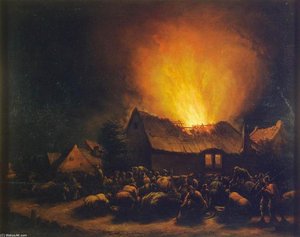
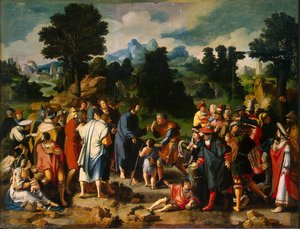
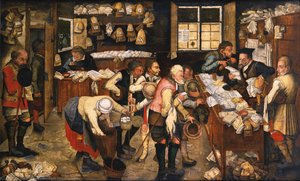
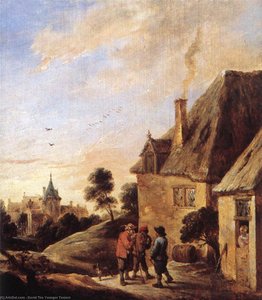
Biografija umetnika
A Flemish Master of Atmosphere: The Life and Art of Gillis Mostaert
Born in the small Dutch town of Hulst around 1528, Gillis Mostaert the Elder emerged as a significant figure within the vibrant artistic landscape of Antwerp during the Renaissance. His story is interwoven with those of his family – he was the son of a painter and twin brother to Frans Mostaert, and potentially grandson to Jan Mostaert, though this lineage remains debated by scholars today. This familial connection to artistry undoubtedly shaped his early development, providing both encouragement and a foundation in technique. From approximately 1550, Gillis formally trained with the landscape painter Jan Mandijn, an influence that would become strikingly apparent in his own mature work. He officially joined the Antwerp Guild of Saint Luke in 1554/1555 alongside his brother, marking his formal entry into the professional art world. It’s also suspected he spent time within the studio of Frans Floris, collaborating with other prominent artists like Marten van Cleve and Maerten de Vos – a period that likely broadened his stylistic range and exposed him to cutting-edge artistic trends.Winter's Embrace and Allegorical Visions
Gillis Mostaert was a remarkably versatile artist, adept at landscape, genre scenes, and historical painting. However, he truly distinguished himself through his captivating winter landscapes, scenes depicting fireside gatherings, and evocative nocturnal settings. These were not merely depictions of scenery; they were highly sought-after commodities during his time, reflecting a growing fascination with atmospheric effects and the subtle nuances of light and shadow. His artistic style was deeply rooted in the Mannerist aesthetic, characterized by a naturalistic portrayal of nature alongside carefully constructed compositions. He populated his canvases with numerous small figures, animating the scenes and drawing the viewer into their world. A keen wit permeated his work as well; legend has it that he included a self-portrait within a resurrection scene, holding his nose against the imagined stench of decay – a testament to his playful approach and willingness to inject personal touches into even religious subjects. The influence of Hieronymus Bosch is also readily apparent in Mostaert’s oeuvre, particularly in compositions derived from tapestries based on Bosch's fantastical creations. Perhaps his most famous work, The Haywain (Allegory on Worldly and Clerical Abuses), exemplifies this inspiration. This complex allegorical painting serves as a scathing critique of the Catholic clergy, exposing greed and illustrating the seven deadly sins with biting satire. Multiple versions of this powerful work exist, each offering a unique perspective on its central theme.Patronage and Workshop Production
Mostaert’s talent did not go unnoticed by prominent patrons of the era. He secured commissions from figures such as François Perrenot de Granvelle, a powerful statesman; Archduke Ernest of Austria; and Archduke Leopold Wilhelm of Austria – demonstrating his ability to cater to the tastes of high society. A particularly significant patron was Filips van Valckenisse, Lord of Hemiksem, an avid art collector who amassed over fifty paintings by Mostaert, solidifying the artist’s reputation and providing him with financial stability. To meet the demands of this patronage and the broader market, Mostaert operated a large and productive workshop. This was common practice for successful artists of the time, allowing them to fulfill numerous commissions while overseeing the work of assistants and apprentices. The workshop became a hub of artistic production in Antwerp, contributing significantly to the city’s flourishing art scene. He frequently employed copper as a support for his oil paintings, a technique that contributed to their luminous quality and enduring appeal.Legacy and Lasting Influence
Gillis Mostaert died in Antwerp in 1598, reportedly burdened by debt, which led to the dispersal of his workshop’s contents among creditors following his death. Despite this unfortunate end, his artistic legacy endured. He played a crucial role in the development of both genre and landscape art within Antwerp, pushing boundaries and inspiring subsequent generations of artists. His incorporation of Mannerist elements into genre painting was particularly innovative, influencing the stylistic evolution of the period. While his workshop’s production sometimes resulted in works of varying quality, the best examples demonstrate Mostaert's skill in capturing atmospheric effects, detailing intricate scenes, and offering insightful social commentary. Today, his paintings are valued for their unique blend of technical mastery, allegorical depth, and evocative power – a testament to the enduring appeal of this Flemish Renaissance master. His works continue to captivate viewers with their ability to transport them to another time and place, inviting contemplation on themes of morality, faith, and the human condition.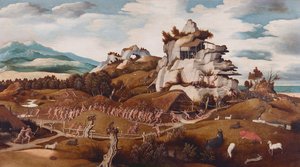
Gillis Mostaert
1528 - 1598 , Netherlands
Osnovne informacije
- Artistic Movement Or Style: Mannerism, Renaissance
- Artists Or Movements Influenced By This Artist:
- Antwerp genre art
- Mannerist painting
- Artists Who Influenced This Artist:
- Jan Mostaert
- Hieronymus Bosch
- Date Of Birth: 1528
- Date Of Death: 1598
- Full Name: Gillis Mostaert
- Nationality: Flemish
- Notable Artworks:
- The Haywain
- Winter Landscapes
- Scene of War & Fire
- Place Of Birth: Hulst, Netherlands

