

 Pregledaj u prostoru
 Pošalji
 Podeli
 Detalji o delu

 Преузми
 Slični predmeti
 Rendgenski snimak
 Slajdovi
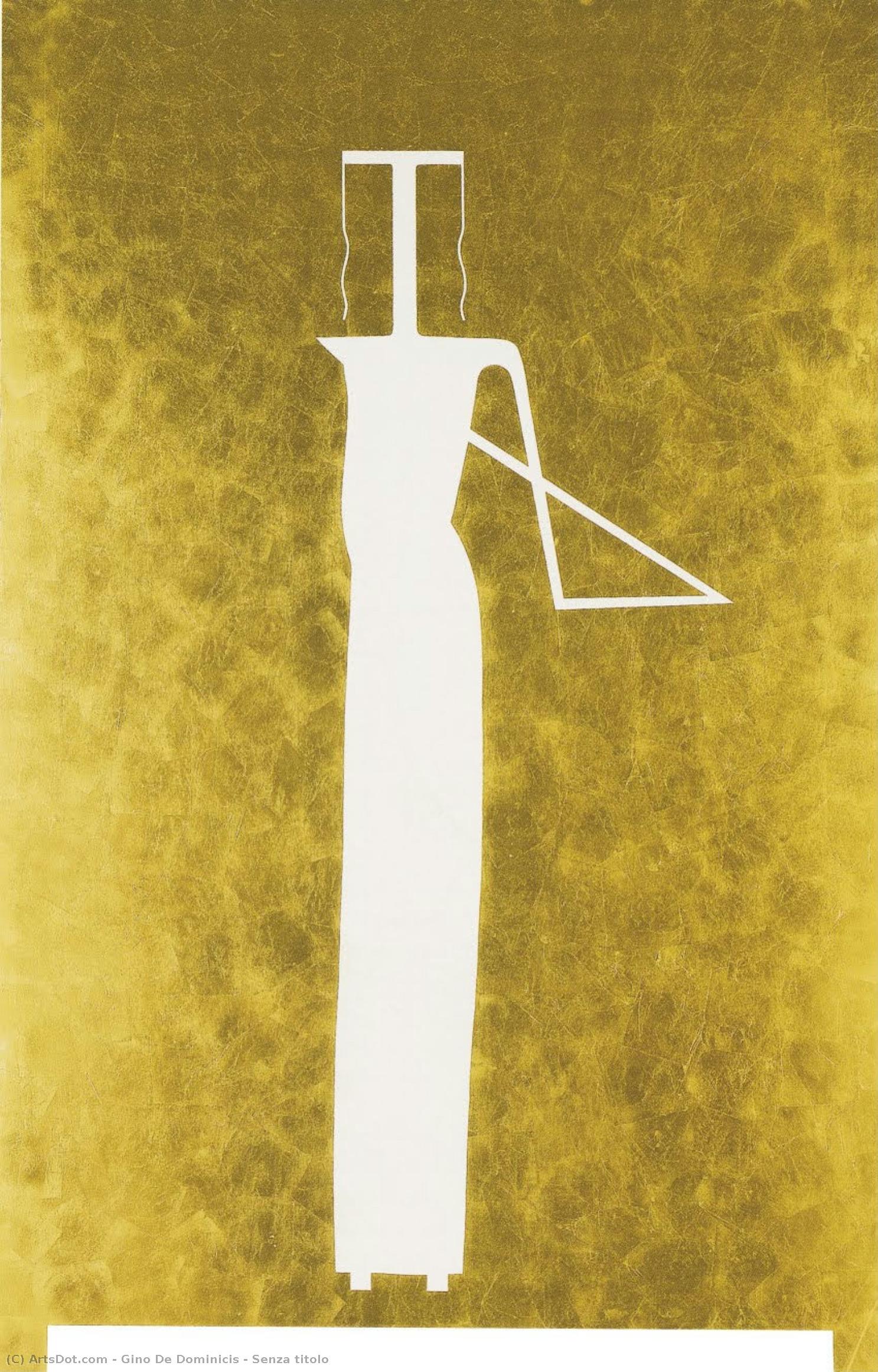
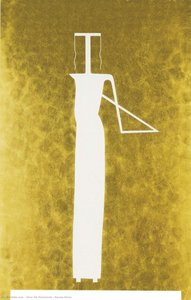
Senza titolo

 Pročitaj više
Kupite digitalnu sliku visoke rezolucije i poboljšanog kvaliteta, koja je znatno superiornija od onoga što vidite u online prikazu.
Svaka datoteka je pedantno pripremljena od strane naših stručnjaka koristeći napredne alate i profesionalnu ručnu retušu. Osiguravamo da svaka slika ima izuzetnu oštrinu, preciznu reprodukciju boja i fine detalje.
Konačna datoteka se dostavlja putem e-pošte u roku od 72 sata, optimizovana za neposrednu upotrebu u profesionalnim, izdavačkim i štamparskim okruženjima. To je isti kvalitet kojem veruju vrhunski studiji dizajna, izdavači i galerije.
Digitalna slika
Preuzmite datoteku visoke rezolucije za ličnu upotrebu, štampanje i kreativne projekte. ( Kupi print Kupi ručno naslikanu sliku)
Uključeno uz svaku porudžbinu digitalne slike
Profesionalna digitalna isporuka, zagarantovana
Kada odaberete ArtsDot.com, ne dobijate samo sliku – vi primate profesionalno unapređeno digitalno umetničko delo, izrađeno sa najvećom preciznošću i uz garanciju zadovoljstva. Evo svega što automatski dolazi uz vašu porudžbinu:

Brza dostava putem e-pošte
Vaša digitalna slika visoke rezolucije biće vam poslata putem e-pošte u roku od 72 sata od poručivanja – spremna za trenutnu upotrebu.

Digitalna datoteka unapređena veštačkom inteligencijom
Vaše umetničko delo je profesionalno optimizovano korišćenjem naprednih AI alata i ručne obrade, čime se osiguravaju maksimalni detalji, oštrina i preciznost boja.

Besplatna ponovna isporuka doživotno
Slučajno ste obrisali ili izgubili svoju datoteku? Ne brinite – poslaćemo vam je ponovo u bilo kom trenutku, potpuno besplatno.

Bez troškova uvoza – zauvek
Uživajte u svojim umetničkim delima trenutno, bez carine, dažbina ili troškova dostave – digitalni download je uvek bez poreza.

Garancija vernosti boja
Uz pomoć profesionalnih alata i upravljanja bojama, osiguravamo da vaša digitalna slika što vernije odražava originalne boje.

Garancija zadovoljstva u roku od 100 dana
Ako niste zadovoljni svojom digitalnom slikom, revidirat ćemo je ili vratiti 100% novca u roku od 100 dana – bez ikakvih pitanja.

100% garancija povrata novca
Niste zadovoljni? Obezbedite pun povrat novca u roku od 100 dana od trenutka kada ste primili svoju digitalnu datoteku – bez suvišnih pitanja.

Popusti na velike porudžbine
Kupite 3 slike, uštedite 10% - Kupite 5 slika, uštedite 15% - Kupite 10+ slika, uštedite 20%. Odlično za kreativne projekte, galerije i agencije.
Srodna umetnička dela
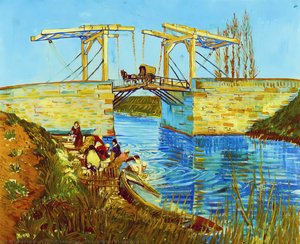
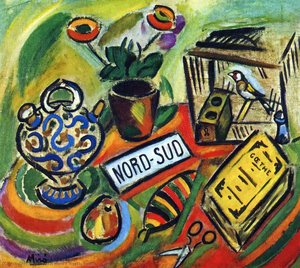
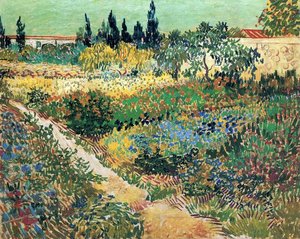

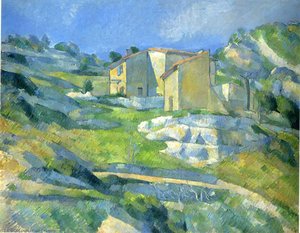

Biografija umetnika
Gino De Dominicis: An Enigmatic Figure of Italian Art
Gino de Dominicis (Ancona, 1947 – Rome, November 29, 1998) remains a profoundly enigmatic figure in the history of Italian art. He resisted easy categorization, refusing to align himself with prevailing movements like Arte Povera or Transavanguardia, and deliberately cultivated an aura of mystery that shaped his entire career. Rather than simply creating works, De Dominicis constructed experiences—often unsettling, always thought-provoking—that challenged conventional notions of art and its role in the world. His life was as carefully orchestrated as his artistic output, a deliberate performance designed to deflect attention from himself and focus it instead on the ideas he sought to convey.
Born into a family with roots in the ceramic industry of Ancona, De Dominicis’s early exposure to craft traditions subtly influenced his later approach. He initially studied at the Istituto Statale d’Arte in Ancona, honing his skills and developing a foundational understanding of artistic principles. However, he quickly moved beyond traditional training, seeking to forge his own path—a path marked by experimentation, intellectual rigor, and a profound engagement with themes of time, mortality, and the elusive nature of reality. His early exhibitions at his father’s gallery established a reputation for unconventionality, showcasing works that hinted at the complex ideas he would later explore.
The Venice Biennale and the Shadow of Paolo Rosa
De Dominicis's breakthrough moment arrived in 1972 with his participation in the Venice Biennale. The exhibition, curated by Francesco Arcangeli, Renato Barilli, and Marco Valsecchi, was a landmark event that showcased both established and emerging artists pushing the boundaries of artistic expression. De Dominicis’s contribution—a young man with Down syndrome seated quietly in a corner of the gallery—immediately sparked controversy and debate. The incident, dubbed “The Second Solution of Immortality,” became a defining moment in his career, transforming him from an obscure artist into a subject of intense scrutiny and fascination.
As recounted by Pier Paolo Pasolini, the decision to include Mr. Paolo Rosa was not driven by a desire for social commentary but rather by a philosophical experiment—a deliberate provocation designed to expose the inherent contradictions within the art world. The immediate removal of Rosa after only an hour underscored De Dominicis’s commitment to his own rules and his willingness to challenge conventional expectations. This event, though fraught with ethical complexities, cemented De Dominicis's place in the annals of Biennale history and established a pattern of deliberate disruption that would characterize much of his work.
A Dual Trajectory: Installations and Painting
De Dominicis’s artistic output can be broadly divided into two distinct phases. From the late 1960s through the mid-1970s, he primarily engaged in creating installations and sculptures—often incorporating unconventional materials and challenging viewers to reconsider their perceptions of space and time. These works, frequently exhibited in Rome at L’Attico, explored themes of mortality, memory, and the relationship between the visible and invisible realms.
Beginning in the early 1980s, De Dominicis shifted his focus almost exclusively to figurative painting. He continued to employ tempera and pencil on paper, eschewing oil paints or canvas—a deliberate choice that reflected his desire for a more direct and immediate connection with the subject matter. His paintings, characterized by their stark simplicity and haunting imagery, often depicted ancient myths and esoteric figures—Gilgamesh, Urvashi, and other archetypal characters grappling with fundamental questions of existence.
Influences and Legacy
De Dominicis’s work resists easy categorization, yet it is clear that he was deeply influenced by a wide range of sources. His interest in Sumerian mythology—particularly the stories of Gilgamesh and Urvasi—reflects a fascination with ancient civilizations and their attempts to grapple with the mysteries of life and death. The influence of Jannis Kounellis’s *Dodici Cavalli Vivi* at L’Attico is also evident in De Dominicis's early installations, which similarly sought to blur the boundaries between art and reality.
Despite his deliberate efforts to remain outside the mainstream art world, De Dominicis exerted a significant influence on a generation of younger Italian artists, including Maurizio Cattelan, Paola Pivi, Pietro Roccasalva, and Diego Perrone. His legacy lies not in any particular style or movement but rather in his unwavering commitment to artistic autonomy—his refusal to compromise his vision and his willingness to challenge the conventions of the art world. The retrospective exhibition at Maxxi in Rome in 2010, curated by Achille Bonito Oliva, finally brought De Dominicis’s work to a wider audience, solidifying his place as one of the most intriguing and challenging figures of contemporary Italian art.
gino de dominicis
1947 - 1998
Kratke činjenice
- Artistic Movement Or Style: Experimental art
- Artists Or Movements Influenced By This Artist:
- Maurizio Cattelan
- Paola Pivi
- Artists Who Influenced This Artist: ['Edgardo Mannucci']
- Date Of Birth: 1947
- Date Of Death: 1998
- Full Name: Gino de Dominicis
- Nationality: Italian
- Notable Artworks:
- Calamita Cosmica
- Untitled (488)
- Seconda soluzione d’immortalità
- Place Of Birth: Ancona, Italy