

 Pregledaj u prostoru
 Pošalji
 Podeli
 Detalji o delu

 Преузми
 Slični predmeti
 Rendgenski snimak
 Slajdovi
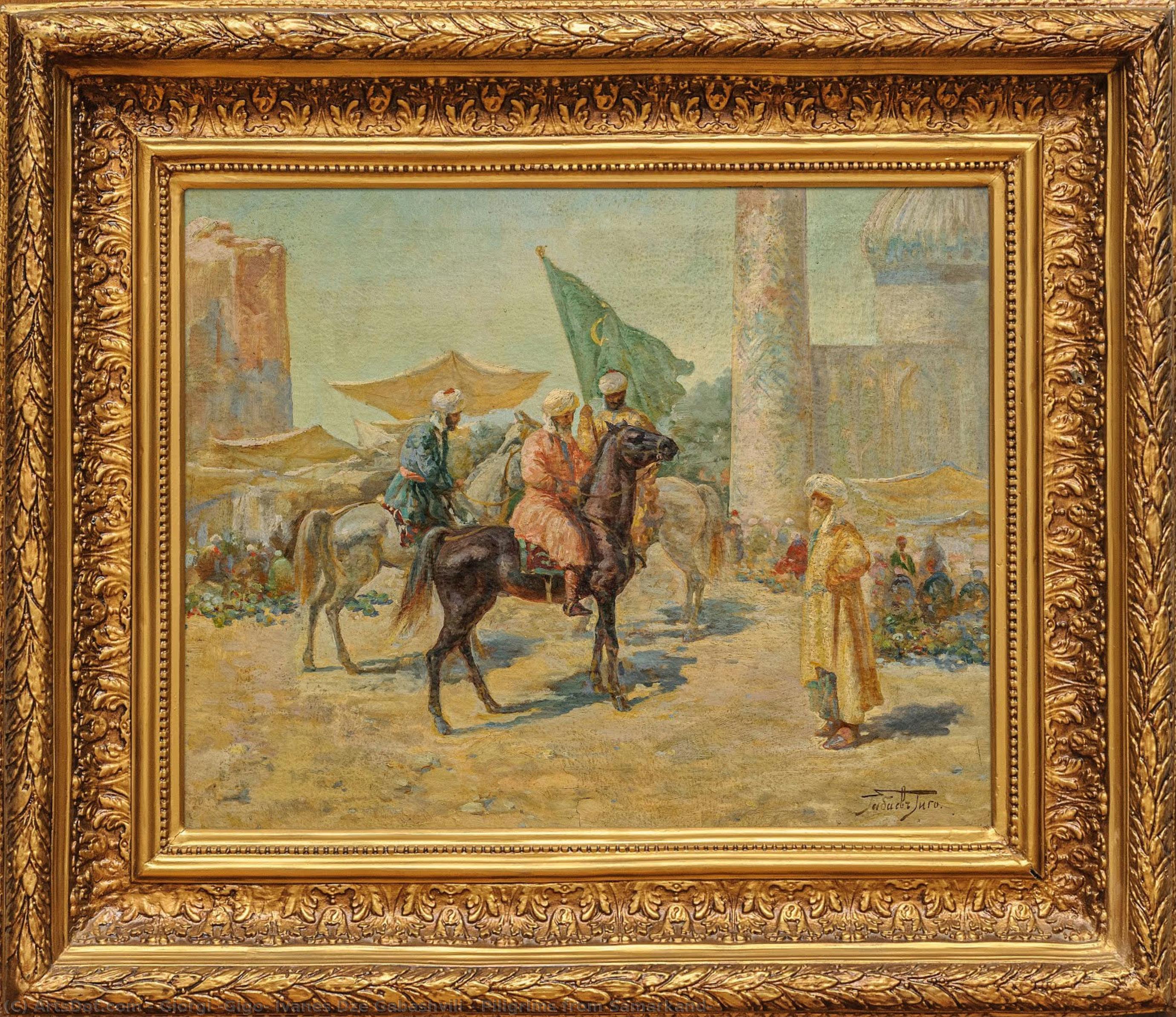
Piligrims from Samarkand
 Oil On Canvas
- WallArt
- Academic Realism
 1894
1894- 19th Century
 53.0 x 65.0 cm
 Art Palace of Georgia - Museum of Cultural History
 Pročitaj više
Kupite digitalnu sliku visoke rezolucije i poboljšanog kvaliteta, koja je znatno superiornija od onoga što vidite u online prikazu.
Svaka datoteka je pedantno pripremljena od strane naših stručnjaka koristeći napredne alate i profesionalnu ručnu retušu. Osiguravamo da svaka slika ima izuzetnu oštrinu, preciznu reprodukciju boja i fine detalje.
Konačna datoteka se dostavlja putem e-pošte u roku od 72 sata, optimizovana za neposrednu upotrebu u profesionalnim, izdavačkim i štamparskim okruženjima. To je isti kvalitet kojem veruju vrhunski studiji dizajna, izdavači i galerije.
Digitalna slika
Preuzmite datoteku visoke rezolucije za ličnu upotrebu, štampanje i kreativne projekte. ( Kupi print Kupi ručno naslikanu sliku)
Uključeno uz svaku porudžbinu digitalne slike
Profesionalna digitalna isporuka, zagarantovana
Kada odaberete ArtsDot.com, ne dobijate samo sliku – vi primate profesionalno unapređeno digitalno umetničko delo, izrađeno sa najvećom preciznošću i uz garanciju zadovoljstva. Evo svega što automatski dolazi uz vašu porudžbinu:

Brza dostava putem e-pošte
Vaša digitalna slika visoke rezolucije biće vam poslata putem e-pošte u roku od 72 sata od poručivanja – spremna za trenutnu upotrebu.

Digitalna datoteka unapređena veštačkom inteligencijom
Vaše umetničko delo je profesionalno optimizovano korišćenjem naprednih AI alata i ručne obrade, čime se osiguravaju maksimalni detalji, oštrina i preciznost boja.

Besplatna ponovna isporuka doživotno
Slučajno ste obrisali ili izgubili svoju datoteku? Ne brinite – poslaćemo vam je ponovo u bilo kom trenutku, potpuno besplatno.

Bez troškova uvoza – zauvek
Uživajte u svojim umetničkim delima trenutno, bez carine, dažbina ili troškova dostave – digitalni download je uvek bez poreza.

Garancija vernosti boja
Uz pomoć profesionalnih alata i upravljanja bojama, osiguravamo da vaša digitalna slika što vernije odražava originalne boje.

Garancija zadovoljstva u roku od 60 dana
Ako niste zadovoljni svojom digitalnom slikom, revidirat ćemo je ili vratiti 100% novca u roku od 60 dana – bez ikakvih pitanja.

100% garancija povrata novca
Niste zadovoljni? Obezbedite pun povrat novca u roku od 60 dana od trenutka kada ste primili svoju digitalnu datoteku – bez suvišnih pitanja.

Popusti na velike porudžbine
Kupite 3 slike, uštedite 10% - Kupite 5 slika, uštedite 15% - Kupite 10+ slika, uštedite 20%. Odlično za kreativne projekte, galerije i agencije.
Opis kolekcionarskog dela
A Journey Through Time: The Spirit of Piligrims from Samarkand
To gaze upon Gigo Gabashvili's Piligrims from Samarkand is to be instantly transported across vast deserts and through the swirling currents of history. This magnificent oil on canvas, dating from 1894, is far more than a mere depiction of travelers; it is a vibrant tapestry woven from cultural encounter, arduous journey, and enduring human spirit. The scene unfolds under an imagined sun, capturing a moment of passage where tradition meets the unknown horizon. One feels the dust kicked up by hooves and hears the distant calls echoing across the arid expanse.
Mastery in Depicting the Exotic East
Gabashvili, deeply influenced by his travels through the Middle Asia, channeled an almost palpable sense of place into this work. The composition is dominated by a striking group of figures mounted on horses, their forms rendered with a remarkable degree of realism that belies the exotic nature of their surroundings. Notice the rich detail in the traditional clothing worn by the men; each fold and pattern speaks to a distinct cultural heritage, suggesting a confluence of peoples gathered for some momentous occasion or pilgrimage. The inclusion of flags held aloft adds layers of symbolic weight, hinting at alliances, beliefs, or perhaps simply the pride of lineage.
Technique and Compositional Power
The artist’s technique here is masterful, showcasing an ability to balance narrative drama with technical precision. Gabashvili utilizes the grand scale of the canvas to draw the viewer deep into the action. The arrangement of the five horses and six figures creates a dynamic diagonal movement across the frame, leading the eye inevitably toward the distant castle structure visible in the background. This architectural element serves as both a destination and a symbol of civilization or permanence against the backdrop of nomadic travel. It is a study in contrasts: the wild energy of the journey set against the solid promise of stone.
Symbolism of the Pilgrim's Path
Beyond its immediate visual splendor, Piligrims from Samarkand resonates with universal themes. The concept of the pilgrim itself—the seeker on a quest—is timeless. It speaks to our own internal journeys, the moments when we feel pulled between the comfort of the known and the mystery of what lies ahead. The desert setting is inherently symbolic, representing trials, purification, and necessary solitude. Gabashvili invites us not just to observe the riders, but to contemplate the nature of their quest, whether physical or spiritual.
Bringing the Grandeur Home
For the discerning collector or designer seeking an anchor piece for a grand hall or study, this reproduction offers unparalleled depth. Owning a piece echoing Gabashvili’s vision allows one to infuse a space with the romance of global adventure and historical gravitas. It is art that demands contemplation, whispering tales of distant lands and the enduring power found within human connection during times of great passage.
Srodna umetnička dela




Biografija umetnika
Gustav Klimt: A Rebel of Form and Feeling
Born in Vienna in 1862, Gustav Klimt emerged as a pivotal figure in the late 19th-century art world, a time of rapid change and burgeoning artistic experimentation. His life, tragically cut short at the age of 57 in 1918, was marked by both immense success and profound personal struggles – experiences that inextricably shaped his distinctive style and enduring legacy. Klimt’s journey wasn't one of straightforward academic progression; instead, it was a deliberate rejection of established norms, fueled by a desire to express the complexities of human emotion and experience through richly symbolic imagery.
Klimt’s early artistic training at the Vienna School of Arts and Crafts provided him with a foundational understanding of draftsmanship and decorative techniques. However, he quickly recognized the limitations of this classical approach, finding it too restrictive for his burgeoning vision. He sought inspiration in diverse sources – Japanese art, Byzantine mosaics, and the Symbolist movement—all of which contributed to his fascination with pattern, texture, and the evocative power of color. This eclectic influence is immediately apparent in his early works, such as *Portrait of Adele Bloch-Bauer*, a stunning example of Klimt’s developing style that blends meticulous detail with an increasingly opulent and decorative aesthetic.
- Early Years & The Company of Artists: Klimt's initial foray into the art market was through collaboration with his brother, Ernst, and friend Franz Masch, forming “The Company of Artists.” This partnership proved initially fruitful, securing commissions for murals in public buildings like the Vienna Burgtheater and the Kunsthistorisches Museum. These projects allowed Klimt to hone his skills in large-scale decorative painting while simultaneously exploring his own artistic inclinations.
- The Secession Movement: A turning point arrived in 1897 with Klimt’s departure from the conservative Vienna Artists' Association and his involvement in the formation of the Secession – a group dedicated to challenging academic conventions and advocating for artistic freedom. The Secession’s manifesto, famously designed by Klimt himself, declared a “new art” that would break free from the constraints of tradition.
- Symbolism & Eroticism: Klimt's work during this period became increasingly infused with symbolism and erotic undertones. He explored themes of love, desire, and spirituality through stylized figures, intricate patterns, and rich color palettes. *The Kiss*, perhaps his most iconic painting, exemplifies this approach—a tender yet enigmatic depiction of a couple enveloped in a shimmering golden embrace.
The Golden Phase: A World of Myth and Desire
Following the Secession’s formation, Klimt entered what is often referred to as his “golden phase.” This period saw him produce some of his most celebrated works, characterized by an overwhelming use of gold leaf—a technique borrowed from Byzantine mosaics—to create a sense of opulence, divinity, and timelessness. The application of gold wasn’t merely decorative; it served as a visual metaphor for spiritual illumination and the transformative power of love.
- Adele Bloch-Bauer Portraits: Klimt's portraits of wealthy Viennese women, particularly *Portrait of Adele Bloch-Bauer I* (1907), are masterpieces of his golden phase. These works showcase his ability to capture the sitter’s personality and social status while simultaneously imbuing them with a sense of mystery and allure. The intricate patterns in the backgrounds—often inspired by textiles and geometric designs—create a mesmerizing visual experience.
- The Judith Series: Klimt's series of paintings depicting the biblical heroine Judith, who beheaded Holofernes to save her people, further explored themes of female power, sexuality, and sacrifice. These works are notable for their bold compositions, dramatic lighting, and symbolic use of color.
Personal Tragedy & Artistic Transformation
The death of Klimt’s brother, Ernst, in 1918, profoundly impacted the artist's work. This devastating loss, coupled with the financial difficulties he faced during World War I, led to a shift in his artistic direction. While he continued to employ gold leaf, his paintings became darker and more emotionally charged, reflecting his own sense of grief and disillusionment.
Despite this period of personal turmoil, Klimt produced some of his most powerful works—including *Death and Life* (1918), a haunting depiction of mortality and regeneration. These paintings demonstrate a willingness to confront difficult themes with unflinching honesty and emotional intensity. The influence of the Secession’s ideals remained, but they were now tempered by a deeper understanding of human suffering and the fragility of life.
Legacy & Enduring Influence
Gustav Klimt's work continues to captivate audiences worldwide. His distinctive style—characterized by its opulent decoration, symbolic imagery, and exploration of erotic themes—has had a profound influence on subsequent generations of artists. From Art Nouveau to contemporary design, his aesthetic has been widely imitated and celebrated.
- Art Nouveau & Decorative Arts: Klimt’s work played a significant role in the development of Art Nouveau, an international style characterized by its flowing lines, organic forms, and emphasis on craftsmanship.
- Modern Symbolism: His exploration of symbolism and psychological themes paved the way for later movements such as Expressionism and Surrealism.
- Continued Popularity: Klimt’s paintings remain immensely popular, adorning posters, fabrics, and other commercial products—a testament to their enduring appeal and artistic significance.
Gustav Klimt's life and art represent a complex and fascinating intersection of personal tragedy, artistic innovation, and cultural transformation. He was a rebel who dared to challenge convention, a visionary who sought to express the deepest emotions through visual form, and an artist whose legacy continues to inspire and provoke debate today.
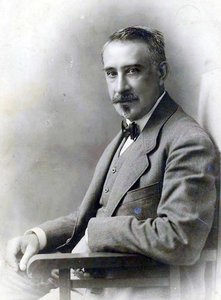
giorgi (gigo) ivanes dze gabashvili
1862 - 1936

