

 Pregledaj u prostoru
 Pošalji
 Podeli
 Detalji o delu

 Преузми
 Slični predmeti
 Rendgenski snimak
 Slajdovi
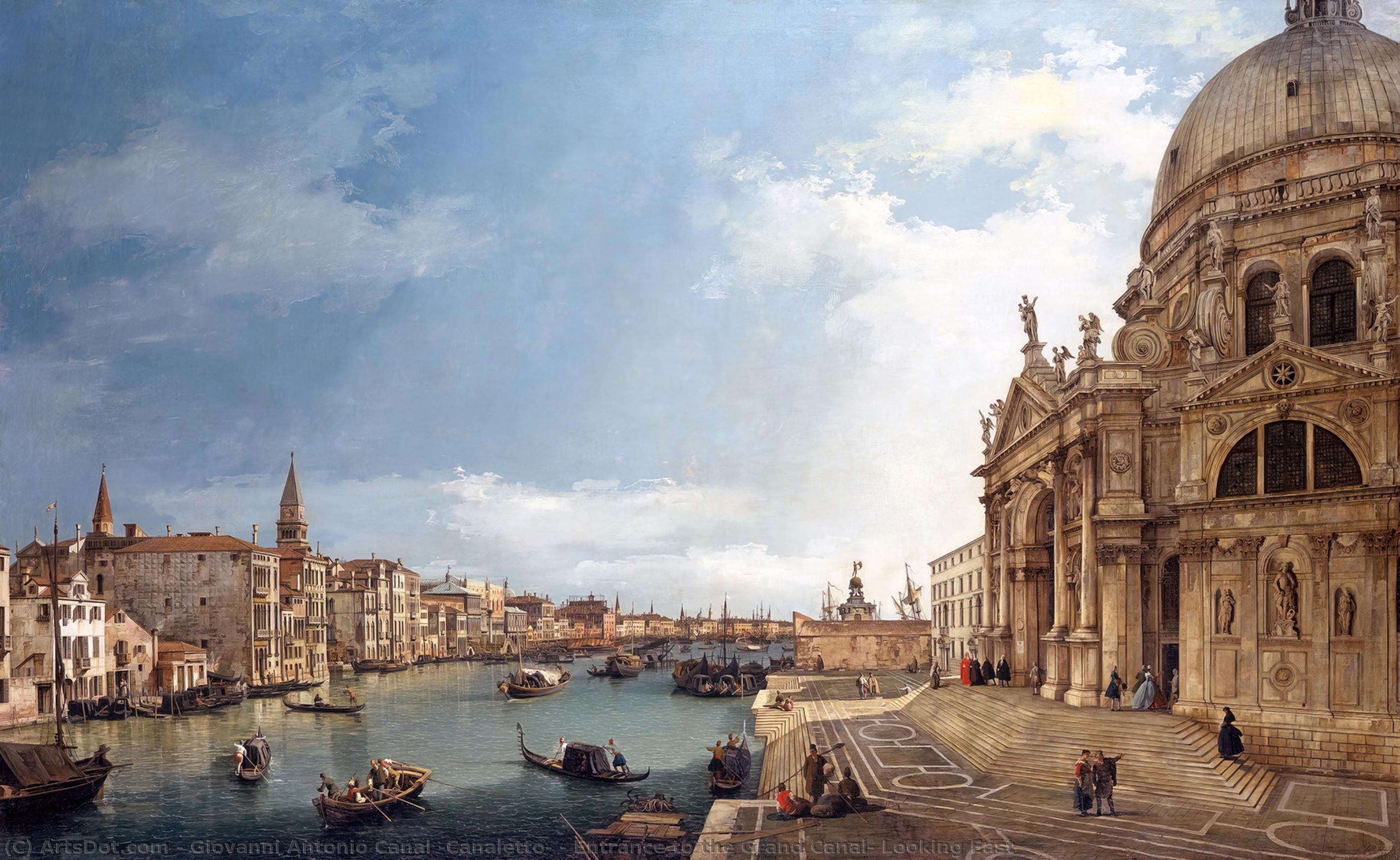
Entrance to the Grand Canal: Looking East
 Acrylic On Canvas
- WallArt
- Venetian School
 1744
1744 127.0 x 203.0 cm
 Royal Collection
 Pročitaj više
Giclee štampa / Umetnički otisak
Giclée štampa ili print na platnu muzejskog kvaliteta uz brzu proizvodnju i fleksibilne opcije završne obrade. ( Kupi ručno naslikanu sliku Kupi digitalnu sliku)




P118B $10

P118H $10

P118W $10

P438Z $10

P508JH $12

P508YH $12

P805H $10

P805Z $10

P919BZ $10

P919G $10

P919XJ $10

P959ZH $10

P968JZ $12

W106C $8

W218G $10

W218JH $8

W218Y $10

W307PJ $10

W316G $10

W316PJ $8

W316Y $10

W398PJ $8

W4111J $10

W500HY $15

W500JH $15

W692G $12

W849H $8

W940BG $15

W953PJ $8




Izaberite jednu od naših unapred definisanih veličina koje odgovaraju originalnim proporcijama umetničkog dela.

Možete uneti sopstvene dimenzije kako biste umetničko delo prilagodili specifičnom okviru ili prostoru. Ako odabrani format ne odgovara proporcijama originalne slike, mi ćemo ili iscrtati deo dela ili proširiti sliku pomoću ogledane ivice ili jednobojnog popunjavanja. Digitalni prikaz će vam biti poslat na odobrenje pre početka proizvodnje.
Imajte na umu da pregled na ekranu ne odražava stvarno iscrtavanje ili proširivanje. Samo će prikaz (mockup) precizno pokazati finalnu kompoziciju.
Iako su prilagođene dimenzije dostupne, preporučujemo da odaberete dimenziju sa unapred definisane liste kako biste očuvali originalne proporcije.
Dostava širom sveta () za 2 nedelje umesto uobičajenih 4/5 nedelja. (4 септембар)

Besplatna ekspresna dostava širom sveta

Visokokvalitetno laneno platno

Kompletno osiguranje transporta

Garancija povraćaja carine i uvoznih dažbina

Garancija vernosti boja

Politika povrata u roku od 60 dana (samo u slučaju nedostataka)

Garancija povrata novca od 100%

Popust pri grupnoj kupovini
 Opcija sa staklom dostupna je samo za dimenzije manje od 110 cm

Entrance to the Grand Canal: Looking East
Giclee štampa / Umetnički otisak
Dimenzije reprodukcije
-


Konačna cena
$ 62
A Venetian Symphony of Light and Movement
Giovanni Antonio Canal, universally known as Canaletto, possessed a singular gift – the ability to capture not just the appearance of Venice, but its very essence. His “Entrance to the Grand Canal: Looking East,” painted in 1744, is more than a mere depiction of a bustling waterway; it’s a vibrant snapshot of daily life, infused with the city's characteristic energy and a masterful understanding of light and atmosphere. The painting immediately draws the eye into a scene teeming with activity – gondolas gliding across the water, merchants unloading goods, citizens engaged in animated conversation, and children playfully splashing near the canal banks. It’s a moment frozen in time, radiating warmth and a palpable sense of urban vitality.
Canaletto's genius lay not just in his meticulous observation, but in his skillful use of technique. Executed with delicate brushstrokes and a remarkably subtle palette, the work exemplifies his signature topographical style. He employed a layered approach, building up tones and textures to create an illusion of depth and volume. Notice how he masterfully renders the reflections shimmering on the water’s surface – these aren't simply mirrored images but are imbued with their own luminosity, contributing significantly to the painting’s overall sense of realism. The artist’s use of chiaroscuro—the dramatic contrast between light and shadow—further enhances the scene’s dynamism, highlighting key figures and architectural details while subtly blurring the background.
The Grand Canal: A Vein Through Venice
The Grand Canal itself is the painting's central artery, a vital lifeline for commerce and social interaction within Venice. Dating back to the 17th century, it served as the city’s primary thoroughfare, connecting its various districts and facilitating trade with the outside world. Canaletto’s depiction isn’t just of a canal; it's of a microcosm of Venetian society – a place where wealth and poverty, commerce and leisure, converge. The presence of numerous boats, each carrying its own cargo or passengers, speaks to the city’s economic importance. The bustling activity along the banks underscores Venice’s role as a vibrant hub of trade and cultural exchange.
Interestingly, Canaletto's work reflects a shift in Venetian art during this period. While earlier Venetian painters often focused on religious subjects or mythological scenes, Canaletto increasingly turned his attention to secular themes – cityscapes, portraits, and scenes of everyday life. This change mirrored the broader cultural trends of the Enlightenment, which emphasized reason, observation, and the appreciation of the natural world. His meticulous documentation of Venice’s architecture and urban landscape became highly sought after by European collectors and patrons, solidifying his reputation as one of the most important topographical artists of his time.
Symbolism and Emotional Resonance
Beyond its technical brilliance, “Entrance to the Grand Canal” is rich in symbolic meaning. The vibrant colors—the warm yellows and oranges of the sunlight, the deep blues and greens of the water—evoke a sense of optimism and prosperity. The numerous figures engaged in various activities suggest a thriving community, while their interactions hint at the complex social dynamics within Venetian society. The painting’s overall mood is one of joyful celebration – a testament to Venice's enduring beauty and vitality.
Furthermore, the composition itself contributes to the work’s emotional impact. The diagonal lines created by the boats and canals draw the viewer’s eye into the scene, creating a sense of movement and dynamism. The carefully arranged figures create a harmonious balance, while their varied gestures and expressions convey a range of emotions – curiosity, amusement, and engagement. Canaletto doesn't simply show us Venice; he invites us to experience it—to feel its energy, its beauty, and its spirit.
A Timeless Masterpiece: Reproduction Possibilities
Reproductions of “Entrance to the Grand Canal: Looking East” offer a remarkable opportunity to bring this iconic Venetian scene into your home or office. High-quality reproductions capture the painting’s exquisite detail and vibrant colors, allowing you to appreciate Canaletto's artistry from afar. Whether displayed in a formal living room or a casual study, this timeless masterpiece will undoubtedly serve as a focal point of conversation and inspiration. Consider framing it within a classic wooden frame to further enhance its historical charm.
Srodna umetnička dela
Biografija umetnika
Рани живот и формирање уметника
Ђовани Антонио Канал, познатији као Каналето, рођен је 18. октобра 1697. године у живописном граду Венецији. Син је Бернарда Канала, сликара позоришних декора и Артемизије Барбијери. Његово прво уметничко образовање започело је са оцем, који га је научио основним техникама сликарства. Каналетов рани таленат био је очигледан, а његов отац га је подстицао да развија свој стил и вештине.
Путовања и усавршавање заната
Године 1718. Каналето се преселио у Рим, где је радио на изради декора за две опере Александра Скарлатија. Ово искуство имало је дубок утицај на његов развој као уметника. У Риму је стекао драгоцено знање о перспективи и композицији, што ће касније бити кључно за његов препознатљив стил. Након повратка у Венецију, Каналето се посветио сликању топографских приказа града, који су га прославили.
Венеција као главна инспирација
Каналето је постао мајстор у приказивању лепоте и атмосфере Венеције. Његови радови одликују се изузетном прецизношћу, детаљима и реалистичним приказом светла и сенке. Сликао је канале, тргове, палате и церемоније, стварајући живописне портрете града који су постали симбол венецијанског живота. Међу његова најпознатија дела спадају Двориште каменорезаца (око 1725.), ремек-дело које демонстрира његову рану вештину, као и Регата на Великом каналу, живописна слика венецијанских свечаности. Каналето је био изузетно посвећен реализму у свом раду, а многи стручњаци верују да је користио камеру обскуру како би постигао максималну топографску тачност.
Сарадња и признање
Каналето није радио самостално. Сарађивао је са својим нећаком, Бернардом Белетом, који је такође постао успешан уметник. Заједно су створили многа значајна дела, размењујући идеје и технике. Каналетово дело стекла је велико признање како у Италији тако и у иностранству, посебно у Енглеској, где је посетио између 1746. и 1756. године. Током боравка у Енглеској сликао је многа значајна дела, укључујући Етон колеџ, што сведочи о његовом утицају на енглеску уметност.
Наслеђе и трајан утицај
Радови Каналета се могу видети у многим музејима широм света, укључујући Националну галерију у Лондону. Његово наслеђе је огромно, а многи уметници су били инспирисани његовим стилом и техником. Каналето је оставио неизбрисив траг на венецијанском сликарству и европској уметности уопште. Он се сматра мајстором пејзажа и једним од најзначајнијих представника Ведуте жанра, који се бави приказивањем градских призора. Каналето је умро 19. априла 1768. године у Венецији, али његова дела и даље одушевљавају публику широм света.
- Погледајте Каналетова дела на https://ArtsDot.com/@/giovanni-antonio-canal
- Сазнајте више о Каналету на Википедији
- Откријте лепоту венецијанске уметности у Палумбо-Фосати колекцији (Венеција, Италија)
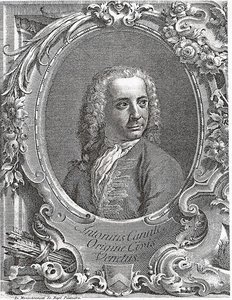
Каналето
1697 - 1768 , Italija
Osnovne informacije
- Artistic Movement Or Style: Vedute Venecije
- Artists Or Movements Influenced By This Artist: ['Tintoretto']
- Artists Who Influenced This Artist: ['Giovanni Paolo Pannini']
- Date Of Birth: 18. oktobar 1697.
- Date Of Death: 19. april 1768.
- Full Name: Giovanni Antonio Canal
- Nationality: Italijan
- Notable Artworks:
- Dvorište kamenorezaca
- Regata na Grand Canalu
- Eton College
- Place Of Birth: Venecija, Italija
Povezani članci
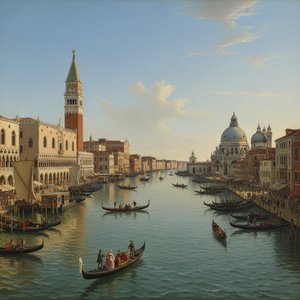
Giovanni Antonio Canal (Canaletto): A Venetian Master of Light, Space & Societal Observation
Explore the life & art of Giovanni Antonio Canal (Canaletto), a Venetian master renowned for his breathtaking cityscapes. Discover his techniques, legacy, and captivating depictions of 18th-century Venice & London.
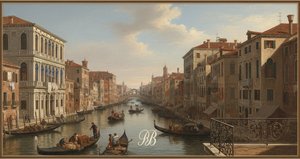
Bernardo Bellotto: Canaletto's Nephew & Master of Veduta Painting – A Comprehensive Exploration
Explore the life & art of Bernardo Bellotto, Canaletto’s nephew and a master of veduta painting. Discover his stunning cityscapes of Dresden & Warsaw, artistic techniques, and lasting legacy. Expert insights for collectors.

18th Century Masters: 10 Artworks That Define an Era | ArtsDot
Journey through 18th century art! Explore 10 iconic paintings – from Rococo elegance to Neoclassical grandeur. Discover Fragonard, David & more. Find museum-quality reproductions and elevate your home decor on ArtsDot.com.
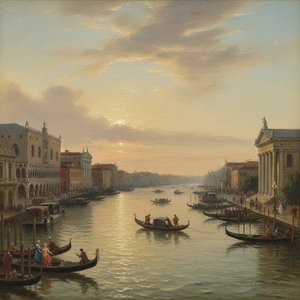
Francesco Guardi: Venetian Light, Atmospheric Perspective & the Rococo to Neoclassical Transition
Explore the captivating world of Francesco Guardi, master of Venetian light and atmosphere. Discover his transition from Rococo to Neoclassicism, influence on Impressionism & investment potential with ArtsDot.
Civic Virtue and Artistic Rivalry: Patronage and Innovation in the Italian Renaissance Republics, 1400–1600
Explore the Italian Renaissance! Discover how competitive patronage & humanist ideals fueled artistic innovation in republics like Florence & Venice. Expert insights for art lovers and collectors.

