

 Pregledaj u prostoru
 Pošalji
 Podeli
 Detalji o delu

 Преузми
 Slični predmeti
 Rendgenski snimak
 Slajdovi
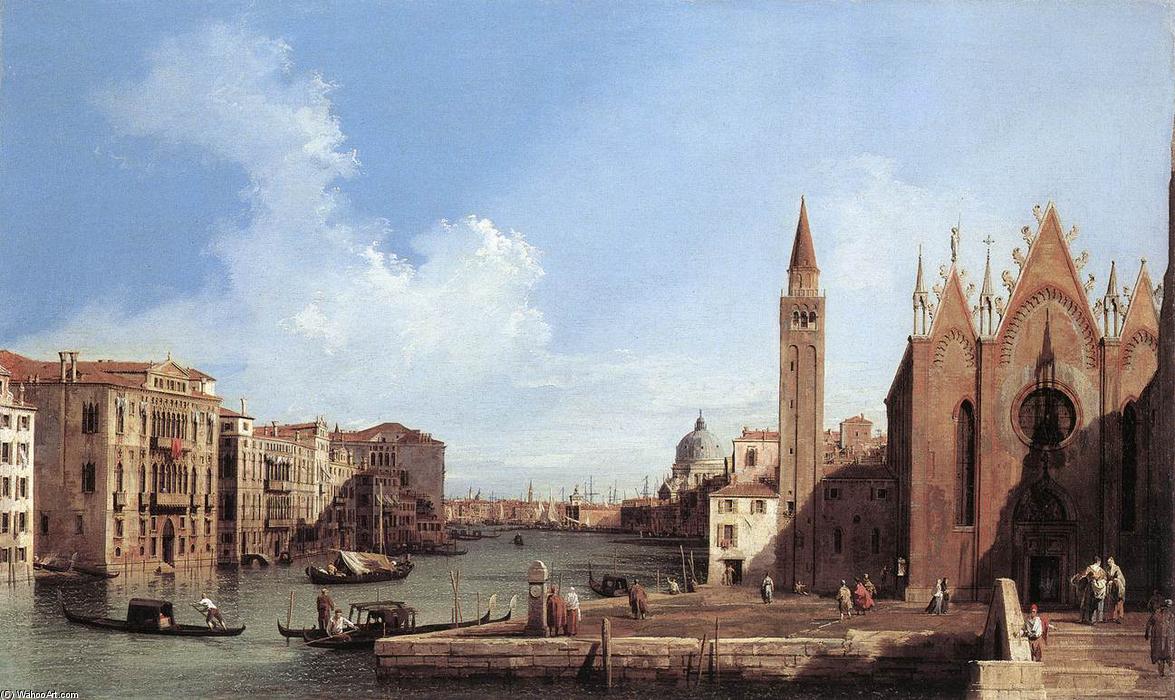
Grand Canal: from Santa Maria della Carità to the Bacino di San Marco
 Acrylic On Canvas
- WallArt
- Venetian Landscape
 1730
1730 47.0 x 80.0 cm
 Royal Collection
 Pročitaj više
Kupite digitalnu sliku visoke rezolucije i poboljšanog kvaliteta, koja je znatno superiornija od onoga što vidite u online prikazu.
Svaka datoteka je pedantno pripremljena od strane naših stručnjaka koristeći napredne alate i profesionalnu ručnu retušu. Osiguravamo da svaka slika ima izuzetnu oštrinu, preciznu reprodukciju boja i fine detalje.
Konačna datoteka se dostavlja putem e-pošte u roku od 72 sata, optimizovana za neposrednu upotrebu u profesionalnim, izdavačkim i štamparskim okruženjima. To je isti kvalitet kojem veruju vrhunski studiji dizajna, izdavači i galerije.
Digitalna slika
Preuzmite datoteku visoke rezolucije za ličnu upotrebu, štampanje i kreativne projekte. ( Kupi print Kupi ručno naslikanu sliku)
Uključeno uz svaku porudžbinu digitalne slike
Profesionalna digitalna isporuka, zagarantovana
Kada odaberete ArtsDot.com, ne dobijate samo sliku – vi primate profesionalno unapređeno digitalno umetničko delo, izrađeno sa najvećom preciznošću i uz garanciju zadovoljstva. Evo svega što automatski dolazi uz vašu porudžbinu:

Brza dostava putem e-pošte
Vaša digitalna slika visoke rezolucije biće vam poslata putem e-pošte u roku od 72 sata od poručivanja – spremna za trenutnu upotrebu.

Digitalna datoteka unapređena veštačkom inteligencijom
Vaše umetničko delo je profesionalno optimizovano korišćenjem naprednih AI alata i ručne obrade, čime se osiguravaju maksimalni detalji, oštrina i preciznost boja.

Besplatna ponovna isporuka doživotno
Slučajno ste obrisali ili izgubili svoju datoteku? Ne brinite – poslaćemo vam je ponovo u bilo kom trenutku, potpuno besplatno.

Bez troškova uvoza – zauvek
Uživajte u svojim umetničkim delima trenutno, bez carine, dažbina ili troškova dostave – digitalni download je uvek bez poreza.

Garancija vernosti boja
Uz pomoć profesionalnih alata i upravljanja bojama, osiguravamo da vaša digitalna slika što vernije odražava originalne boje.

Garancija zadovoljstva u roku od 60 dana
Ako niste zadovoljni svojom digitalnom slikom, revidirat ćemo je ili vratiti 100% novca u roku od 60 dana – bez ikakvih pitanja.

100% garancija povrata novca
Niste zadovoljni? Obezbedite pun povrat novca u roku od 60 dana od trenutka kada ste primili svoju digitalnu datoteku – bez suvišnih pitanja.

Popusti na velike porudžbine
Kupite 3 slike, uštedite 10% - Kupite 5 slika, uštedite 15% - Kupite 10+ slika, uštedite 20%. Odlično za kreativne projekte, galerije i agencije.
A Venetian Masterpiece – A Journey Through the Grand Canal
Giovanni Antonio Canal, universally known as Canaletto, possessed a singular gift: he captured the very essence of Venice in his paintings. His “Grand Canal: from Santa Maria della Carità to the Bacino di San Marco,” painted around 1730-33, isn’t merely a depiction of a waterway; it's a vibrant snapshot of daily life, architectural grandeur, and the shimmering beauty of a city steeped in history. This remarkable work, now residing within the Robert Lee Blaffer Memorial Collection at the Museum of Fine Arts, Houston, invites us to step into a moment frozen in time, offering a glimpse into the heart of Venice’s enduring allure.
The painting immediately establishes a sense of bustling activity. The foreground is dominated by the imposing façade of Santa Maria della Carità church, its intricate details rendered with Canaletto's characteristic precision – a testament to his meticulous observation and mastery of perspective. Beyond it, the Grand Canal unfolds, alive with gondolas gliding gracefully through the water, their reflections dancing on the surface like liquid silver. A diverse array of boats—from smaller private vessels to larger barges—suggest a vibrant commercial activity that fueled Venice’s prosperity. Scattered along the banks are figures engaged in various pursuits: merchants hawking their wares, citizens strolling leisurely, and children playing – all contributing to the scene's lively atmosphere.
Technique and Style – The Art of Canaletto
Canaletto’s style is often described as “veduta,” meaning “view” in Italian. He wasn’t interested in idealized landscapes or dramatic narratives; instead, he sought to faithfully represent the world around him with remarkable accuracy. His technique involved a combination of direct observation and careful planning. While some scholars believe he utilized a camera obscura – a device that projects an image of the outside world onto a surface – allowing for precise rendering of distant elements, it’s equally likely that Canaletto relied on his exceptional eye for detail and understanding of perspective to achieve such remarkable realism. The use of light and shadow is particularly noteworthy; the soft, diffused light suggests a hazy Venetian afternoon, casting subtle highlights on the buildings and creating an atmospheric depth that draws the viewer into the scene.
The color palette is restrained yet effective. Dominant hues of blue and green evoke the water, while warm tones—ochre, terracotta, and gold—are used to depict the brickwork and architectural details. Canaletto’s skillful use of color creates a harmonious balance, enhancing the overall sense of realism and contributing to the painting's captivating beauty.
Historical Context – Venice at its Zenith
To fully appreciate “Grand Canal,” it’s essential to understand the historical context in which it was created. Venice in the 18th century was a thriving commercial center, a hub of trade and culture that attracted visitors from across Europe. The Grand Canal served as the city's main thoroughfare, connecting its diverse districts and facilitating commerce. Canaletto’s paintings captured this vibrant atmosphere, offering valuable insights into Venetian life during a period of great prosperity. The painting reflects Venice at its zenith – a city brimming with wealth, artistry, and cultural influence.
Symbolism and Emotional Resonance – A Window to the Soul
Beyond its technical brilliance, “Grand Canal” possesses a profound emotional resonance. It’s more than just a depiction of a canal; it's an invitation to experience the spirit of Venice. The scene evokes a sense of tranquility and timelessness, transporting the viewer back in time to a world of beauty, elegance, and understated charm. The figures engaged in everyday activities—merchants trading, citizens strolling—suggest a community deeply rooted in tradition and connected by shared experiences. Canaletto’s masterful composition creates a harmonious balance between activity and serenity, inviting us to pause and appreciate the simple pleasures of life in this enchanting city. The painting serves as a poignant reminder of Venice's enduring legacy – a testament to its beauty, resilience, and timeless appeal.
Srodna umetnička dela
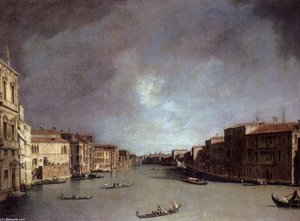
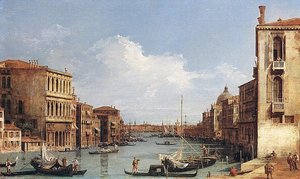
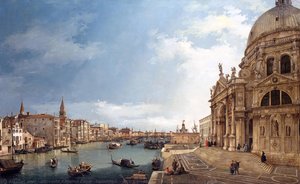
Biografija umetnika
Рани живот и формирање уметника
Ђовани Антонио Канал, познатији као Каналето, рођен је 18. октобра 1697. године у живописном граду Венецији. Син је Бернарда Канала, сликара позоришних декора и Артемизије Барбијери. Његово прво уметничко образовање започело је са оцем, који га је научио основним техникама сликарства. Каналетов рани таленат био је очигледан, а његов отац га је подстицао да развија свој стил и вештине.
Путовања и усавршавање заната
Године 1718. Каналето се преселио у Рим, где је радио на изради декора за две опере Александра Скарлатија. Ово искуство имало је дубок утицај на његов развој као уметника. У Риму је стекао драгоцено знање о перспективи и композицији, што ће касније бити кључно за његов препознатљив стил. Након повратка у Венецију, Каналето се посветио сликању топографских приказа града, који су га прославили.
Венеција као главна инспирација
Каналето је постао мајстор у приказивању лепоте и атмосфере Венеције. Његови радови одликују се изузетном прецизношћу, детаљима и реалистичним приказом светла и сенке. Сликао је канале, тргове, палате и церемоније, стварајући живописне портрете града који су постали симбол венецијанског живота. Међу његова најпознатија дела спадају Двориште каменорезаца (око 1725.), ремек-дело које демонстрира његову рану вештину, као и Регата на Великом каналу, живописна слика венецијанских свечаности. Каналето је био изузетно посвећен реализму у свом раду, а многи стручњаци верују да је користио камеру обскуру како би постигао максималну топографску тачност.
Сарадња и признање
Каналето није радио самостално. Сарађивао је са својим нећаком, Бернардом Белетом, који је такође постао успешан уметник. Заједно су створили многа значајна дела, размењујући идеје и технике. Каналетово дело стекла је велико признање како у Италији тако и у иностранству, посебно у Енглеској, где је посетио између 1746. и 1756. године. Током боравка у Енглеској сликао је многа значајна дела, укључујући Етон колеџ, што сведочи о његовом утицају на енглеску уметност.
Наслеђе и трајан утицај
Радови Каналета се могу видети у многим музејима широм света, укључујући Националну галерију у Лондону. Његово наслеђе је огромно, а многи уметници су били инспирисани његовим стилом и техником. Каналето је оставио неизбрисив траг на венецијанском сликарству и европској уметности уопште. Он се сматра мајстором пејзажа и једним од најзначајнијих представника Ведуте жанра, који се бави приказивањем градских призора. Каналето је умро 19. априла 1768. године у Венецији, али његова дела и даље одушевљавају публику широм света.
- Погледајте Каналетова дела на https://ArtsDot.com/@/giovanni-antonio-canal
- Сазнајте више о Каналету на Википедији
- Откријте лепоту венецијанске уметности у Палумбо-Фосати колекцији (Венеција, Италија)
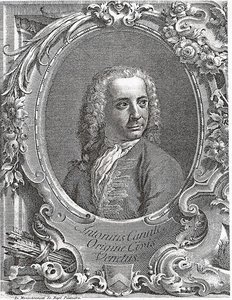
Каналето
1697 - 1768 , Italija
Kratke činjenice
- Artistic Movement Or Style: Vedute Venecije
- Artists Or Movements Influenced By This Artist: ['Tintoretto']
- Artists Who Influenced This Artist: ['Giovanni Paolo Pannini']
- Date Of Birth: 18. oktobar 1697.
- Date Of Death: 19. april 1768.
- Full Name: Giovanni Antonio Canal
- Nationality: Italijan
- Notable Artworks:
- Dvorište kamenorezaca
- Regata na Grand Canalu
- Eton College
- Place Of Birth: Venecija, Italija

