 Pregledaj u prostoru
 Pošalji
 Podeli
 Detalji o delu

 Преузми
 Slični predmeti
 Rendgenski snimak
 Slajdovi
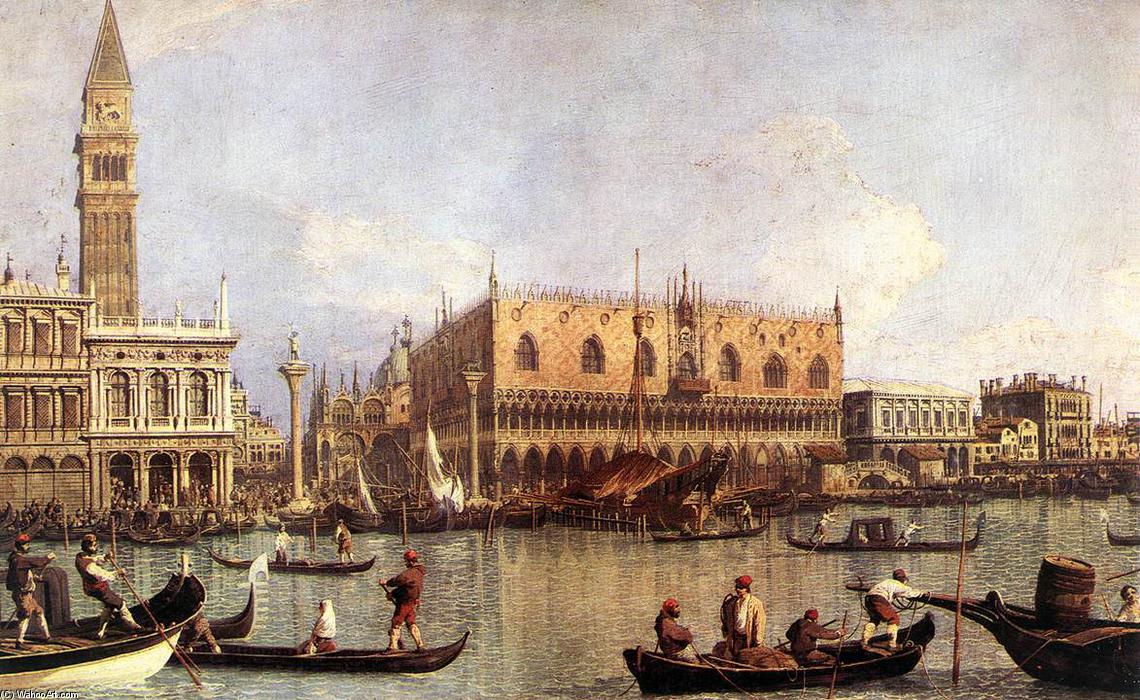
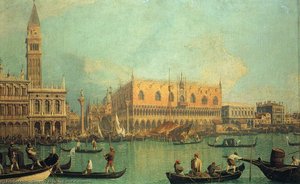
Palazzo Ducale and the Piazza di San Marco
 Oil On Canvas
- WallArt
- 18th-century topographical
 1755
1755 51.0 x 83.0 cm
 Галерија Уфици
 Pročitaj više
Giclee štampa / Umetnički otisak
Giclée štampa ili print na platnu muzejskog kvaliteta uz brzu proizvodnju i fleksibilne opcije završne obrade. ( Kupi ručno naslikanu sliku Kupi digitalnu sliku)




P118B $10

P118H $10

P118W $10

P438Z $10

P508JH $12

P508YH $12

P805H $10

P805Z $10

P919BZ $10

P919G $10

P919XJ $10

P959ZH $10

P968JZ $12

W106C $8

W218G $10

W218JH $8

W218Y $10

W307PJ $10

W316G $10

W316PJ $8

W316Y $10

W398PJ $8

W4111J $10

W500HY $15

W500JH $15

W692G $12

W849H $8

W940BG $15

W953PJ $8




Izaberite jednu od naših unapred definisanih veličina koje odgovaraju originalnim proporcijama umetničkog dela.

Možete uneti sopstvene dimenzije kako biste umetničko delo prilagodili specifičnom okviru ili prostoru. Ako odabrani format ne odgovara proporcijama originalne slike, mi ćemo ili iscrtati deo dela ili proširiti sliku pomoću ogledane ivice ili jednobojnog popunjavanja. Digitalni prikaz će vam biti poslat na odobrenje pre početka proizvodnje.
Imajte na umu da pregled na ekranu ne odražava stvarno iscrtavanje ili proširivanje. Samo će prikaz (mockup) precizno pokazati finalnu kompoziciju.
Iako su prilagođene dimenzije dostupne, preporučujemo da odaberete dimenziju sa unapred definisane liste kako biste očuvali originalne proporcije.
Dostava širom sveta () za 2 nedelje umesto uobičajenih 4/5 nedelja. (29 август)

Besplatna ekspresna dostava širom sveta

Visokokvalitetno laneno platno

Kompletno osiguranje transporta

Garancija povraćaja carine i uvoznih dažbina

Garancija vernosti boja

Politika povrata u roku od 60 dana (samo u slučaju nedostataka)

Garancija povrata novca od 100%

Popust pri grupnoj kupovini
 Opcija sa staklom dostupna je samo za dimenzije manje od 110 cm

Palazzo Ducale and the Piazza di San Marco
Giclee štampa / Umetnički otisak
Dimenzije reprodukcije
-


Konačna cena
$ 62
A Venetian Masterpiece: Palazzo Ducale and the Piazza di San Marco
Giovanni Antonio Canal, universally known as Canaletto, possessed an extraordinary gift – the ability to capture not just the appearance of Venice, but its very soul. His “Palazzo Ducale and the Piazza di San Marco,” painted in 1755, is a testament to this skill, offering a vibrant snapshot of Venetian life during the height of the Habsburg-Venetian Republic. More than simply a topographical record, it’s an immersive experience, transporting the viewer directly into the heart of one of Europe's most captivating cities.
The painting immediately draws the eye to the imposing Palazzo Ducale, Venice’s magnificent former seat of power. Canaletto doesn’t shy away from its grandeur; instead, he meticulously renders every column, archway, and decorative detail with a precision that borders on photographic realism. The Piazza di San Marco itself is a swirling vortex of activity – gondolas glide across the water, their brightly colored flags fluttering in the breeze, while elegantly dressed Venetians stroll along the pavement, engaged in animated conversations. The sheer density of figures, rendered with remarkable sensitivity to individual character and gesture, speaks volumes about Venice’s status as a thriving commercial and cultural hub.
Technique and Composition: A Camera Obscura's Vision
Canaletto’s technique is revolutionary for its time. He employed what is believed to be a camera obscura – a darkened room with a small hole that projects an inverted image of the outside world onto a surface – allowing him to create incredibly accurate and detailed drawings before committing them to canvas. This method, combined with his keen observational skills, resulted in paintings that are remarkably free from distortion and perspective errors. The use of light and shadow is particularly masterful; Canaletto expertly manipulates chiaroscuro to define forms, create depth, and evoke a sense of atmosphere. Notice how the warm glow of the afternoon sun illuminates the buildings while casting long shadows across the square – a subtle yet powerful effect.
The composition itself is carefully orchestrated. The eye is drawn from the monumental Palazzo Ducale towards the Basilica di San Marco in the distance, creating a sense of spatial depth and anchoring the scene within the city’s iconic landmarks. The diagonal lines formed by the gondolas and the paving stones add dynamism to the painting, while the repetition of architectural elements – arches, columns, windows – creates a harmonious visual rhythm.
Symbolism and Historical Context
“Palazzo Ducale and the Piazza di San Marco” is more than just a pretty picture; it’s a window into 18th-century Venice. The painting reflects the city's position as a major center of trade, diplomacy, and art. The presence of numerous foreign dignitaries and merchants underscores Venice’s role as a crossroads of cultures. The elaborate costumes worn by the Venetians – silks, velvets, and lace – reflect the wealth and sophistication of the Republic. Even the horses before the Palazzo Ducale hold symbolic weight, representing Venice's power and ambition.
The painting was created during a period of significant political and social change in Venice. The Habsburg-Venetian Republic was facing increasing pressure from other European powers, and the city’s once-dominant maritime empire was beginning to decline. Despite these challenges, Canaletto captured a moment of vibrant energy and optimism – a testament to Venice's enduring beauty and cultural legacy.
A Timeless Masterpiece: Reproduction and Legacy
Originally housed at the Galleria degli Uffizi in Florence, this painting remains an iconic work of art. Today, high-quality reproductions offer a remarkable opportunity to experience Canaletto’s genius firsthand. When selecting a reproduction, consider the level of detail and accuracy – a faithful rendering will truly capture the essence of this extraordinary masterpiece. “Palazzo Ducale and the Piazza di San Marco” is not merely a depiction of Venice; it's an invitation to step back in time and immerse yourself in the splendor of one of Europe’s most unforgettable cities.
Srodna umetnička dela
Biografija umetnika
Рани живот и формирање уметника
Ђовани Антонио Канал, познатији као Каналето, рођен је 18. октобра 1697. године у живописном граду Венецији. Син је Бернарда Канала, сликара позоришних декора и Артемизије Барбијери. Његово прво уметничко образовање започело је са оцем, који га је научио основним техникама сликарства. Каналетов рани таленат био је очигледан, а његов отац га је подстицао да развија свој стил и вештине.
Путовања и усавршавање заната
Године 1718. Каналето се преселио у Рим, где је радио на изради декора за две опере Александра Скарлатија. Ово искуство имало је дубок утицај на његов развој као уметника. У Риму је стекао драгоцено знање о перспективи и композицији, што ће касније бити кључно за његов препознатљив стил. Након повратка у Венецију, Каналето се посветио сликању топографских приказа града, који су га прославили.
Венеција као главна инспирација
Каналето је постао мајстор у приказивању лепоте и атмосфере Венеције. Његови радови одликују се изузетном прецизношћу, детаљима и реалистичним приказом светла и сенке. Сликао је канале, тргове, палате и церемоније, стварајући живописне портрете града који су постали симбол венецијанског живота. Међу његова најпознатија дела спадају Двориште каменорезаца (око 1725.), ремек-дело које демонстрира његову рану вештину, као и Регата на Великом каналу, живописна слика венецијанских свечаности. Каналето је био изузетно посвећен реализму у свом раду, а многи стручњаци верују да је користио камеру обскуру како би постигао максималну топографску тачност.
Сарадња и признање
Каналето није радио самостално. Сарађивао је са својим нећаком, Бернардом Белетом, који је такође постао успешан уметник. Заједно су створили многа значајна дела, размењујући идеје и технике. Каналетово дело стекла је велико признање како у Италији тако и у иностранству, посебно у Енглеској, где је посетио између 1746. и 1756. године. Током боравка у Енглеској сликао је многа значајна дела, укључујући Етон колеџ, што сведочи о његовом утицају на енглеску уметност.
Наслеђе и трајан утицај
Радови Каналета се могу видети у многим музејима широм света, укључујући Националну галерију у Лондону. Његово наслеђе је огромно, а многи уметници су били инспирисани његовим стилом и техником. Каналето је оставио неизбрисив траг на венецијанском сликарству и европској уметности уопште. Он се сматра мајстором пејзажа и једним од најзначајнијих представника Ведуте жанра, који се бави приказивањем градских призора. Каналето је умро 19. априла 1768. године у Венецији, али његова дела и даље одушевљавају публику широм света.
- Погледајте Каналетова дела на https://ArtsDot.com/@/giovanni-antonio-canal
- Сазнајте више о Каналету на Википедији
- Откријте лепоту венецијанске уметности у Палумбо-Фосати колекцији (Венеција, Италија)
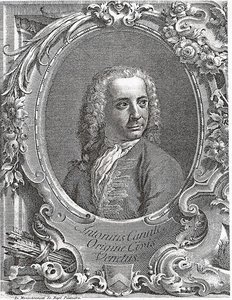
Каналето
1697 - 1768 , Italija
Osnovne informacije
- Artistic Movement Or Style: Vedute Venecije
- Artists Or Movements Influenced By This Artist: ['Tintoretto']
- Artists Who Influenced This Artist: ['Giovanni Paolo Pannini']
- Date Of Birth: 18. oktobar 1697.
- Date Of Death: 19. april 1768.
- Full Name: Giovanni Antonio Canal
- Nationality: Italijan
- Notable Artworks:
- Dvorište kamenorezaca
- Regata na Grand Canalu
- Eton College
- Place Of Birth: Venecija, Italija
Povezani članci
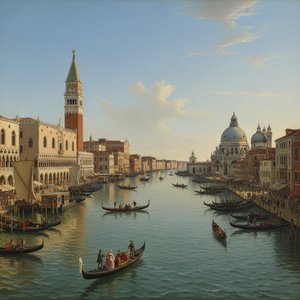
Giovanni Antonio Canal (Canaletto): A Venetian Master of Light, Space & Societal Observation
Explore the life & art of Giovanni Antonio Canal (Canaletto), a Venetian master renowned for his breathtaking cityscapes. Discover his techniques, legacy, and captivating depictions of 18th-century Venice & London.

The Enduring Legacy of Oil on Canvas: Technique, History & Aesthetic Impact
Explore the rich history & techniques of oil painting – from Renaissance masters to Impressionism. Discover pigments, layering methods, and why this timeless medium endures. Expert insights for artists & art enthusiasts.

Oil on Canvas: A Historical & Technical Exploration of a Timeless Artistic Medium
Explore the rich history & enduring techniques of oil painting on canvas. Discover the science behind its longevity, conservation practices, and contemporary relevance. Expert insights for art enthusiasts.

The Enduring Power of Painting: A Historical & Contemporary Exploration of Form and Emotion
Explore the rich history & enduring techniques of oil painting with ArtsDot. Discover masterpieces, learn about art collecting, and find authentic handmade reproductions crafted by skilled artists.

Trajnu Ostavština Uljanih Boja na Platnu: Tehnika, Istorija i Savremena Praksa
Istražite bogatu istoriju i savremene tehnike uljanog slikarstva. Saveti stručnjaka, analiza radova velikih majstora i vodiči za biranje kvalitetnih materijala. Otkrijte tajne očuvanja umetničkih dela!