 Pregledaj u prostoru
 Pošalji
 Podeli
 Detalji o delu

 Преузми
 Slični predmeti
 Rendgenski snimak
 Slajdovi
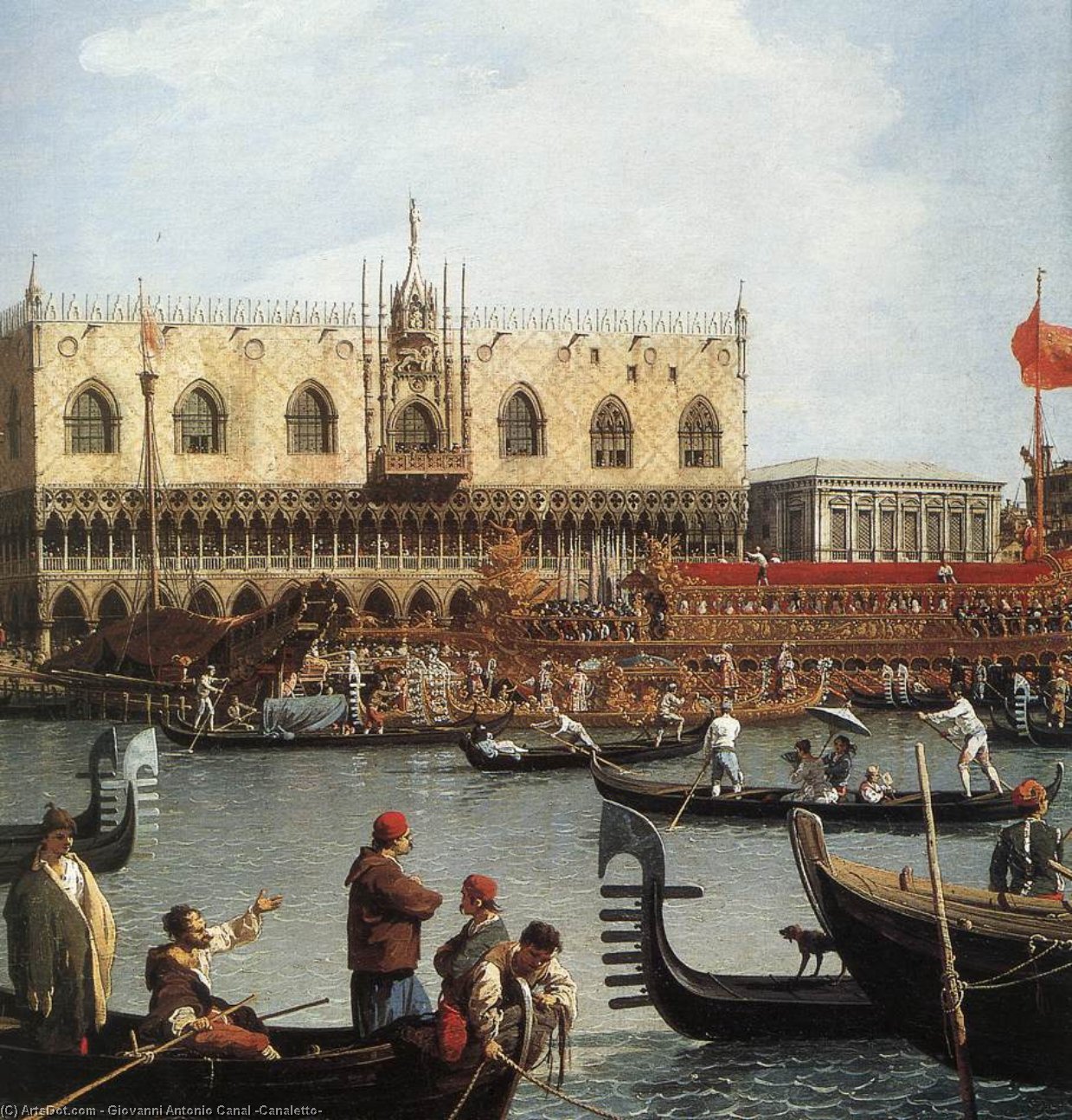
Return of the Bucentoro to the Molo on Ascension Day (detail)


 Pročitaj više
Ručno rađena uljana reprodukcija
Ručno oslikano uljanim bojama na platnu u dimenzijama i okviru po vašem izboru, izrađeno po porudžbini od strane naših umetnika. ( Kupi print Kupi digitalnu sliku)




P118B $10

P118H $10

P118W $10

P438Z $10

P508JH $12

P508YH $12

P805H $10

P805Z $10

P919BZ $10

P919G $10

P919XJ $10

P959ZH $10

P968JZ $12

W106C $8

W218G $10

W218JH $8

W218Y $10

W307PJ $10

W316G $10

W316PJ $8

W316Y $10

W398PJ $8

W4111J $10

W500HY $15

W500JH $15

W692G $12

W849H $8

W940BG $15

W953PJ $8




Izaberite jednu od naših unapred definisanih veličina koje odgovaraju originalnim proporcijama umetničkog dela.

Можете унети сопствене димензије како бисте прилагодили дело одређеном оквиру или простору. Ако одабрана величина не одговара пропорцијама оригинала, слика ће бити исечена или проширена додатним елементима који се ручно насликавају. Дигитални prikaz ће вам бити послат на одобрење пре почетка производње.
Имајте на уму да преглед на екрану не одражава стварно исецање или проширење. Само приказ (mockup) ће тачно приказати коначну композицију.
Иако су доступне прилагођене величине, препоручујемо да одаберете димензију из дефинисане листе како бисте сачували оригиналне пропорције.
Nakon narudžbine, tim ArtsDot.com će klijentu putem e-pošte poslati uputstva i dostaviti prikaz predloženog rešenja
Isporuka širom sveta () za 3/4 nedelje umesto uobičajenih 5 nedelja. (4 септембар). Bez kompromisa po pitanju kvaliteta.

Besplatna ekspresna dostava širom sveta

Visokokvalitetno laneno platno

Kompletno osiguranje transporta

Garancija povraćaja carine i uvoznih dažbina

Garancija vernosti boja

Politika povrata u roku od 60 dana (samo u slučaju nedostataka)

Garancija povrata novca od 100%

Popust pri grupnoj kupovini
 Opcija sa staklom dostupna je samo za dimenzije manje od 110 cm

Return of the Bucentoro to the Molo on Ascension Day (detail)
Tehnika reprodukcije
Dimenzije reprodukcije
-


Konačna cena
$ 263
A Glimpse into 18th-Century Venice
Giovanni Antonio Canal, universally known as Canaletto, possessed a singular gift – the ability to capture not just the appearance of Venice, but its very soul. His “Return of the Bucentoro to the Molo on Ascension Day” (circa 1733-4), currently residing within the Royal Collection at Buckingham Palace, is more than simply a depiction of a festive procession; it’s a vibrant snapshot of a city brimming with life, tradition, and civic pride. The scene unfolds on the bustling waterfront of the Molo, Venice's main commercial port, as the grand Bucentoro – a magnificent ceremonial boat adorned in elaborate decorations – returns after celebrating the feast of Ascension Day. This wasn’t merely a religious observance; it was a potent symbol of Venetian power and maritime dominance, a testament to their victory over Dalmatian pirates nearly a thousand years prior.
_-_Return_of_the_Bucentoro_to_the_Molo_on_Ascension_Day,_c._1733-4._Royal_Collection_Buckingham_Palace.jpg)
The Art of Canaletto: Precision and Light
Canaletto’s mastery lies in his meticulous observation and remarkably precise technique. Trained initially by his father, a stage designer, he quickly developed a distinctive style – topographical views that prioritized accuracy and realism. Unlike the looser brushstrokes of many contemporary artists, Canaletto employed a method often attributed to the use of a camera obscura, a device that projected an image onto a surface, allowing him to render distant figures with astonishing clarity and perspective. This technique, combined with his careful attention to light and shadow, creates a remarkable sense of depth and atmosphere within the painting. The interplay of sunlight on the water, reflecting off the buildings and boats, is particularly captivating – it’s not just a visual representation; it's an experience of warmth and vibrancy.
The composition itself is carefully orchestrated. The focal point is undoubtedly the Bucentoro, its richly decorated hull dominating the scene. Around it swirl a multitude of gondolas, barges, and smaller boats, each contributing to the dynamic energy of the waterfront. The figures – merchants, sailors, citizens – are rendered with remarkable detail, capturing their individual expressions and gestures. Notice how Canaletto subtly uses color to differentiate between groups and create visual interest; the bright reds and golds of the Bucentoro contrast sharply with the darker tones of the surrounding buildings.
Symbolism and Historical Context
The “Return of the Bucentoro” is deeply rooted in Venetian history. The event depicted commemorates a pivotal moment – the city’s triumph over pirates in 998, an event that cemented Venice's reputation as a powerful maritime republic. The Bucentoro itself became a symbol of this victory and continued to be used for ceremonial occasions throughout Venetian history. By painting this scene, Canaletto wasn’t simply recording a festive procession; he was celebrating the city’s enduring legacy of strength, resilience, and civic pride. The inclusion of prominent buildings like the Palazzo Ducale (Doge's Palace) and the Rialto Bridge further anchors the scene within the historical context of Venice.
A Timeless Masterpiece
Canaletto’s “Return of the Bucentoro to the Molo on Ascension Day” remains a testament to his extraordinary talent and artistic vision. It offers a rare glimpse into 18th-century Venice, capturing not only its physical beauty but also its vibrant culture and historical significance. Reproductions of this masterpiece can bring a touch of Venetian elegance and timeless charm to any interior space, evoking the spirit of a city that has captivated artists and travelers for centuries. Its meticulous detail and luminous quality make it an ideal choice for collectors seeking a truly exceptional work of art.
Srodna umetnička dela
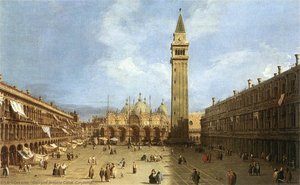
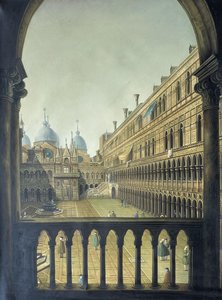
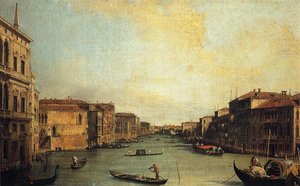
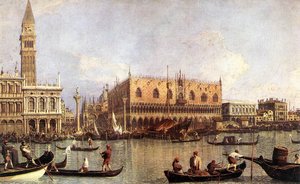
Biografija umetnika
Рани живот и формирање уметника
Ђовани Антонио Канал, познатији као Каналето, рођен је 18. октобра 1697. године у живописном граду Венецији. Син је Бернарда Канала, сликара позоришних декора и Артемизије Барбијери. Његово прво уметничко образовање започело је са оцем, који га је научио основним техникама сликарства. Каналетов рани таленат био је очигледан, а његов отац га је подстицао да развија свој стил и вештине.
Путовања и усавршавање заната
Године 1718. Каналето се преселио у Рим, где је радио на изради декора за две опере Александра Скарлатија. Ово искуство имало је дубок утицај на његов развој као уметника. У Риму је стекао драгоцено знање о перспективи и композицији, што ће касније бити кључно за његов препознатљив стил. Након повратка у Венецију, Каналето се посветио сликању топографских приказа града, који су га прославили.
Венеција као главна инспирација
Каналето је постао мајстор у приказивању лепоте и атмосфере Венеције. Његови радови одликују се изузетном прецизношћу, детаљима и реалистичним приказом светла и сенке. Сликао је канале, тргове, палате и церемоније, стварајући живописне портрете града који су постали симбол венецијанског живота. Међу његова најпознатија дела спадају Двориште каменорезаца (око 1725.), ремек-дело које демонстрира његову рану вештину, као и Регата на Великом каналу, живописна слика венецијанских свечаности. Каналето је био изузетно посвећен реализму у свом раду, а многи стручњаци верују да је користио камеру обскуру како би постигао максималну топографску тачност.
Сарадња и признање
Каналето није радио самостално. Сарађивао је са својим нећаком, Бернардом Белетом, који је такође постао успешан уметник. Заједно су створили многа значајна дела, размењујући идеје и технике. Каналетово дело стекла је велико признање како у Италији тако и у иностранству, посебно у Енглеској, где је посетио између 1746. и 1756. године. Током боравка у Енглеској сликао је многа значајна дела, укључујући Етон колеџ, што сведочи о његовом утицају на енглеску уметност.
Наслеђе и трајан утицај
Радови Каналета се могу видети у многим музејима широм света, укључујући Националну галерију у Лондону. Његово наслеђе је огромно, а многи уметници су били инспирисани његовим стилом и техником. Каналето је оставио неизбрисив траг на венецијанском сликарству и европској уметности уопште. Он се сматра мајстором пејзажа и једним од најзначајнијих представника Ведуте жанра, који се бави приказивањем градских призора. Каналето је умро 19. априла 1768. године у Венецији, али његова дела и даље одушевљавају публику широм света.
- Погледајте Каналетова дела на https://ArtsDot.com/@/giovanni-antonio-canal
- Сазнајте више о Каналету на Википедији
- Откријте лепоту венецијанске уметности у Палумбо-Фосати колекцији (Венеција, Италија)
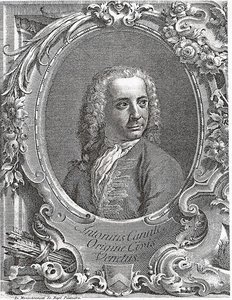
Каналето
1697 - 1768 , Italija
Osnovne informacije
- Artistic Movement Or Style: Vedute Venecije
- Artists Or Movements Influenced By This Artist: ['Tintoretto']
- Artists Who Influenced This Artist: ['Giovanni Paolo Pannini']
- Date Of Birth: 18. oktobar 1697.
- Date Of Death: 19. april 1768.
- Full Name: Giovanni Antonio Canal
- Nationality: Italijan
- Notable Artworks:
- Dvorište kamenorezaca
- Regata na Grand Canalu
- Eton College
- Place Of Birth: Venecija, Italija
Povezani članci
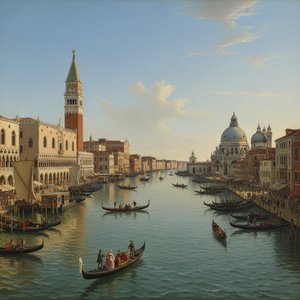
Giovanni Antonio Canal (Canaletto): A Venetian Master of Light, Space & Societal Observation
Explore the life & art of Giovanni Antonio Canal (Canaletto), a Venetian master renowned for his breathtaking cityscapes. Discover his techniques, legacy, and captivating depictions of 18th-century Venice & London.

Jacopo Tintoretto: 25 Remek-dela Venecijanskog Majstora | Reprodukcije i Inspiracija za Dom
Uronite u svet Jacopa Tintoreta! Otkrijte 25 remek-dela venecijanskog renesansnog majstora. Istražite dramatične kompozicije, bogate boje i istoriju umetnosti na ArtsDot.com. Reprodukcije slika za luksuzni enterijer.
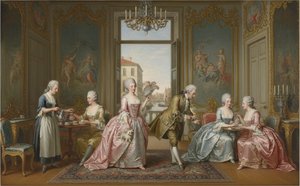
Pietro Longhi's Venetian Scenes: A Study of Rococo Society & Domestic Life
Explore the captivating world of Pietro Longhi's Venetian scenes! Discover insightful analysis of his Rococo masterpieces & social commentary on 18th-century life. Learn about this 'Venetian Hogarth' and his lasting artistic legacy.
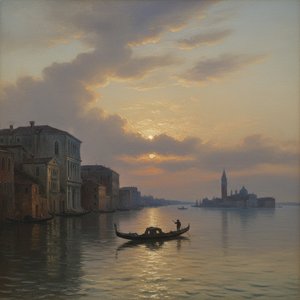
Michelangelo Morlaiter: Venetian Landscapes & the Pursuit of Atmospheric Realism
Explore the captivating landscapes of Michelangelo Morlaiter, a key figure in 18th-century Venetian painting. Discover his mastery of atmospheric perspective and lasting influence on Italian art history. Learn more at ArtsDot.
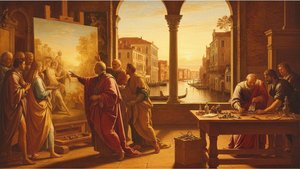
The Golden Light of Innovation: Exploring the Venetian Renaissance Art Movement (1430–1580)
Explore the Golden Age of Venetian art (1430–1580). Discover Giorgione, Titian & Tintoretto's techniques, the 'colorito' revolution, and lasting influence. Expert insights for collectors & enthusiasts.