 Pregledaj u prostoru
 Pošalji
 Podeli
 Detalji o delu

 Преузми
 Slični predmeti
 Rendgenski snimak
 Slajdovi
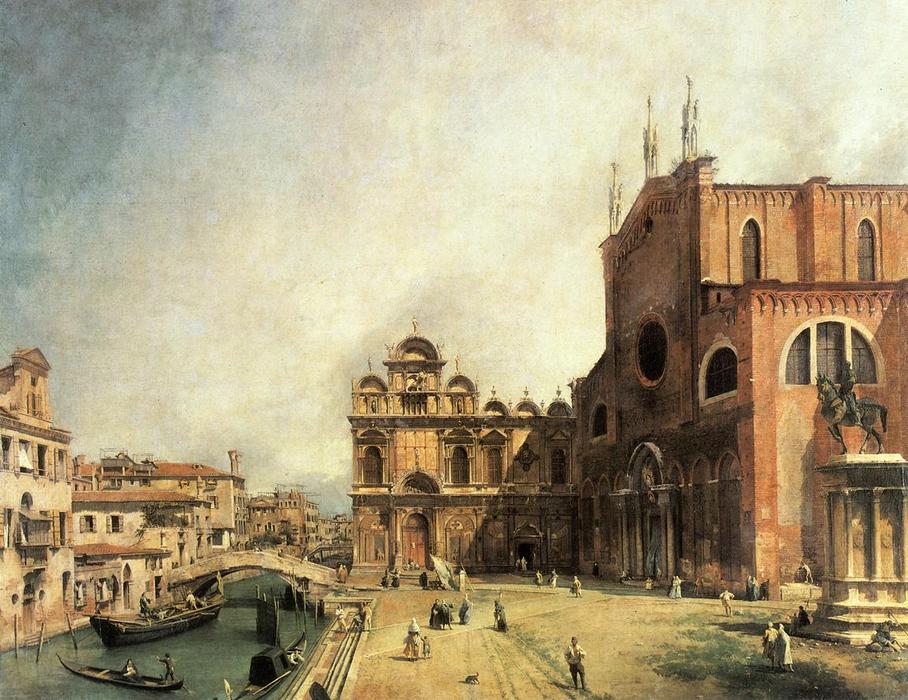
SS. Giovanni e Paulo and the Scuola de San Marco


 Pročitaj više
Giclee štampa / Umetnički otisak
Giclée štampa ili print na platnu muzejskog kvaliteta uz brzu proizvodnju i fleksibilne opcije završne obrade. ( Kupi ručno naslikanu sliku Kupi digitalnu sliku)




P118B $10

P118H $10

P118W $10

P438Z $10

P508JH $12

P508YH $12

P805H $10

P805Z $10

P919BZ $10

P919G $10

P919XJ $10

P959ZH $10

P968JZ $12

W106C $8

W218G $10

W218JH $8

W218Y $10

W307PJ $10

W316G $10

W316PJ $8

W316Y $10

W398PJ $8

W4111J $10

W500HY $15

W500JH $15

W692G $12

W849H $8

W940BG $15

W953PJ $8




Izaberite jednu od naših unapred definisanih veličina koje odgovaraju originalnim proporcijama umetničkog dela.

Možete uneti sopstvene dimenzije kako biste umetničko delo prilagodili specifičnom okviru ili prostoru. Ako odabrani format ne odgovara proporcijama originalne slike, mi ćemo ili iscrtati deo dela ili proširiti sliku pomoću ogledane ivice ili jednobojnog popunjavanja. Digitalni prikaz će vam biti poslat na odobrenje pre početka proizvodnje.
Imajte na umu da pregled na ekranu ne odražava stvarno iscrtavanje ili proširivanje. Samo će prikaz (mockup) precizno pokazati finalnu kompoziciju.
Iako su prilagođene dimenzije dostupne, preporučujemo da odaberete dimenziju sa unapred definisane liste kako biste očuvali originalne proporcije.
Dostava širom sveta () za 2 nedelje umesto uobičajenih 4/5 nedelja. (2 септембар)

Besplatna ekspresna dostava širom sveta

Visokokvalitetno laneno platno

Kompletno osiguranje transporta

Garancija povraćaja carine i uvoznih dažbina

Garancija vernosti boja

Politika povrata u roku od 60 dana (samo u slučaju nedostataka)

Garancija povrata novca od 100%

Popust pri grupnoj kupovini
 Opcija sa staklom dostupna je samo za dimenzije manje od 110 cm

SS. Giovanni e Paulo and the Scuola de San Marco
Giclee štampa / Umetnički otisak
Dimenzije reprodukcije
-


Konačna cena
$ 62
SS. Giovanni e Paulo and the Scuola de San Marco: A Venetian Masterpiece
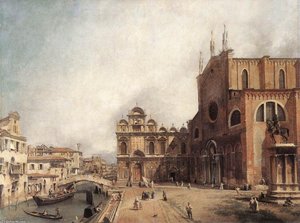
Giovanni Antonio Canal’s “SS. Giovanni e Paolo and the Scuola de San Marco,” painted in 1725, offers a remarkably vivid glimpse into the heart of Venice during the High Baroque period. More than just a topographical depiction of a bustling cityscape, this work is a testament to Canaletto's extraordinary skill in capturing not only the physical appearance of the city but also its vibrant social and religious life. The painting transports us to the Campo San Marco, one of Venice’s most important squares, dominated by the imposing façade of the Scuola Grande di San Marco and the towering figure of Saints John and Paul.
Canaletto's signature style—a meticulous blend of realism and atmospheric perspective—is immediately apparent. He eschews dramatic contrasts of light and shadow in favor of a subtle, almost luminous quality that imbues the scene with an extraordinary sense of depth and immediacy. The buildings are rendered with painstaking detail, each brick and cornice meticulously observed and faithfully reproduced. Yet, it’s not merely a photographic representation; Canaletto masterfully employs techniques to create a feeling of space and movement, drawing the eye through the crowded square and inviting us to become part of the scene.
The Significance of Place: Venice in the 18th Century
To fully appreciate “SS. Giovanni e Paolo,” it’s crucial to understand the context within which it was created – 18th-century Venice. The city, a wealthy maritime republic, was at its zenith, yet also grappling with economic challenges and political instability. The Scuola Grande di San Marco, one of Venice's six major confraternities, represented the city’s mercantile power and artistic patronage. Its grand façade served as a symbol of Venetian prestige, and Canaletto’s painting captures this sense of civic pride perfectly.
The presence of Saints John and Paul is significant. These figures were venerated throughout Venice, and their depiction within the Scuola underscored the city's strong religious traditions. The square itself was a hub of activity – a marketplace, a gathering place for citizens, and a stage for public ceremonies. Canaletto’s ability to capture this dynamic atmosphere—the merchants hawking their wares, the elegantly dressed ladies strolling through the square, the busy gondolas gliding along the canals—is truly remarkable.
Technique and Camera Obscura: A Glimpse into Canaletto's Process
Canaletto’s reputation as a pioneer of topographical painting is largely due to his innovative use of the camera obscura. While the exact extent of its influence remains debated, it’s widely believed that this device played a crucial role in achieving the remarkable accuracy and perspective evident in his works. The slightly blurred outlines of distant figures—a characteristic feature of many Canaletto paintings—are often attributed to the effects of light passing through the camera obscura onto the canvas.
Furthermore, Canaletto’s meticulous attention to detail is a testament to his rigorous artistic process. He likely sketched numerous studies in charcoal and ink before embarking on the final painting, carefully measuring distances and angles to ensure accuracy. The use of layering—applying thin washes of color over dry underpaintings—allowed him to build up complex textures and create subtle gradations of tone. This technique contributed significantly to the luminous quality and atmospheric depth that define his style.
A Window into Venetian Life: Reproduction and Beyond
Reproducing “SS. Giovanni e Paolo” with meticulous care allows us to experience Canaletto’s Venice in all its glory. ArtsDot offers hand-painted reproductions that capture not only the visual details of the original but also the artist's unique sense of atmosphere and light. These reproductions are ideal for interior design, bringing a touch of Venetian elegance to any space, or as a treasured piece of art for collectors who appreciate Canaletto’s mastery.
Beyond its aesthetic appeal, “SS. Giovanni e Paolo” offers a valuable historical window into Venice during the 18th century—a time of wealth, power, and artistic innovation. It is a painting that continues to captivate viewers with its beauty, accuracy, and profound sense of place.
Srodna umetnička dela
Biografija umetnika
Рани живот и формирање уметника
Ђовани Антонио Канал, познатији као Каналето, рођен је 18. октобра 1697. године у живописном граду Венецији. Син је Бернарда Канала, сликара позоришних декора и Артемизије Барбијери. Његово прво уметничко образовање започело је са оцем, који га је научио основним техникама сликарства. Каналетов рани таленат био је очигледан, а његов отац га је подстицао да развија свој стил и вештине.
Путовања и усавршавање заната
Године 1718. Каналето се преселио у Рим, где је радио на изради декора за две опере Александра Скарлатија. Ово искуство имало је дубок утицај на његов развој као уметника. У Риму је стекао драгоцено знање о перспективи и композицији, што ће касније бити кључно за његов препознатљив стил. Након повратка у Венецију, Каналето се посветио сликању топографских приказа града, који су га прославили.
Венеција као главна инспирација
Каналето је постао мајстор у приказивању лепоте и атмосфере Венеције. Његови радови одликују се изузетном прецизношћу, детаљима и реалистичним приказом светла и сенке. Сликао је канале, тргове, палате и церемоније, стварајући живописне портрете града који су постали симбол венецијанског живота. Међу његова најпознатија дела спадају Двориште каменорезаца (око 1725.), ремек-дело које демонстрира његову рану вештину, као и Регата на Великом каналу, живописна слика венецијанских свечаности. Каналето је био изузетно посвећен реализму у свом раду, а многи стручњаци верују да је користио камеру обскуру како би постигао максималну топографску тачност.
Сарадња и признање
Каналето није радио самостално. Сарађивао је са својим нећаком, Бернардом Белетом, који је такође постао успешан уметник. Заједно су створили многа значајна дела, размењујући идеје и технике. Каналетово дело стекла је велико признање како у Италији тако и у иностранству, посебно у Енглеској, где је посетио између 1746. и 1756. године. Током боравка у Енглеској сликао је многа значајна дела, укључујући Етон колеџ, што сведочи о његовом утицају на енглеску уметност.
Наслеђе и трајан утицај
Радови Каналета се могу видети у многим музејима широм света, укључујући Националну галерију у Лондону. Његово наслеђе је огромно, а многи уметници су били инспирисани његовим стилом и техником. Каналето је оставио неизбрисив траг на венецијанском сликарству и европској уметности уопште. Он се сматра мајстором пејзажа и једним од најзначајнијих представника Ведуте жанра, који се бави приказивањем градских призора. Каналето је умро 19. априла 1768. године у Венецији, али његова дела и даље одушевљавају публику широм света.
- Погледајте Каналетова дела на https://ArtsDot.com/@/giovanni-antonio-canal
- Сазнајте више о Каналету на Википедији
- Откријте лепоту венецијанске уметности у Палумбо-Фосати колекцији (Венеција, Италија)
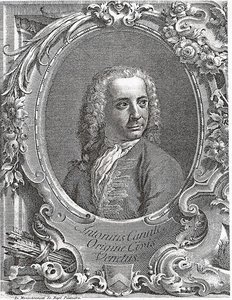
Каналето
1697 - 1768 , Italija
Osnovne informacije
- Artistic Movement Or Style: Vedute Venecije
- Artists Or Movements Influenced By This Artist: ['Tintoretto']
- Artists Who Influenced This Artist: ['Giovanni Paolo Pannini']
- Date Of Birth: 18. oktobar 1697.
- Date Of Death: 19. april 1768.
- Full Name: Giovanni Antonio Canal
- Nationality: Italijan
- Notable Artworks:
- Dvorište kamenorezaca
- Regata na Grand Canalu
- Eton College
- Place Of Birth: Venecija, Italija
Povezani članci
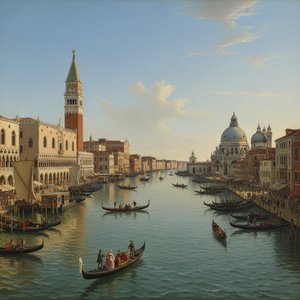
Giovanni Antonio Canal (Canaletto): A Venetian Master of Light, Space & Societal Observation
Explore the life & art of Giovanni Antonio Canal (Canaletto), a Venetian master renowned for his breathtaking cityscapes. Discover his techniques, legacy, and captivating depictions of 18th-century Venice & London.

Барокна драма: Уношење величине и емоција у савремене ентеријере
Откријте барокну драму и унесите величину у ваш ентеријер! ArtsDot нуди ручно насликане репродукције, персонализоване портрете и стручне консултације за љубитеље класичне уметности. Потражите савршено дело већ данас!

Barok Majstor dela: Top 10 Umjetničkih Remeka za Vaš Dom
Otkrijte 10 remek dela koja su definisala baroknu umetnost! Karavagio, Bernini i više – istražite priče iza ovih ikoničnih slika. Inspiracija za vaš dom? Pogledajte kolekciju na ArtsDot.com!
Simon Vouet: A Baroque Master's Journey from Italian Influence to French Classicism
Explore the life & art of Simon Vouet, a pivotal French Baroque painter who introduced Italian styles to France. Discover his masterpieces and lasting influence on 17th-century art.

The Visceral Stage: Exploring Dramatic Narratives & Emotional Intensity in Baroque Art
Explore the dramatic world of Baroque art! Discover iconic masters like Caravaggio & Rembrandt, their techniques, and the movement's lasting impact. Expert insights for collectors & enthusiasts at ArtsDot.