 Pregledaj u prostoru
 Pošalji
 Podeli
 Detalji o delu

 Преузми
 Slični predmeti
 Rendgenski snimak
 Slajdovi
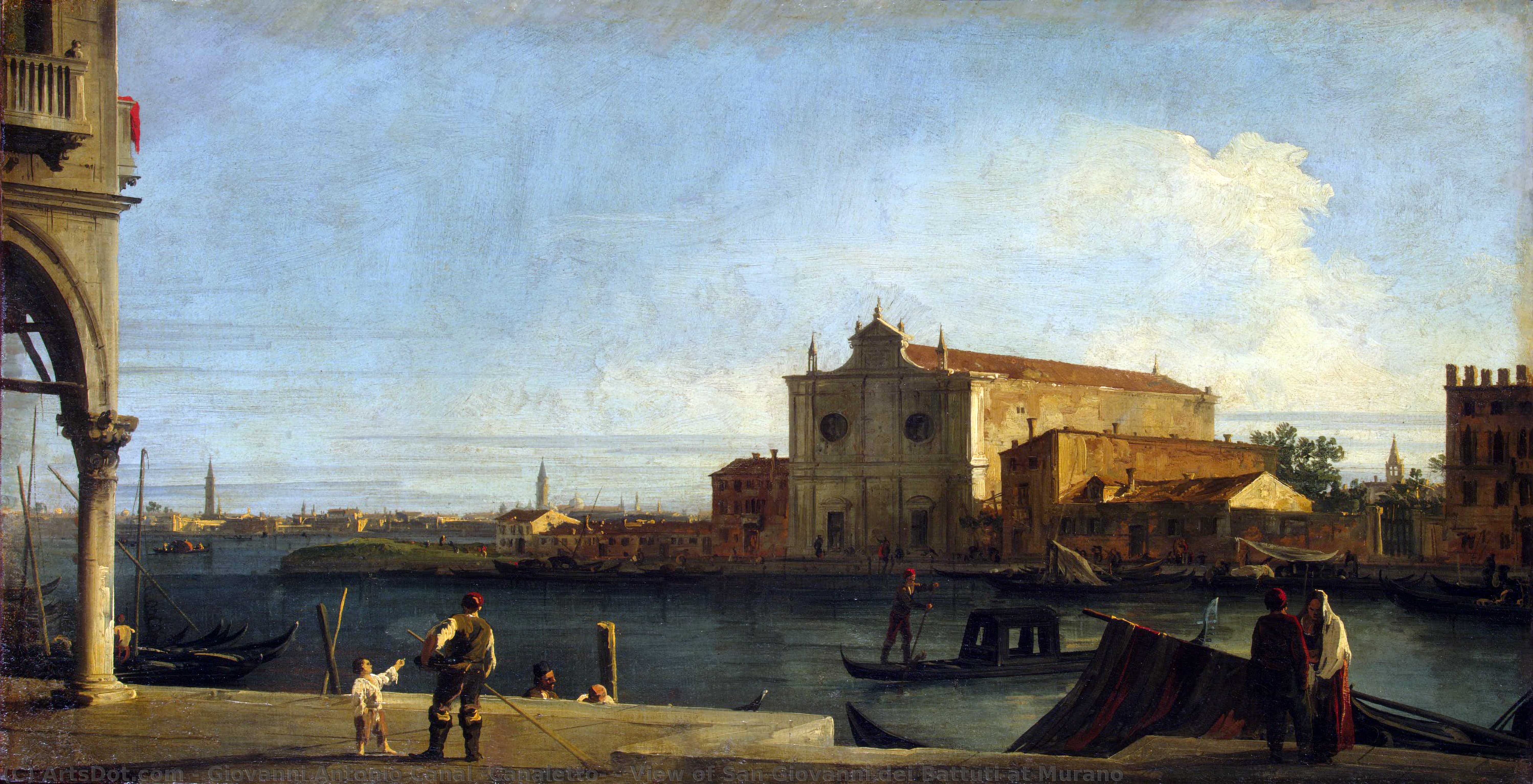
View of San Giovanni dei Battuti at Murano
 Oil On Canvas
- WallArt
- Rococo Painting
 1725
1725 66.0 x 128.0 cm
 Hermitage Museum
 Pročitaj više
Ručno rađena uljana reprodukcija
Ručno oslikano uljanim bojama na platnu u dimenzijama i okviru po vašem izboru, izrađeno po porudžbini od strane naših umetnika. ( Kupi print Kupi digitalnu sliku)




P118B $10

P118H $10

P118W $10

P438Z $10

P508JH $12

P508YH $12

P805H $10

P805Z $10

P919BZ $10

P919G $10

P919XJ $10

P959ZH $10

P968JZ $12

W106C $8

W218G $10

W218JH $8

W218Y $10

W307PJ $10

W316G $10

W316PJ $8

W316Y $10

W398PJ $8

W4111J $10

W500HY $15

W500JH $15

W692G $12

W849H $8

W940BG $15

W953PJ $8




Izaberite jednu od naših unapred definisanih veličina koje odgovaraju originalnim proporcijama umetničkog dela.

Можете унети сопствене димензије како бисте прилагодили дело одређеном оквиру или простору. Ако одабрана величина не одговара пропорцијама оригинала, слика ће бити исечена или проширена додатним елементима који се ручно насликавају. Дигитални prikaz ће вам бити послат на одобрење пре почетка производње.
Имајте на уму да преглед на екрану не одражава стварно исецање или проширење. Само приказ (mockup) ће тачно приказати коначну композицију.
Иако су доступне прилагођене величине, препоручујемо да одаберете димензију из дефинисане листе како бисте сачували оригиналне пропорције.
Nakon narudžbine, tim ArtsDot.com će klijentu putem e-pošte poslati uputstva i dostaviti prikaz predloženog rešenja
Isporuka širom sveta () za 3/4 nedelje umesto uobičajenih 5 nedelja. (1 септембар). Bez kompromisa po pitanju kvaliteta.

Besplatna ekspresna dostava širom sveta

Visokokvalitetno laneno platno

Kompletno osiguranje transporta

Garancija povraćaja carine i uvoznih dažbina

Garancija vernosti boja

Politika povrata u roku od 60 dana (samo u slučaju nedostataka)

Garancija povrata novca od 100%

Popust pri grupnoj kupovini
 Opcija sa staklom dostupna je samo za dimenzije manje od 110 cm

View of San Giovanni dei Battuti at Murano
Tehnika reprodukcije
Dimenzije reprodukcije
-


Konačna cena
$ 263
A Glimpse of Venetian Life: “View of San Giovanni dei Battuti at Murano” by Canaletto
Giovanni Antonio Canal, universally known as Canaletto, possessed an extraordinary gift for capturing the essence of everyday life within the vibrant heart of Venice. His 1725 painting, "View of San Giovanni dei Battuti at Murano," isn’t merely a depiction of a canal scene; it's a meticulously rendered snapshot of a bustling community, brimming with activity and imbued with the subtle charm that defined Venetian society during the Baroque era. The work, currently residing in the esteemed Hermitage Museum in St. Petersburg, offers a captivating window into a world of commerce, faith, and daily routines – a testament to Canaletto’s unparalleled skill as a topographical painter.
The painting immediately draws the eye with its dynamic composition. A network of canals forms the backdrop, reflecting the warm hues of the Venetian sky. A fleet of boats—ranging from elegant gondolas to sturdy trading vessels—navigate these waterways, their sails billowing in the breeze and their occupants engaged in a variety of pursuits. The foreground is alive with figures: merchants hawking their wares, fishermen casting their nets, children playing near the water’s edge, and individuals pausing for conversation – each contributing to the painting's sense of lively interaction. Notably, a man stands prominently on the left, his back turned towards the viewer, perhaps contemplating the scene or overseeing some activity; this subtle detail adds an element of narrative intrigue.
The Art of the Veduta: Canaletto’s Technique
Canaletto's mastery lies in his meticulous attention to detail and his innovative use of technique. He was a pioneer of the “veduta,” or cityscape painting, a genre that sought to accurately represent urban environments. Unlike earlier artists who often idealized cities, Canaletto strived for realism, employing a keen observational eye and a sophisticated understanding of perspective. His brushstrokes are remarkably controlled, creating a sense of depth and spatial coherence. The use of light is particularly noteworthy; it’s diffused and atmospheric, lending the scene an almost tangible quality.
It's widely believed that Canaletto utilized a camera obscura – a device that projects an image onto a surface – to aid in his compositions. This technique allowed him to accurately render distant elements with remarkable precision, creating the illusion of depth and atmospheric perspective. The subtle blurring of figures further supports this theory, suggesting a deliberate attempt to mimic the effect of light and distance.
Historical Context: Venice at its Zenith
“View of San Giovanni dei Battuti at Murano” was painted during a period of significant prosperity for Venice. The city’s maritime trade network connected it to markets across Europe, fueling economic growth and fostering a vibrant cultural scene. The island of Murano, renowned for its glassmaking industry, played a crucial role in this commercial activity. The painting captures not only the physical landscape but also the social and economic dynamics of the time – the bustling commerce, the diverse population, and the importance of maritime trade to Venice’s identity.
The church of San Giovanni dei Battuti, prominently featured in the background, reflects the city's strong religious traditions. Its imposing dome and towers served as a focal point for the community, symbolizing faith and civic pride. The inclusion of this landmark reinforces the painting’s broader narrative – a portrait of Venice as both a thriving commercial center and a deeply spiritual city.
A Timeless Appeal: Symbolism and Emotional Resonance
Beyond its technical brilliance, “View of San Giovanni dei Battuti at Murano” possesses a profound emotional resonance. Canaletto’s skillful depiction of everyday life invites the viewer to step into this vibrant scene and experience the sights, sounds, and smells of Venice. The painting evokes a sense of nostalgia for a bygone era, capturing the beauty and charm of a city that has since undergone significant transformation.
The composition's dynamism—the movement of boats, the activity of people—creates a feeling of energy and vitality. Yet, there’s also an underlying sense of tranquility, suggesting a harmonious balance between commerce and community life. Canaletto’s work serves as a reminder of the enduring appeal of Venice – its beauty, its history, and its unique cultural identity. A reproduction of this captivating artwork offers a tangible connection to this remarkable city and the artistic genius that brought it to life.
Srodna umetnička dela
Biografija umetnika
Рани живот и формирање уметника
Ђовани Антонио Канал, познатији као Каналето, рођен је 18. октобра 1697. године у живописном граду Венецији. Син је Бернарда Канала, сликара позоришних декора и Артемизије Барбијери. Његово прво уметничко образовање започело је са оцем, који га је научио основним техникама сликарства. Каналетов рани таленат био је очигледан, а његов отац га је подстицао да развија свој стил и вештине.
Путовања и усавршавање заната
Године 1718. Каналето се преселио у Рим, где је радио на изради декора за две опере Александра Скарлатија. Ово искуство имало је дубок утицај на његов развој као уметника. У Риму је стекао драгоцено знање о перспективи и композицији, што ће касније бити кључно за његов препознатљив стил. Након повратка у Венецију, Каналето се посветио сликању топографских приказа града, који су га прославили.
Венеција као главна инспирација
Каналето је постао мајстор у приказивању лепоте и атмосфере Венеције. Његови радови одликују се изузетном прецизношћу, детаљима и реалистичним приказом светла и сенке. Сликао је канале, тргове, палате и церемоније, стварајући живописне портрете града који су постали симбол венецијанског живота. Међу његова најпознатија дела спадају Двориште каменорезаца (око 1725.), ремек-дело које демонстрира његову рану вештину, као и Регата на Великом каналу, живописна слика венецијанских свечаности. Каналето је био изузетно посвећен реализму у свом раду, а многи стручњаци верују да је користио камеру обскуру како би постигао максималну топографску тачност.
Сарадња и признање
Каналето није радио самостално. Сарађивао је са својим нећаком, Бернардом Белетом, који је такође постао успешан уметник. Заједно су створили многа значајна дела, размењујући идеје и технике. Каналетово дело стекла је велико признање како у Италији тако и у иностранству, посебно у Енглеској, где је посетио између 1746. и 1756. године. Током боравка у Енглеској сликао је многа значајна дела, укључујући Етон колеџ, што сведочи о његовом утицају на енглеску уметност.
Наслеђе и трајан утицај
Радови Каналета се могу видети у многим музејима широм света, укључујући Националну галерију у Лондону. Његово наслеђе је огромно, а многи уметници су били инспирисани његовим стилом и техником. Каналето је оставио неизбрисив траг на венецијанском сликарству и европској уметности уопште. Он се сматра мајстором пејзажа и једним од најзначајнијих представника Ведуте жанра, који се бави приказивањем градских призора. Каналето је умро 19. априла 1768. године у Венецији, али његова дела и даље одушевљавају публику широм света.
- Погледајте Каналетова дела на https://ArtsDot.com/@/giovanni-antonio-canal
- Сазнајте више о Каналету на Википедији
- Откријте лепоту венецијанске уметности у Палумбо-Фосати колекцији (Венеција, Италија)
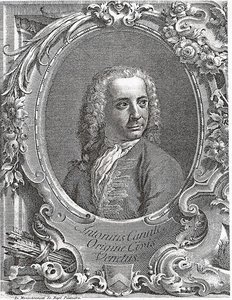
Каналето
1697 - 1768 , Italija
Osnovne informacije
- Artistic Movement Or Style: Vedute Venecije
- Artists Or Movements Influenced By This Artist: ['Tintoretto']
- Artists Who Influenced This Artist: ['Giovanni Paolo Pannini']
- Date Of Birth: 18. oktobar 1697.
- Date Of Death: 19. april 1768.
- Full Name: Giovanni Antonio Canal
- Nationality: Italijan
- Notable Artworks:
- Dvorište kamenorezaca
- Regata na Grand Canalu
- Eton College
- Place Of Birth: Venecija, Italija
Povezani članci
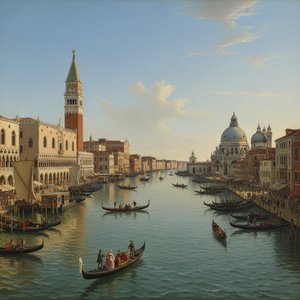
Giovanni Antonio Canal (Canaletto): A Venetian Master of Light, Space & Societal Observation
Explore the life & art of Giovanni Antonio Canal (Canaletto), a Venetian master renowned for his breathtaking cityscapes. Discover his techniques, legacy, and captivating depictions of 18th-century Venice & London.
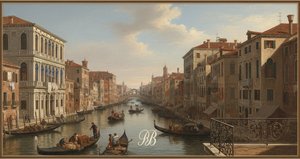
Bernardo Bellotto: Canaletto's Nephew & Master of Veduta Painting – A Comprehensive Exploration
Explore the life & art of Bernardo Bellotto, Canaletto’s nephew and a master of veduta painting. Discover his stunning cityscapes of Dresden & Warsaw, artistic techniques, and lasting legacy. Expert insights for collectors.
Urban Visions: A Historical & Artistic Exploration of the Cityscape in Painting
Explore the evolution of cityscape painting from historical maps to Impressionist masterpieces. Discover artists like Caillebotte, Utrillo & Matsumoto Shunsuke. Find museum-quality reproductions at ArtsDot.
Urban Visions: A Historical & Artistic Exploration of the Cityscape in Painting
Explore the evolution of cityscape painting from historical maps to Impressionist masterpieces. Discover artists like Caillebotte & Utrillo. Find museum-quality reproductions at ArtsDot.
Francesco Guardi: Venetian Light, Atmospheric Perspective & the Rococo to Neoclassical Transition
Explore the captivating world of Francesco Guardi, master of Venetian light and atmosphere. Discover his transition from Rococo to Neoclassicism, influence on Impressionism & investment potential with ArtsDot.