

 Pregledaj u prostoru
 Pošalji
 Podeli
 Detalji o delu

 Преузми
 Slični predmeti
 Rendgenski snimak
 Slajdovi
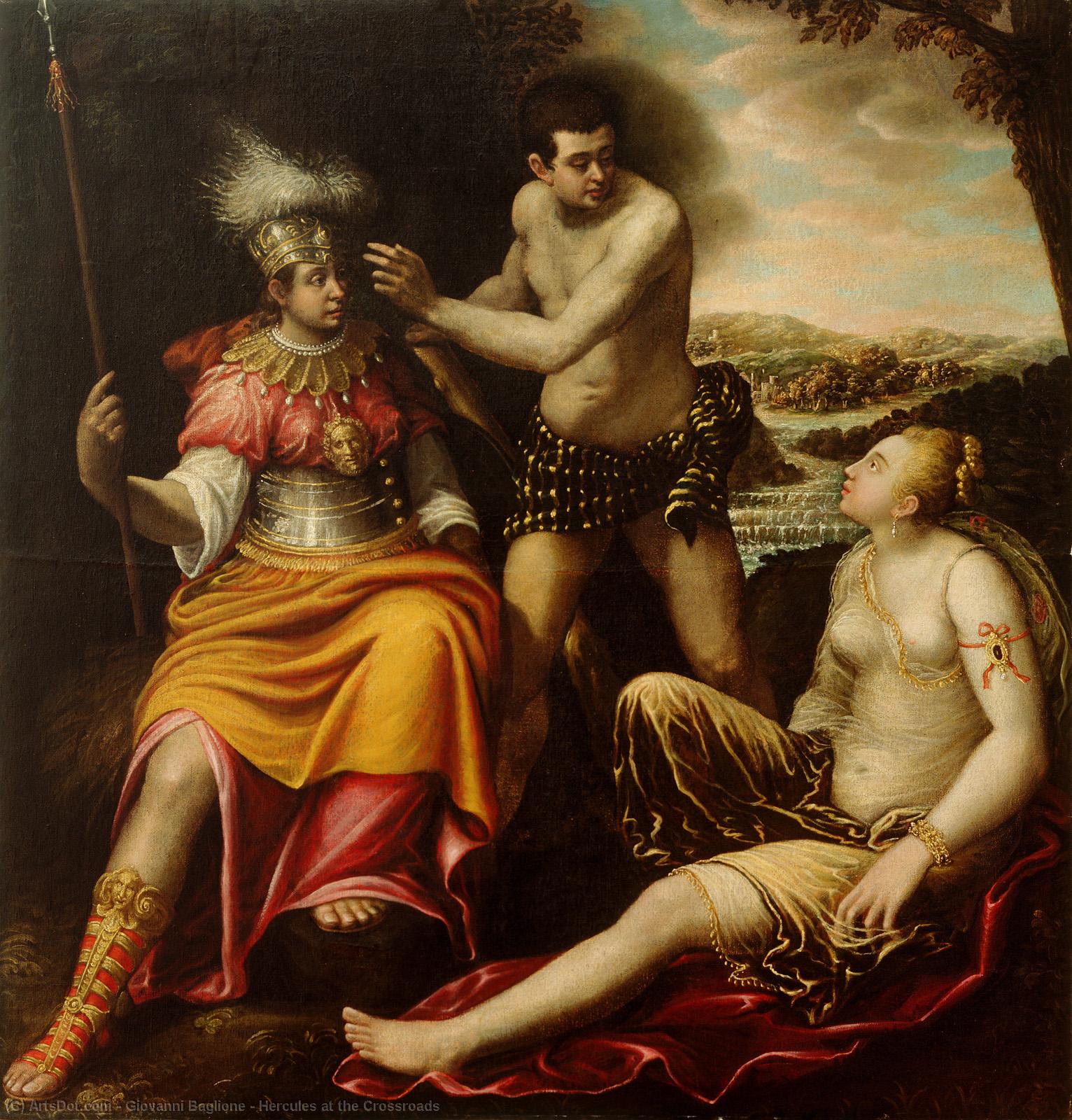
Hercules at the Crossroads
 Oil On Canvas
- WallArt
- Baroque
 1640
1640 132.0 x 137.0 cm
 Nacionalna galerija Slovenije
 Pročitaj više
Ručno rađena uljana reprodukcija
Ručno oslikano uljanim bojama na platnu u dimenzijama i okviru po vašem izboru, izrađeno po porudžbini od strane naših umetnika. ( Kupi print Kupi digitalnu sliku)




P118B $10

P118H $10

P118W $10

P438Z $10

P508JH $12

P508YH $12

P805H $10

P805Z $10

P919BZ $10

P919G $10

P919XJ $10

P959ZH $10

P968JZ $12

W106C $8

W218G $10

W218JH $8

W218Y $10

W307PJ $10

W316G $10

W316PJ $8

W316Y $10

W398PJ $8

W4111J $10

W500HY $15

W500JH $15

W692G $12

W849H $8

W940BG $15

W953PJ $8




Izaberite jednu od naših unapred definisanih veličina koje odgovaraju originalnim proporcijama umetničkog dela.

Можете унети сопствене димензије како бисте прилагодили дело одређеном оквиру или простору. Ако одабрана величина не одговара пропорцијама оригинала, слика ће бити исечена или проширена додатним елементима који се ручно насликавају. Дигитални prikaz ће вам бити послат на одобрење пре почетка производње.
Имајте на уму да преглед на екрану не одражава стварно исецање или проширење. Само приказ (mockup) ће тачно приказати коначну композицију.
Иако су доступне прилагођене величине, препоручујемо да одаберете димензију из дефинисане листе како бисте сачували оригиналне пропорције.
Nakon narudžbine, tim ArtsDot.com će klijentu putem e-pošte poslati uputstva i dostaviti prikaz predloženog rešenja
Isporuka širom sveta () za 3/4 nedelje umesto uobičajenih 5 nedelja. (23 август). Bez kompromisa po pitanju kvaliteta.

Besplatna ekspresna dostava širom sveta

Visokokvalitetno laneno platno

Kompletno osiguranje transporta

Garancija povraćaja carine i uvoznih dažbina

Garancija vernosti boja

Politika povrata u roku od 60 dana (samo u slučaju nedostataka)

Garancija povrata novca od 100%

Popust pri grupnoj kupovini
 Opcija sa staklom dostupna je samo za dimenzije manje od 110 cm

Hercules at the Crossroads
Tehnika reprodukcije
Dimenzije reprodukcije
-


Konačna cena
$ 263
Opis umetničkog dela
A Dramatic Tableau of Power and Doubt: Giovanni Baglione’s *Hercules at the Crossroads*
Giovanni Baglione's 1640 painting, *Hercules at the Crossroads*, is a compelling meditation on power, decision-making, and the inherent ambiguity of human experience. Executed during a pivotal moment in the transition from Mannerism to Baroque style within Rome’s artistic scene, this work offers a rare glimpse into the mind of an artist deeply engaged not only with visual representation but also with the historical context surrounding it – a role he would later solidify as one of Rome's earliest art historians. The painting depicts three figures arranged in a dramatic tableau that immediately draws the viewer into a scene brimming with unspoken tension and weighty consequence.
- Subject Matter: The central figure, crowned and dominating the composition, embodies authority – likely Hercules, referencing the mythological hero’s struggles with choice and destiny.
- Composition: Baglione masterfully employs a pyramidal structure, drawing the eye upwards to the crowned figure while grounding it with the seated individual and the watchful presence behind.
- Details: The inclusion of a sword suggests conflict or judgment, while the bowl hints at offering, sustenance, or perhaps even a poisoned draught – elements that contribute to the painting’s unsettling atmosphere.
Technique and Style: Bridging Mannerism and Baroque
Baglione's technique reveals a fascinating blend of influences. While rooted in the stylized forms and dramatic lighting characteristic of late Mannerism, particularly evident in his early works, *Hercules at the Crossroads* anticipates the dynamism and emotional intensity that would define the burgeoning Baroque style. The figures are rendered with a meticulous attention to detail – the folds of clothing, the texture of skin – yet they possess an almost unsettling realism, conveying not just physical appearance but also psychological depth. Baglione’s use of chiaroscuro, though not as radical as Caravaggio's, creates strong contrasts of light and shadow, intensifying the drama and focusing attention on key elements within the scene.
Historical Context: A Roman Eye
Painted in 1640, just a few years before Baglione’s death, *Hercules at the Crossroads* reflects the turbulent artistic climate of Rome. The Counter-Reformation had profoundly impacted art patronage, with the Catholic Church seeking to utilize religious imagery to inspire faith and reaffirm its authority. However, artists like Baglione navigated this environment by producing works that explored complex moral dilemmas – exemplified here by Hercules’s apparent struggle – rather than simply offering straightforward devotional narratives. His personal observations as an art historian, documented in his writings, provide invaluable insight into the artistic practices and intellectual debates of the time, making this painting a significant primary source.
Symbolism and Emotional Impact
*Hercules at the Crossroads* is more than just a portrait; it’s a powerful allegory. The central figure's gesture – placing his hand on another’s head – suggests control, judgment, or perhaps even manipulation. The seated individual represents vulnerability and submission, while the observer embodies vigilance and potential consequence. The overall effect is one of profound unease and contemplation, inviting viewers to question authority, examine their own choices, and confront the inherent uncertainties of life. This reproduction captures not only the visual beauty of Baglione’s masterpiece but also its enduring emotional resonance.
Srodna umetnička dela

Povezani članci
Simon Vouet: A Baroque Master's Journey from Italian Influence to French Classicism
Explore the life & art of Simon Vouet, a pivotal French Baroque painter who introduced Italian styles to France. Discover his masterpieces and lasting influence on 17th-century art.
Baroque Classicism: Reconciling Drama & Order in 17th-Century Art
Explore the captivating world of Baroque Classicism! Discover its history, key artists like Caravaggio & Rubens, and defining characteristics. Expert insights & high-quality reproductions at ArtsDot.

Barok Majstor dela: Top 10 Umjetničkih Remeka za Vaš Dom
Otkrijte 10 remek dela koja su definisala baroknu umetnost! Karavagio, Bernini i više – istražite priče iza ovih ikoničnih slika. Inspiracija za vaš dom? Pogledajte kolekciju na ArtsDot.com!

The Visceral Stage: Exploring Dramatic Narratives & Emotional Intensity in Baroque Art
Explore the dramatic world of Baroque art! Discover iconic masters like Caravaggio & Rembrandt, their techniques, and the movement's lasting impact. Expert insights for collectors & enthusiasts at ArtsDot.

The Dramatic Flourish: Exploring the Baroque Movement's Enduring Legacy in Art History
Explore the dramatic world of Baroque art! Discover iconic artists like Caravaggio & Rubens, defining techniques, and its lasting impact on art history. Expert insights for collectors & enthusiasts at ArtsDot.

