

 Pregledaj u prostoru
 Pošalji
 Podeli
 Detalji o delu

 Преузми
 Slični predmeti
 Rendgenski snimak
 Slajdovi
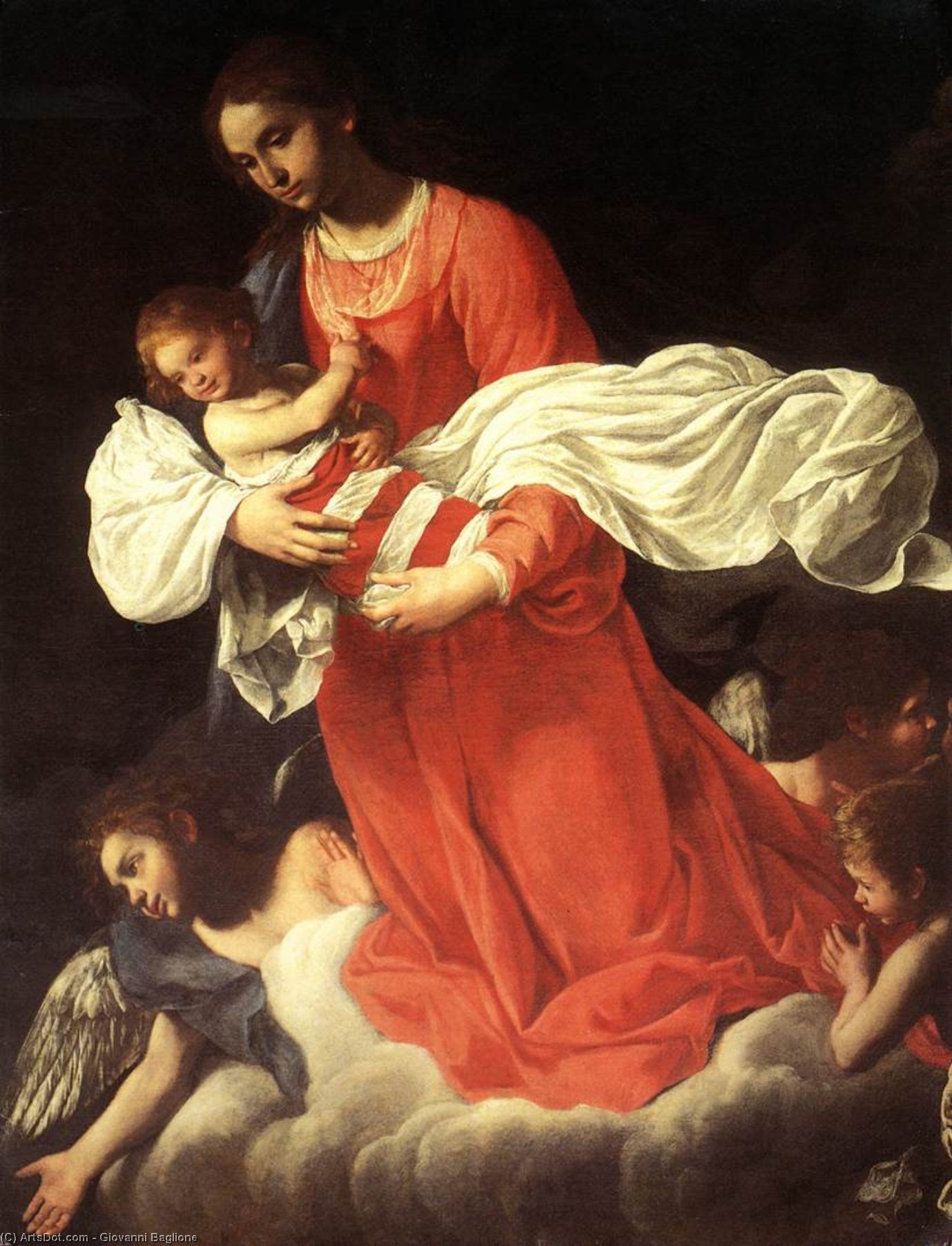
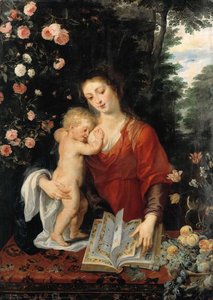
The Virgin and the Child with Angels


 Pročitaj više
Kupite digitalnu sliku visoke rezolucije i poboljšanog kvaliteta, koja je znatno superiornija od onoga što vidite u online prikazu.
Svaka datoteka je pedantno pripremljena od strane naših stručnjaka koristeći napredne alate i profesionalnu ručnu retušu. Osiguravamo da svaka slika ima izuzetnu oštrinu, preciznu reprodukciju boja i fine detalje.
Konačna datoteka se dostavlja putem e-pošte u roku od 72 sata, optimizovana za neposrednu upotrebu u profesionalnim, izdavačkim i štamparskim okruženjima. To je isti kvalitet kojem veruju vrhunski studiji dizajna, izdavači i galerije.
Digitalna slika
Preuzmite datoteku visoke rezolucije za ličnu upotrebu, štampanje i kreativne projekte. ( Kupi print Kupi ručno naslikanu sliku)
Uključeno uz svaku porudžbinu digitalne slike
Profesionalna digitalna isporuka, zagarantovana
Kada odaberete ArtsDot.com, ne dobijate samo sliku – vi primate profesionalno unapređeno digitalno umetničko delo, izrađeno sa najvećom preciznošću i uz garanciju zadovoljstva. Evo svega što automatski dolazi uz vašu porudžbinu:

Brza dostava putem e-pošte
Vaša digitalna slika visoke rezolucije biće vam poslata putem e-pošte u roku od 72 sata od poručivanja – spremna za trenutnu upotrebu.

Digitalna datoteka unapređena veštačkom inteligencijom
Vaše umetničko delo je profesionalno optimizovano korišćenjem naprednih AI alata i ručne obrade, čime se osiguravaju maksimalni detalji, oštrina i preciznost boja.

Besplatna ponovna isporuka doživotno
Slučajno ste obrisali ili izgubili svoju datoteku? Ne brinite – poslaćemo vam je ponovo u bilo kom trenutku, potpuno besplatno.

Bez troškova uvoza – zauvek
Uživajte u svojim umetničkim delima trenutno, bez carine, dažbina ili troškova dostave – digitalni download je uvek bez poreza.

Garancija vernosti boja
Uz pomoć profesionalnih alata i upravljanja bojama, osiguravamo da vaša digitalna slika što vernije odražava originalne boje.

Garancija zadovoljstva u roku od 60 dana
Ako niste zadovoljni svojom digitalnom slikom, revidirat ćemo je ili vratiti 100% novca u roku od 60 dana – bez ikakvih pitanja.

100% garancija povrata novca
Niste zadovoljni? Obezbedite pun povrat novca u roku od 60 dana od trenutka kada ste primili svoju digitalnu datoteku – bez suvišnih pitanja.

Popusti na velike porudžbine
Kupite 3 slike, uštedite 10% - Kupite 5 slika, uštedite 15% - Kupite 10+ slika, uštedite 20%. Odlično za kreativne projekte, galerije i agencije.
Giovanni Baglione: The Virgin and Child with Angels – A Baroque Masterpiece
Giovanni Baglione’s *The Virgin and Child with Four Angels*, completed around 1602, stands as a cornerstone of Early Baroque art in Rome—a testament to the burgeoning fervor for religious imagery during a period marked by profound spiritual transformation. More than just a depiction of biblical iconography, this painting embodies the stylistic innovations that defined the era, reflecting Caravaggio’s dramatic chiaroscuro technique and establishing Baglione as one of the foremost artists documenting the artistic landscape of his time. Its enduring appeal lies not only in its exquisite craftsmanship but also in its ability to convey a palpable sense of serenity and divine grace—a rare achievement considering the turbulent political climate of Rome at the outset of the seventeenth century.A Synthesis of Mannerism and Baroque Innovation
Baglione’s artistic journey began under Francesco Morelli, absorbing influences from Florentine Mannerism – particularly Jan van Eyck's *Virgin with Child at a Fountain*. However, Baglione swiftly embraced the Baroque aesthetic, championed by artists like Caravaggio and Guido Reni. This fusion resulted in a style characterized by heightened realism combined with theatrical lighting—a deliberate departure from the stylized compositions of his predecessors. The painting’s pyramidal structure mirrors that of van Eyck's masterpiece, grounding the figures within a carefully constructed space while simultaneously elevating them towards an idealized celestial realm. Unlike Mannerist art which prioritized intellectual contemplation and subtle distortions of form, Baglione sought to evoke emotion through vivid color palettes and dynamic movement—a hallmark of Baroque artistic expression.Detailed Technique and Material Considerations
The painting’s execution demonstrates Baglione's mastery of oil paint on canvas – a medium favored by artists striving for luminous effects and textural richness. The artist employed meticulous brushwork, painstakingly layering pigments to achieve an astonishing level of detail—particularly evident in the depiction of Mary’s hair, rendered with incredibly thin strokes that capture its shimmering texture. Furthermore, Baglione skillfully utilized glazing techniques—applying translucent layers of paint over underlying colors—to imbue the artwork with depth and luminosity. The subtle gradations of light and shadow create a dramatic interplay between illumination and darkness, mirroring the spiritual drama unfolding within the scene. This meticulous attention to material and technique underscores Baglione’s commitment to capturing not merely visual likeness but also the emotional essence of his subject matter.Symbolism and Spiritual Significance
The painting's symbolism speaks volumes about its theological context. The Virgin Mary is crowned Queen of Heaven by two angels, representing her divine honor and foreshadowing her role as mediator between God and humanity. The angel musicians symbolize divine harmony and praise—a visual representation of the liturgical music that would have accompanied prayers during Mass. The walled garden setting symbolizes Mary’s purity and virginity – a deliberate allusion to biblical narratives emphasizing spiritual perfection. Moreover, Baglione's inclusion of a Roman cityscape in the background serves as a reminder of the artist’s engagement with contemporary life—a subtle acknowledgment of the importance of earthly experience within the framework of Christian faith. The painting is intended to inspire devotion and contemplation—to transport viewers into a realm of transcendent beauty and spiritual serenity.Legacy and Enduring Appeal
Giovanni Baglione's *The Virgin and Child with Four Angels* remains an iconic exemplar of Baroque art, influencing generations of painters who followed him. Its masterful blend of Mannerist refinement and Baroque dynamism cemented Baglione’s reputation as one of Rome’s foremost artistic voices—a figure documenting the artistic fervor of his era. Today housed in the Royal Collection, the painting continues to captivate audiences with its luminous colors, dramatic lighting, and profound spiritual resonance—a testament to Baglione's enduring legacy as a visionary artist who elevated painting to new heights of expressive power.Srodna umetnička dela


Biografija umetnika
A Roman Life in Art and Letters: Giovanni Baglione
Giovanni Baglione, a name perhaps less immediately recognizable than his contemporaries like Caravaggio or the Carracci brothers, occupies a fascinating and crucial position within the artistic landscape of early 17th-century Rome. Born in 1566 into a noble family originally from Perugia, though firmly rooted in Roman life for generations, Baglione was not merely a painter but also one of the first dedicated art historians, offering an invaluable eyewitness account of a vibrant and often tumultuous era. His story is one of artistic evolution, navigating the shifting currents between late Mannerism and the burgeoning Baroque style, all while maintaining a complex relationship with the leading figures who defined his time. He initially trained under Francesco Morelli, a Florentine artist working in Rome, laying the foundation for a career that would span decades and encompass both significant commissions and scholarly pursuits.From Mannerist Grace to Caravaggesque Drama
Baglione’s artistic journey was marked by a willingness to absorb and adapt to prevailing trends. His early work clearly reflects the influence of Giuseppe Cesari, known as the “Cavaliere d'Arpino,” and the refined elegance of late Mannerism. These initial paintings demonstrate a focus on graceful forms and sophisticated compositions, characteristic of the style favored in Roman aristocratic circles. However, the arrival of Caravaggio irrevocably altered the course of art history, and Baglione was not immune to its impact. A period of intense engagement with Caravaggismo followed, evident in his adoption of dramatic lighting – *tenebrism* – and a newfound commitment to realism. This phase wasn’t simply stylistic imitation; it represented a profound shift towards depicting the world with greater immediacy and emotional intensity. It was also a period fraught with conflict. A bitter dispute arose between Baglione and Caravaggio, stemming from satirical verses that Baglione perceived as defamatory. The ensuing legal battle provides a revealing glimpse into the competitive atmosphere of the Roman art world and the volatile personality of Caravaggio himself.A Synthesis of Styles and Historical Documentation
As the years progressed, Baglione’s style continued to evolve. In the 1610s, he began incorporating elements influenced by Bolognese artists like the Carracci brothers, demonstrating a capacity for stylistic synthesis. This willingness to embrace diverse influences ultimately led him towards a more generalized Early Baroque approach, retaining aspects of his earlier training in *disegno* – drawing – while embracing the dynamism and emotional power of the new style. Throughout his career, Baglione secured prestigious commissions, including frescoes at Santa Maria dell'Orto (1598), San Giovanni in Laterano (circa 1600), and a significant project for Saint Peter’s Basilica (1604). His work on the Cappella Paolina at Santa Maria Maggiore (1610-1612) further solidified his reputation as a skilled and sought-after artist. However, it is perhaps through his writings that Baglione left an enduring legacy. *Le nove chiese di Roma* (1639), an artistic guide to Rome’s nine major pilgrimage churches, offered contemporary insights into the city's art and architecture. But his most significant contribution was undoubtedly *Le vite de’ pittori, scultori ed architetti* (1642).The First Historian of Roman Baroque
Published in 1642, *Le vite* stands as a monumental achievement – the first comprehensive biographical dictionary of artists working in Rome between 1572 and 1642. Covering over two hundred individuals, it provides invaluable information about their lives, artistic styles, and professional practices. Baglione’s work is not merely a collection of anecdotes; it offers critical assessments of each artist's strengths and weaknesses, providing a nuanced understanding of the Roman art scene during this period. His meticulous documentation sheds light on patronage networks, social status, and the challenges faced by artists in securing commissions and establishing their reputations. Le vite became an essential resource for subsequent generations of art historians, influencing figures like Giovanni Pietro Bellori who built upon Baglione’s foundation. Through his writings, Baglione secured his place not only as a painter but also as the first true historian of the Roman Baroque, preserving a vital record of a transformative era in art history. His legacy rests on this dual role – an artist who actively participated in shaping the aesthetic landscape of his time and a scholar who dedicated himself to documenting its evolution for posterity.A Lasting Influence
While Baglione’s paintings may not possess the immediate, overwhelming impact of some of his more celebrated contemporaries, his contribution to art history is undeniable. His detailed observations, critical insights, and comprehensive documentation provide a unique window into the lives and works of countless artists who shaped the Baroque era. The legal disputes with Caravaggio, though contentious, offer a fascinating glimpse into the competitive nature of the Roman art world. His work continues to be studied and appreciated today, offering valuable perspectives on the artistic, social, and cultural context of 17th-century Rome. Baglione’s legacy is one of dedication – a commitment to both creating art and preserving its history for future generations.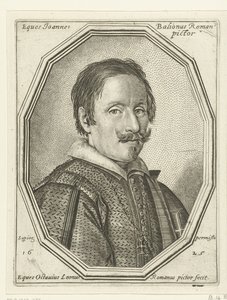
Giovanni Baglione
1566 - 1643

