

 Pregledaj u prostoru
 Pošalji
 Podeli
 Detalji o delu

 Преузми
 Slični predmeti
 Rendgenski snimak
 Slajdovi
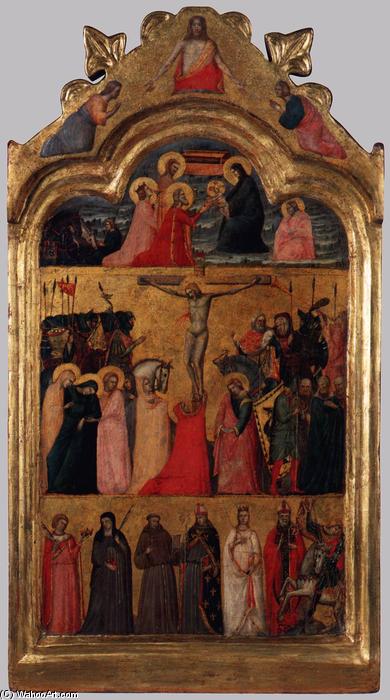
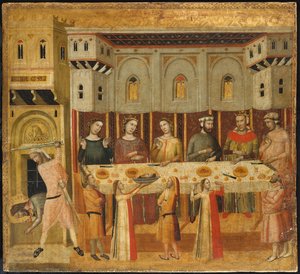
Centrepiece of a Polyptych
 1345
1345 58.0 x 31.0 cm
 Liechtenstein Museum
 Pročitaj više
Ručno rađena uljana reprodukcija
Ručno oslikano uljanim bojama na platnu u dimenzijama i okviru po vašem izboru, izrađeno po porudžbini od strane naših umetnika. ( Kupi print Kupi digitalnu sliku)




































Izaberite jednu od naših unapred definisanih veličina koje odgovaraju originalnim proporcijama umetničkog dela.

Можете унети сопствене димензије како бисте прилагодили дело одређеном оквиру или простору. Ако одабрана величина не одговара пропорцијама оригинала, слика ће бити исечена или проширена додатним елементима који се ручно насликавају. Дигитални prikaz ће вам бити послат на одобрење пре почетка производње.
Имајте на уму да преглед на екрану не одражава стварно исецање или проширење. Само приказ (mockup) ће тачно приказати коначну композицију.
Иако су доступне прилагођене величине, препоручујемо да одаберете димензију из дефинисане листе како бисте сачували оригиналне пропорције.
Nakon narudžbine, tim ArtsDot.com će klijentu putem e-pošte poslati uputstva i dostaviti prikaz predloženog rešenja
Isporuka širom sveta () za 3/4 nedelje umesto uobičajenih 5 nedelja. (28 август). Bez kompromisa po pitanju kvaliteta.

Besplatna ekspresna dostava širom sveta

Visokokvalitetno laneno platno

Kompletno osiguranje transporta

Garancija povraćaja carine i uvoznih dažbina

Garancija vernosti boja

Politika povrata u roku od 60 dana (samo u slučaju nedostataka)

Garancija povrata novca od 100%

Popust pri grupnoj kupovini
 Opcija sa staklom dostupna je samo za dimenzije manje od 110 cm

Centrepiece of a Polyptych
Tehnika reprodukcije
Dimenzije reprodukcije
-


Konačna cena
$ 263
Style and Elements
The painting's style is reminiscent of Gothic art, with a focus on realism and attention to detail. The gold background gives the artwork an opulent and sacred appearance, while the figures are depicted in a naturalistic manner. The Centrepiece of a Polyptych features several key elements, including:- A gold background that dominates the composition
- Figures of saints and religious figures, including Mary Magdalene and Jesus Christ
- Architectural elements, such as arches and columns, that add to the painting's grandeur
- A limited color palette, with a focus on gold, red, blue, and green
Historical Context
The Centrepiece of a Polyptych was created during a time of great artistic innovation in Europe. Giovanni Baronzio was influenced by the works of Giotto, a renowned artist of the time, and his style reflects this influence. The painting is also significant because it provides insight into the religious beliefs and values of the time. As noted on ArtsDot.com, the Centrepiece of a Polyptych is a testament to the artist's skill in capturing religious narratives through symbolic imagery and detailed figure work. Handmade oil paintings reproductions of this artwork are available on ArtsDot.com, allowing art lovers to own a piece of history. For more information on Giovanni Baronzio and his works, visit Wikipedia.The Centrepiece of a Polyptych is a significant work of art that showcases the skill and craftsmanship of Giovanni Baronzio. Its historical context and artistic style make it a valuable piece for art historians and enthusiasts alike.
Srodna umetnička dela







Biografija umetnika
Giovanni Baronzio: A Rimini Master of the Fourteenth Century
The name Giovanni Baronzio, often rendered as Giovanni da Rimini, represents a pivotal figure in the artistic landscape of late medieval Italy – specifically, the burgeoning school of painting centered around the city of Rimini. While shrouded in some historical ambiguity, and initially misidentified with other artists, modern scholarship has firmly established Baronzio as a distinct and remarkably talented painter active during the second quarter of the 14th century. His legacy lies not in grand, monumental works, but rather in a series of exquisitely detailed panels and frescoes that offer a compelling glimpse into the evolving artistic traditions of Romagna and Marche – regions deeply influenced by the innovations of Giotto di Bondone.
Born around 1320 (though his precise birthdate remains elusive), Baronzio’s early life is largely undocumented. What we know with certainty is that he emerged as a painter during a period of intense artistic ferment, inheriting and adapting the stylistic principles of Giotto while simultaneously forging his own unique visual language. The documentary evidence pointing to him as an artist comes primarily from a deed dated 1343, which identifies “Iohanne Baroncio pictore” – John Baronzio, painter – as a witness. This single record provides the foundation for understanding his career and artistic identity.
The Influence of Giotto and the Rimini School
Baronzio’s work is inextricably linked to the legacy of Giotto di Bondone, who had established a workshop in Rimini around 1300. Giotto's influence on the Riminese school was profound, shaping its approach to composition, color, and figural representation. Baronzio, like his contemporaries Giuliano, Pietro, and Giovanni da Rimini, absorbed these principles, yet he didn’t simply replicate them; instead, he skillfully integrated them into a distinctly local style. This involved a careful attention to detail, a refined use of color palettes – often employing muted earth tones and delicate blues and greens – and an emphasis on creating a sense of depth and realism within the confines of panel painting.
The “polyptych representing the Madonna and Child Enthroned with Saints” (now in the Galleria Nazionale delle Marche, Palazzo Ducale, Urbino) stands as the cornerstone of our understanding of Baronzio’s oeuvre. This monumental work, dating from around 1340-45, showcases his technical skill and artistic sensibility. It also provides a crucial starting point for reconstructing his broader body of work, which includes scenes from the life of Christ, devotional panels, and likely numerous altarpieces that have unfortunately vanished or remain unattributed.
Key Works and Artistic Techniques
Among Baronzio’s most celebrated works are the “Scenes from the Life of Christ” (circa 1345), now housed in the Metropolitan Museum of Art in New York. These panels, originally part of a diptych, demonstrate his ability to capture dramatic moments and convey profound emotion through carefully rendered figures and evocative compositions. The use of light and shadow is particularly noteworthy, creating a sense of volume and realism that was characteristic of Giotto’s style.
Baronzio's artistic approach can be characterized by several key features: meticulous attention to detail, a refined chromatic sensibility, and an adherence to established Riminese iconography. He skillfully employed decorative patterns and intricate details – a hallmark of the local school’s tradition – while simultaneously demonstrating a remarkable command of perspective and spatial relationships. His work is not overly stylized or manneristic; rather, it possesses a quiet dignity and understated elegance.
Legacy and Historical Significance
Giovanni Baronzio's contribution to the artistic heritage of Romagna and Marche is significant, though often overshadowed by the more prominent figures of Giotto and his immediate disciples. He represents a crucial link in the chain of artistic transmission, preserving and developing the stylistic innovations of the early 14th century. His work provides valuable insights into the evolving artistic practices of the period and demonstrates the enduring influence of Giotto’s legacy on the region's painting traditions.
Despite the scarcity of surviving works, Baronzio’s art continues to fascinate scholars and art enthusiasts alike. His meticulous attention to detail, his refined use of color, and his skillful integration of established iconography make him a compelling figure in the history of Italian Renaissance painting – a master whose quiet brilliance deserves renewed recognition.
giovanni baronzio
1362
Osnovne informacije
- Artistic Movement Or Style: Riminese School
- Artists Or Movements Influenced By This Artist: ['Giotto']
- Artists Who Influenced This Artist: ['Giotto']
- Date Of Death: 1362
- Full Name: Giovanni Baronzio
- Nationality: Italian
- Notable Artworks:
- Madonna and Child Enthroned
- Scenes from Christ Life
- Place Of Birth: Rimini, Italy

